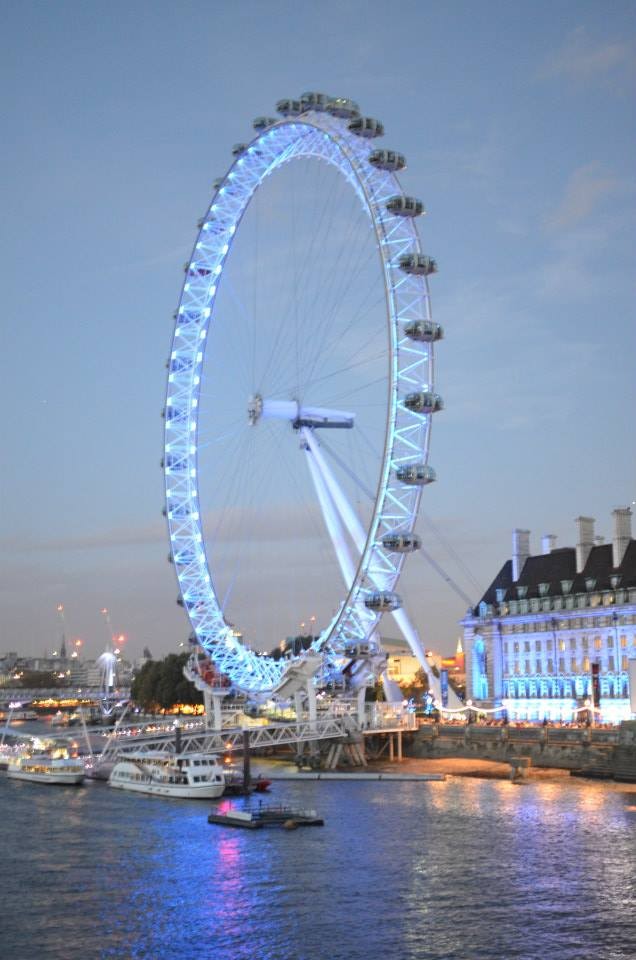
Somewhere in the grey area between genius and insanity, Zed was always a last-minute kind of guy. He had been working on a music idea: a framework that would let musicians run more than one tempo at the same time in a single piece, not just a compound time signature, but something closer to playing more than one song at once. The parts snap in and out of sync, like a turn signal that seems to play with the beat for a moment, then slips away and later locks in again. I heard a sample and immediately saw what it could do.
One night he called with a cryptic message about a great opportunity, then lost his phone and my address and failed to show up. Weeks later he reconnected. He wanted to present the work at TechCrunch Disrupt in London. The conference was a week away. I do not usually treat travel plans as a sure thing until the tickets are purchased, and Zed’s bank account was running low. Still, I had a history with him, and with last-minute tech conferences.
Miraculously, the tickets came through the night before we left. We would present the XohoX project, with some help from Austin Silent Disco, at a two-day event. It would be the first time I had been in London since I studied abroad there for a semester in 1998. Back then my counselor had given me a choice: graduate a semester early, or take it abroad. The choice was obvious.
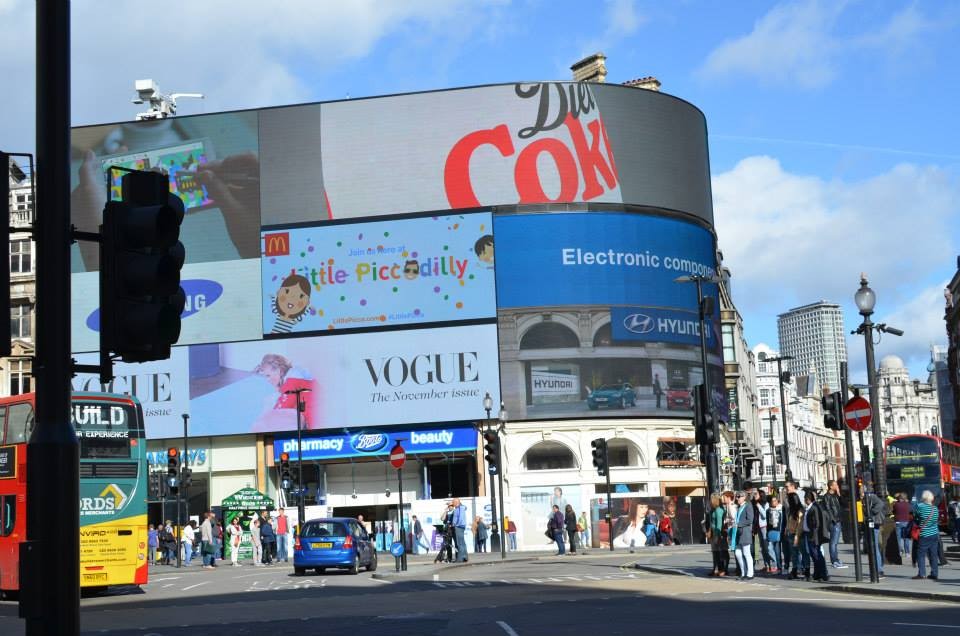
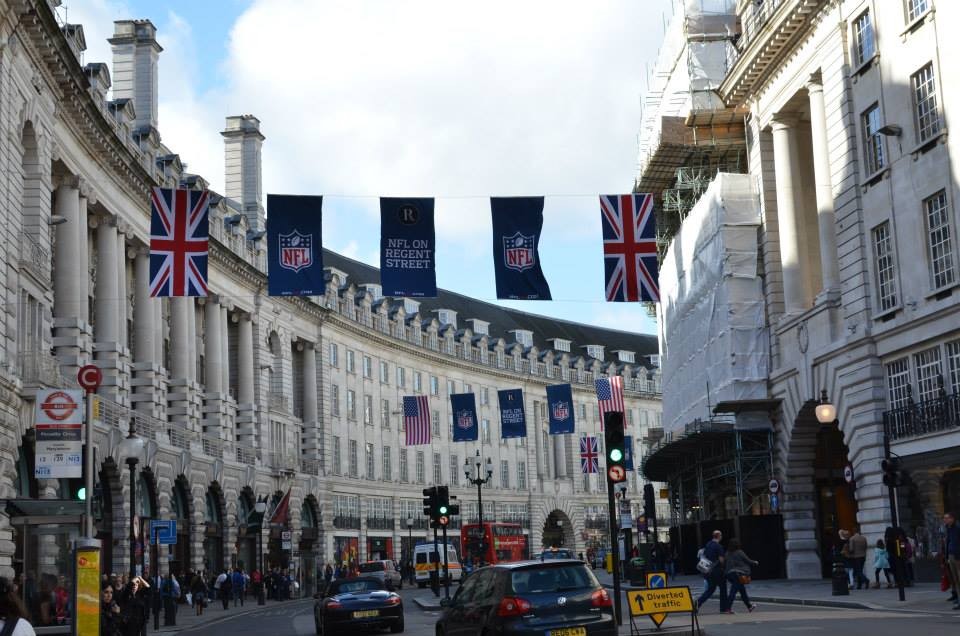

By the time I reached the Austin airport I was beaming. It had been eight months since I had been abroad, after a trip around the world, and time had gone quickly. I cleared security with an ease I had almost never felt. Zed missed his own flight, and I ended up sitting next to someone happy to talk about how the universe provides. The same thing happened on the way home. In the end we reached London around the same time on a chilly Sunday morning. It felt like home. We took the Piccadilly line to Piccadilly Circus, looked for lunch in Chinatown, and, when a hostess told us there was no wifi, landed at a nearby Italian restaurant for a half-price pizza while I tried to secure a room on my laptop.
A room for three nights
After a year of Couchsurfing I decided to try Airbnb, and I was disappointed. The site wanted about ten ways to verify my identity, including an SMS, which is not much use when you are already abroad and cannot receive texts. I could not formally request a place, so I sent private messages and trusted people when they said I could stay. In those messages, any word that looked like a website or an email address was replaced with “(website hidden).” The site was clearly anxious to keep you inside its fees.
People were charging more than a hundred dollars a night for an air mattress in a spare room, which is free with Couchsurfing, and that changed the feeling between guest and host. After three nights and about four hundred dollars, I did not feel the same gratitude I would toward a couch host, and she still seemed to expect it. She gave me a poor review when I accidentally left a toothbrush behind, said we had “trashed” the room, and noted that I had not left a thank-you note. I might try the site again, but I would rather have the clear expectations of Couchsurfing or a hotel than the worst of both. In the end it did not matter much. We did not spend much time in the room. We were there for the conference.

Connections, not a launch
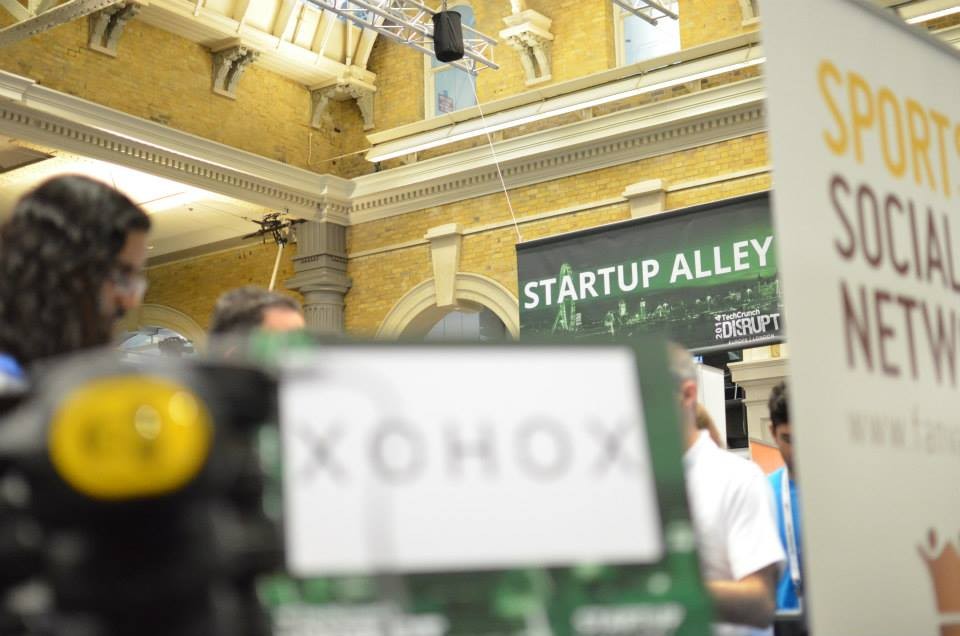
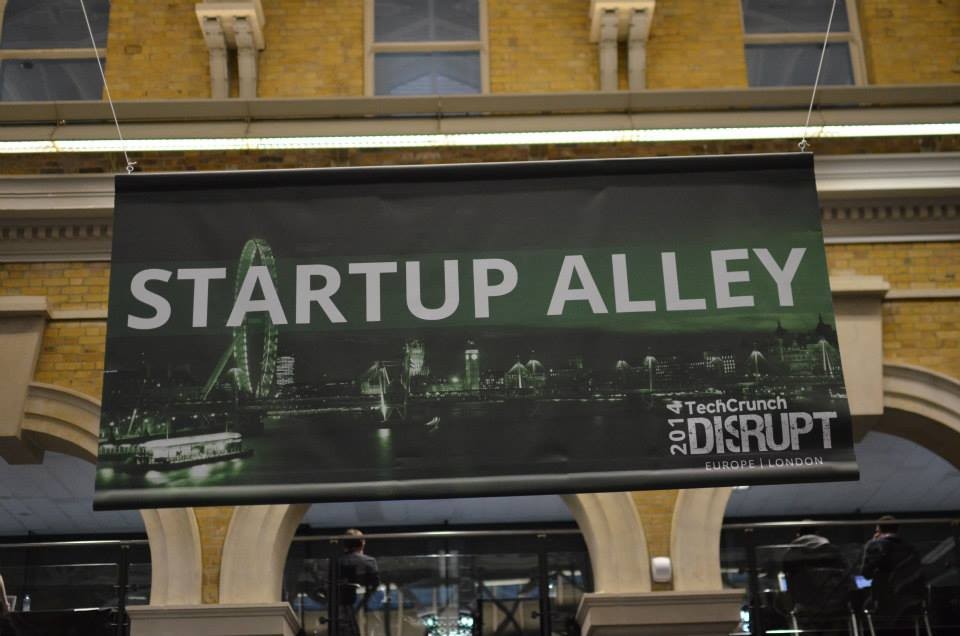
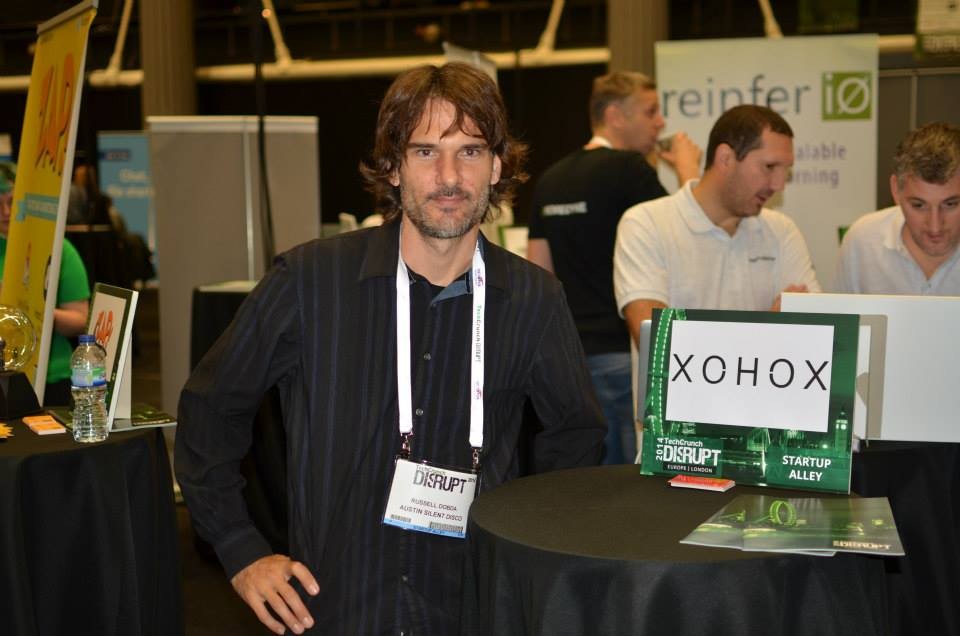
If you go to TechCrunch hoping a viral campaign will take off, do not count on it. It is about meeting people and getting a read on your ideas. We had enough “ah ha” moments at the booth to see that Zed was on the right track. I loved watching the look on someone’s face when they realized that ordinary music keeps only one tempo at a time, and how much space opens if you let that go.
Zed had also been working, in that same restless way, on a compression algorithm, which was an easier thing to describe to a room of investors than a new musical genre. I was happy to be the right-hand man: logistics, leaflets, getting us around the city, and keeping the day-to-day off his desk so he could go deep on the math.
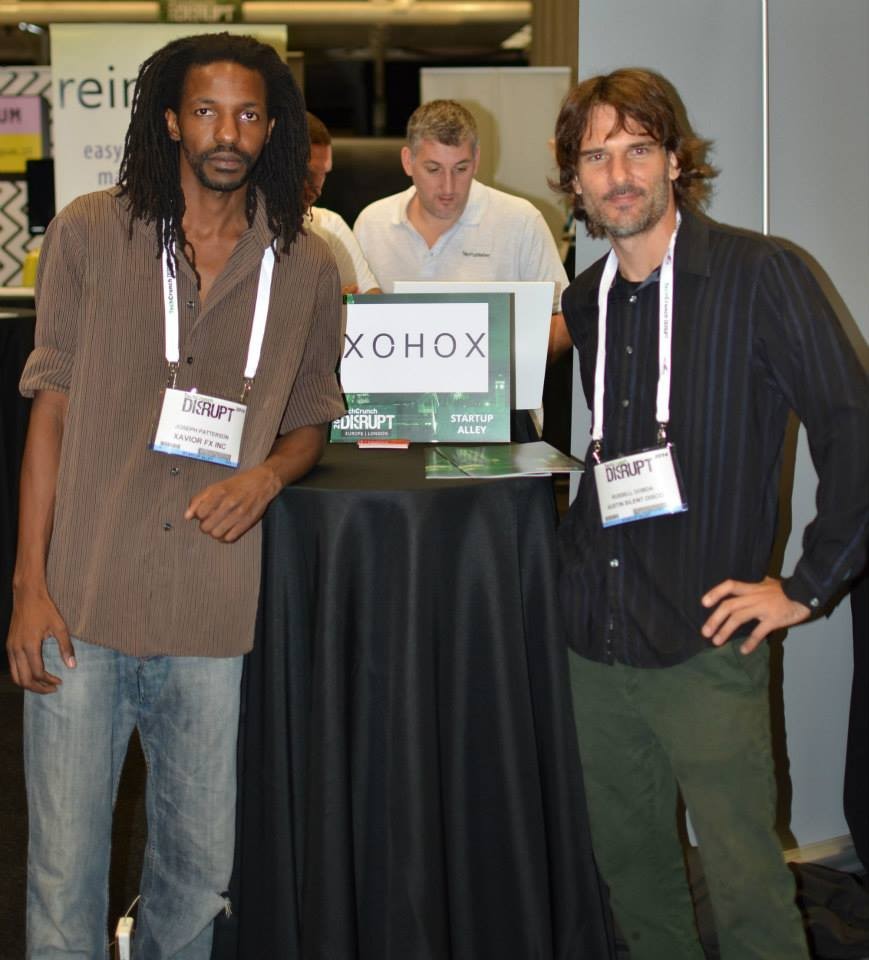
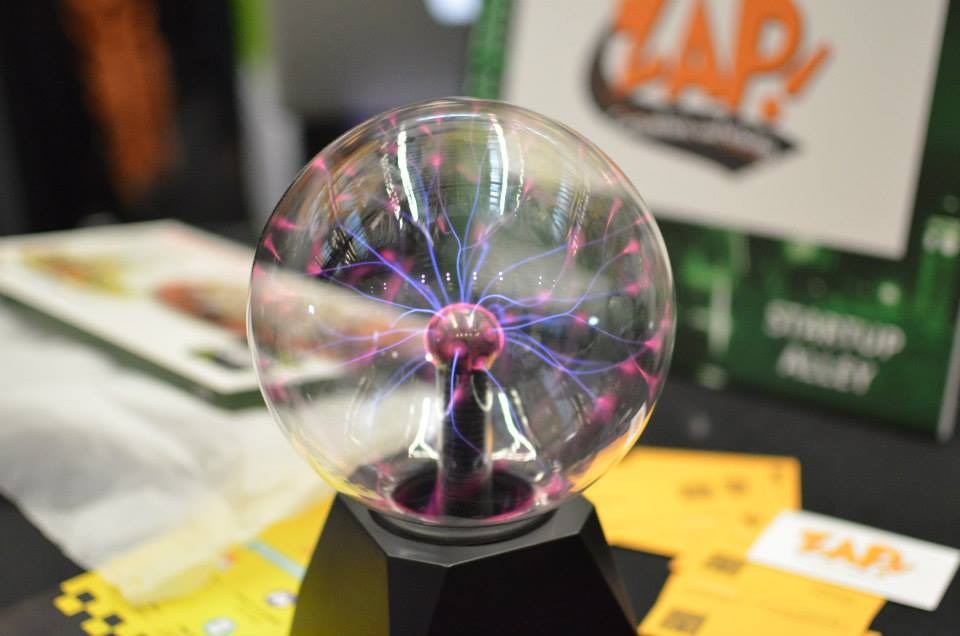
A British woman named Clara heard us mention Austin and tagged along after the sessions. She came to dinner at an Italian place across town, where the conversation turned to out-of-body experience and the law of attraction, and she told me that Britain had made computer coding mandatory in primary school. Give them a few years; there is going to be some serious work coming out of that country.
Clara had also wanted us to wait for two men from a Polish startup called Audiotrip, who were recording short audio pieces tied to places. We never found them before dinner. Afterward the three of us boarded the wrong bus for the official afterparty, realized it, got off, and walked to the nearest tube station. On the platform, the two of them were standing right there. The five of us went on together. By the time we arrived the bar was already dry, so we ended up on the street, where Zed started walking a mathematician through the calculus of the compression idea. He was lit up. Later he said it was one of the best moments of his life. I was glad for him. We made it back on a late bus, packed, slept about twenty minutes, and went to Heathrow.
Sixteen years later
We only had three nights, but after sixteen years I was surprised how little the city had changed in the ways that matter. It was more modern, of course, and much easier to get around than it had been with a paper A to Zed and a night bus schedule after the tube stopped at midnight. It still felt like itself.
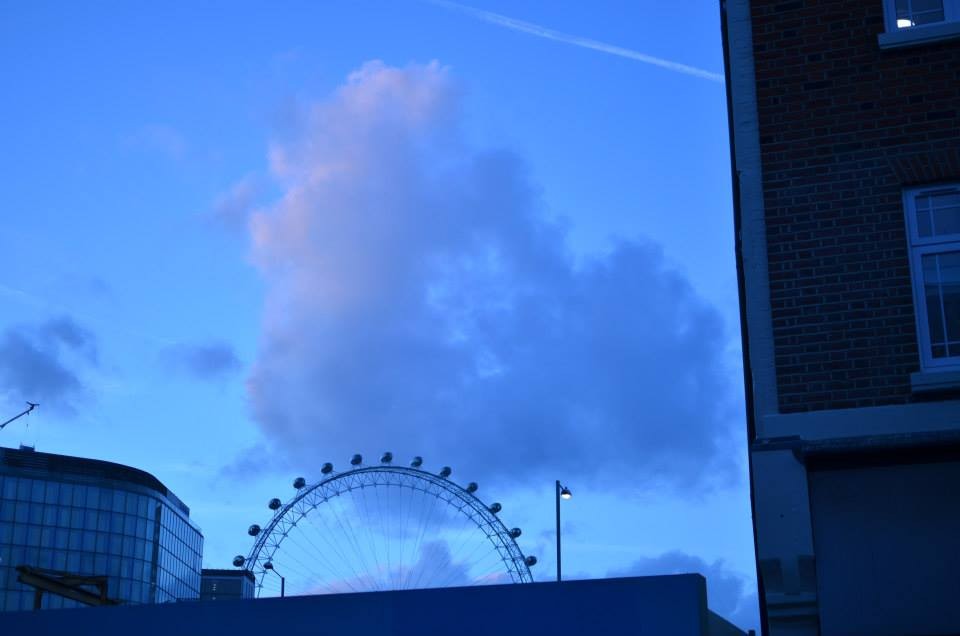
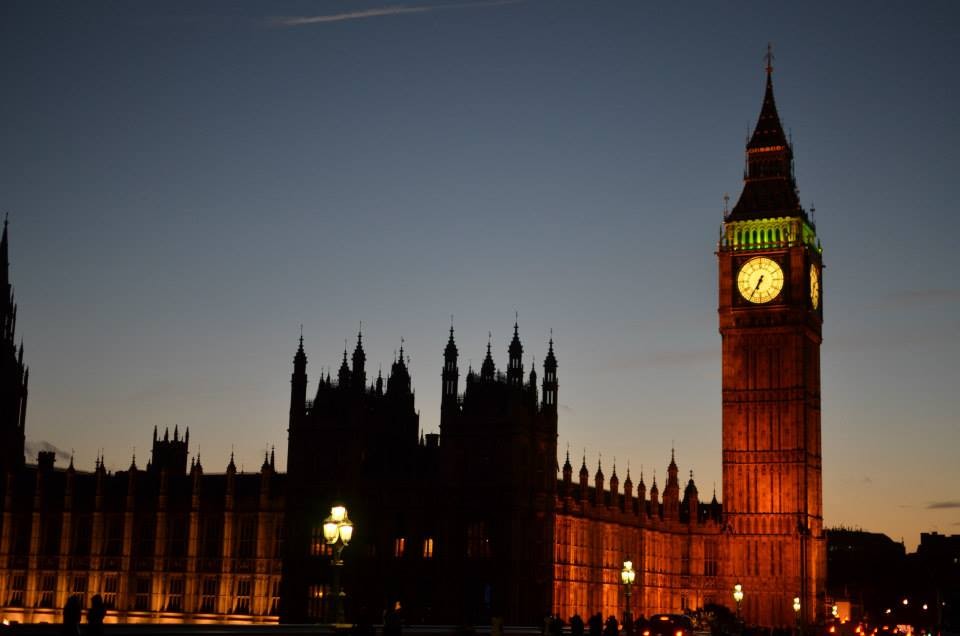
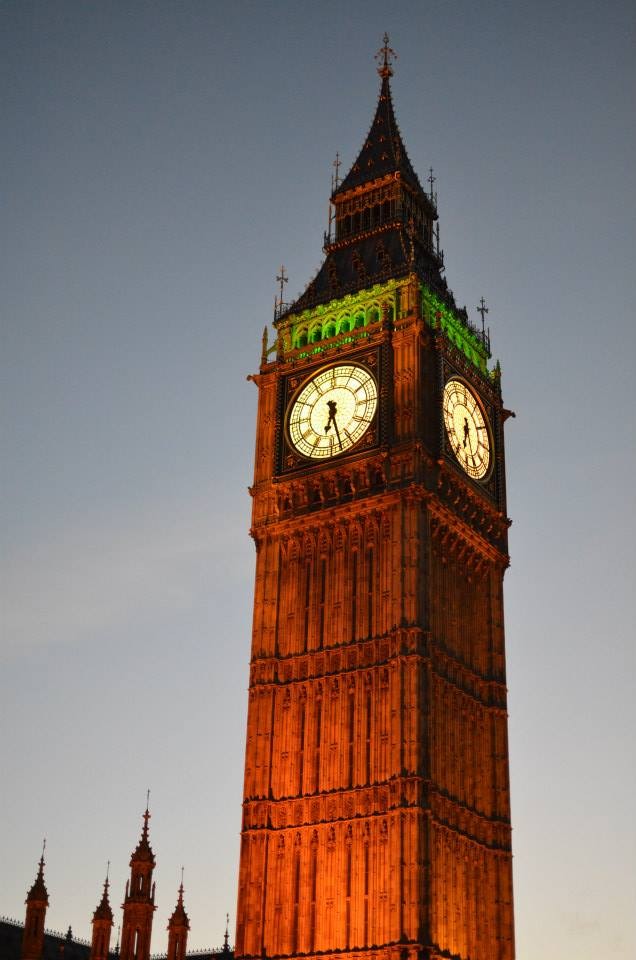
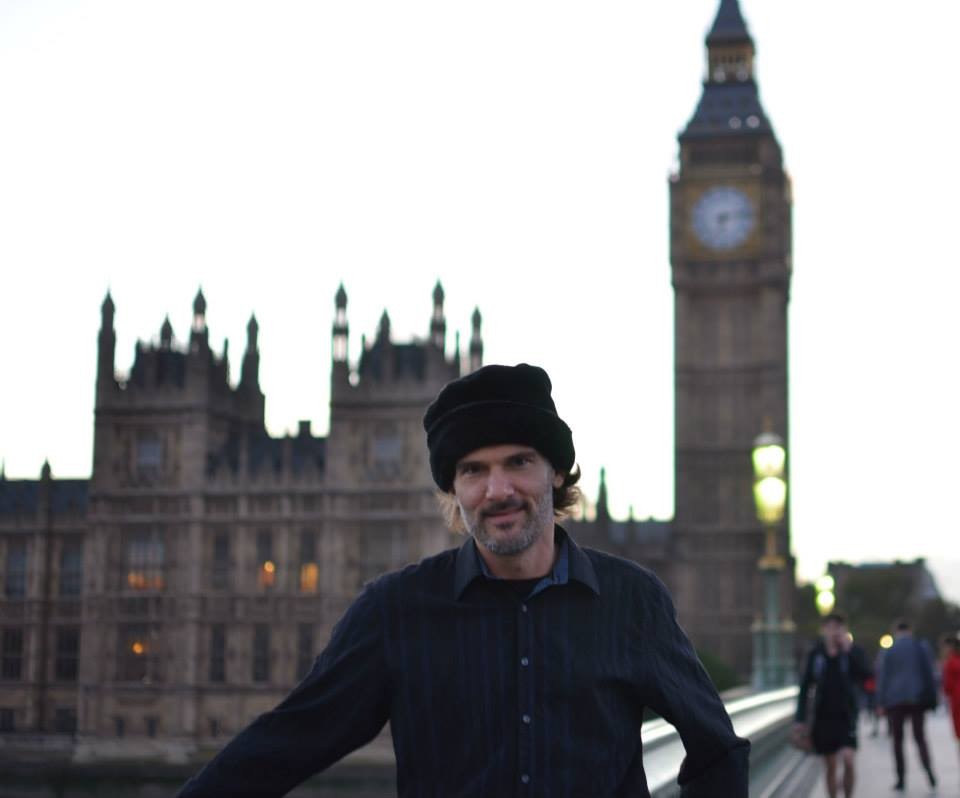
Traveling with Zed, who is six-foot-four and wears his hair in dreadlocks, also made something obvious I had not had to look at so directly in my own travel. At airport checkpoints he was searched more thoroughly than I was, every time. On the way home I was already through when I had to wait for them to finish with him. I did not like the feeling of standing there, or the resentment that came with it.
The wait did, at least, have one of those small turns the trip was good at producing. I had eaten a mediocre lunch at Newark on the way over and was not looking forward to the same thing again. Because I was still standing there, I noticed that the United lounge was being used that day by a local Italian group celebrating their heritage, with five-dollar home-cooked meals. We ate. The universe provides.

]]
Sixteen Years Earlier: A Semester in London (Fall 1998)
Sixteen years before returning for TechCrunch Disrupt, that fall 1998 study-abroad semester was my first time in Europe, and London immediately challenged how I thought about rules, liberty, and daily life.
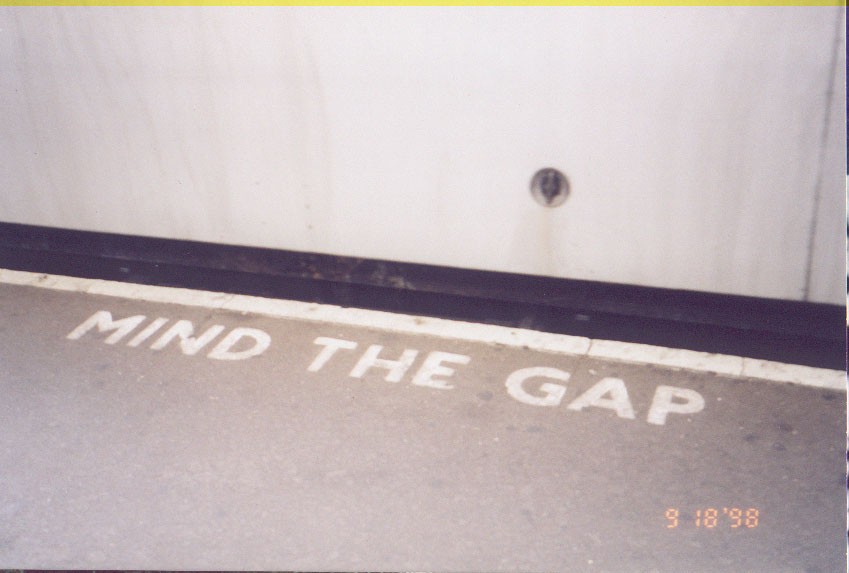
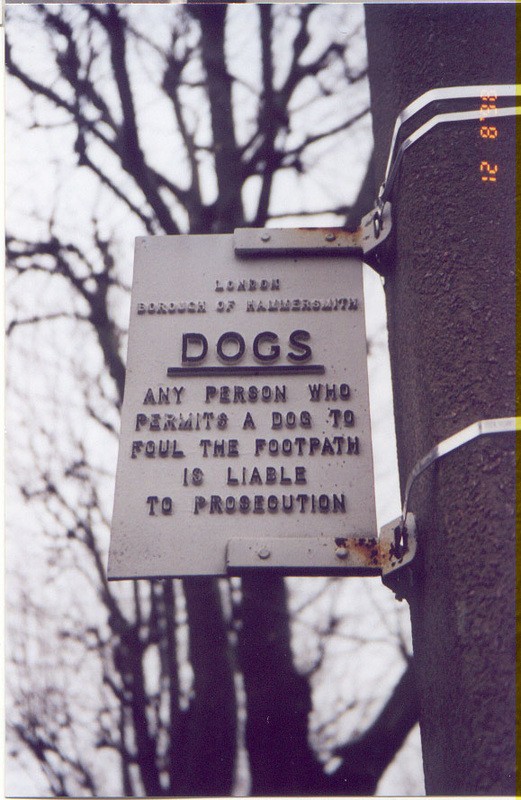
In America at the time, going to a bar several nights a week carried an automatic label; in London, the neighborhood pub was simply the living room where people met after work. At the same time, the city carried real rules of its own—strict footpath signs in Hammersmith threatening prosecution if you failed to clean up after a dog, and heavy taxes on cigarettes and pints that nudged behavior through the wallet rather than lecturing from a pulpit. Watching British coverage of American political scandals made the cultural difference even clearer: people in London mostly shrugged and wondered what the fuss was about. Between paper A-to-Z street maps, midnight Tube cutoffs with “Mind the Gap” echoing down tiled tunnels, and late-night buses home, London taught me how different societies draw the line between public order and private life.