A photograph can help you remember a place. It can also keep you from being there.
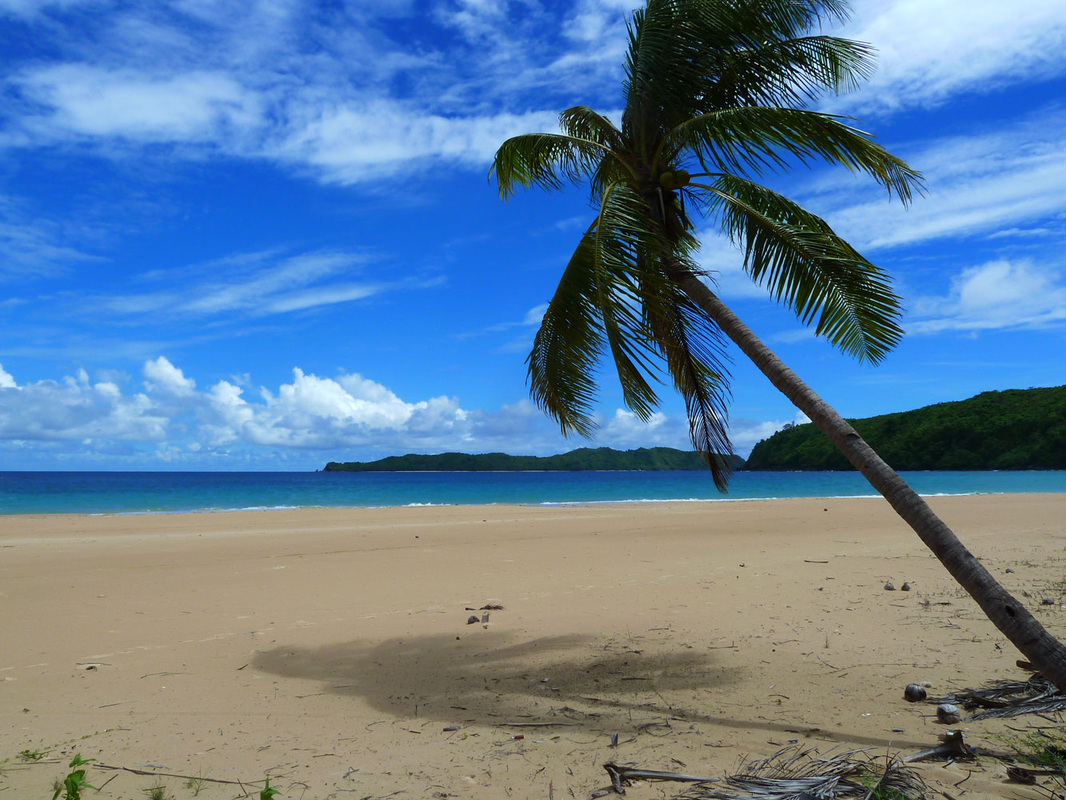
Photography is a kind of journaling, and I love it. When I see a picture that feels like it needs to be kept, I’m usually the first one to raise the camera. Beaches like Nacpan, just north of El Nido, almost insist on it: the lean of the palm, the empty sand, the water in that particular blue. I took this one, and I’m glad I did.
I’m also careful now, more than I used to be, not to spend the whole visit looking through a screen. Some moments are not meant to be captured. They are meant to be lived. Trying to pin them down can take you out of them, and it can get in the way of the people who are trying to live them with you. You have to find the balance.
I have met travelers who went around the world and never took a single picture, on purpose, because they were afraid a photograph would flatten the memory. I wouldn’t go that far. A photograph is not the same as being there, but it can bring you back to the feeling later, especially if you also wrote a few honest lines about the day.
The trouble starts when the taking becomes the point. You arrive, you frame, you move on, and the place has been collected rather than met. Phones make this easier than it was when I first wrote about it in 2015. They also make it easier to stop, put the phone in your pocket, and look.
On a beach this empty, the temptation is to take ten versions of the same palm. I have done it. The better move, once you have one frame you trust, is to walk without the camera in your hand. Notice the heat, the sound of the wind in the fronds, whether anyone else is even there. Those are the parts a photograph cannot store for you, and they are usually the parts that make you want the photograph in the first place.
My rule is simple enough that I can remember it on the sand. If a scene is calling to be kept, take the picture. Then put the camera down and stay a little longer than the shot required. The extra minutes are the ones that belong to you, not to the album.