From family conversations back home, I had deduced that my grandfather, John, was born in eastern Slovakia. The hints were small. He spoke a bit of something that sounded Russian, celebrated Christmas a few weeks too late, and went to the local amusement park on Slovak Day. Through a vague recollection from his 1999 funeral, I honed the search to the small town of Medzilaborce, in the northeast, near the borders of Poland and Ukraine.
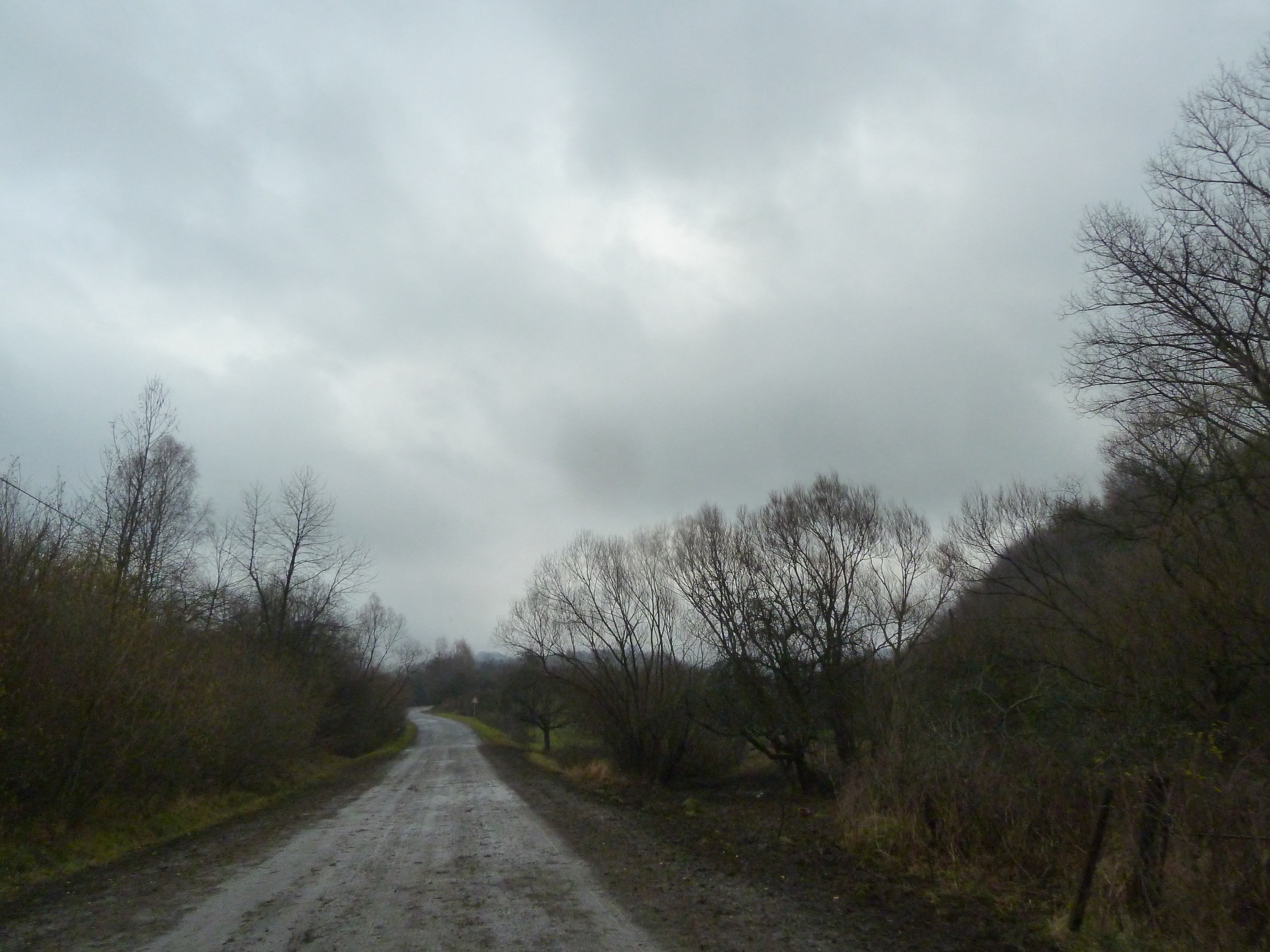
Earlier web queries had already returned Dobdas in the area, and when I signed up for Facebook a search for my last name led me to a guy five years my junior living in Košice, named Milan. I had a feeling we were related, and I told him the day would come when I would visit and prove it. The day was upon me when I arrived in a place that vaguely resembled western Pennsylvania in autumn: big hills, bare trees, and an Eastern European town under a grey sky.
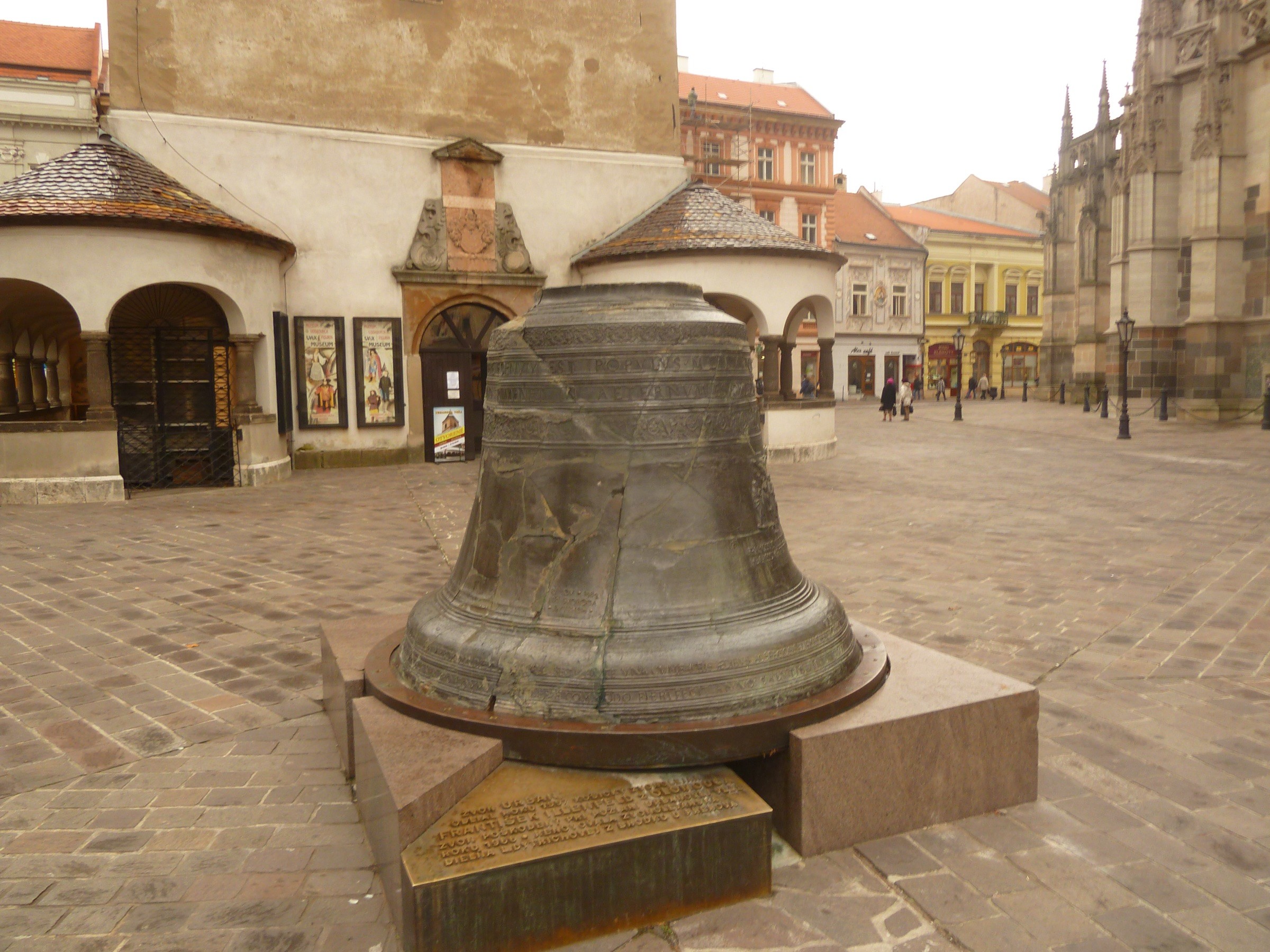
After I sent some twenty Couchsurfing requests, most were ignored; only two or three people even declined. I didn’t secure a host in Košice. I took a private room at Hostel Barno for 15 euros, with wifi in the hallway, close enough to the center. I had dinner at nearby Rokoko and a good night’s sleep of privacy. Someone later thanked me after I recommended the hostel on the local Couchsurfing group.
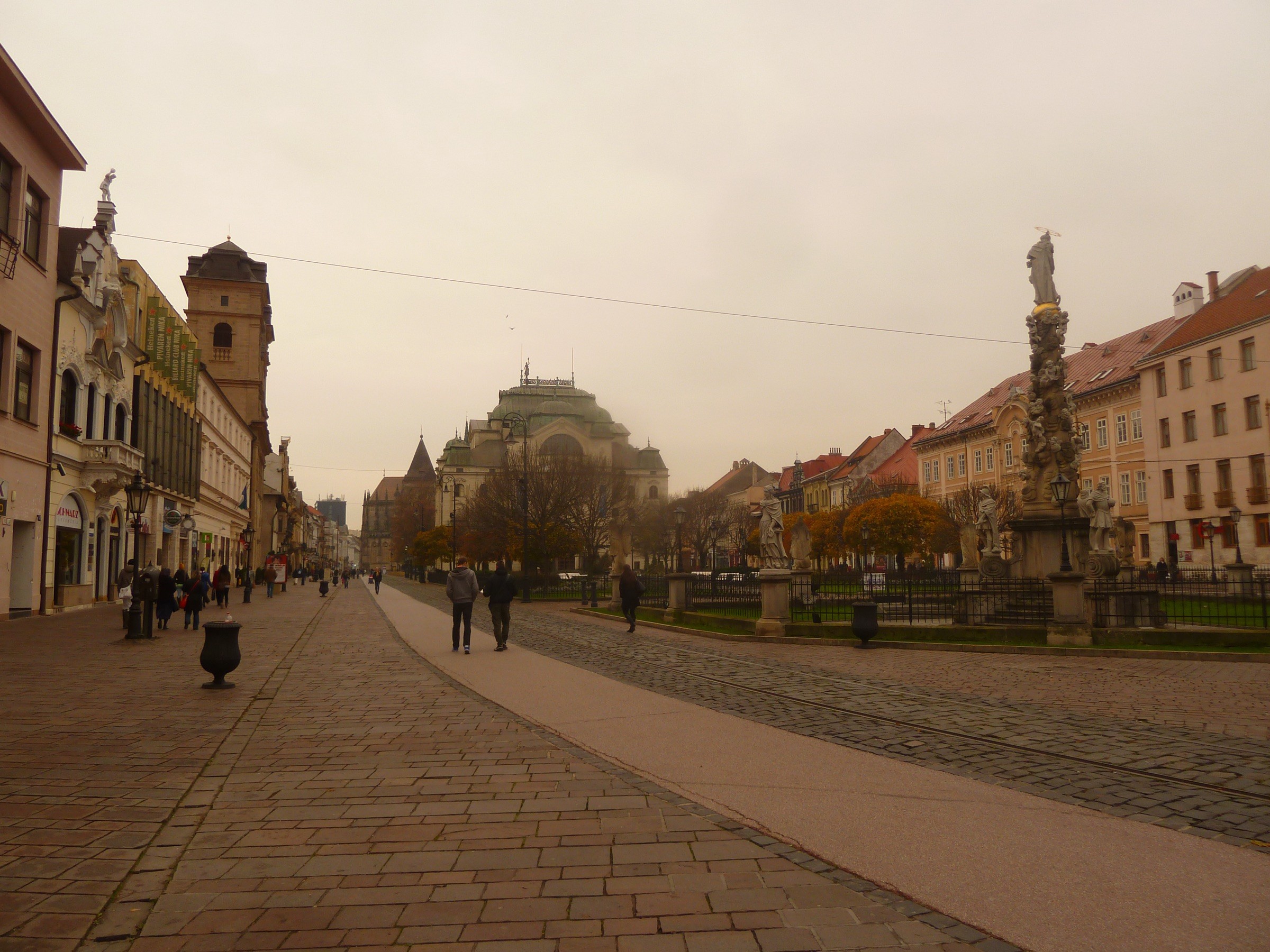
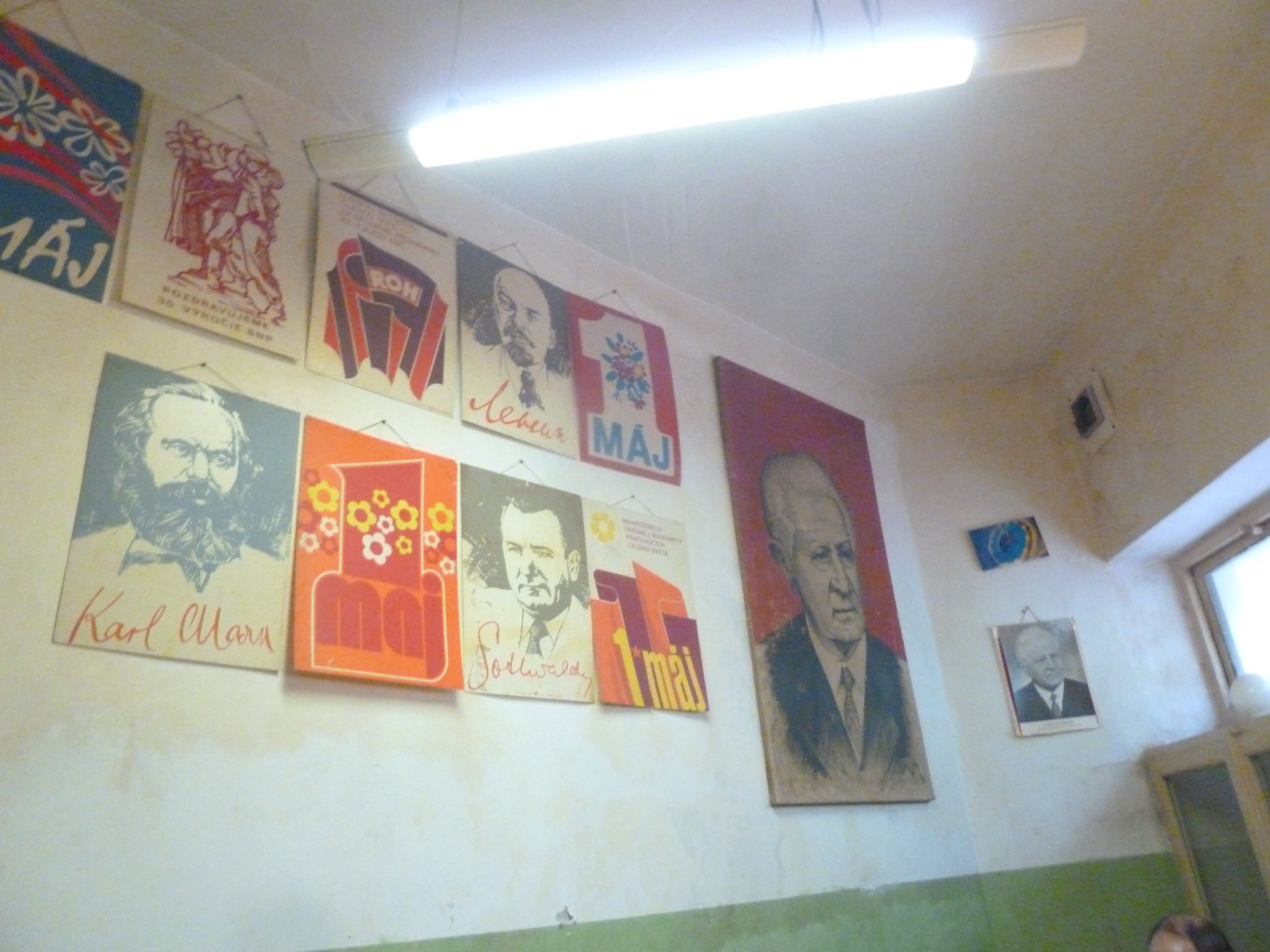
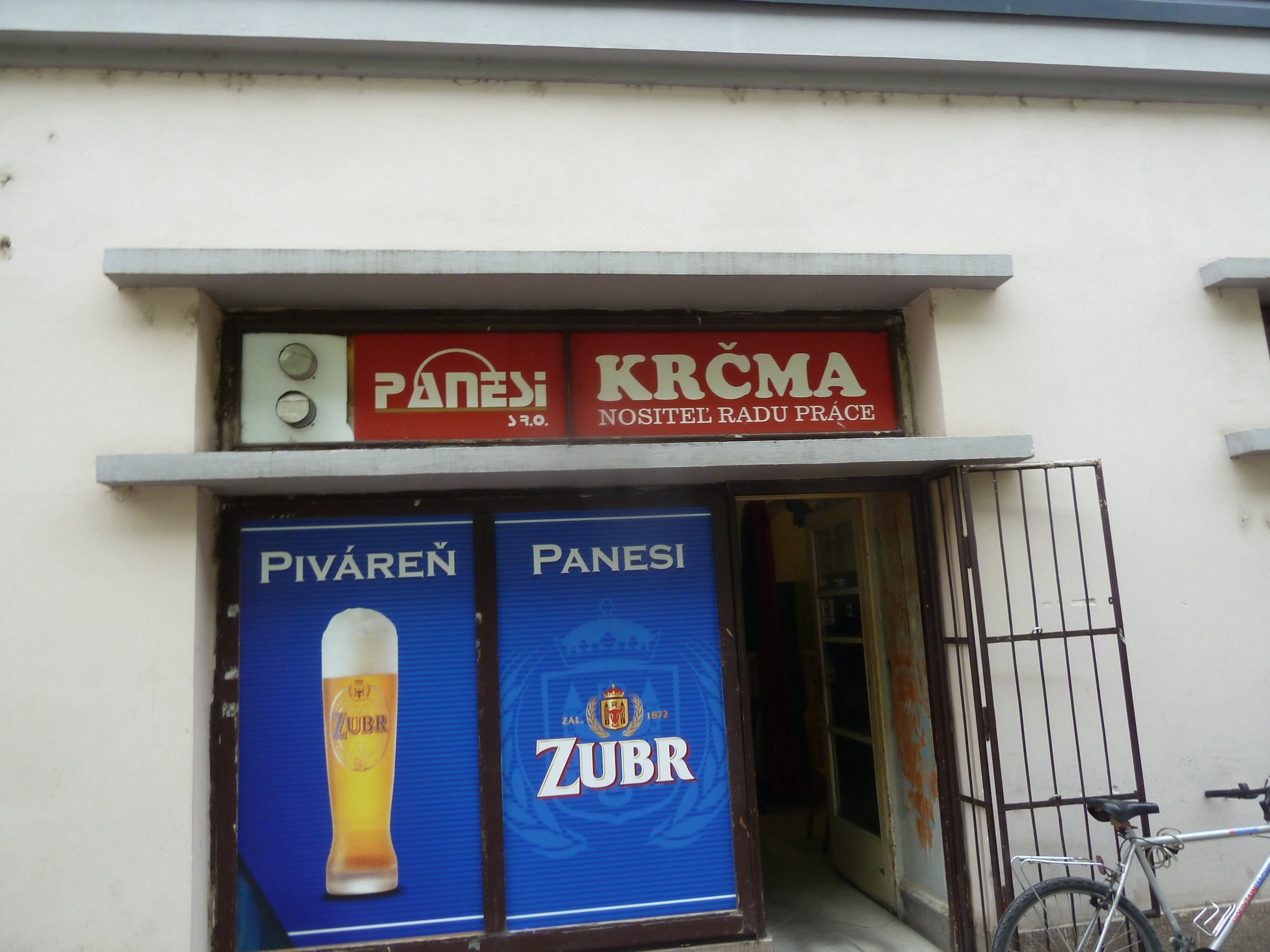
The next morning, Milan greeted me at the front door. I left my bags, and we walked the town. He showed me Košice in a few hours. Communist since the early 1900s, the architecture was cold and colorless, buildings uniformly lining the city. A local bar from that era, Krčma u Karola, still displayed hammer-and-sickle flags next to portraits of prominent communist leaders. As in those days, the room was dark and smoke-filled, and on a weekday afternoon it was host to several jobless citizens drinking cheap Żubr beer.
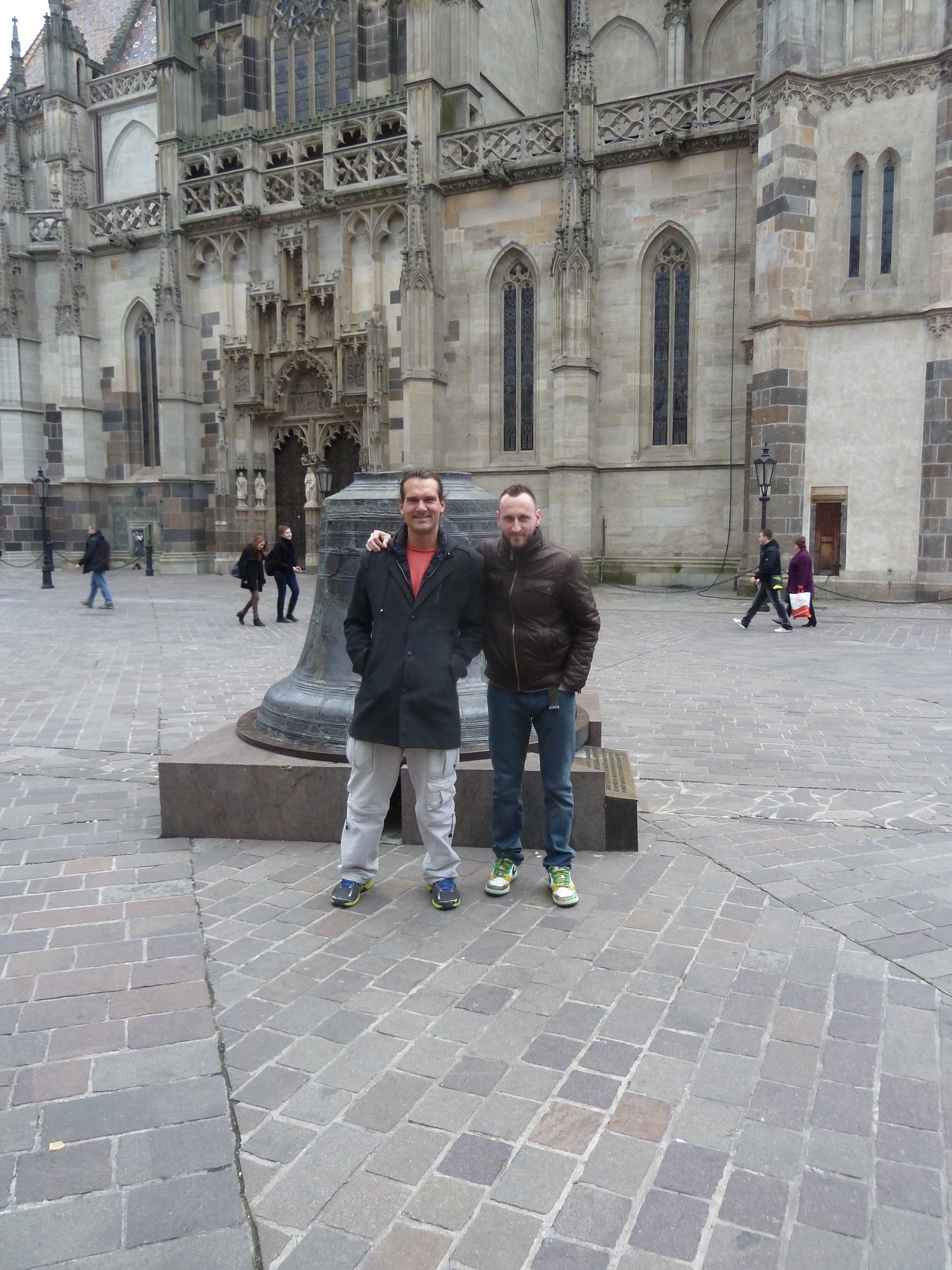
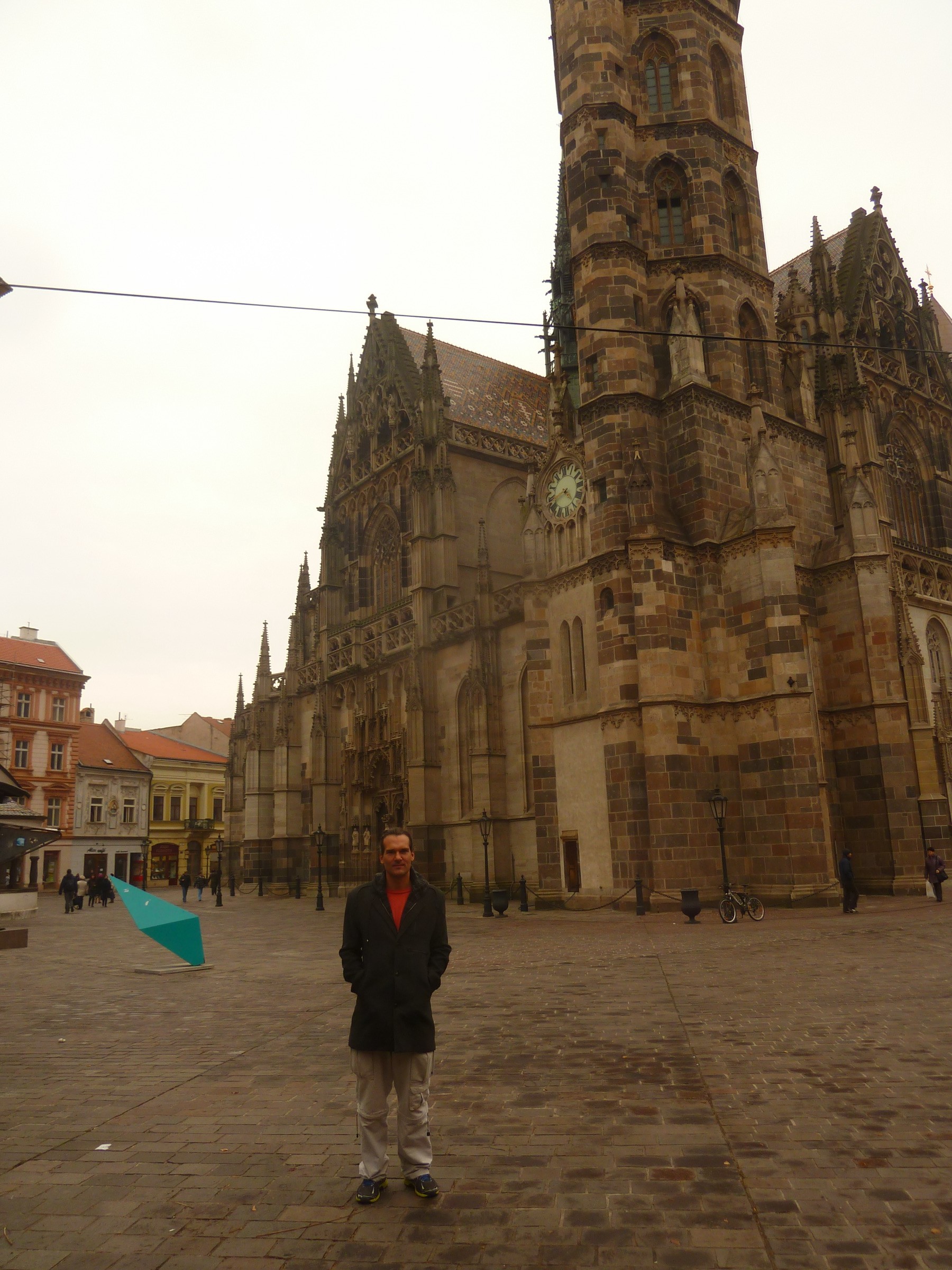
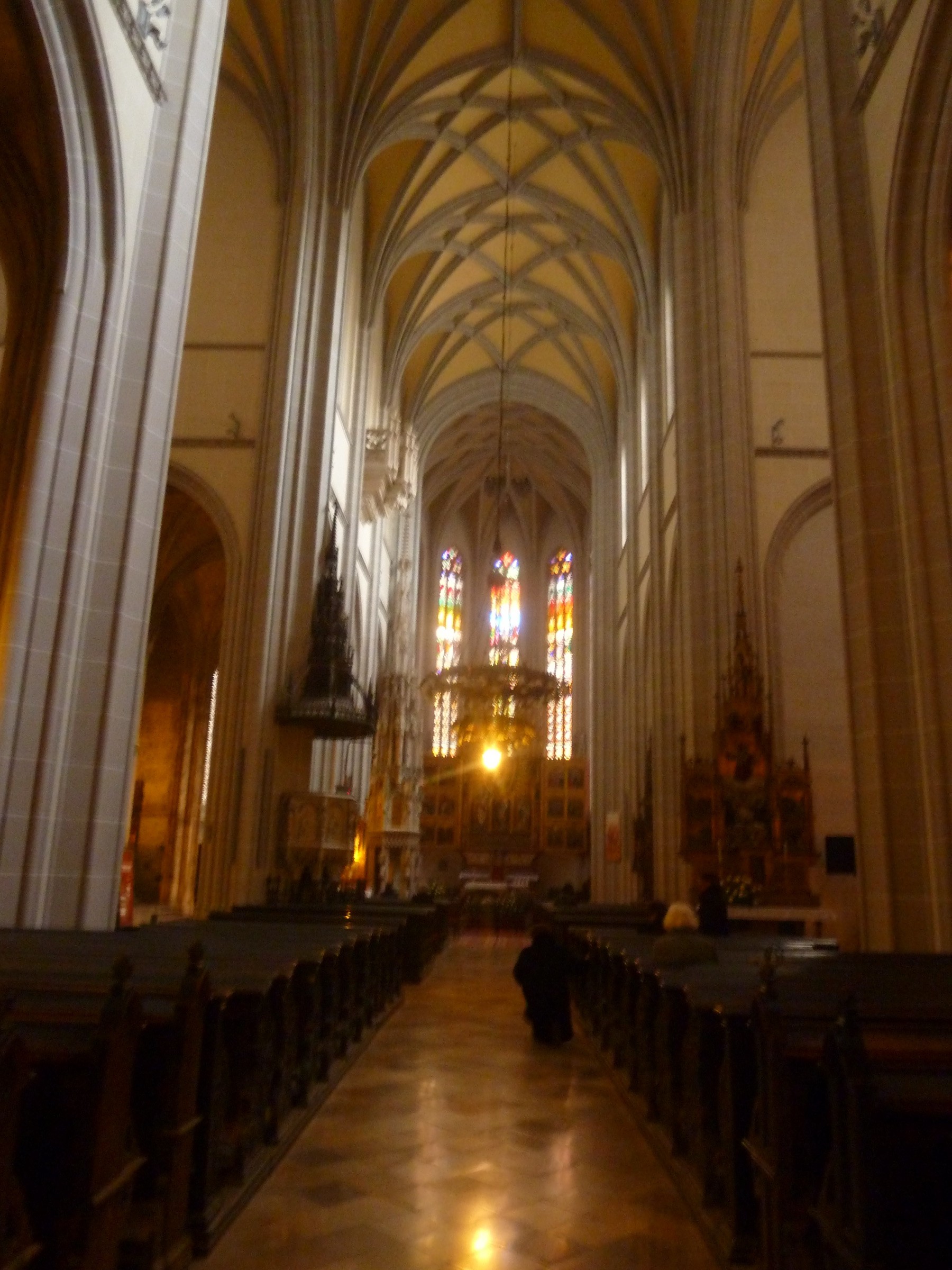
As we walked the square, I wondered how the cathedral had survived a regime that shunned religion. Milan told me the churches had been shut, but in a tenuous balance, to keep citizens from total outrage, they were not demolished. Priests would break in and hold mass in the middle of the night.
Milan’s father had been a bus driver in the communist era, and the Státní bezpečnost police had tried to recruit him to spy on citizens and report anyone straying from the line. He refused and was put on a watch list. When communism left Slovakia, some of those police became politicians, to ease the transition to a democratic label.
Back at the hostel I grabbed my bags. Milan escorted me to the Košice train station for the next train north, to a slightly smaller town, twenty miles closer to the birthplace of my grandfather. The mission was about to start in earnest.
The hall of records
Months earlier I had put an open Couchsurfing request out in the general area. A local named Alex, in Prešov, had offered his guest room and a trip to Medzilaborce to look for my grandfather’s birth record. It was a good thing. Most people in these towns did not speak English, and I needed a translator. Alex was studying for a Ph.D. in geography, and he was interested in helping. I woke at 5:15 on a Thursday morning in his guest bedroom, and we embarked.
Our goal was simple: the piece of paper, with original ink, that recorded the date and place of my paternal grandfather’s birth. Train travel was inexpensive in eastern Slovakia — just a couple of euros between cities — and by 11 a.m. we were on the front steps of the hall of records in Medzilaborce. There was a strong chance the building held what I wanted.
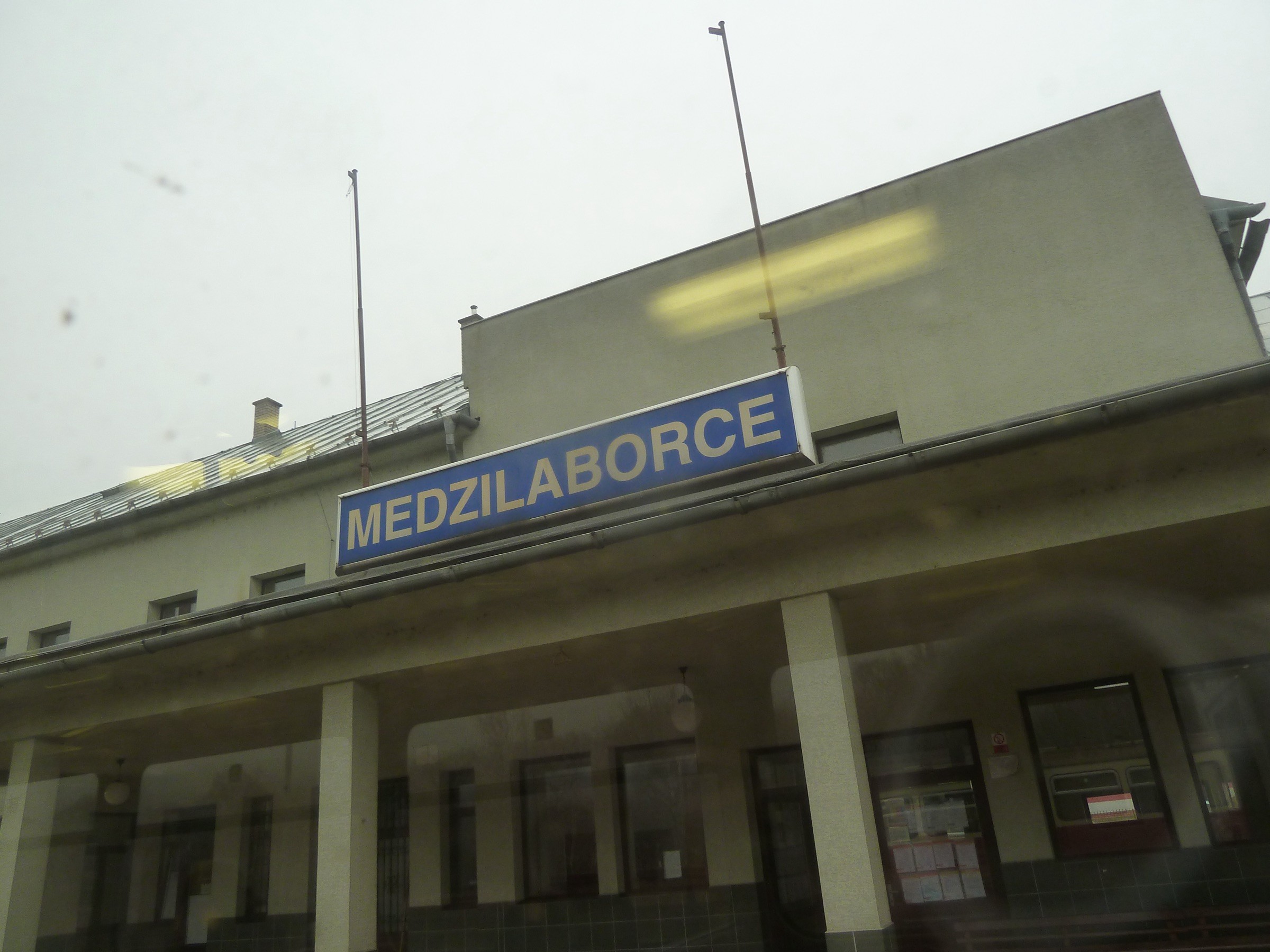
We entered and noticed the last name of one of the women who worked in the office: Mrs. Dobdová. “This looks like your relative,” Alex said. I thought it was close to Dobda, but not the same. He told me that in Slovak it was the same, because the language carries grammar inside the words. The same word can have several forms depending on context. There was never a female Dobda; women had the last name Dobdová. The -ová suffix was added to a family name to denote gender.
Within minutes I realized that Mrs. Dobdová was Milan’s mother. What a small world. In tiny Slovak villages, the world was even smaller. Word that I was in town spread quickly, and her brother-in-law, Stano, arrived to meet me.
“Dobda?” he asked.
“Dobda!” I replied.
“Dobre!” he said — well, or fine.
“Dobra!” I said, taking it as the same.
I was escorted to a room with the birth records of Medzilaborce. I gave the date to the woman with the key: June 14, 1912. She pulled out the book, but before opening it she asked for my passport.
“I left my passport in your room,” I told Alex.
He explained. She asked for ID. I gave her my Texas driver’s license. The translation came back: this was not an ID, it was a driver’s license.
“In Texas, your driver’s license is your ID. You can’t have both, and you can’t walk the streets without it,” I said.
Skeptical, but unable to deny the resemblance of my receding hairline to Stano and to Mrs. Dobdová’s son, the matching last name on the license, and Alex’s translation, she nodded and opened the book.
“There’s no record here of any Dobda on this date,” she said.
My heart sank, but I had a feeling there was more to the story. A flurry of chatter in Slovak, and a phone call to a nearby village, and the translation came back. There was another hall of records in Výrava. My grandfather’s record might be there. There were Dobdas in the surrounding villages, especially Oľšinkov, and if he had been born there, that is where I would find it. There were not a lot of Dobdas, and they were all related.
Hope returned. The mission continued.
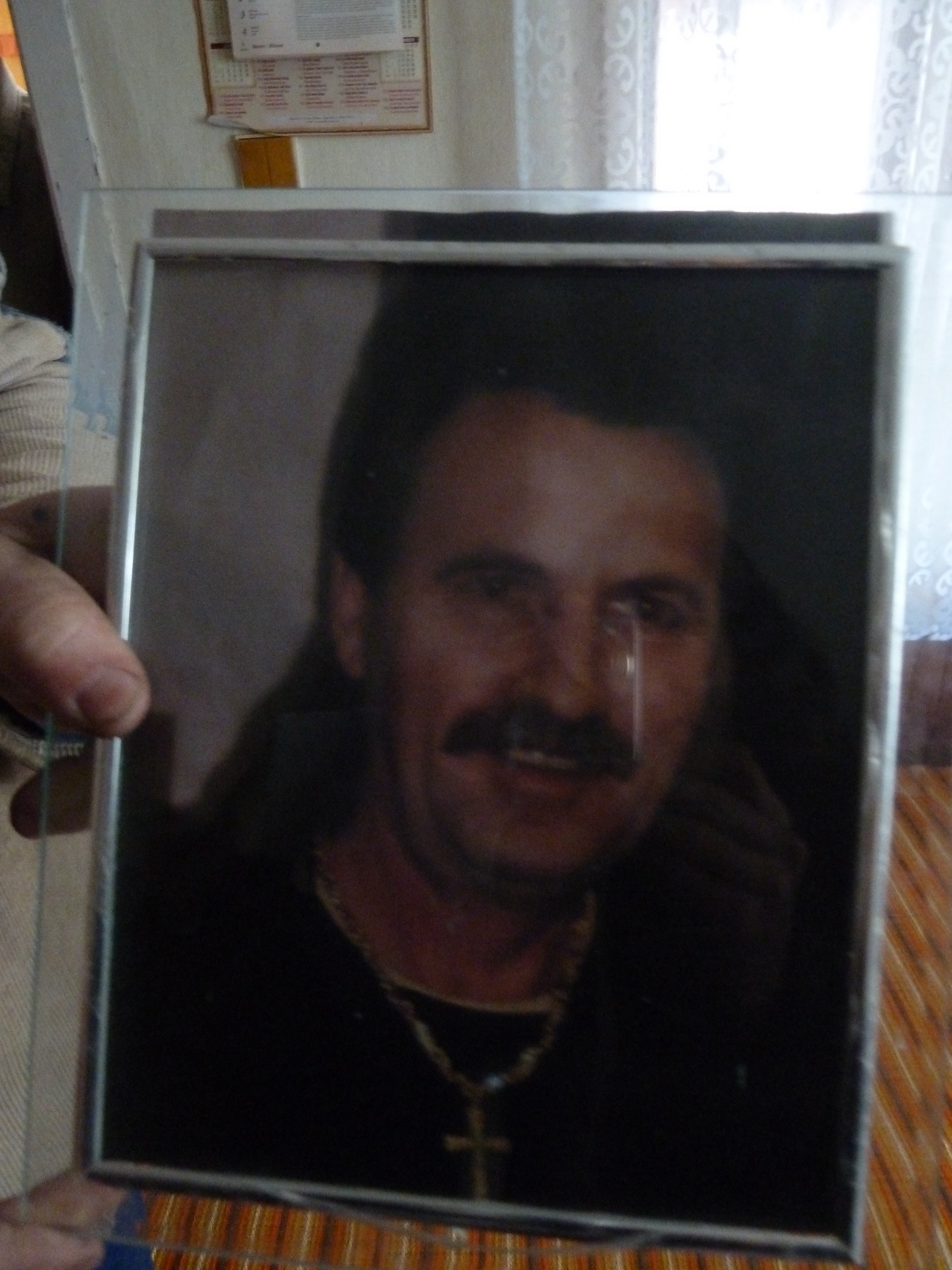
We went back to Mrs. Dobdová’s office to wait for the next bus, an hour away. I showed them Facebook photographs of an American cousin who bore a resemblance to the family. Upon viewing a picture of my dad, Mrs. Dobdová said he looked like her deceased uncle Dušan. Stano showed me a picture of Dušan: similar eyes to my dad’s, the same burly moustache, a 1980s mullet. I had no doubt I had found my family, even if I had not yet found the record.
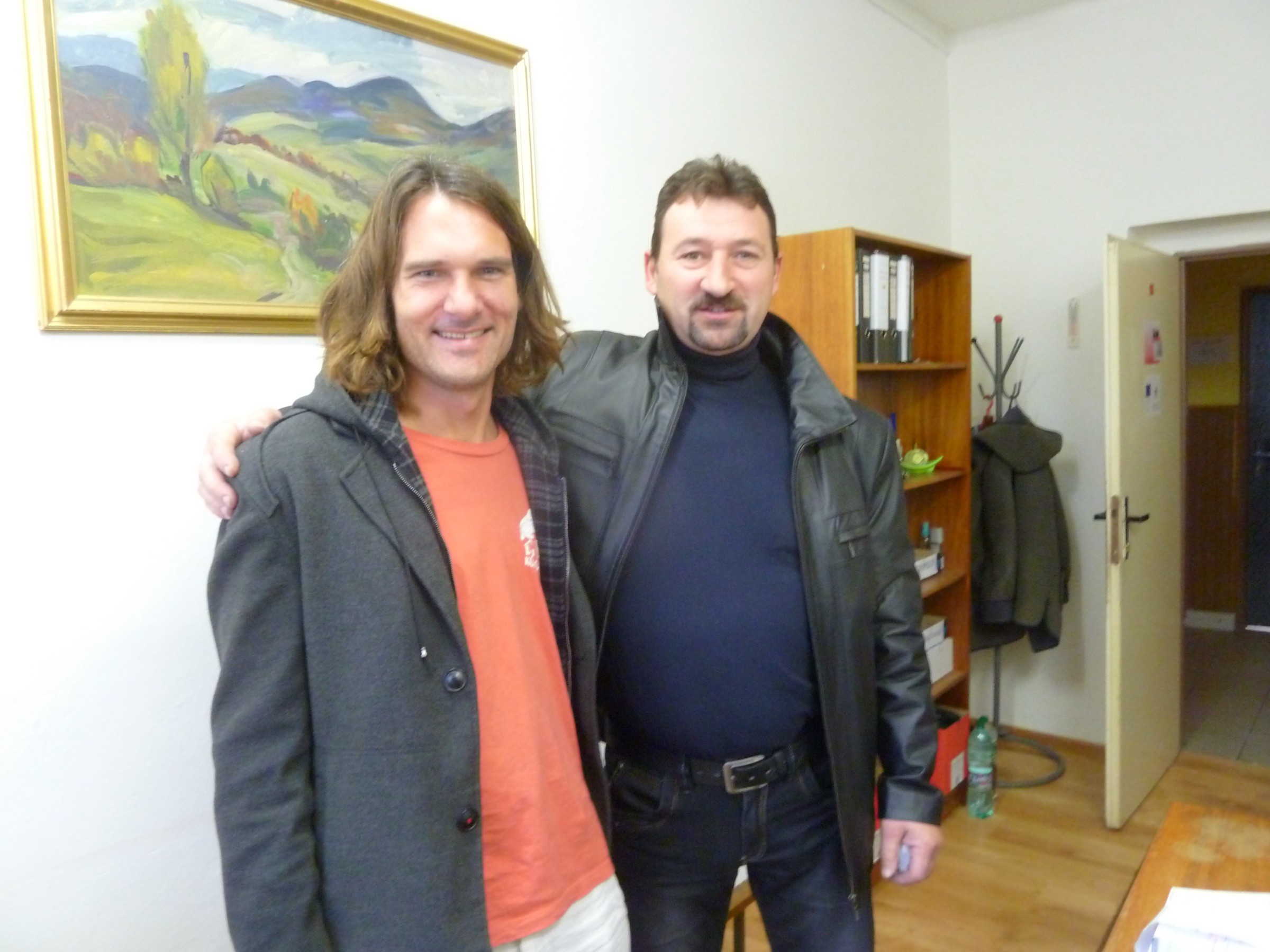
We walked to the sole bus stop in Medzilaborce. The bus took us two villages away. The driver waited an extra minute for an old woman walking to catch it.
The purple book
As we got off the bus in Výrava, a man who was a Dobda by blood greeted us. He had heard I was in town through the phone-call grapevine, and in a village that small he was at our service. By then, word on the street — translated to me — was that they had found the record.
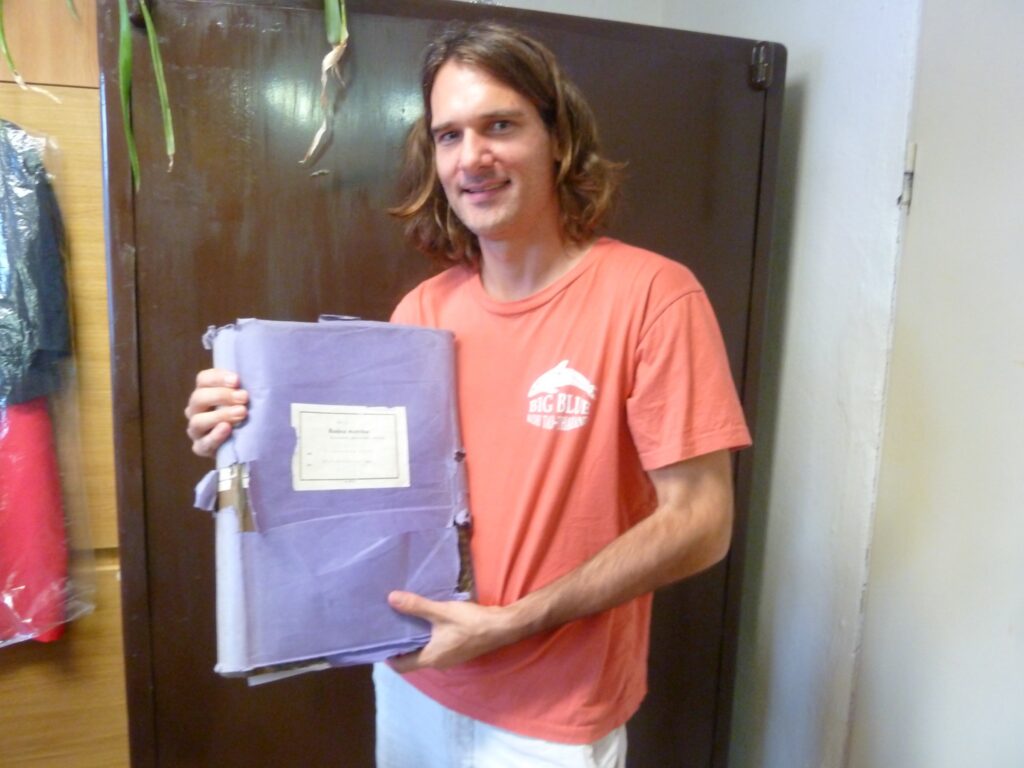
We walked into the office. A woman stood behind the desk. On the desk was a large book with a purple cover of construction paper. Her body language told me that this was the book I had been searching for. She opened it to a page in the middle, and there was the birth record of my grandfather, who had been born within a few kilometers of the spot where I was standing.
Recorded: 1912 June 16. Born: 1912 June 14. Name: János. Gender: male. Religion: Greek Catholic. Father: Dobda, Peter, Greek Catholic, 26, occupation: agriculture. Mother: Jurczo, Anna, 21. Living in: Oľšinkov. Born in: Svetlice.
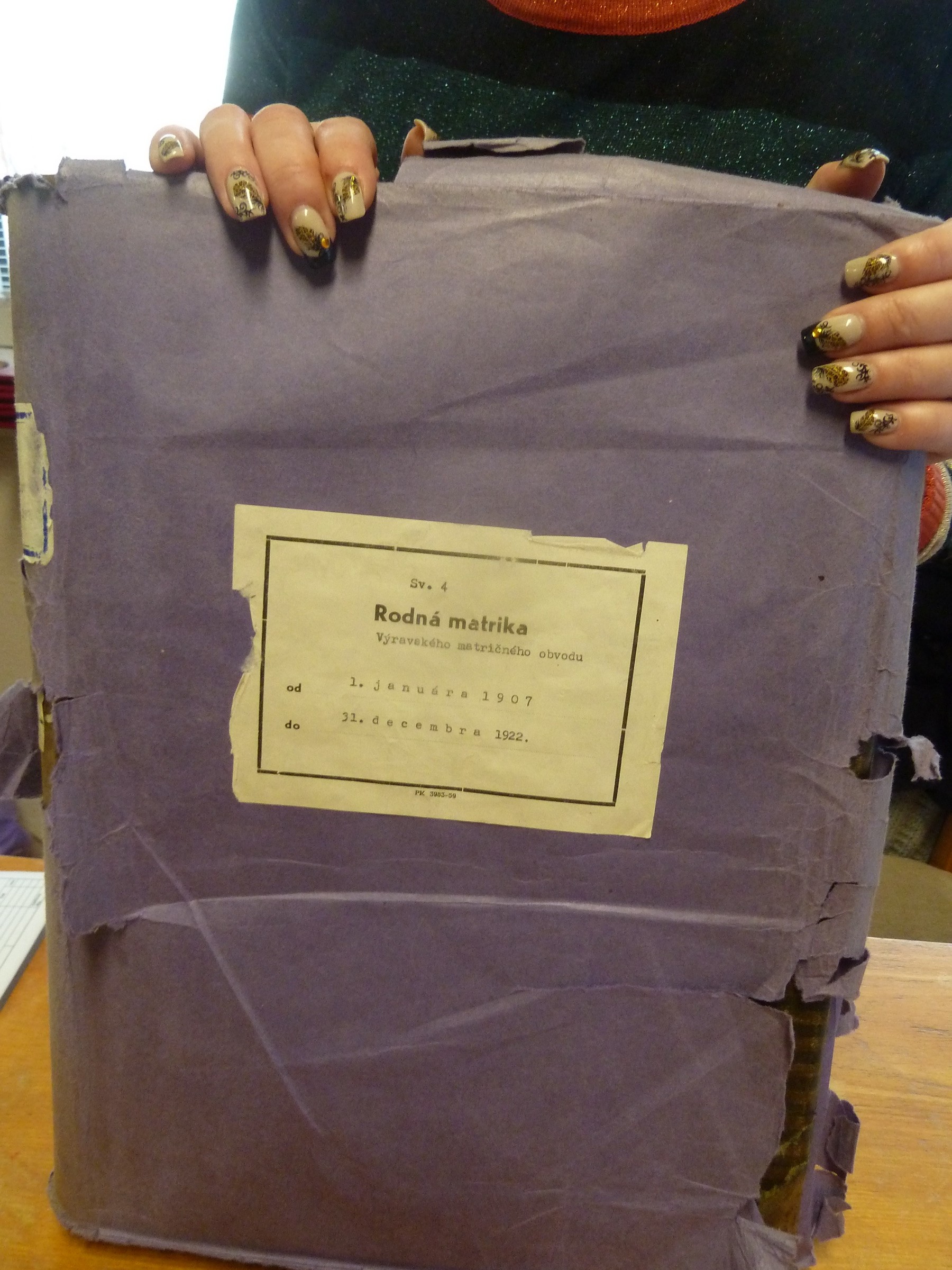
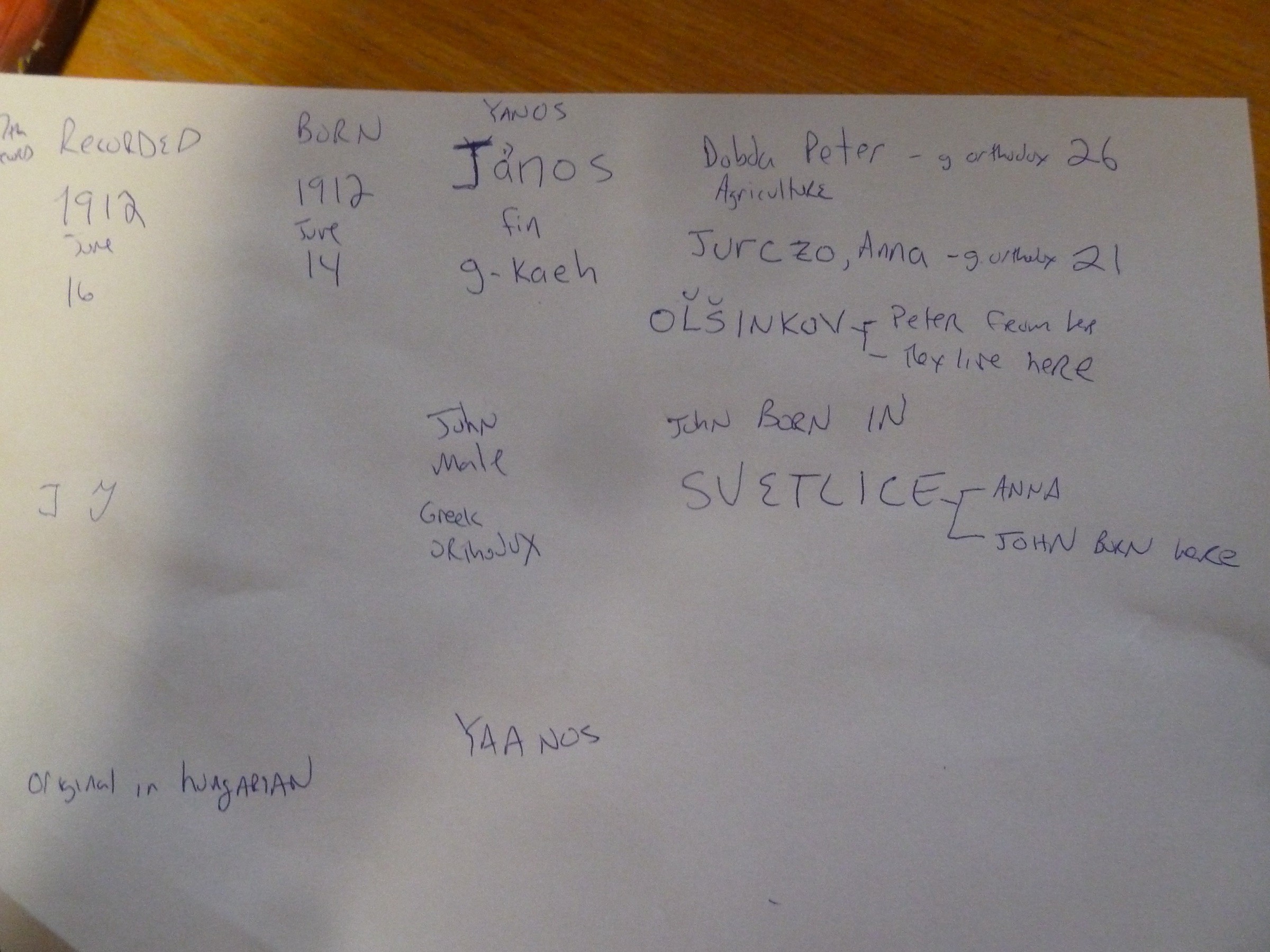
When my great-grandparents brought him to America in 1914, his name was changed to John, but he was born János, pronounced roughly Yaa-nosh. The record was written in Hungarian, the country that had ruled this corner of the earth from around the year 1000 until 1919, when it became Czechoslovakia. Slovakia later split from the Czech Republic in 1993. As for my own nationality, I would probably say Slovak, though Hungarian or Czech might have been appropriate depending on whom I was speaking with, and when. As for where he was born, it was likely at his mother’s parents’ home in Svetlice, a village on the other side of a small mountain pass.
Mission accomplished. I wanted to photograph the record to send to my family, but the woman told me the law allowed the record to be seen only with the eyes. No copies were allowed. That would change in the coming years, as the book was added to a computer archive. Until then, the handwritten record was intact.
The land, and the people who were still on it
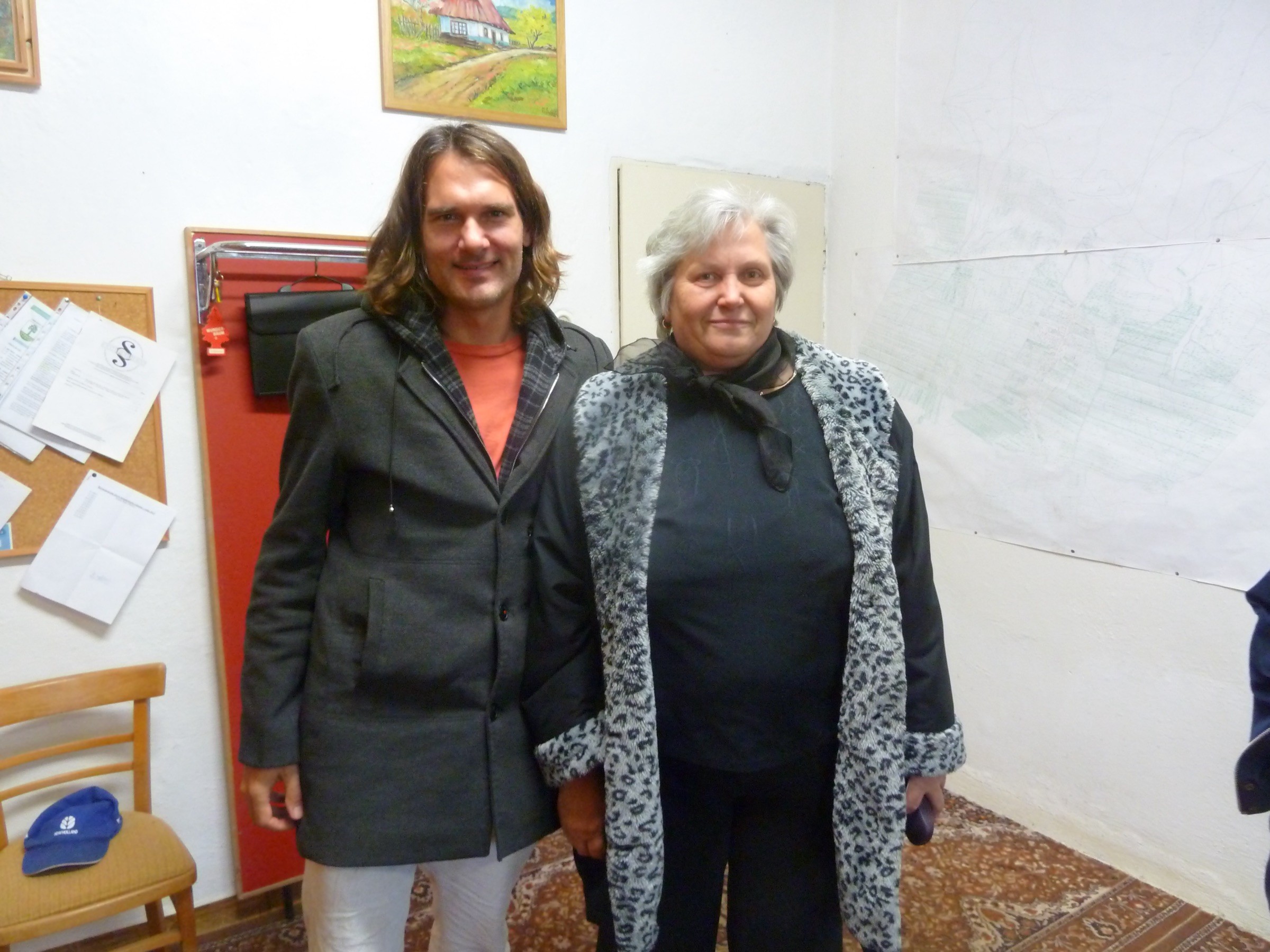
It might have been the end of the story of finding my roots, but by this point several relatives had heard of my arrival, and it was time to meet them. The man who had met us at the bus stop took me to his office a few blocks away, and his mother appeared with pictures and insight. She was my great-great-grandfather’s granddaughter, the eldest person I met that day, a spry 62. She wrote up a fairly complete family tree. I got six generations, from my brother’s children back to my great-great-grandfather. After photographs with her sons, we were off to meet more family.
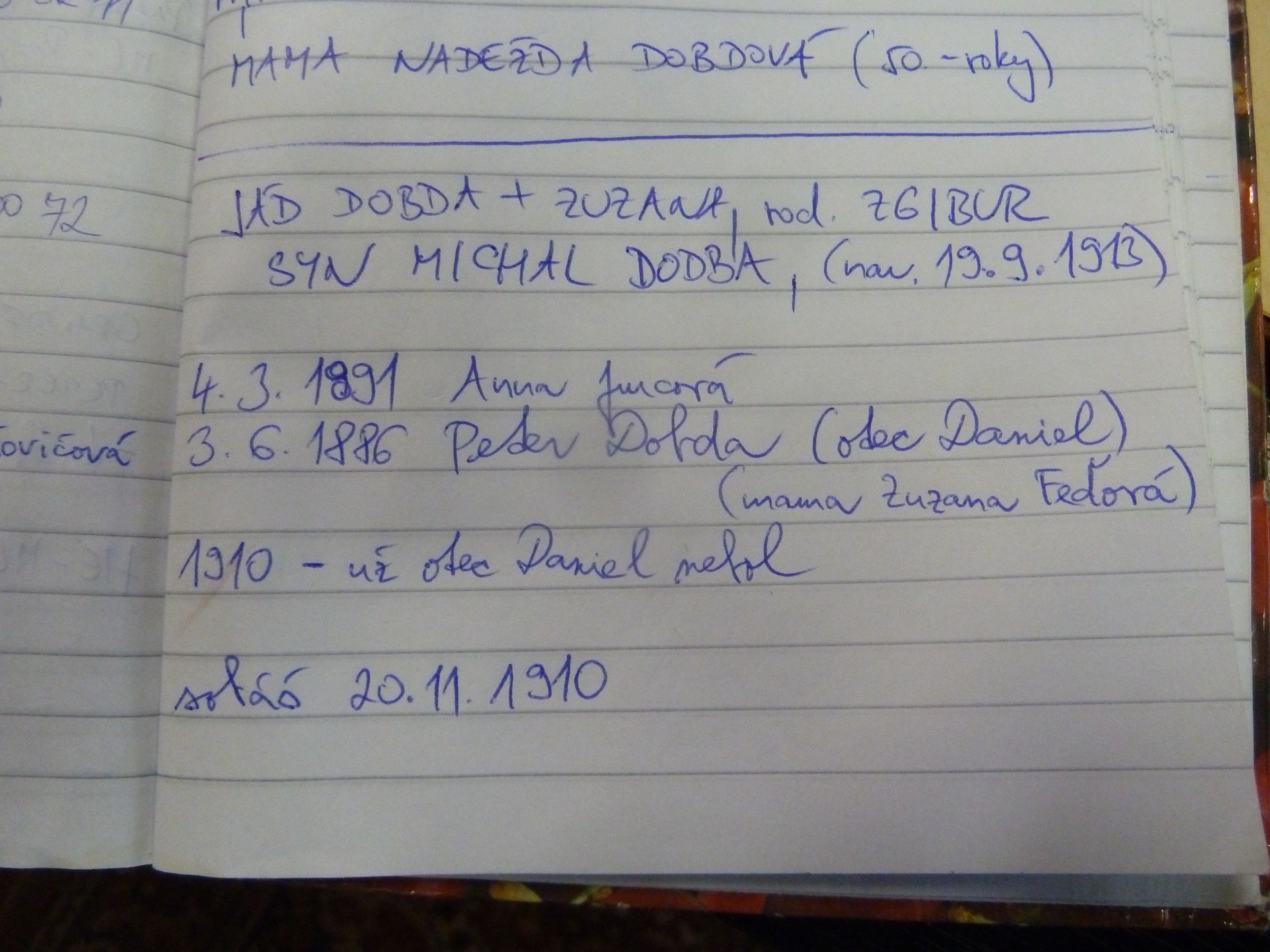
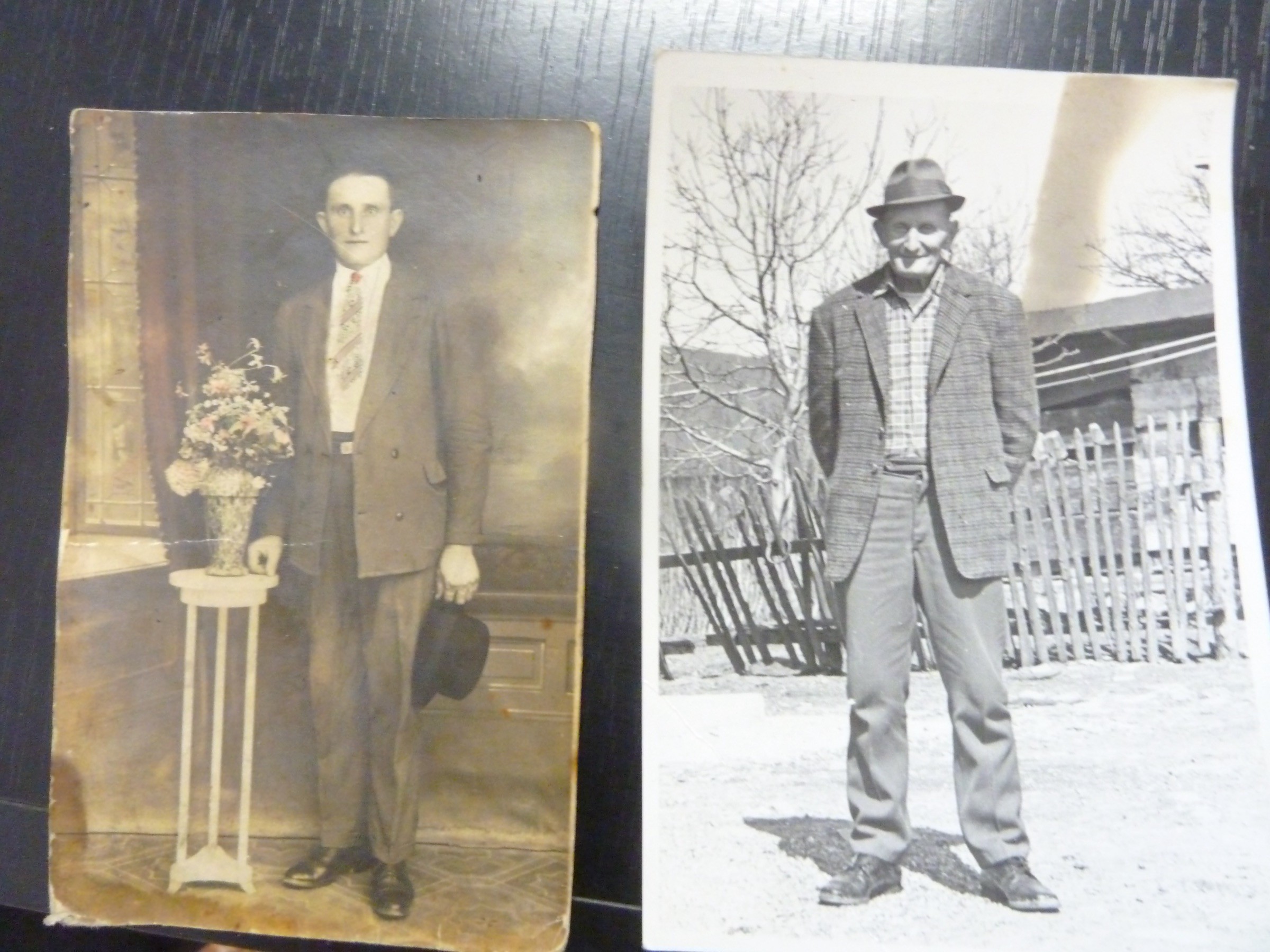
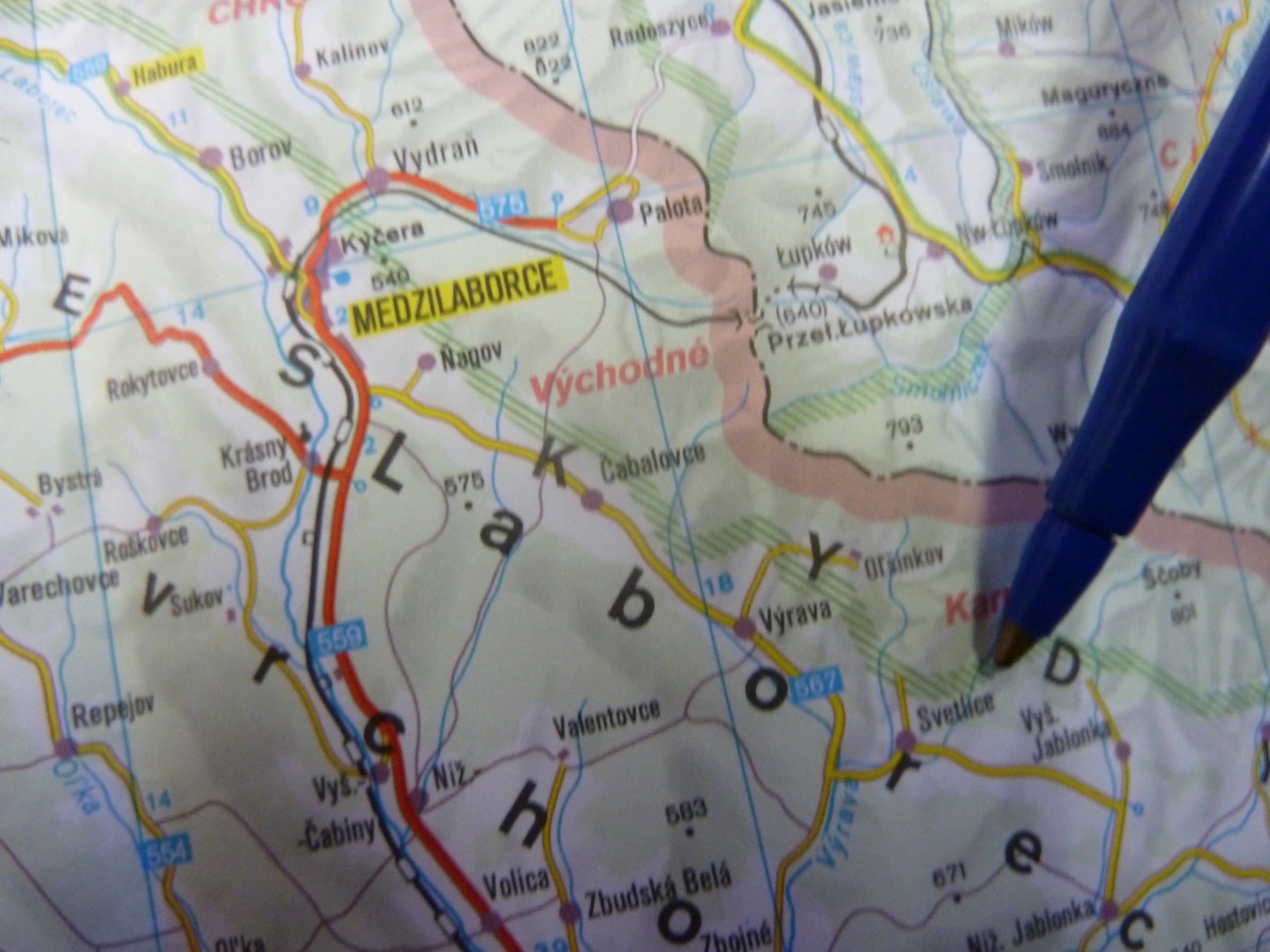
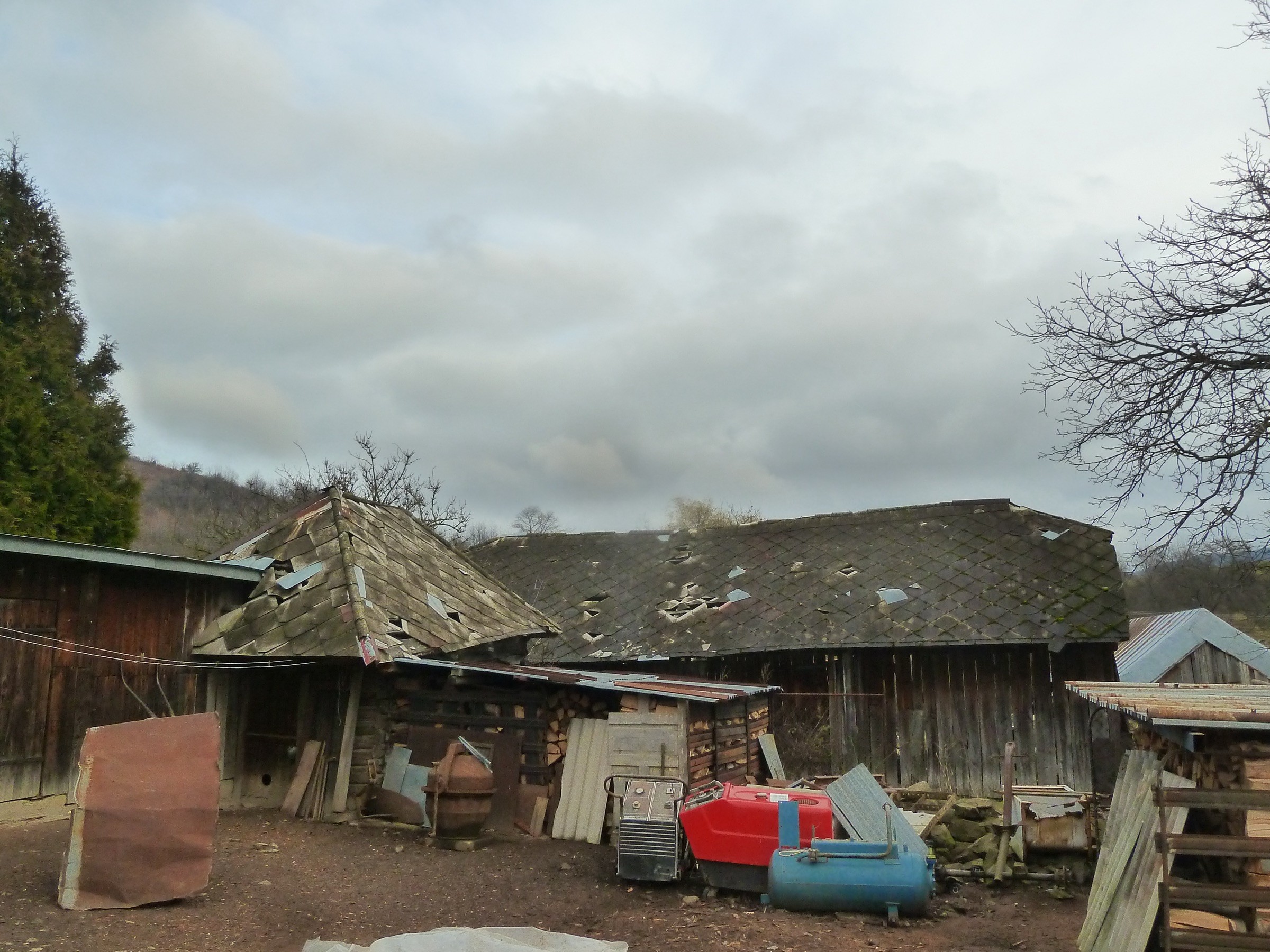
The next stop was the property where my great-grandparents had lived, still inhabited by family. At the turn of the 20th century, a few Dobdas had all lived as neighbors on a street in the center of Oľšinkov. The properties had been passed down, and I had made it back. The house itself had long been demolished. What remained was the front yard, now with junk piles and roaming chickens, the way my grandfather had kept chickens in the 1980s. My brother wanted a soil sample to bring back to the States, but he didn’t give me the request until the next day. Instead I took a few deep breaths and stood there, two-thirds of the way around the world, on the spot where my great-grandparents had lived more than a hundred years earlier.
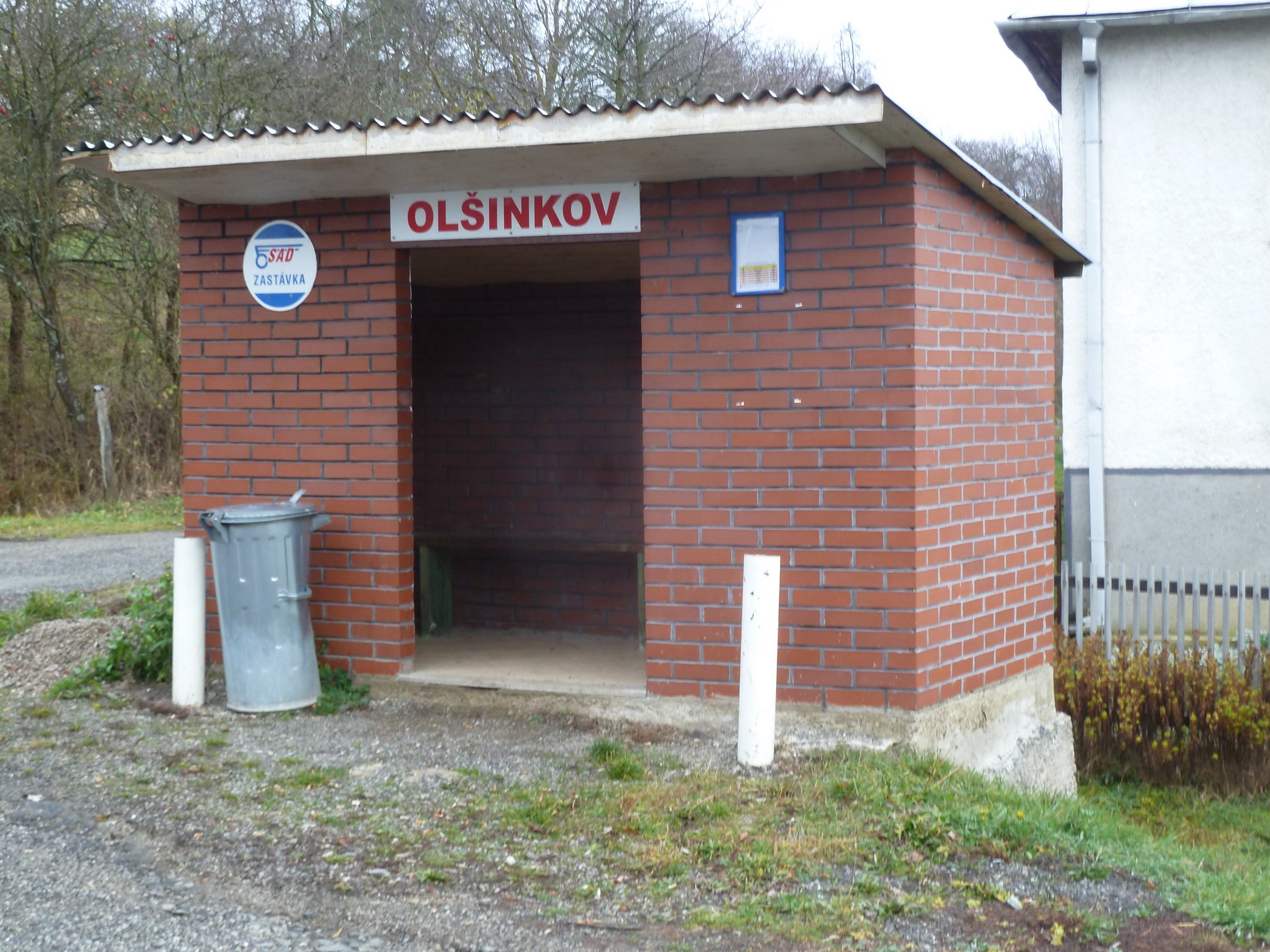
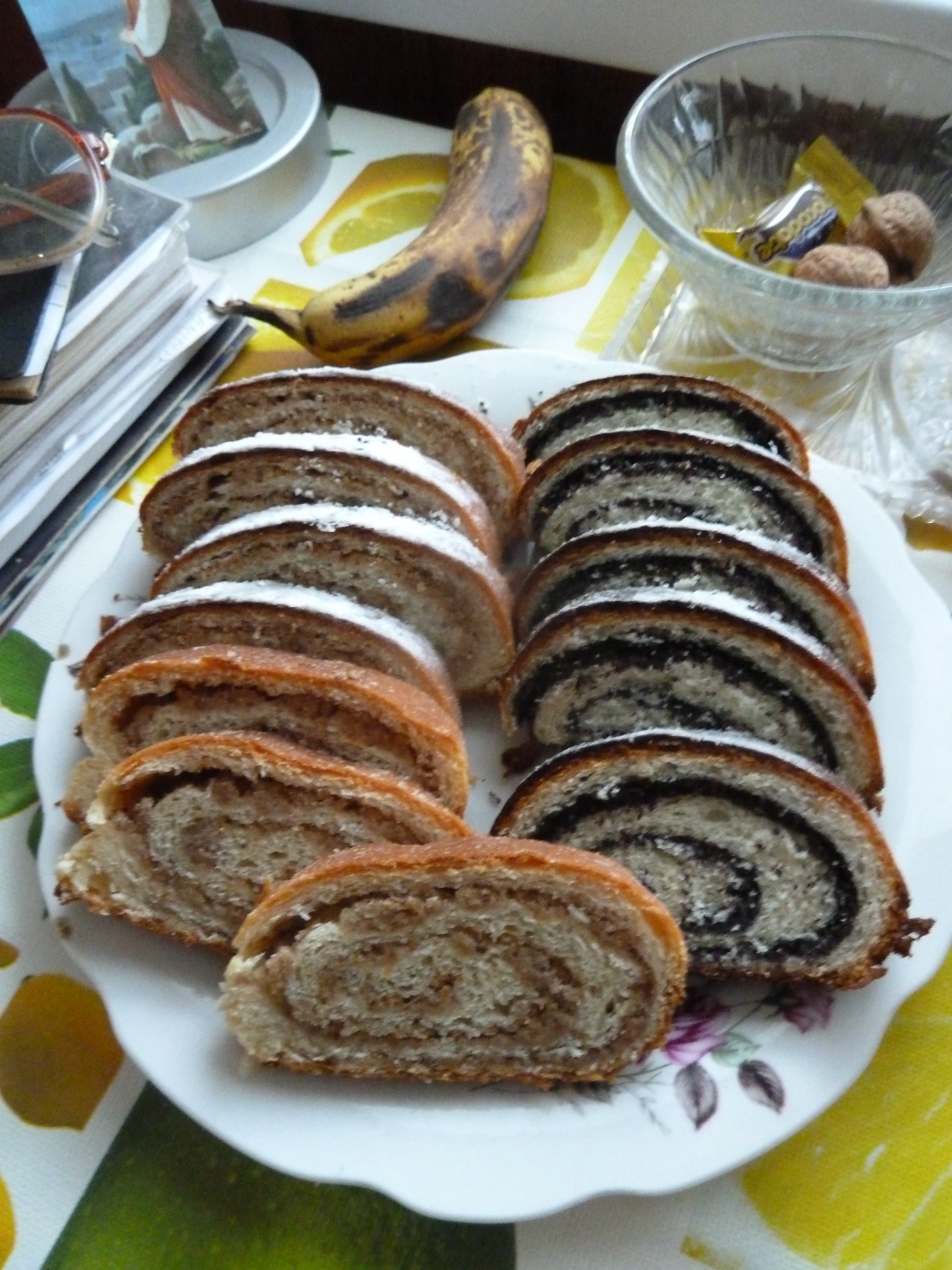
We headed to another Dobda house for an impromptu family reunion in honor of my arrival. At the house I was flabbergasted when I saw a poppyseed roll that looked and tasted like the recipe my grandmother had been making since I was a child for special occasions. The previous day had been a Slovak holiday, so a roll was left over. By the end of the afternoon, most of it was in my stomach.
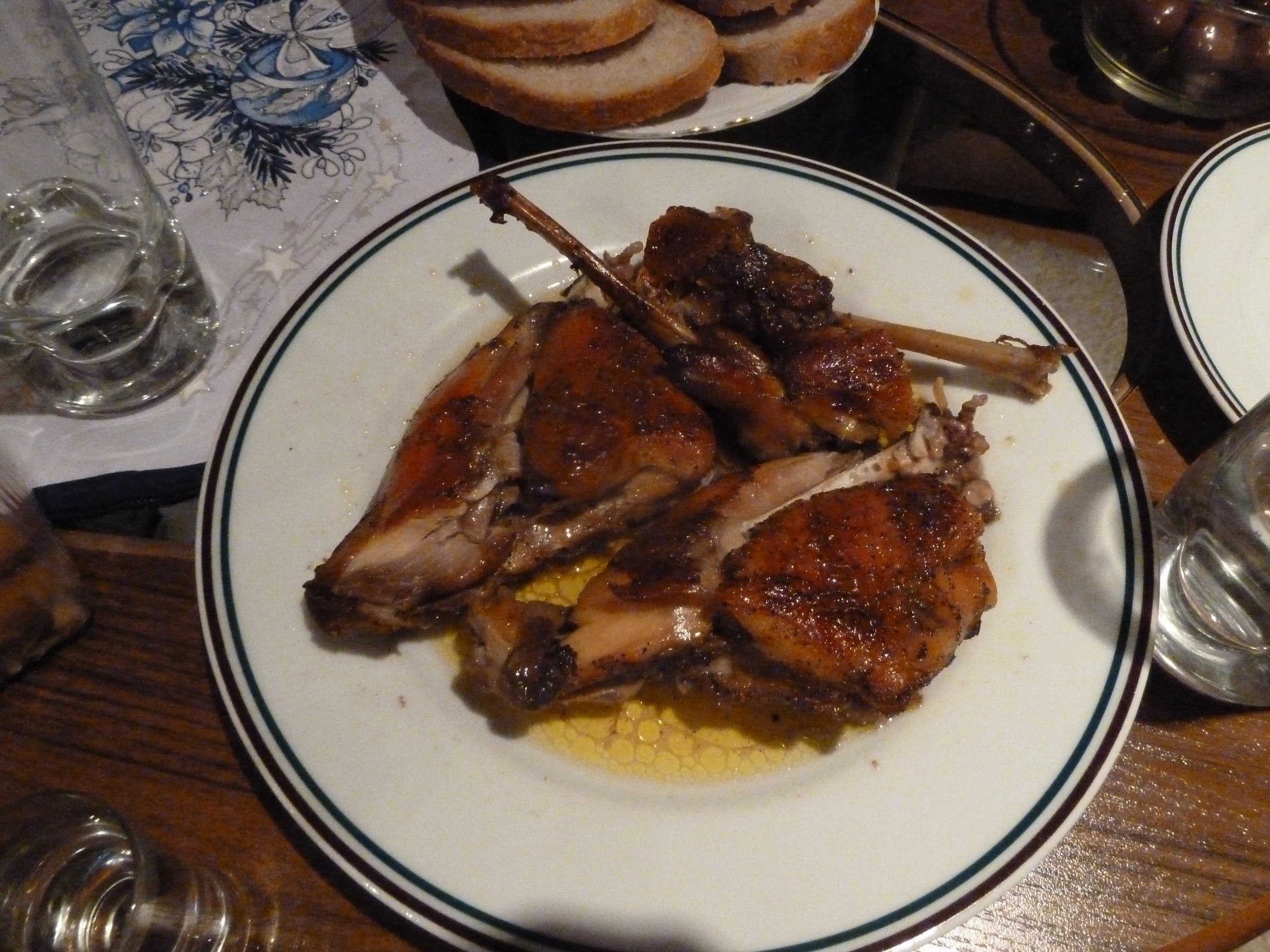
We browsed photographs and analyzed the family tree. My family spoke only Slovak, so all conversation went through Alex. He graciously acted as translator and had several side conversations along the way. Eventually Stano started pouring Borovička, and we ate a recently caught roasted rabbit. By the end of the gathering I was warm from the food and the drink, and from finding a long-lost family of kind people. We took a field trip to some cow farms run by the family.
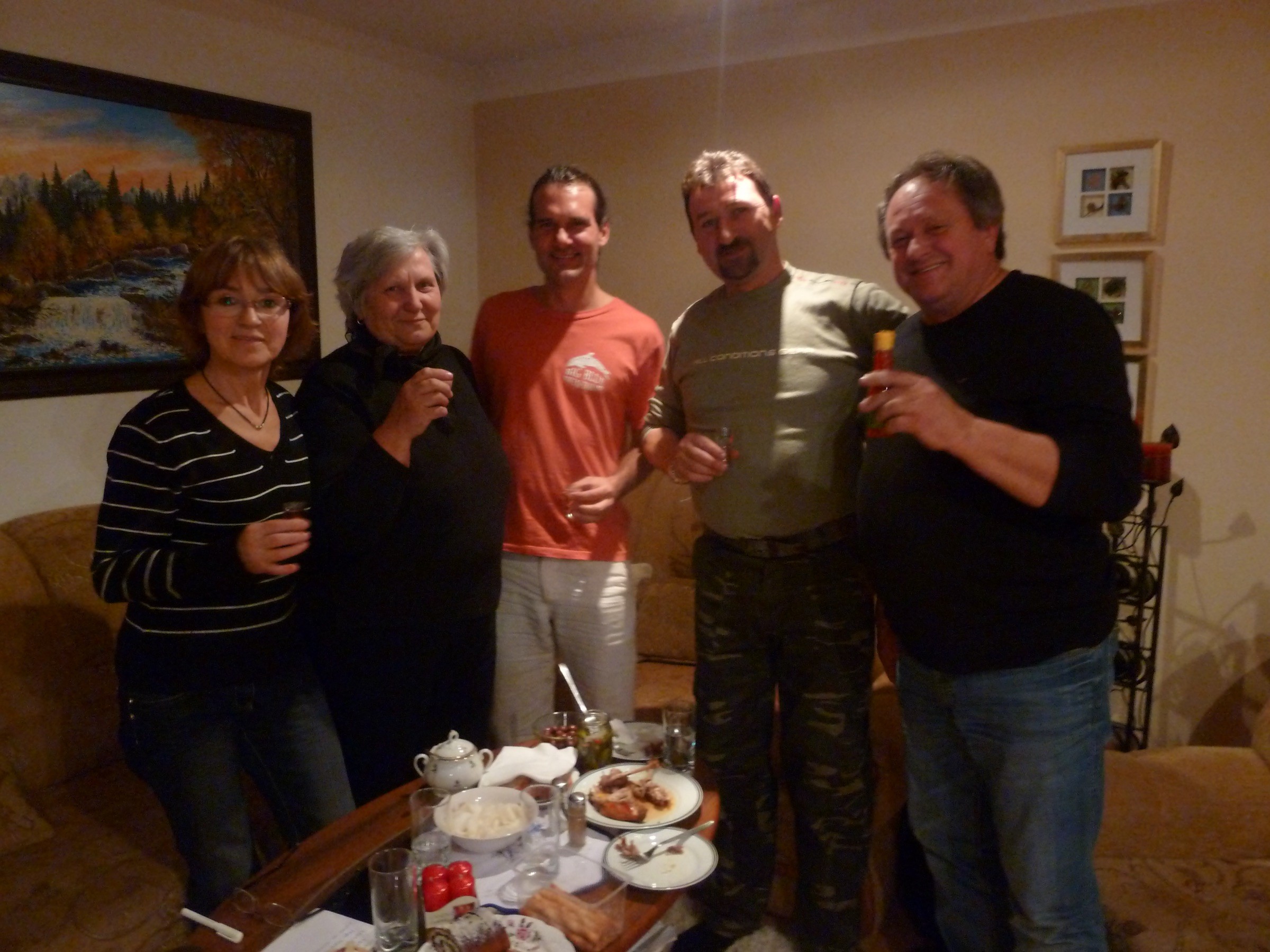
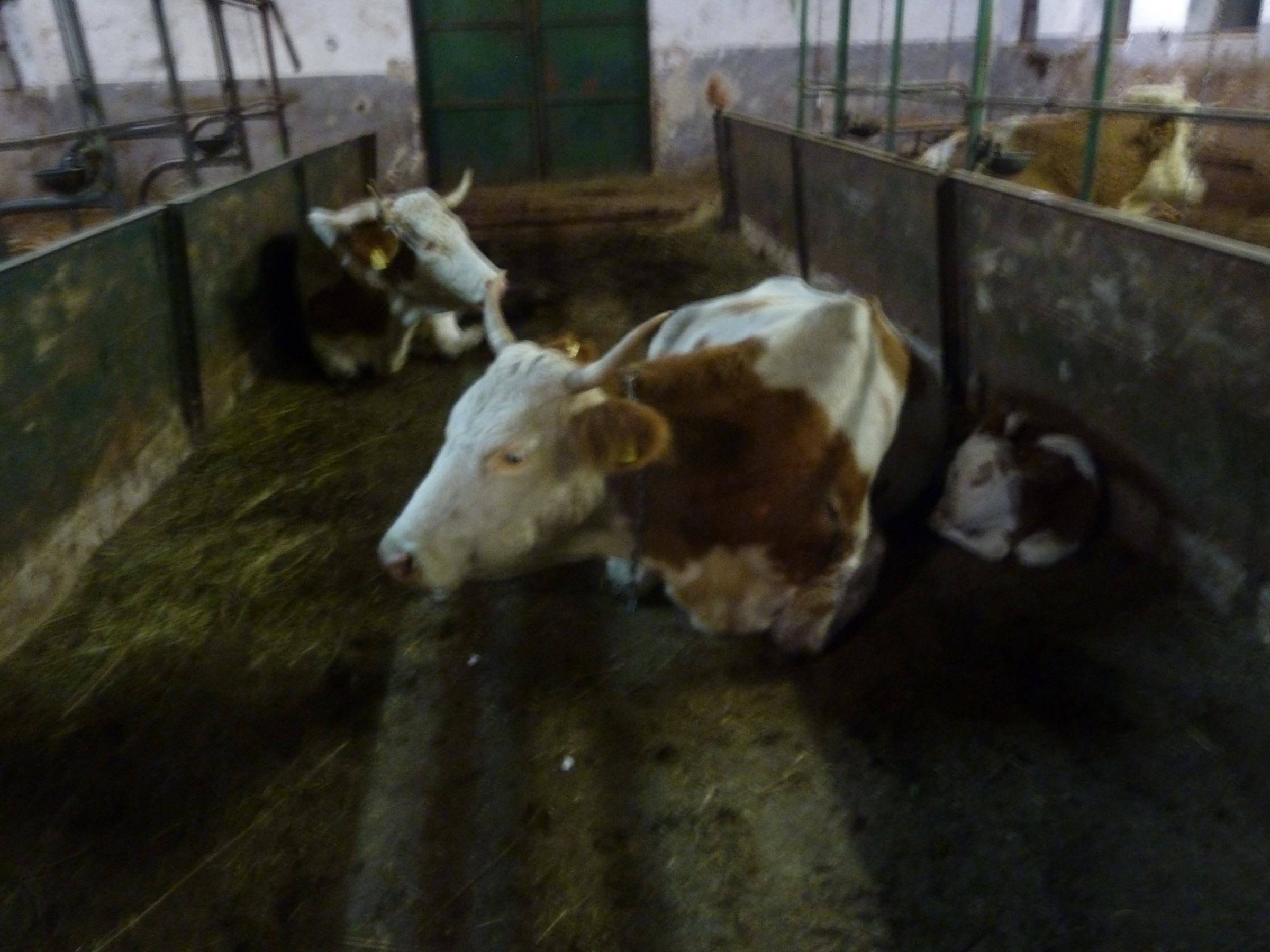
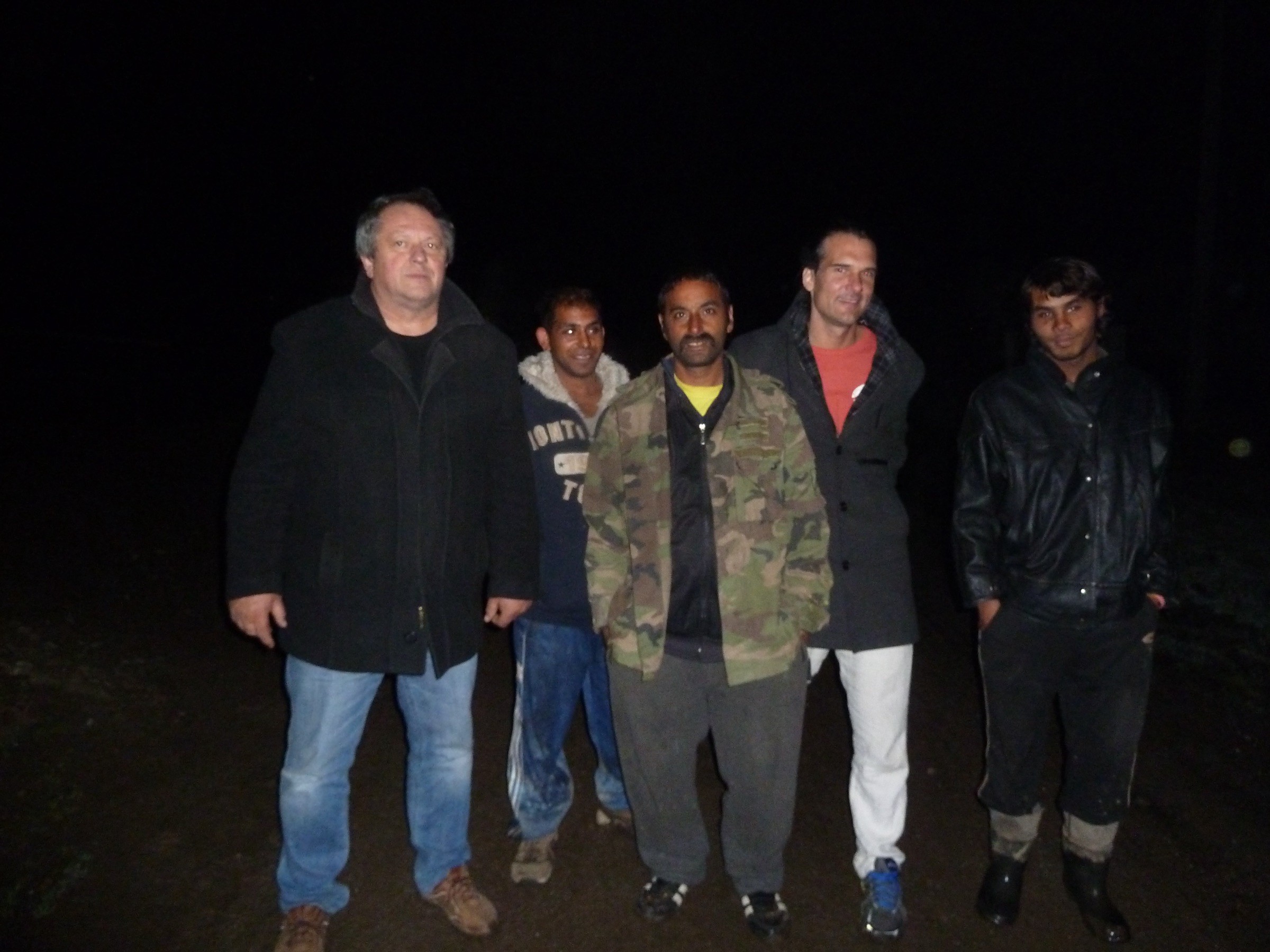
Out in those parts of eastern Slovakia, subsistence and small-to-mid-scale commercial farming was still a way of life. The fact that the whole family could gather on a random weekday afternoon to meet a relative from abroad, at a moment’s notice, said a lot. Depth of relationship still mattered here; in some cultures it is the most important thing. When they said “Na zdravie!” during a toast, they looked each person in the eyes.
Around 6 p.m. it was time to catch our trains back to Prešov. In Medzilaborce we stopped outside the Andy Warhol Museum. Like me, Andy Warhol was born in Pittsburgh. His mother was born in the nearby Slovak village of Miková. After another round of Borovička, Alex and I boarded the train, with a connection in Humenné. At the Prešov station, one more relative introduced himself. The family had told him I was arriving, so he stopped by to say hello.
In the days that followed, I posted pictures and a family tree on Facebook. Several cousins from around the world friended me. Suddenly my family had grown through the experience.
Prešov, and a ride to Poland
The next day Alex was busy with Ph.D. commitments and a dancing ball that night, so I swapped hosts to Ileana, whom I had met on my first night in town. Their free time complemented each other. Into live music, Ileana found us a club in the small college town, and we spent Friday night watching Walter Schnitzelsson. I went to bed with a clear head.
The next day her parents heard she was hosting an American, and they wanted to meet me. After we slept in, we showed up around lunchtime. After a traditional Eastern European lunch, out came a homemade brandy, made in honor of her father’s 50th birthday ten years earlier. They had been saving the bottle for a special occasion, and I was lucky enough to be that occasion. We got into political and spiritual discussions that afternoon.
“Say something,” Ileana’s mother asked.
“You create your own reality with your thoughts, your words, and your actions,” I said.
When the talk turned to the slow life of eastern Slovakia, I got a taste of how some people viewed Americans. “I do not appreciate Americans because they do not appreciate what is human,” her father said, meaning the lack of depth in acquaintance relationships. We talked about those lists of deathbed regrets, and how a yearning for deeper relationships with family and friends always seemed to top them. I had about a thousand Facebook acquaintances and, at any moment, under ten close friends.
We also talked about the ever-present American smile, no matter how bad things were. Among Slovaks and Poles, the opposite was common. Expressing joy and gratitude could be seen as undesirable, a vestige of the communist era, a time when everyone tried to look as if they had no more than anyone else. It could become a game to show who was more miserable. I told Ileana I liked the idea of creating a positive vibration. Even if a smile was out of harmony at first, it framed the future.
We moved to politics: in the communist era, product quality had been defined by the state, until it was discovered that the state’s quality recommendations were political. During the collapse, price became the determining factor. Cheaper was better. Afterward, Ileana stayed sober enough to take me for a pizza. We had views from Vodárenská veža, the water tower, and from the summit of Kalvária Prešov, near Kostol svätého kríža.
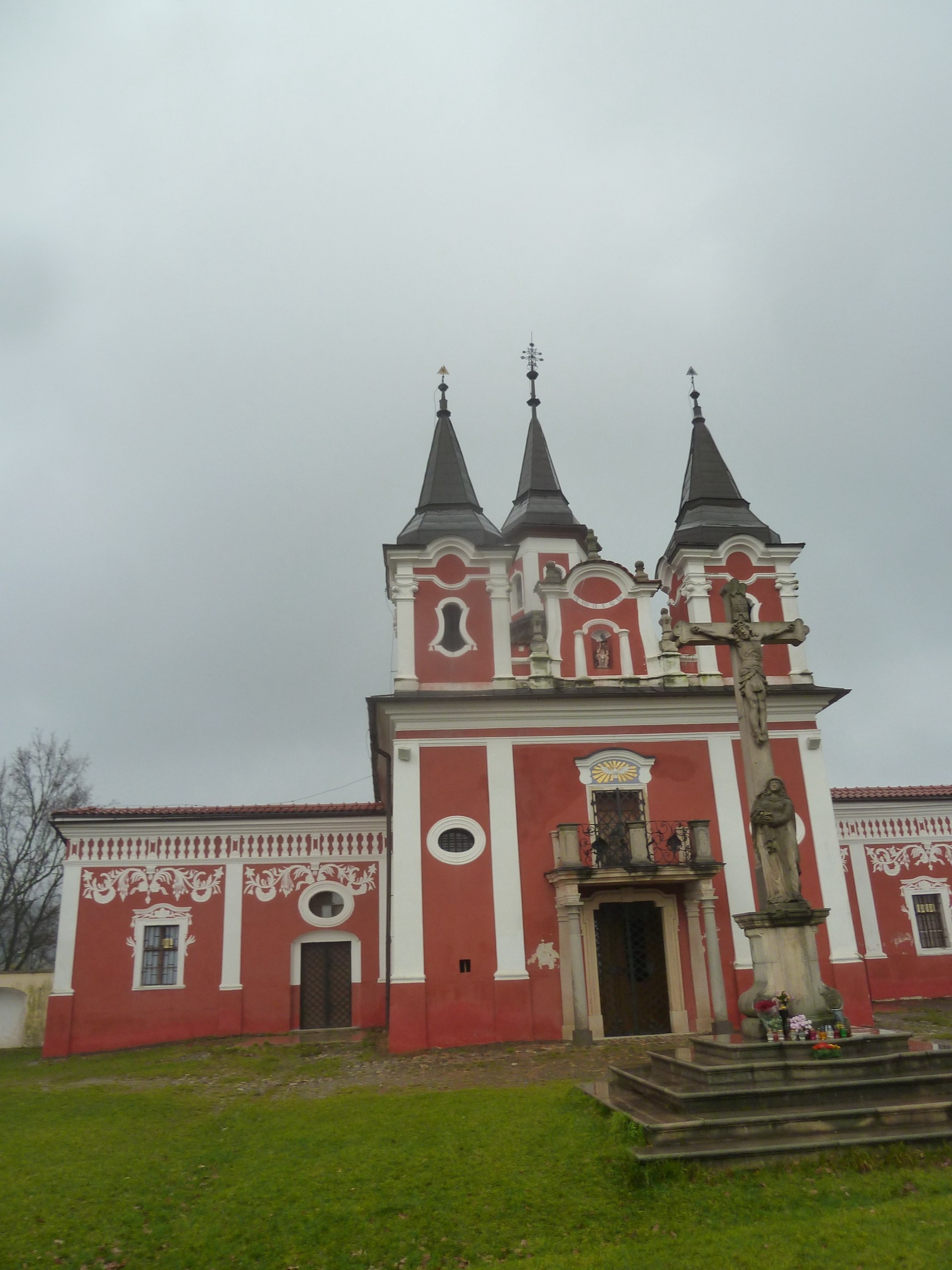
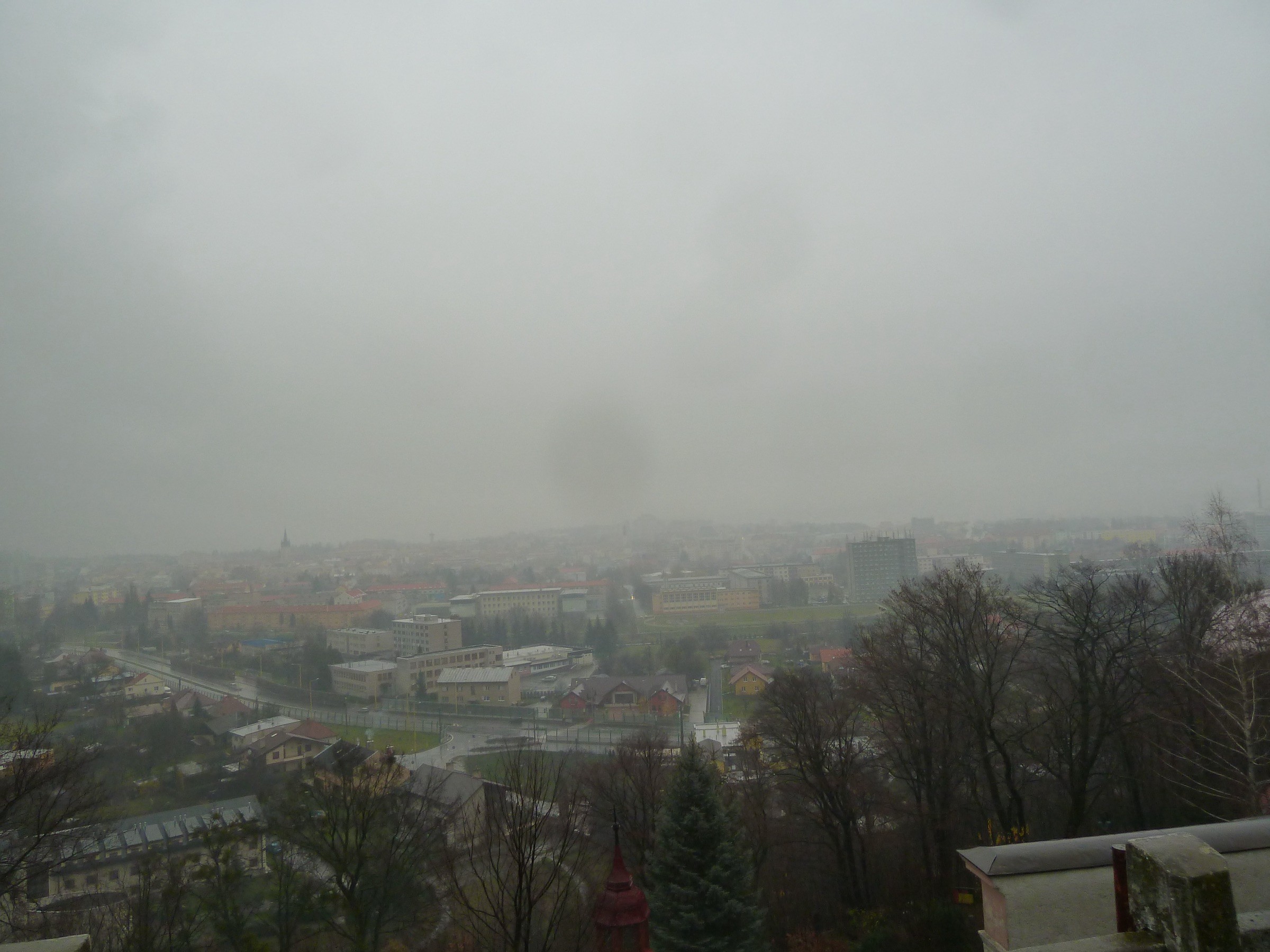
Another piece of timing got me to Kraków the next day. It just so happened that a friend of Alex’s, also earning a Ph.D., was driving from Prešov to Kraków on the very day I had originally intended to make the trip. A pair of other riders and I paid 14 euros each for petrol, and we had acquaintance chatter in rough English along the way. Public-transport options were sparse; without knowing locals it might have been hard to get from Prešov to Kraków at all. It was not actually a coincidence. It was all part of the same pattern that had opened the purple book.
If you want to find your own roots
I did not come with a professional genealogist or a paid database. What worked was smaller, and slower, and very local.
Start with the family conversations you already have, and with the odd details that do not quite fit — a late Christmas, a language that sounded like Russian, a funeral comment that named a town. Search your last name online and on Facebook before you go, and write to the people who share it. I had been in touch with Milan years before I got on the train.
Post an open request in the region, not only in the one city you think is the answer. A local host who will translate is worth more than almost anything else when few people speak English. Alex did not just drive me to an office; he talked us through a refused American driver’s license, a gendered surname, a phone call to the next village, and a long afternoon of family conversation I would have smiled through in silence.
Go to the hall of records in the town you think is right, with the birth date in hand, and be ready to be sent somewhere smaller. The first book we opened did not have János. The second one, two villages away, did. Last names may have suffixes you will not recognize — here, -ová on the women in the family. Officials may not accept the ID you expect, and they may not let you photograph the page. Write the facts down. In a small village, word travels faster than a bus; the man who met us at the Výrava stop already knew why I had come.
The record is only half of it. The people who still live on the land will fill in the rest, if you let them, and if someone can help you hear them.