My host in Hong Kong was pretty unbeatable, but the people who showed me around Singapore were nothing short of fabulous.
It almost didn’t work out. My Couchsurfing host, Gemma, learned just before I arrived that the pipes were leaking inside the walls of her parents’ house, where she lived, so her whole family had to move out for a week of construction. By the time I left Hong Kong, I had a couch only for my last two nights. Gemma and I agreed the universe would provide the rest. Sure enough, when I got off the plane, my inbox had a message from someone offering a place to stay. Gemma picked me up at the airport anyway, took me out to lunch, and gave me a crash course in the strange economy of her country.
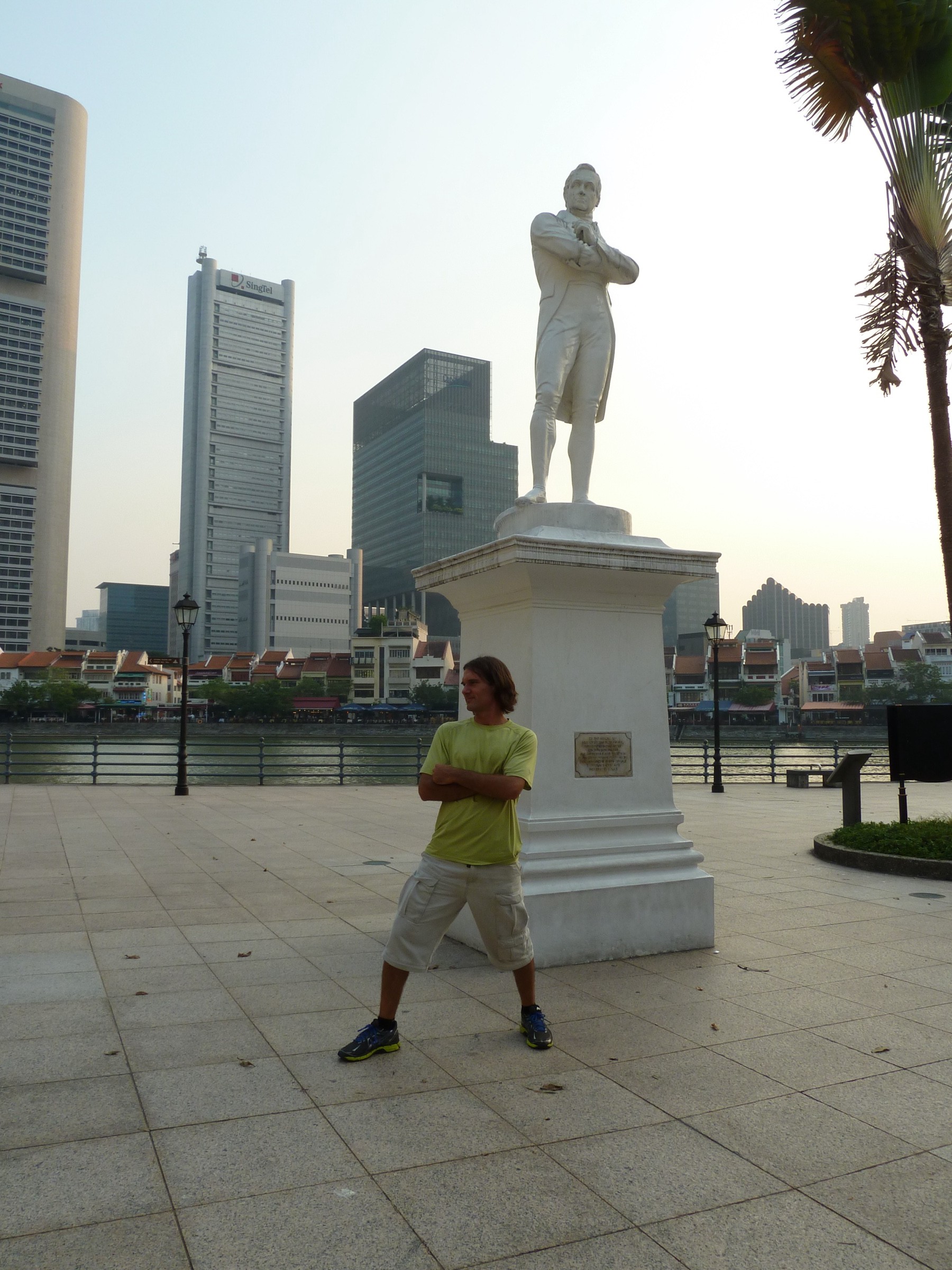
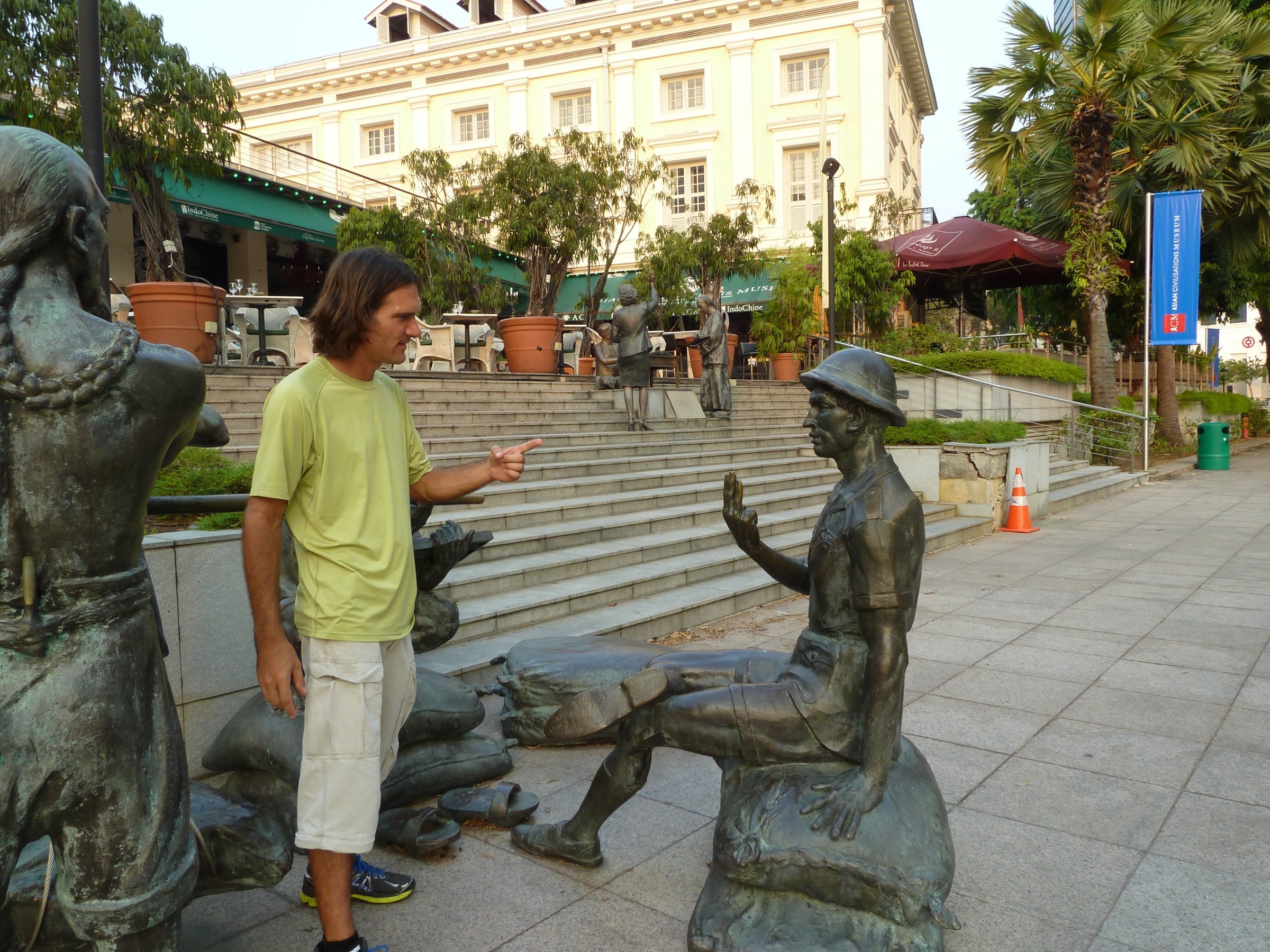
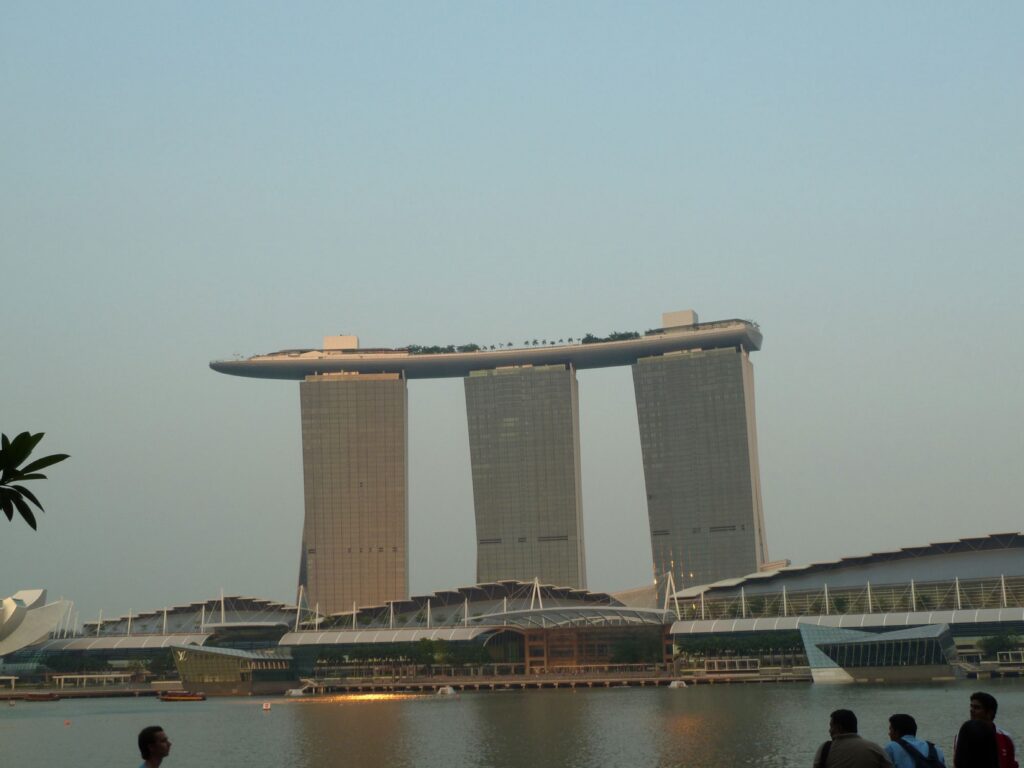
Singapore is small. Every flight in and out is international, so customs sits right next to baggage claim. Much of the land has been reclaimed from the sea, and Malaysia lies just across the water to the north. It’s packed with people.
The price of a car
A $20,000 Toyota in the US would cost a Singaporean about $300,000, once you add the taxes and the special license you have to buy for each car. Then, after eight to ten years, you have to scrap it and pay it all again. You can keep a classic, but the fees are even higher. The rules are supposedly there to keep the air clean, but somebody must be making a buck or two on the deal. Being a former British colony, they drive on the left.
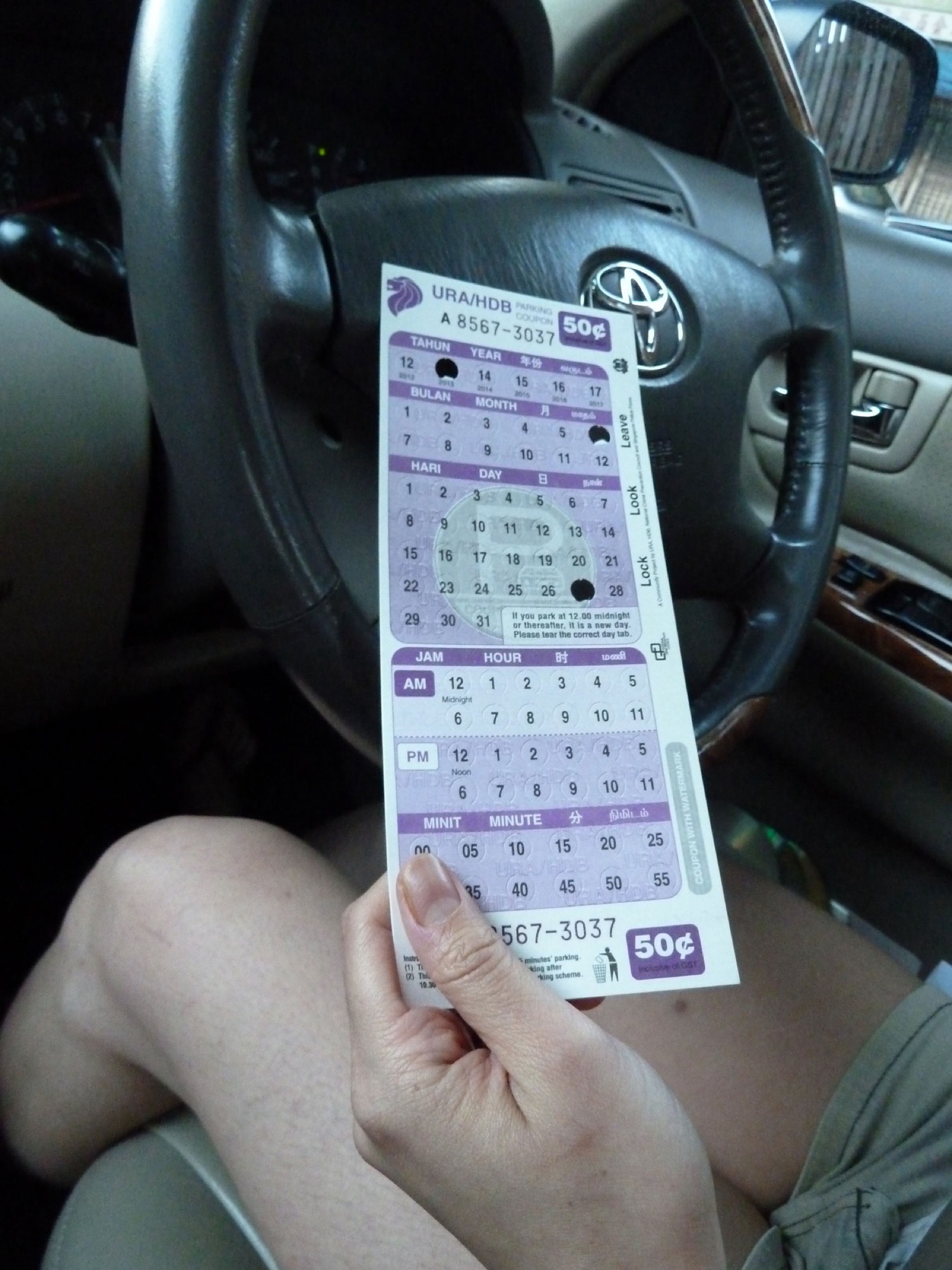
Oddly, parking is cheap, paid with pre-printed tabs you punch instead of meters. Housing is not. Much of it is government-built flats called HDB flats, and when a new complex launches, you can buy one at the subsidized price only if you’re married. Someone had recently paid 673,000 for one and sold it for about 950,000. I was told that if you put down a deposit and then propose to your girlfriend and she says no, you lose the deposit. Like in South Korea, there’s a lot of pressure to marry by your late twenties.
There’s a fine for that
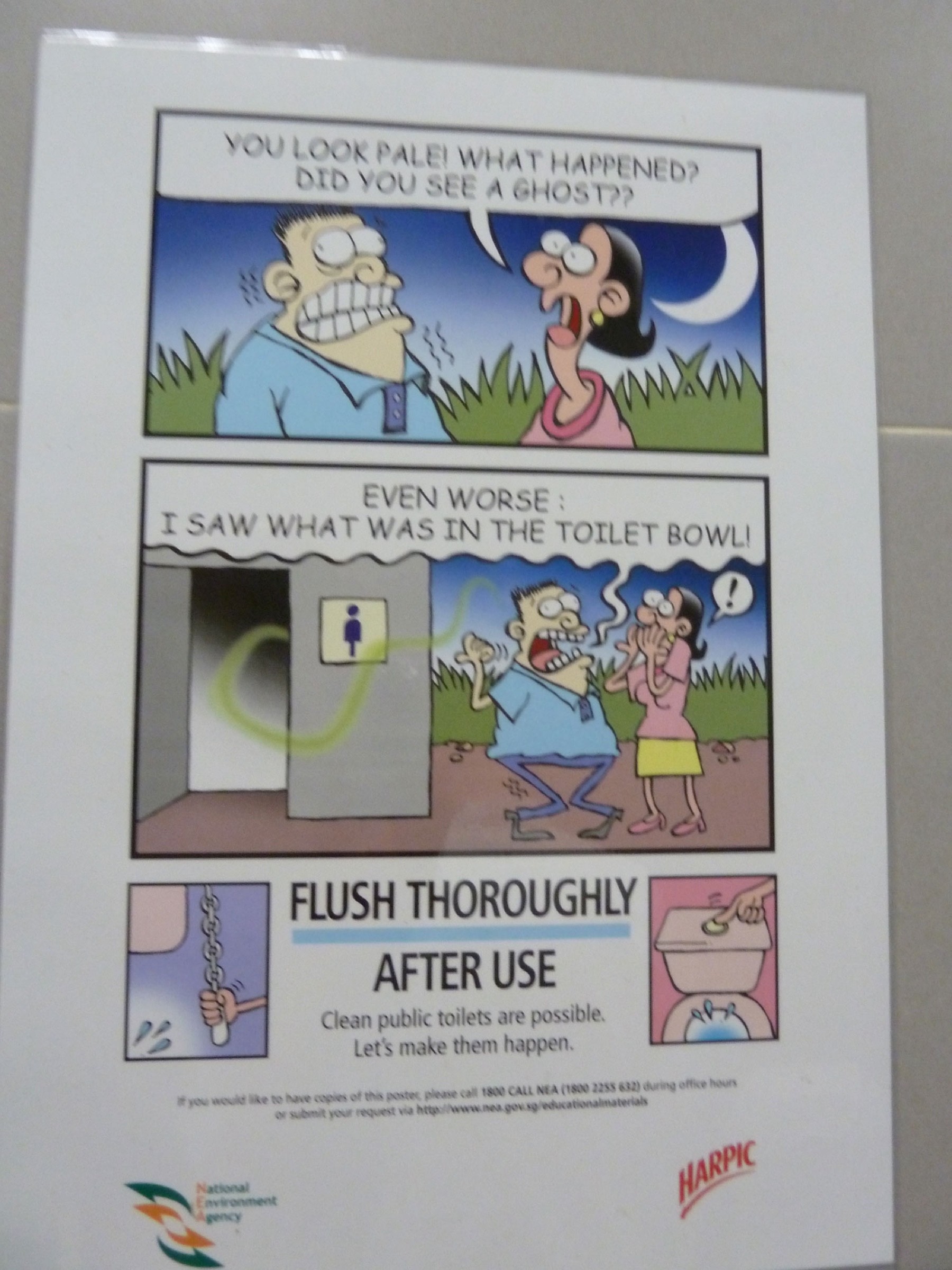
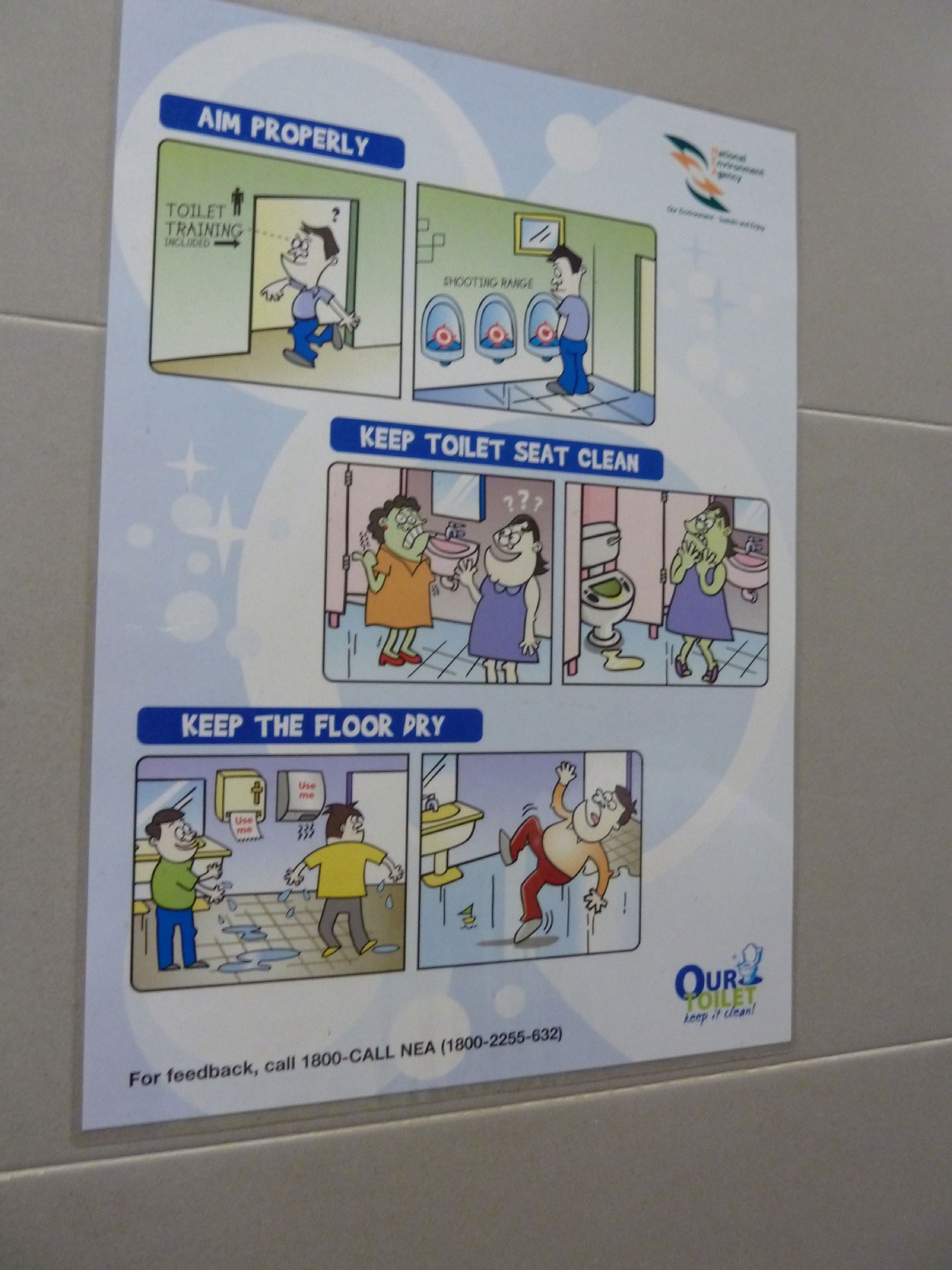
Singapore’s government has a huge habit of telling its people what to do. Signs in the bathroom remind you to flush. Signs on the train remind you not to block the doors. Spitting on the sidewalk is against the law. When you arrive, the back of your entry form warns you about the death penalty for drug trafficking.
I heard chewing gum was illegal, but then I spotted some on my van driver’s dashboard. He explained that it’s legal to chew but illegal to sell. Eating or drinking, even water, is strictly prohibited on the MRT. You definitely can’t swim in the river. They call it “the fine city” because there’s a fine for almost everything.
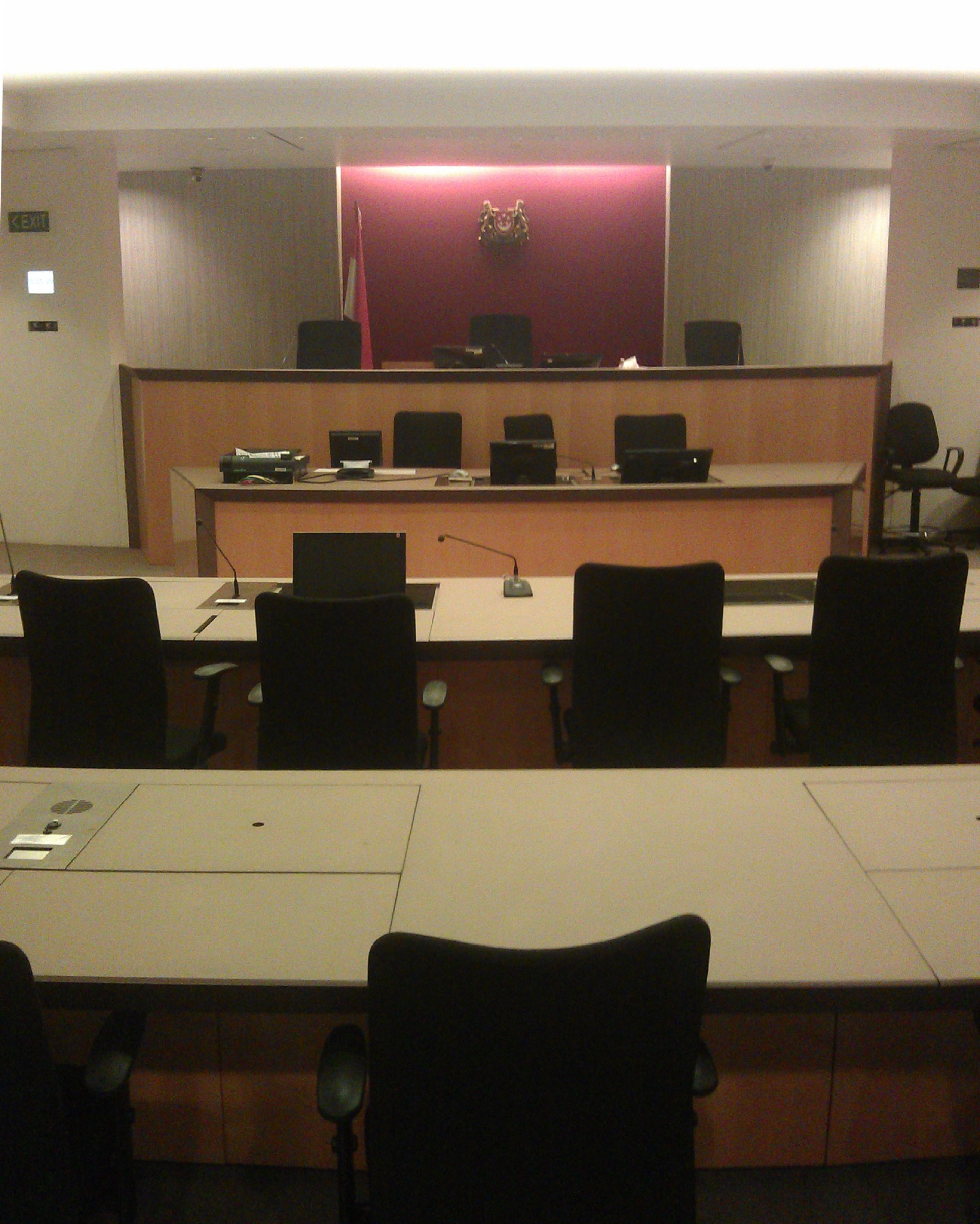
I visited the Supreme Court, just to see what it was like. It was where the American who got caned met his sentence.
My best guess for all the rules is that Singapore is a melting pot of so many cultures that the government wants everyone on the same page. There are four official languages: English, Malay, Mandarin and Tamil. Locals also share their own common ground, a blend of English and everything else called Singlish, which the government was trying to stamp out in favor of “proper” English.
Melting pot
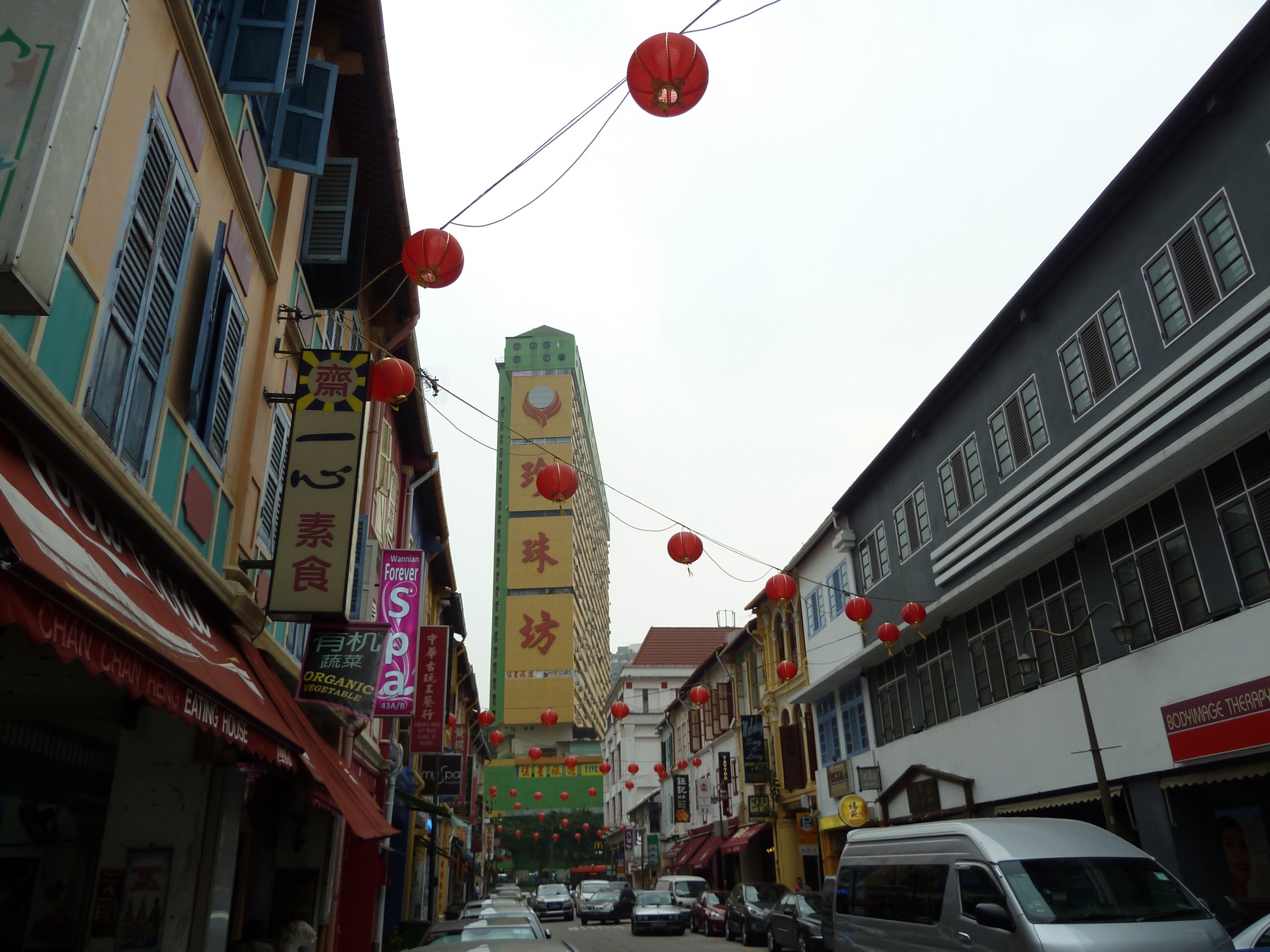
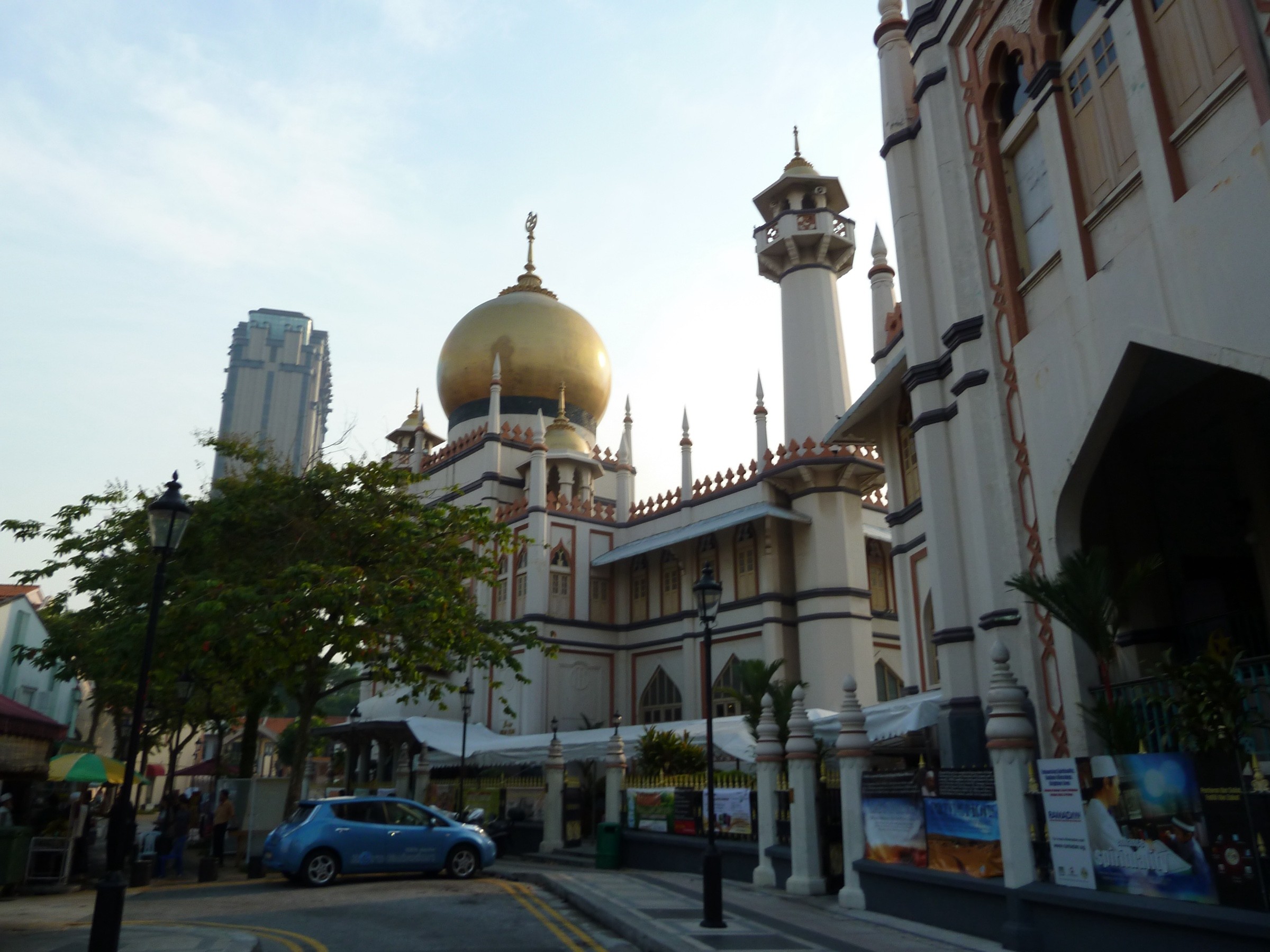
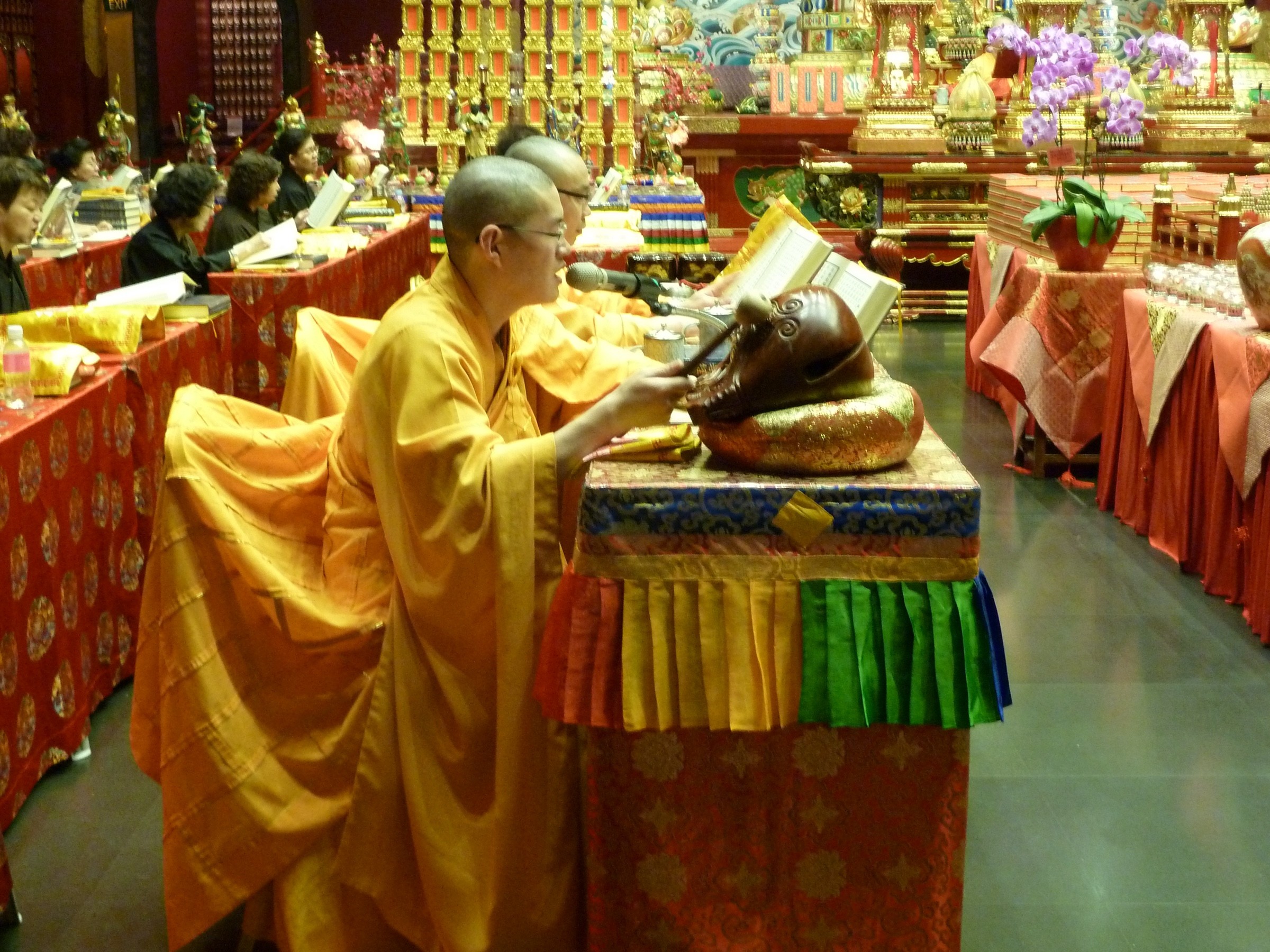
You can feel the melting pot as you walk. One day, I started in Chinatown, in streets that could easily have been Hong Kong, and got a foot reflexology massage, which was very nice even though I’m quite ticklish. A couple of MRT stops later, I came up in Little India, where curry perfumed the air and I stopped for a mango lassi. A short walk farther, on Arab Street, the food turned Mediterranean, hookah bars lined the sidewalks, and I had dinner at a Muslim-run restaurant blending Middle Eastern, Indian and Western food, with no alcohol on the premises. Along the way, I visited Buddhist temples, Hindu temples and a mosque.
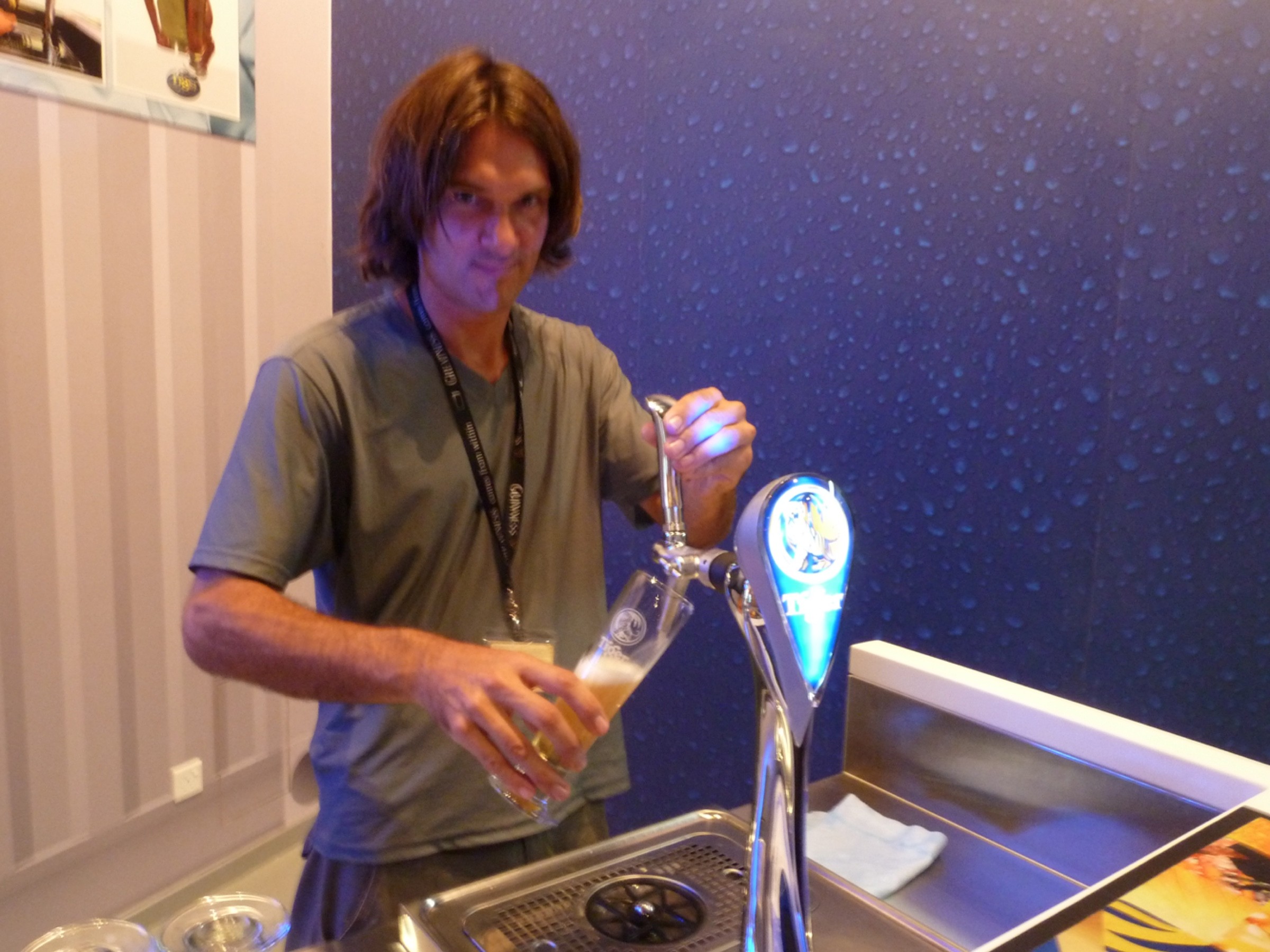
Drinks, on the other hand, are steep. My first was the most expensive in town, a Singapore Sling at the Long Bar, which supposedly invented it, for about $24. I also toured the Tiger Brewery, where they told the story of building a refrigeration system back in 1933 so they could brew a cold-fermented lager in the tropics.
Foodie city
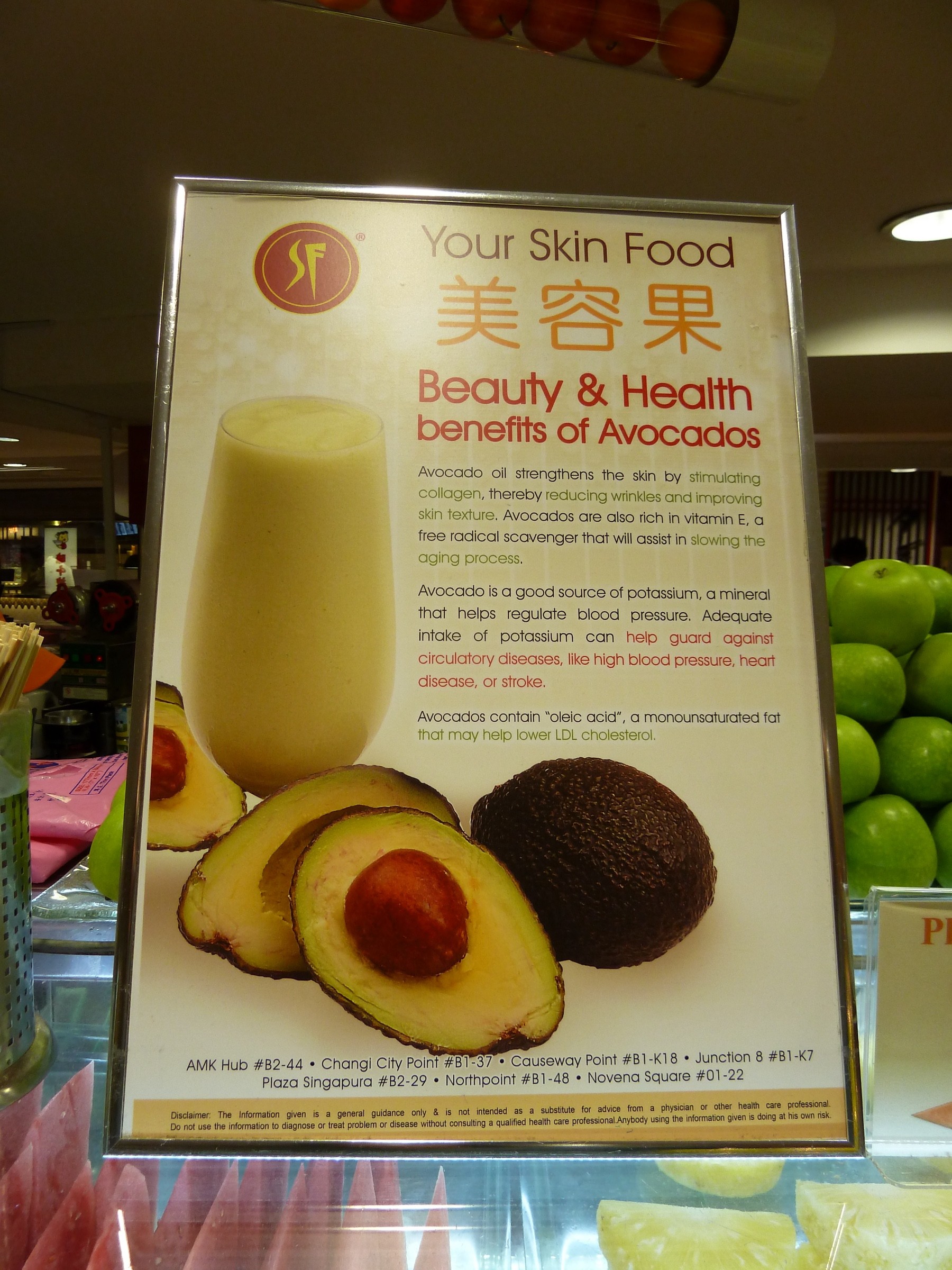
The number one attraction in Singapore seems to be the food. All over the city, indoor and outdoor food courts serve an astonishing range, and they are not to be confused with an American mall food court. These are legit. Each stall does one thing well. Drinks are their own stalls, with fresh sugarcane juice, water chestnut, avocado shakes, and my first drink in Singapore, silky barley.
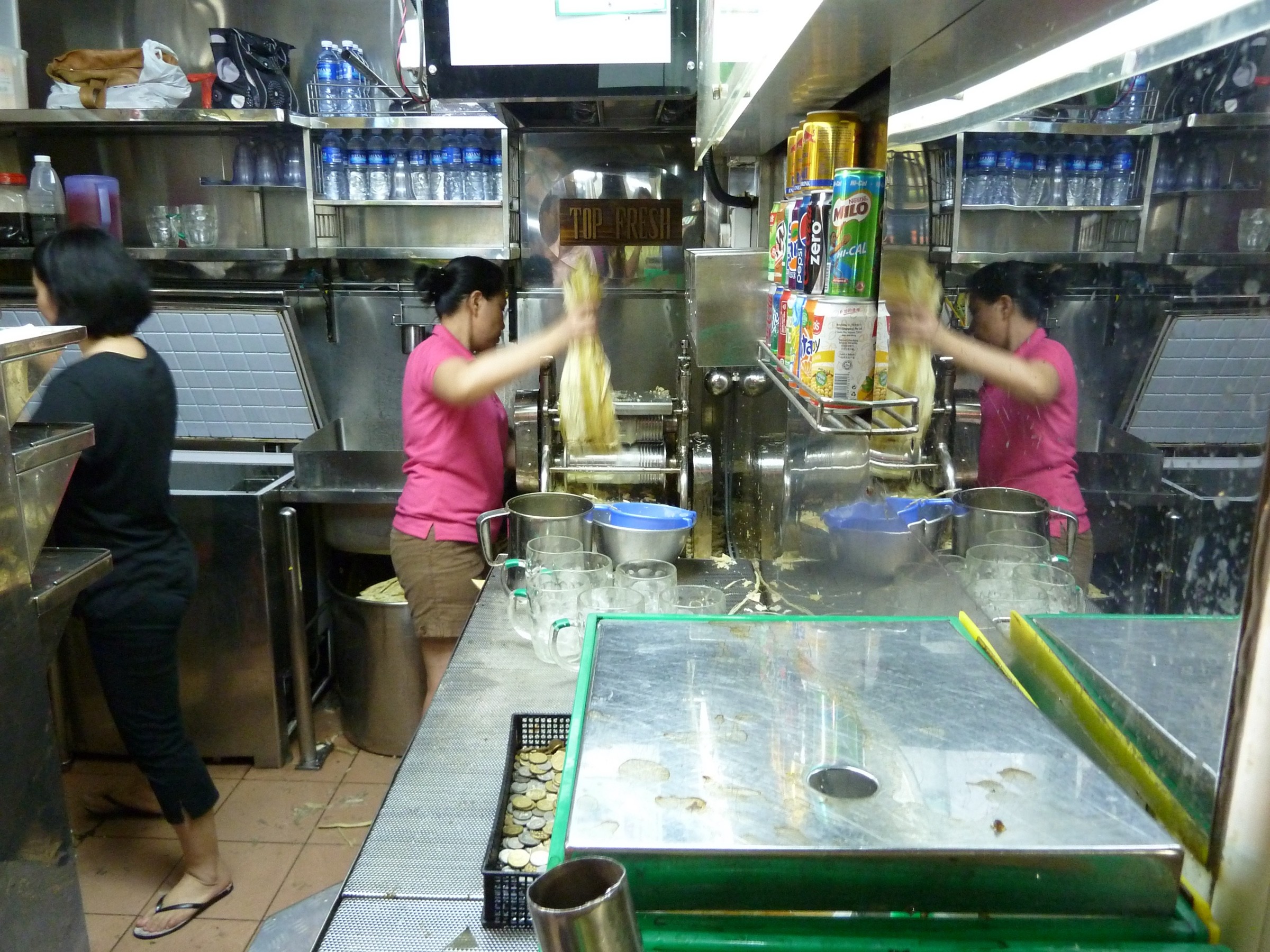
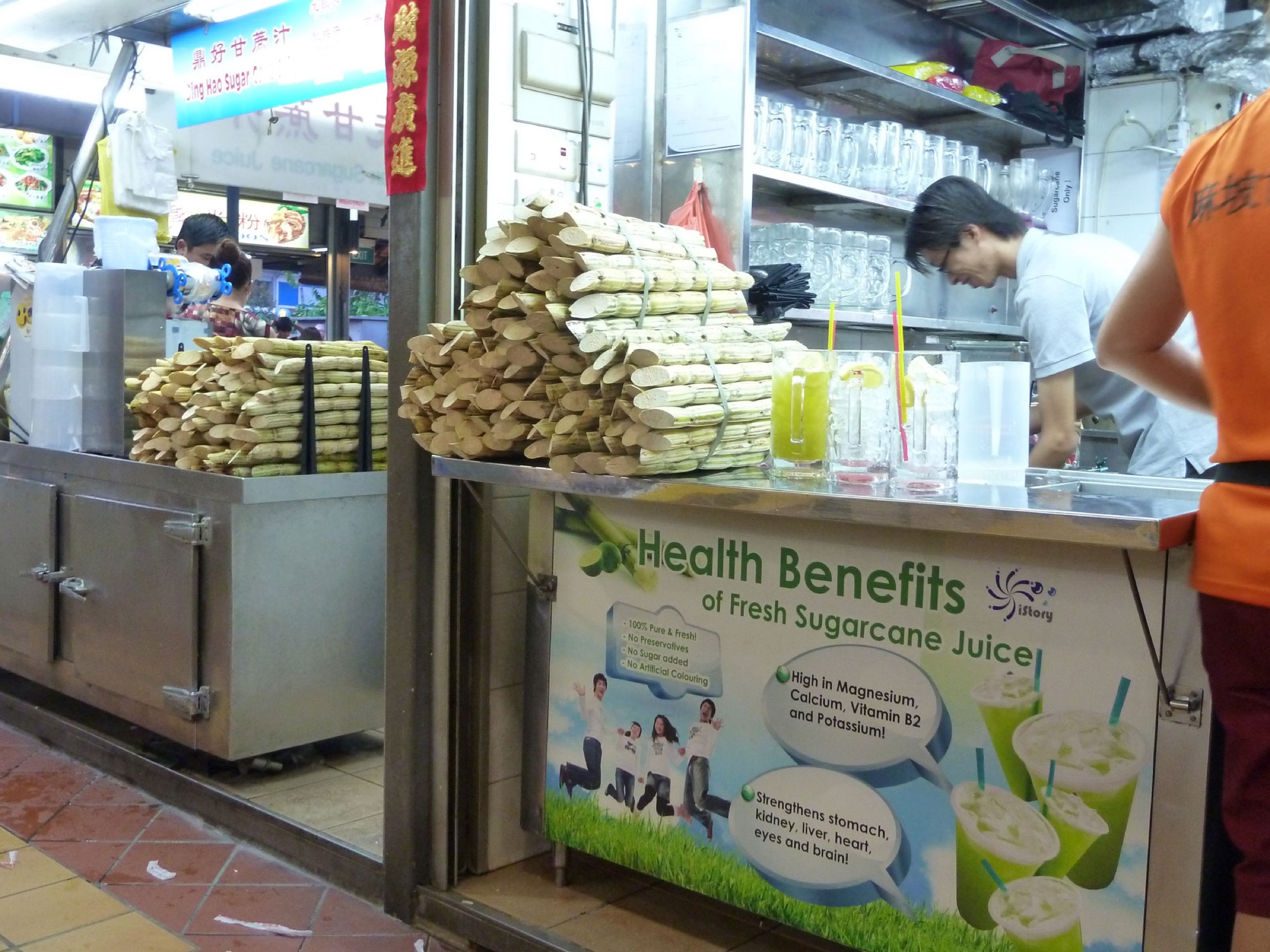
In one sitting at a street food court, I sat down with two new friends and we worked through an oyster omelet, chicken and mutton satay with ketupat rice cakes, Hokkien mee, sambal stingray, and Chinese rojak, a salad of dough fritters, tofu, pineapple, green mango, peanuts, sweet sauce and century egg. We washed it down with sugarcane and longan. How many of those dishes have you even heard of, let alone tasted?
My favorite was yong tau foo. You pick your own fresh ingredients from a cooler, greens, mushrooms, meats and eggs, as vegetable-heavy or as meaty as you like. They’re dropped into a broth of anchovies and soybeans and served as a soup with noodles. For a snack, there was kaya toast at Ya Kun: cheap local toast with butter and coconut jam, dipped in soft-cooked eggs. I was stuffed every meal and every snack in between.
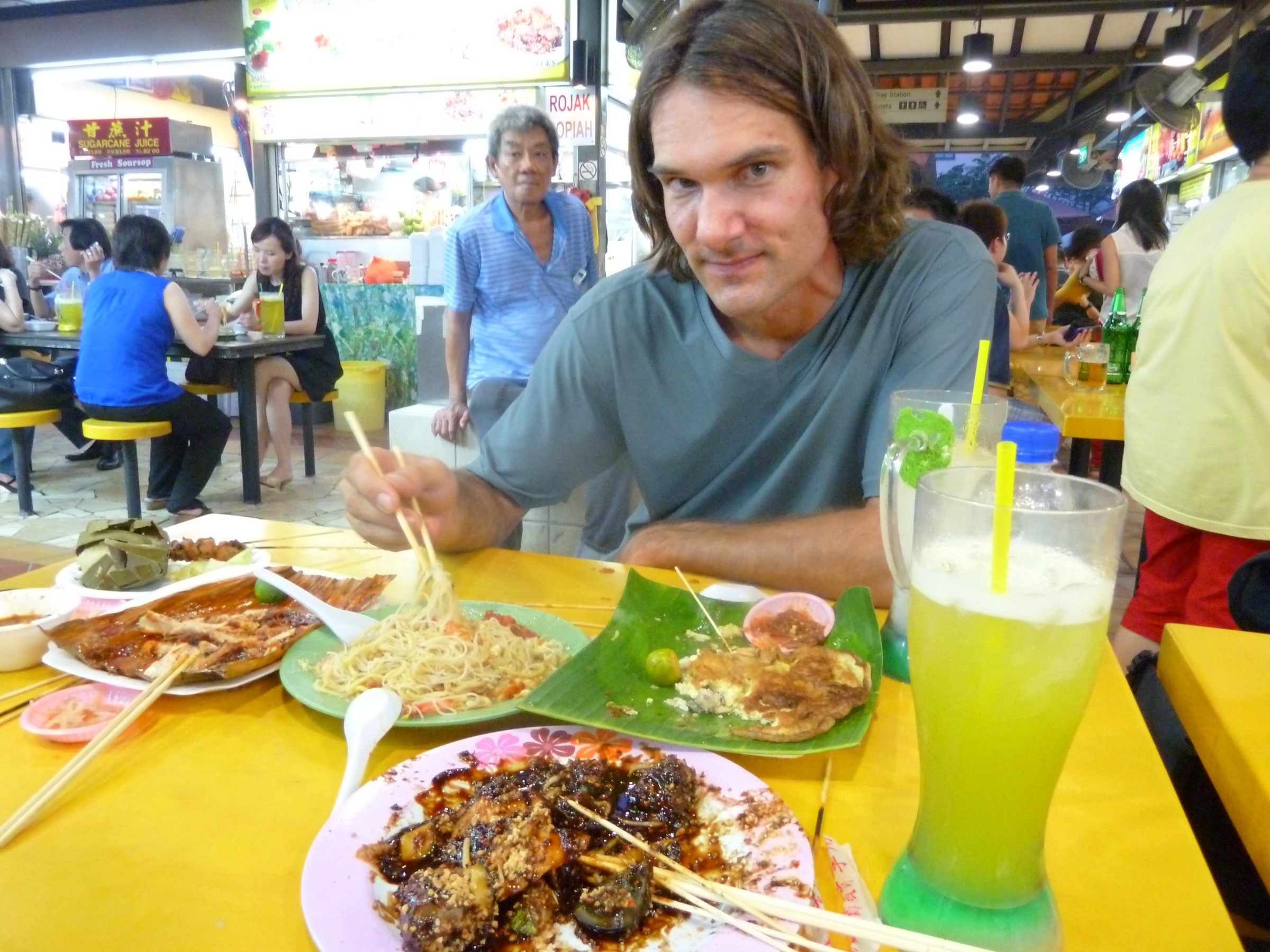
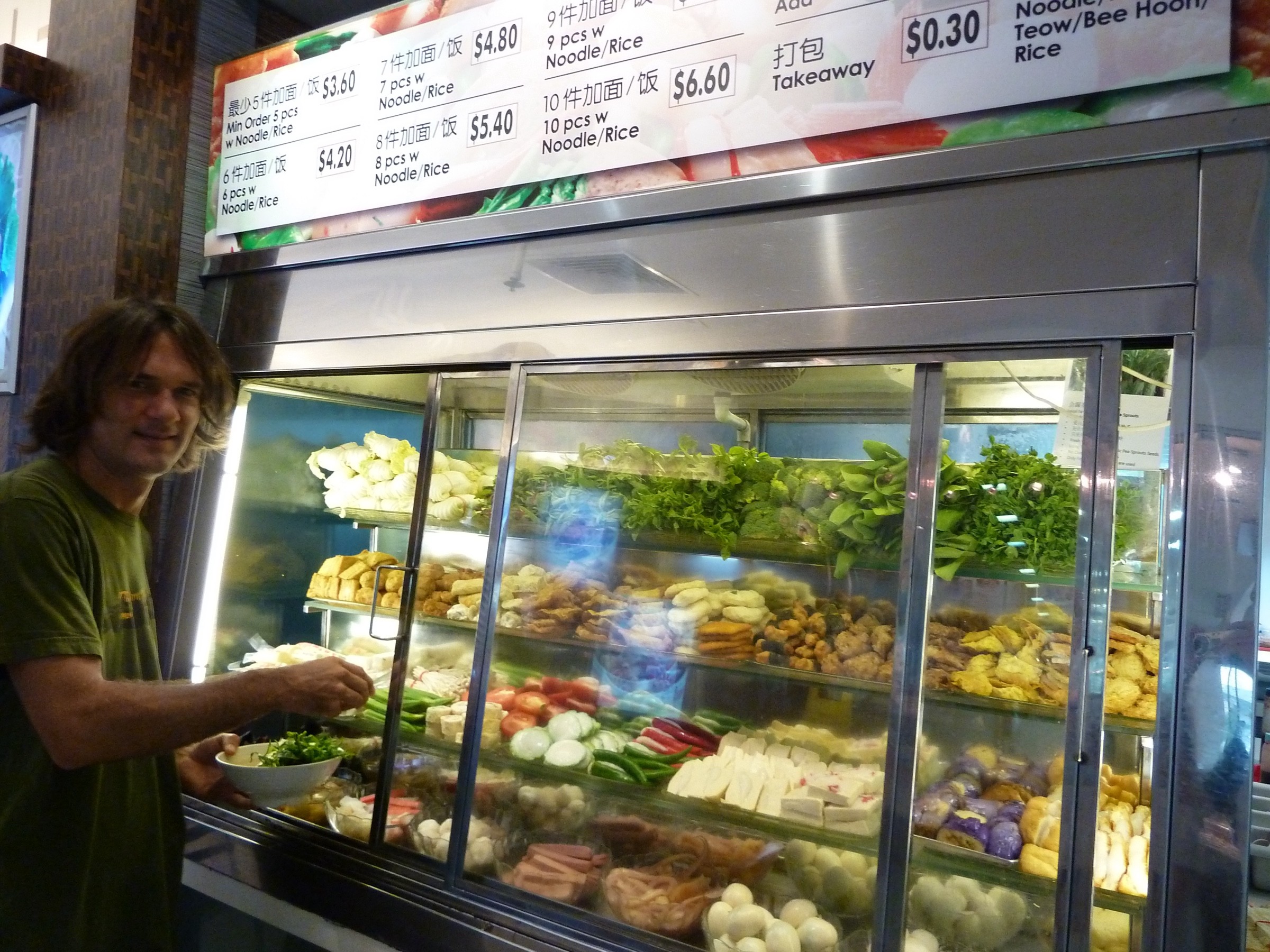
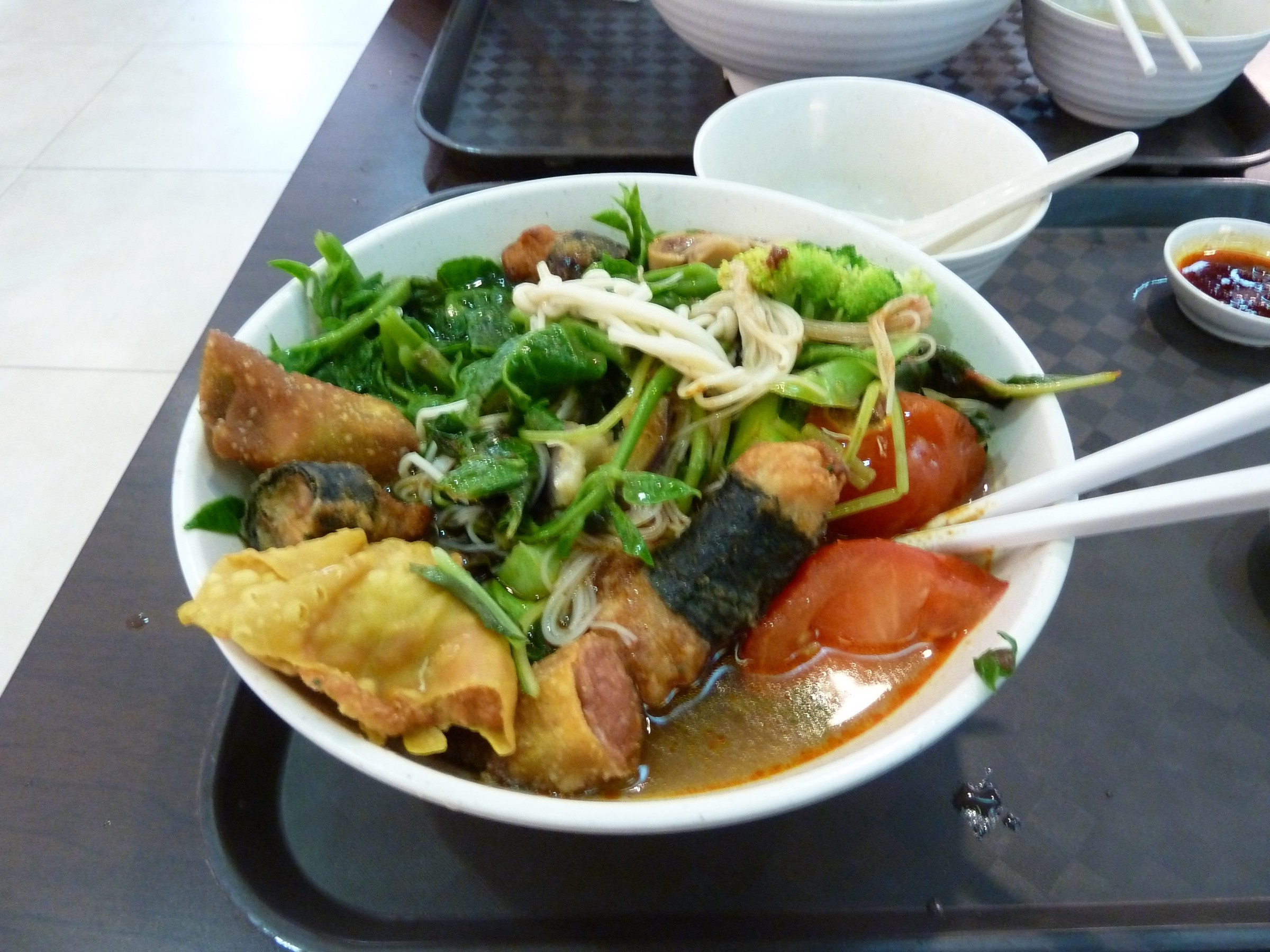
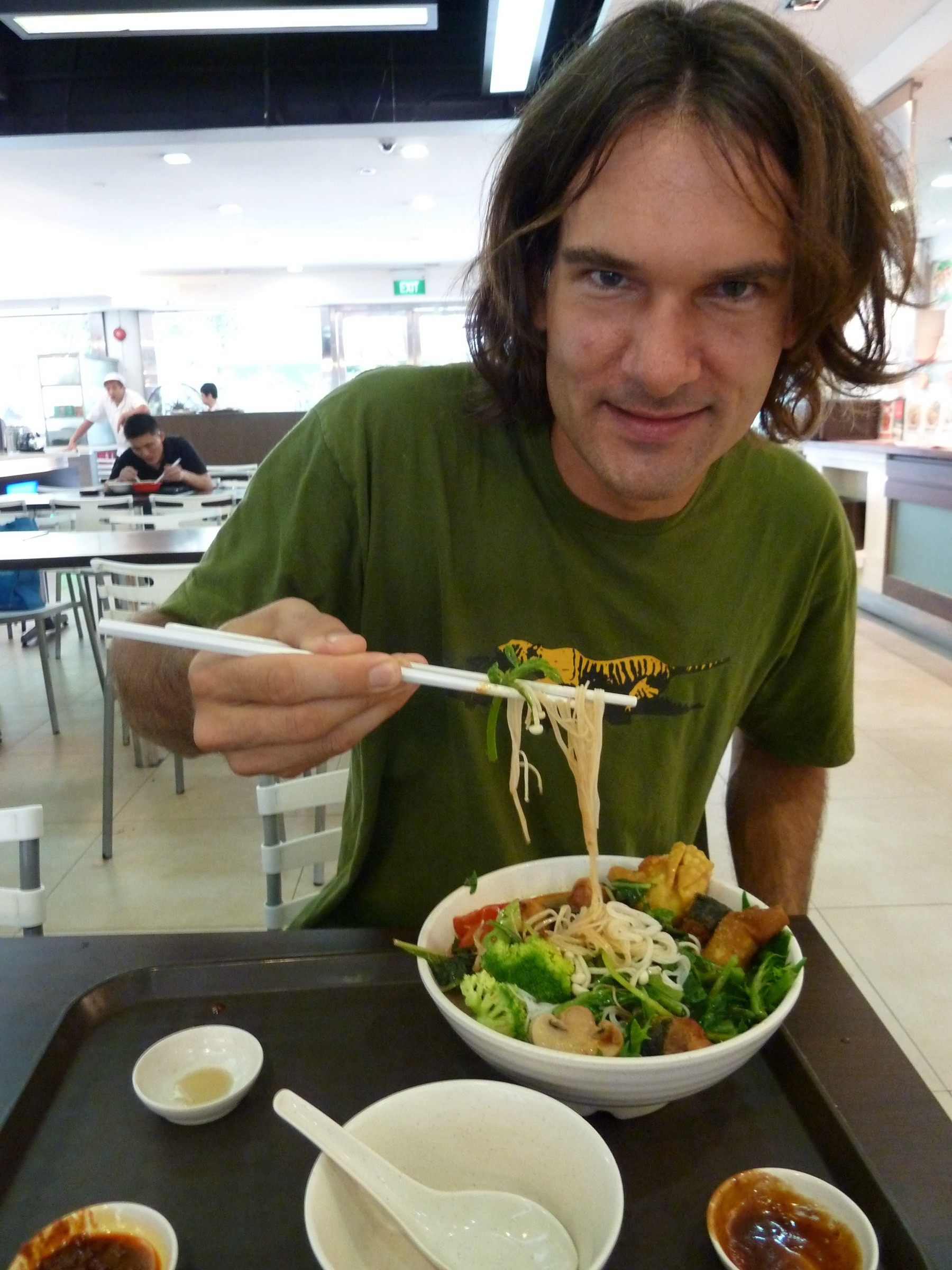
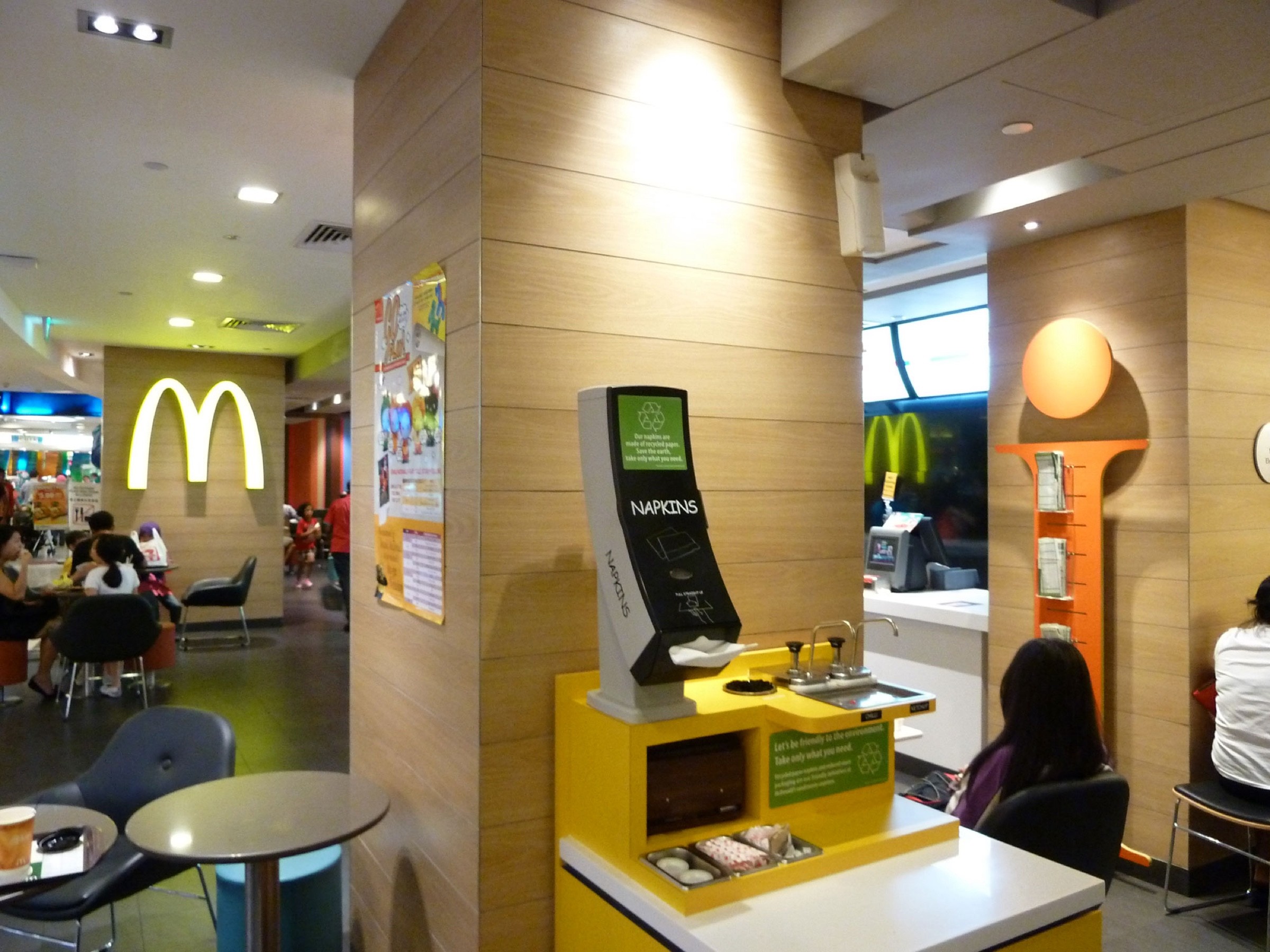
Bring your own napkins, though. Most places don’t offer them. The one free dispenser I found was at McDonald’s. Otherwise, you can buy a pack from the tissue-paper aunties, old ladies who sell little packs of tissues for a dollar.
And then there’s durian, the fruit Singaporeans love and hate. It’s banned in many places, with signs warning you not to bring it in, and you’ll get fined for carrying it on the subway. It literally smells like garbage, but it’s very sweet and somewhat addictive. One night my host bought some cut up in a takeaway container and accidentally left it in her trunk. Her car reeked of garbage long after the fruit was gone.
Couch hosts coming through
I think I paid for one or two meals my whole time in Singapore. My hosts would help me choose dishes, or simply tell me to sit and hold the table, then come back with a pile of goodies, already paid for, and refuse to let me chip in. On my last night, my new host brought cigars, and he and a friend paid for the sheesha. I was humbled by how generous everyone was.
Gemma was the maid of honor at a huge Chinese wedding that weekend and was swamped with preparations, but she still made time for me, and introduced me to more friends for a night on Arab Street. The city had just come out of the worst haze in its history, smoke from forest fires in Indonesia that had businesses closing and people rushing to buy masks the week before I landed. By the time I got there, the air was clearer than it had been in Seoul. Each afternoon, isolated thunderstorms rolled across different parts of town, sunny in one spot and pouring in another.
The last kampong
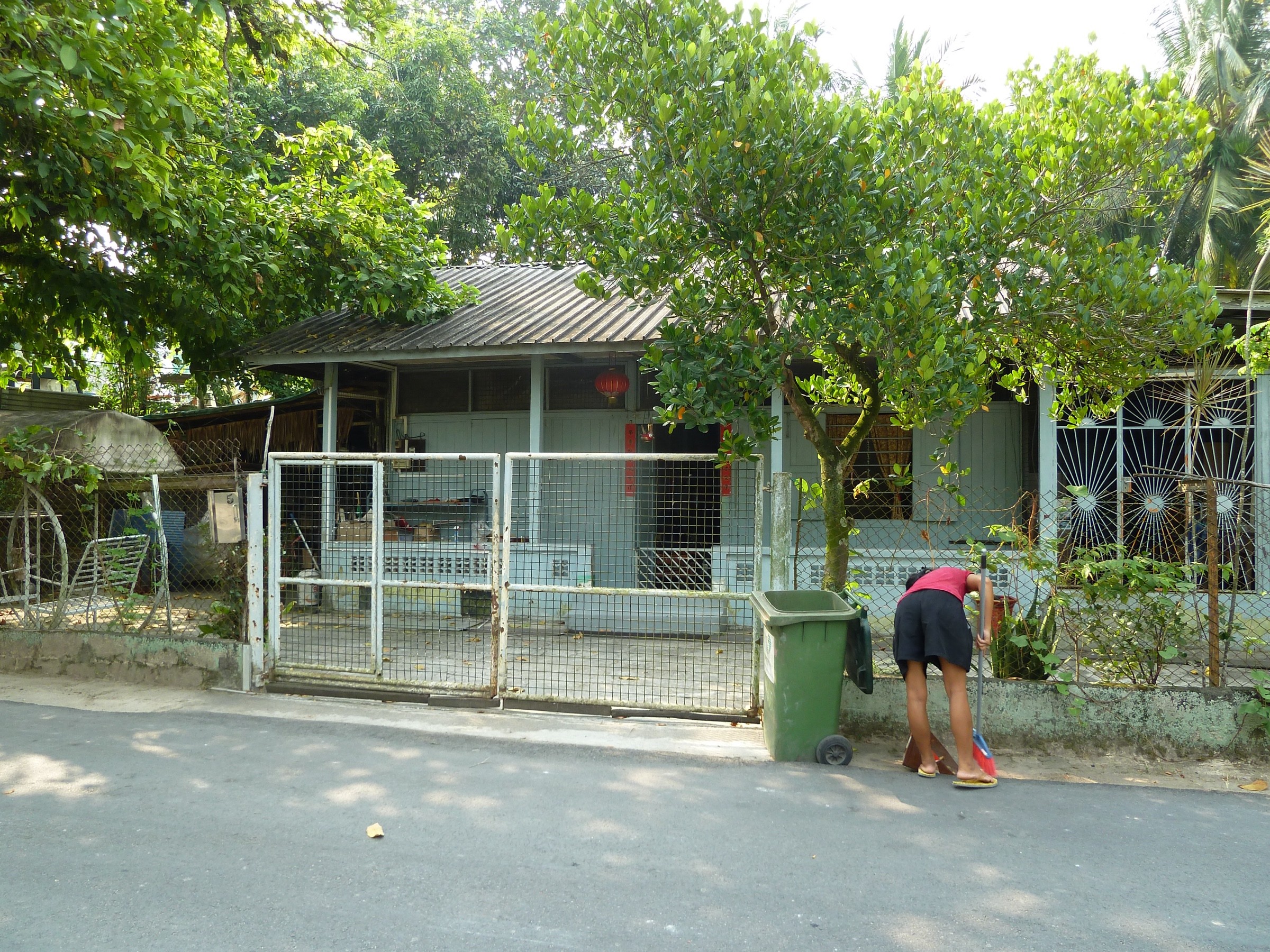
On my last full day, Gemma picked me up and drove us to Buangkok, the last surviving kampong, or village, in Singapore. Its buildings went up between the 1950s and the 1970s, with zinc roofs that played rain songs. Singapore was once covered with villages like this. They’ve been replaced by the HDB flats. Gemma’s parents had lived here before they bought their current house.
After more than a week of metropolis cities and painted streets, it was refreshing to see something other than concrete. I had a flashback to a moment in Puerto Princesa, in the Philippines, when I’d caught myself missing buildings with straight edges. Now, back in the enforced first world, I yearned for what unfurled.
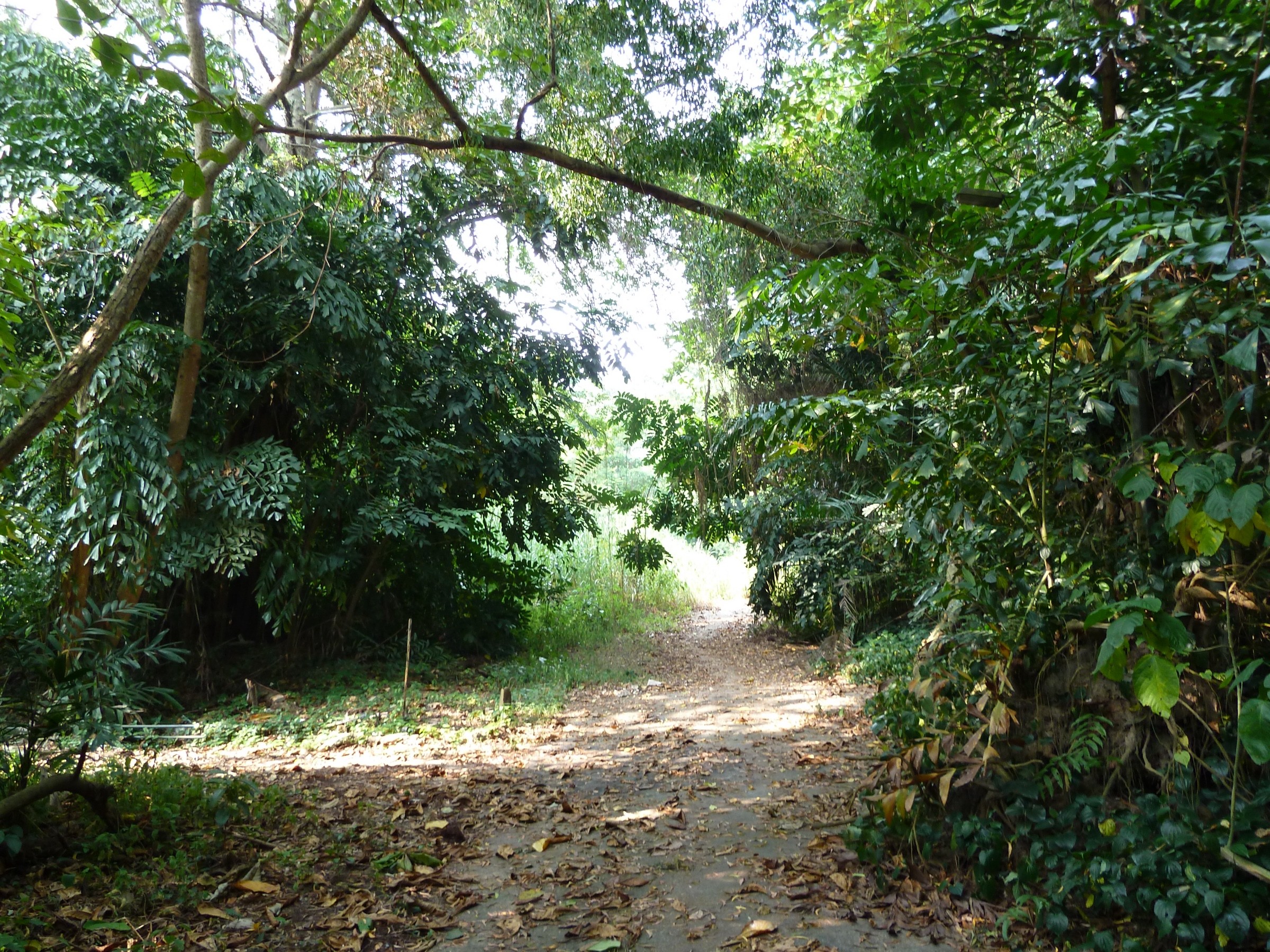
As we walked the back road, the vegetation thickened and our pace slowed. Suddenly we were on a trail through tropical rainforest in the middle of the concrete jungle. A mimosa, the “touch-me-not,” played dead when we brushed it. Palms crowded in, and vines hung from the canopy. The trail went deeper until it turned into impassable marsh, so we doubled back and followed a drainage ditch down to a river, where locals were fishing in front of quiet houses. We ended up at a field where kids were at hockey practice, skipped some stones on the river, and walked back to the car.
It was quite a side journey into the lush tropics, right in the middle of a city that fines you for not flushing. Even in the most orderly place I’d ever been, nature was still there at the edges, waiting to unfurl.
After one more food court lunch, Gemma drove me to the airport for my flight to Vietnam, and the adventure continued.
Singapore, summer 2013.