My reason for Milan was a friend from the past. Rubina and I had been grade-school classmates in Pittsburgh. When I was planning the route she told me Milan did not have much for tourists — “a veritable day trip” — so I booked only two nights with her. I wished I had planned more. I had not realized how close the city is to Venice, Genoa, Zurich, and the Alps, or that the first person I had ever hosted in Austin lived nearby. By the time I reached central Europe I was traveling like an American Tourister, squeezing seven countries into November because the cost of living had jumped. Ten dollars a day was no longer as feasible as it had been in East Asia.
The easyJet from Athens landed on a dreary Friday afternoon at Malpensa. A sixteen-euro round-trip express bus ran to the central station. I walked to Rubina’s flat and greeted her with a hug. A vegan, an optimist, and a music teacher at an English-speaking school, she had also learned Italian.
Her coworkers, most of them British, were throwing a birthday party with a letter-T costume theme. Rubina was the teacher’s pet. We were both from Pittsburgh, and we both had Terrible Towels, so I pieced them together into a T-shirt. She added a pair of bright yellow sweatpants. I was ready for a Steelers game or a T-party. I was impressed that there were English schools in Italy, and also impressed by how much alcohol the British guests could handle. Rubina and I left once the party began wandering the streets in costume.
By morning, Rubina came down with something and felt ill, so I was on my own.
The bar was set low, but I went with the flow.
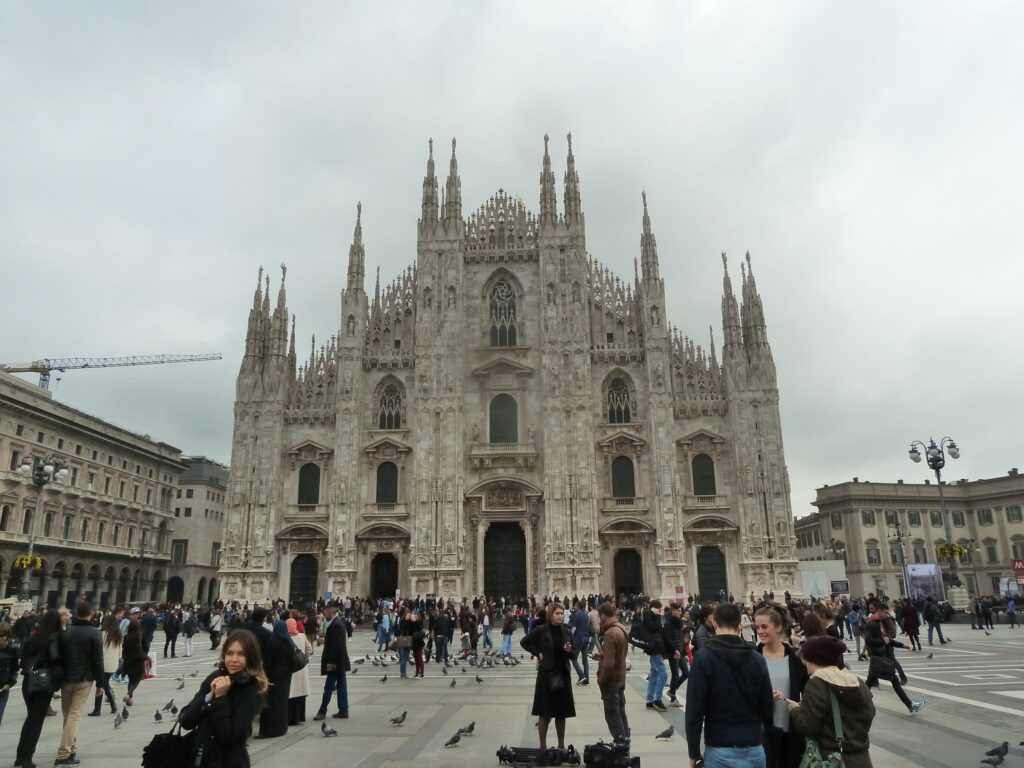
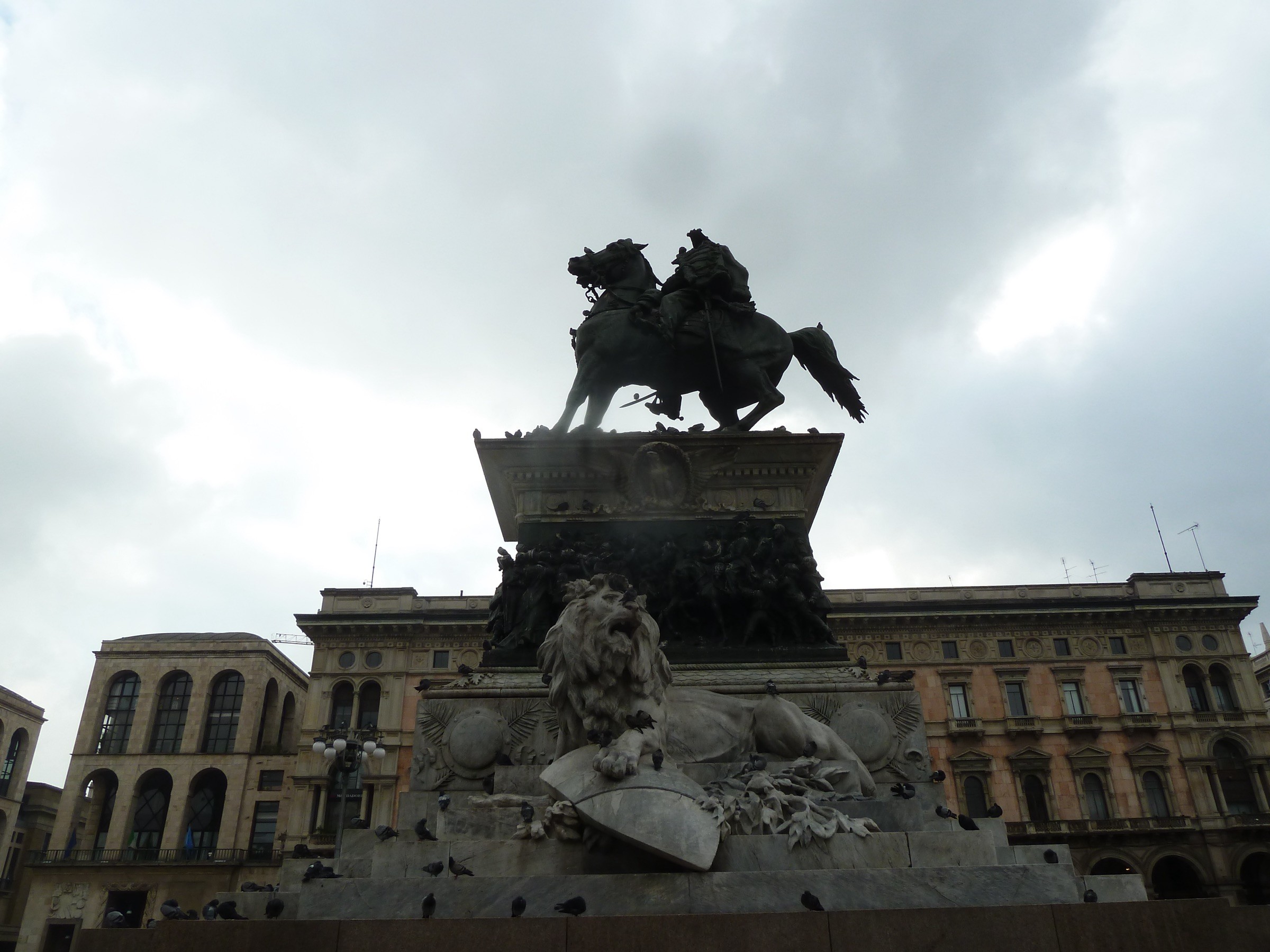
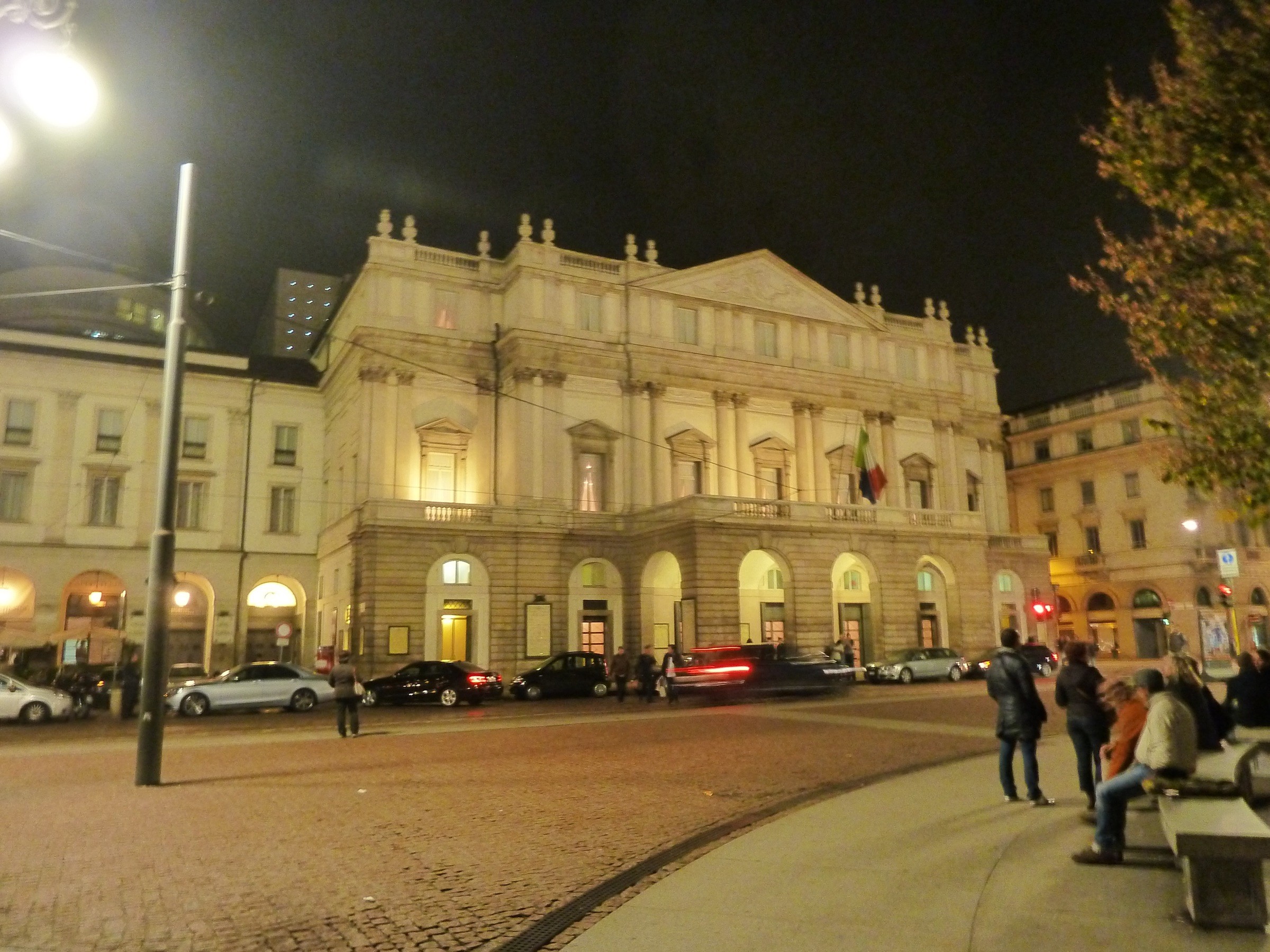
The Duomo was in the city’s heart; Italy’s churches set it apart.
Around the Duomo, streets tangented in all directions;
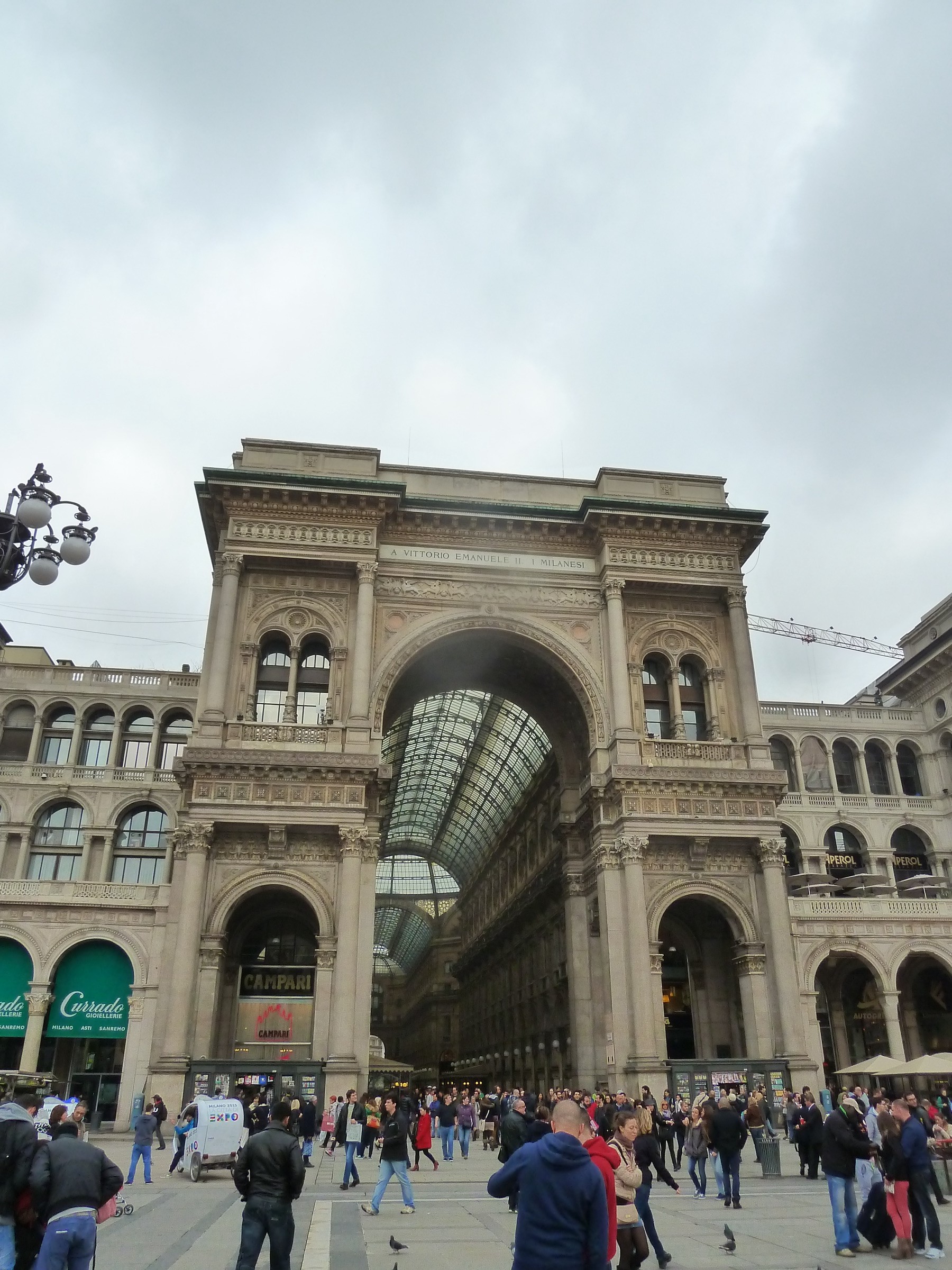
the Galleria Vittorio Emanuele’s picturesque architecture had artwork collections;
and Piazza del Duomo was dotted with street performer selections.
A guy was playing guitar to a backing tune; it was Pink Floyd’s Dark Side of the Moon.
He nailed the solo note for note, then I saw a guy doing tricks to keep a basketball afloat.
Break-dancers and Poi performers delivered; mimes had painted themselves silver.
As in Athens, vendors sold gummy toy dolls, which could be thrown violently into walls.
As one flattened, we had no fear that it would soon reform back to its normal sphere.
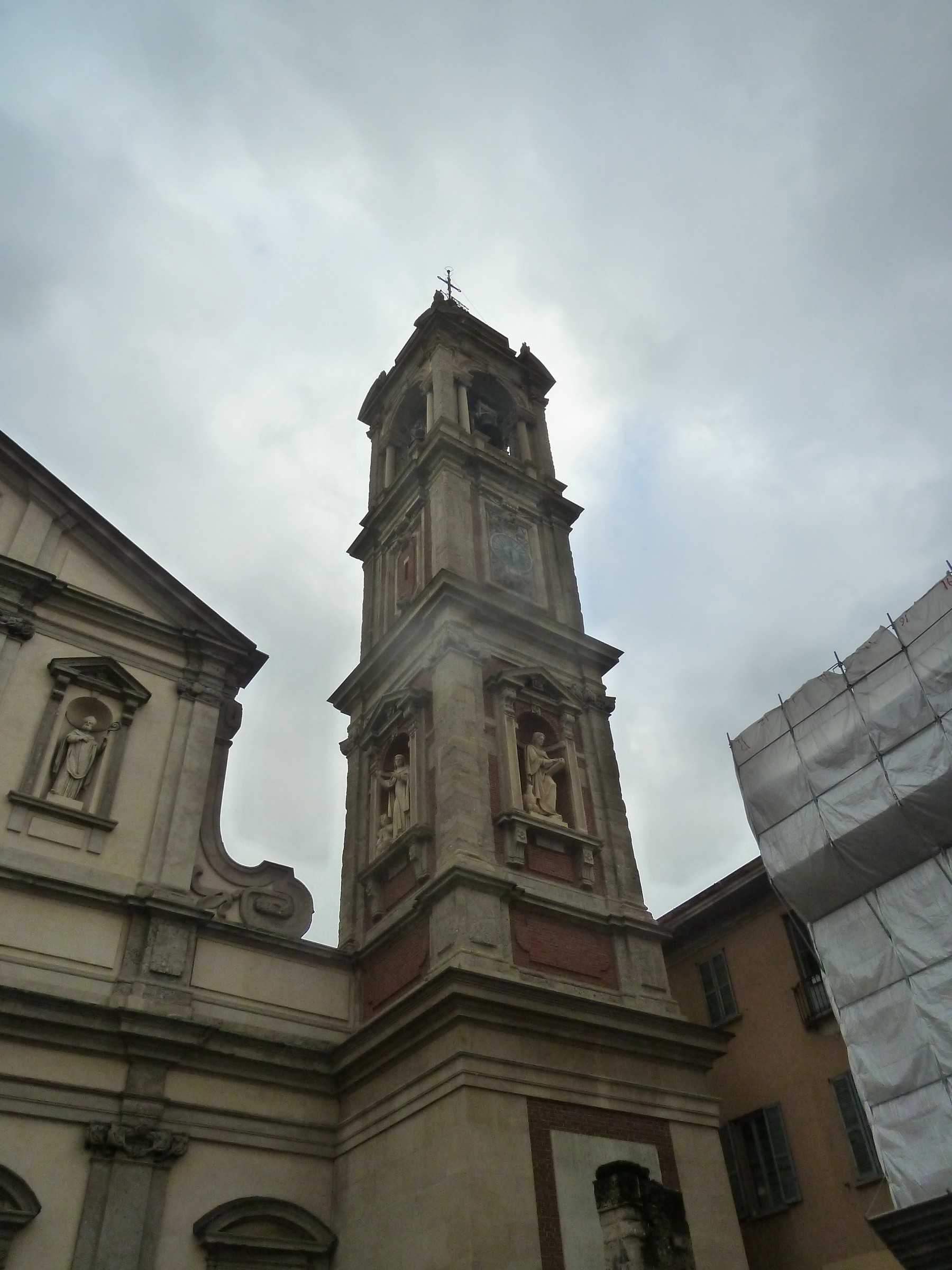
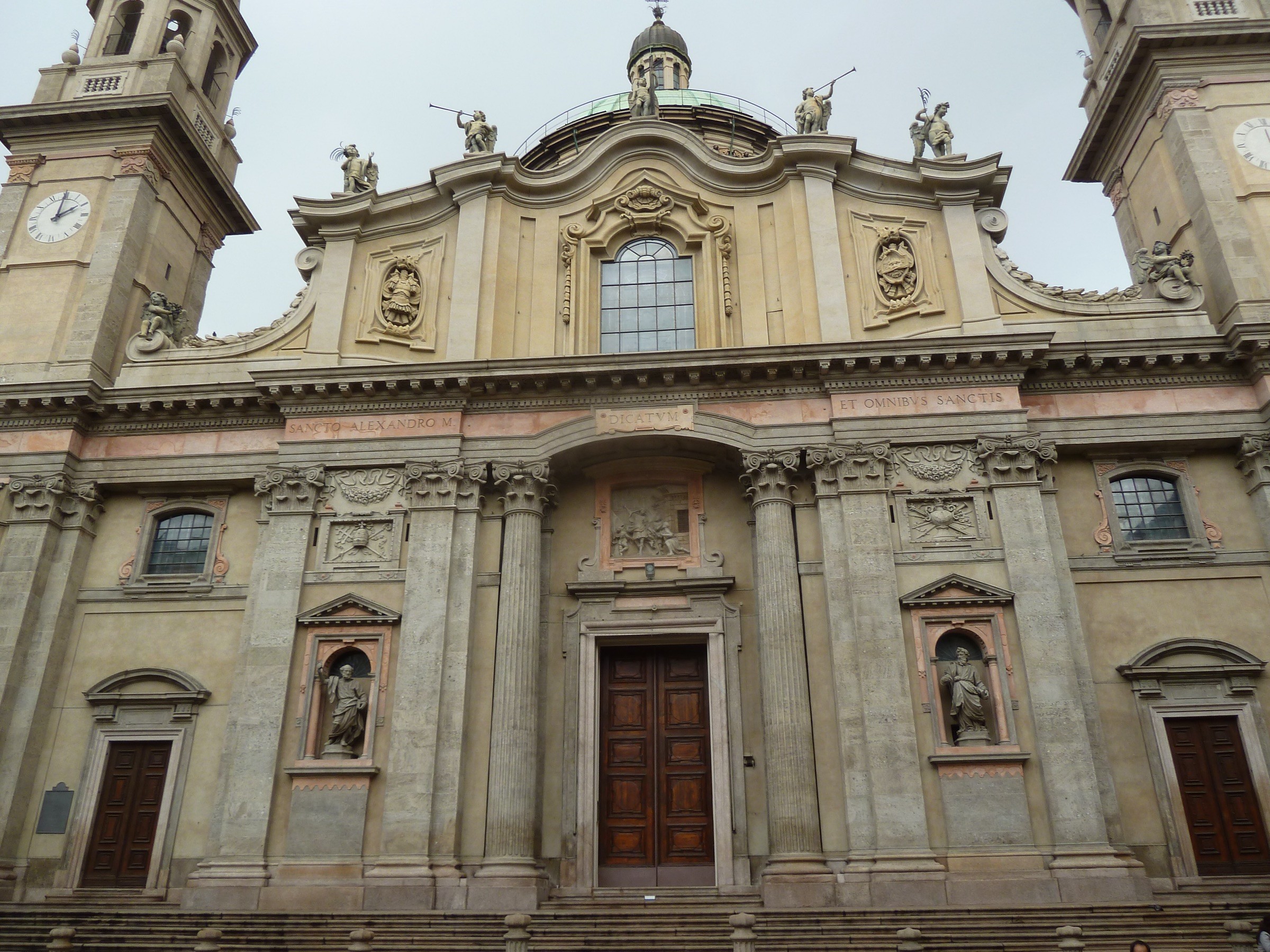
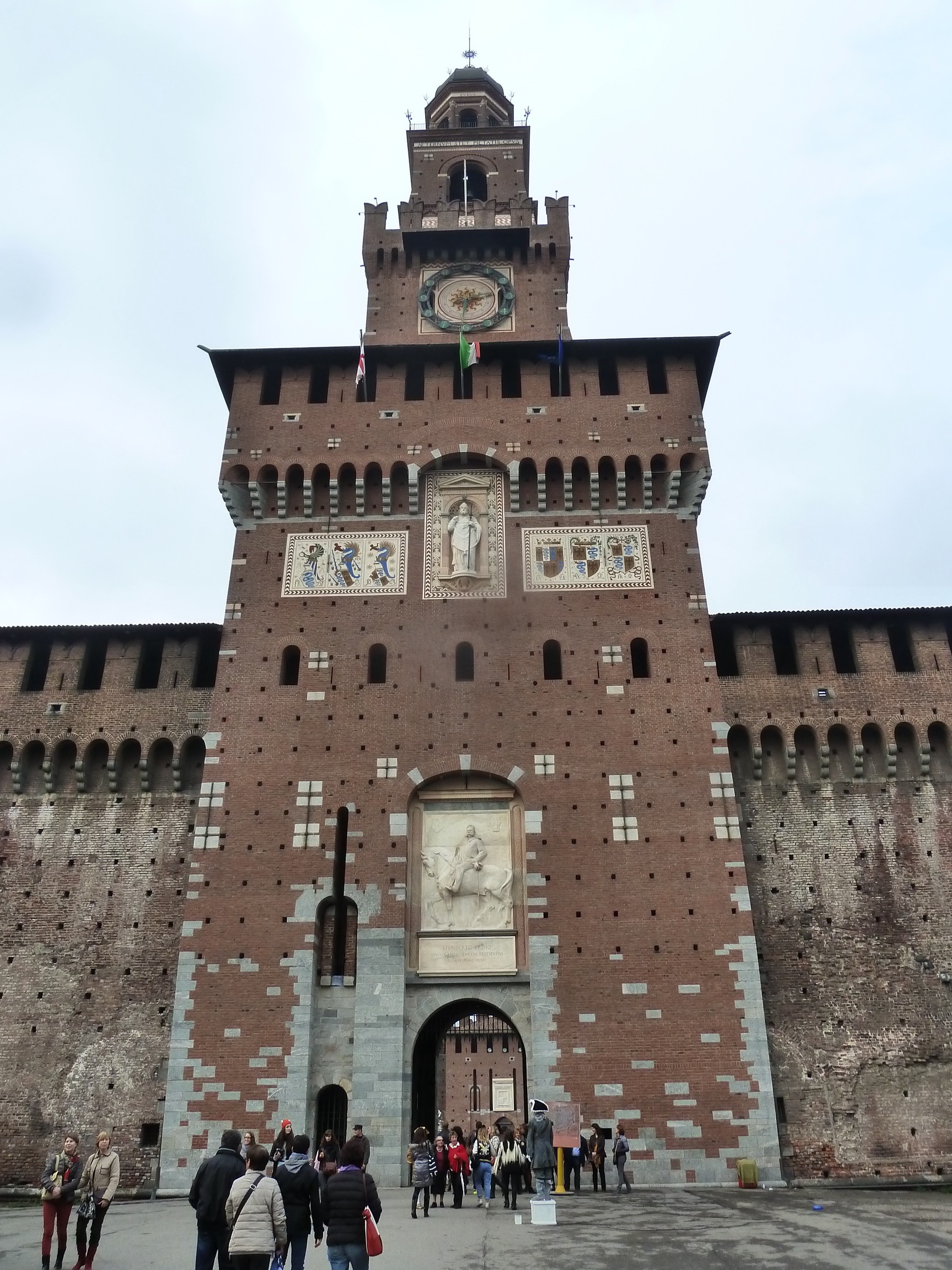
After looping the Duomo I walked to Castello Sforzesco. On the map it had looked like a park; it was mostly walls and sculpture. Men were selling bootleg sports apparel and jewelry. One struck up a conversation and insisted I wear a string bracelet. When I declined, he said it was a gift. Once it was on my wrist he asked for five euros. I laughed and gave him twenty cents, then moved on.
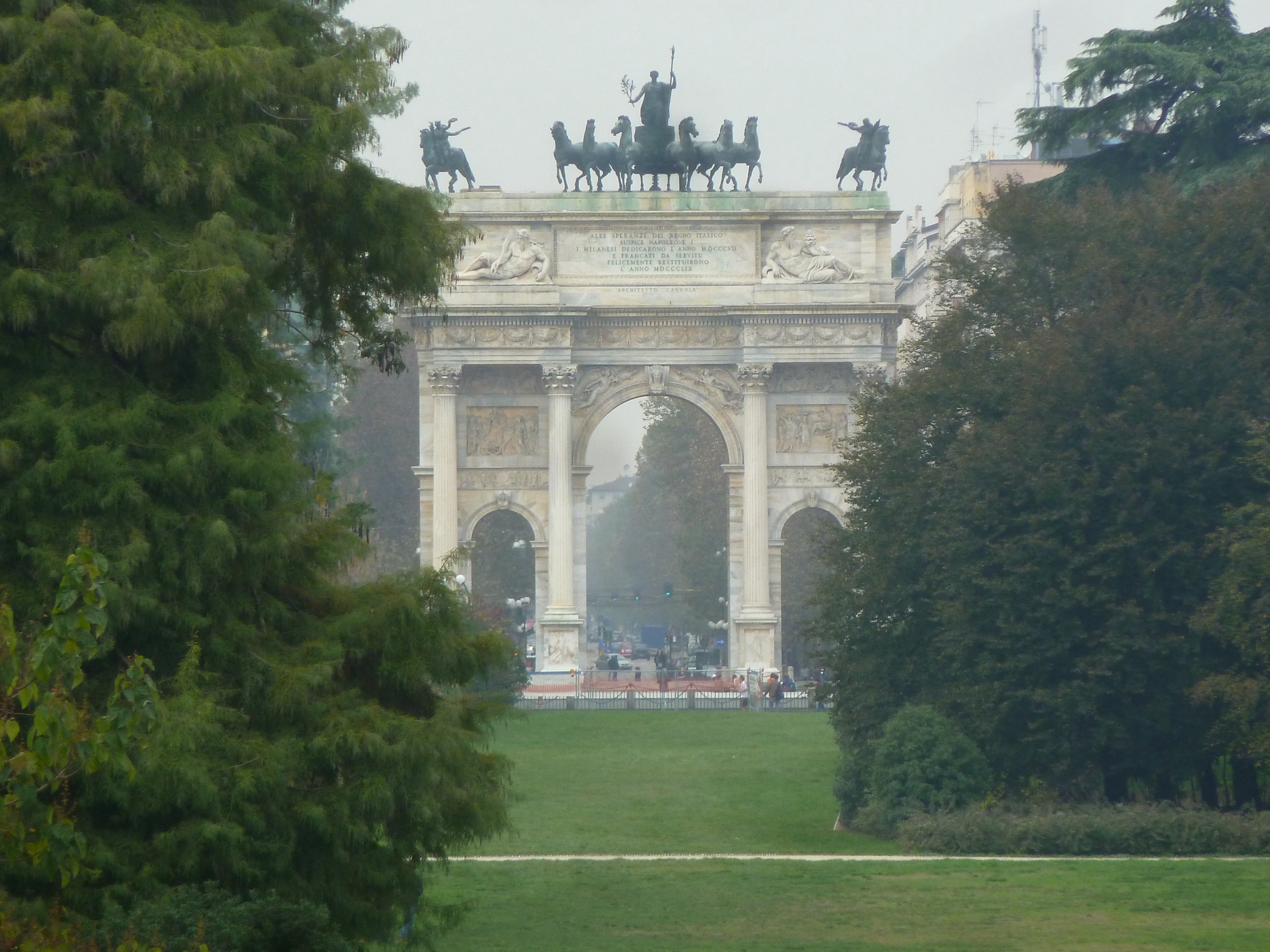
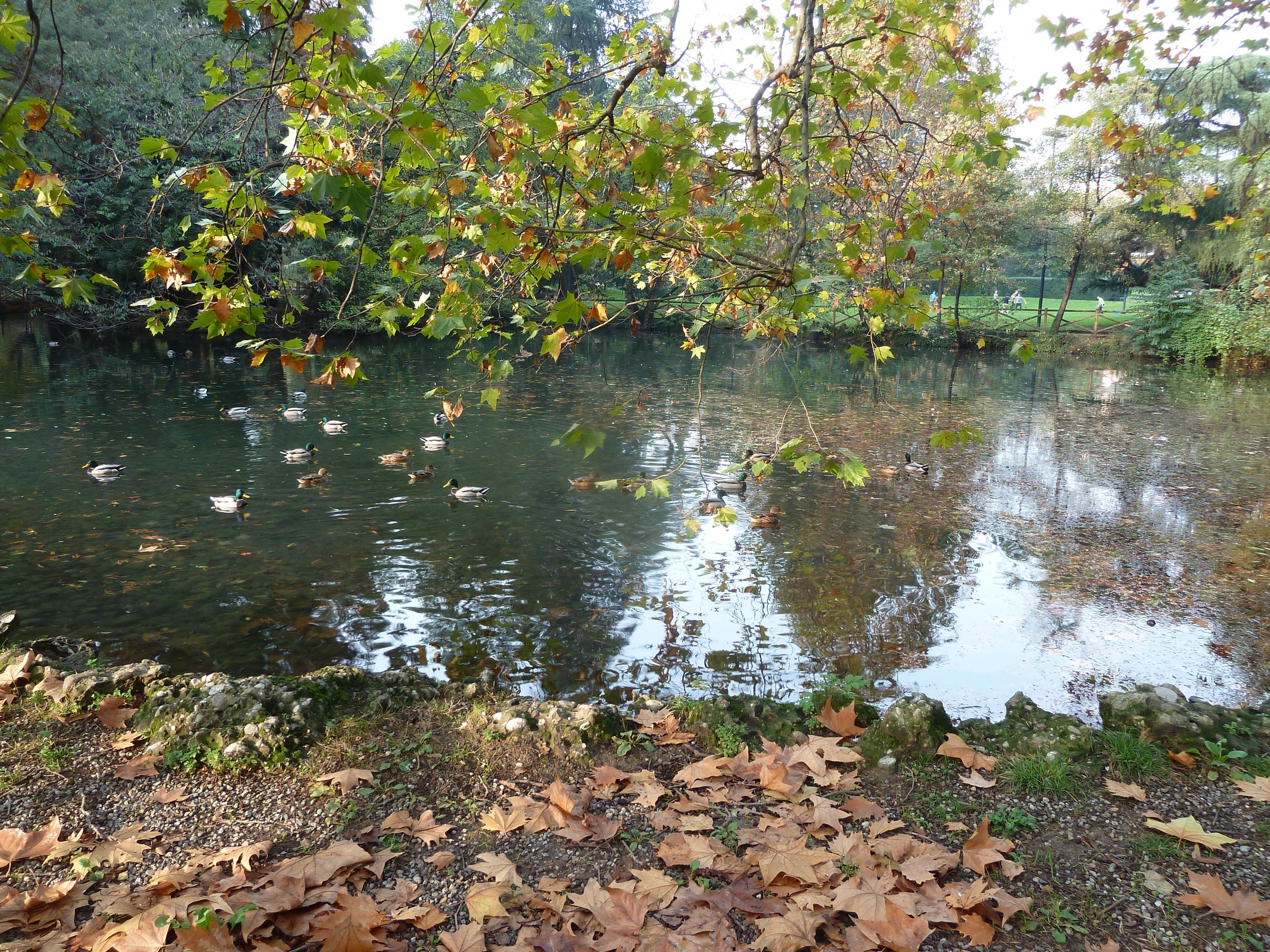
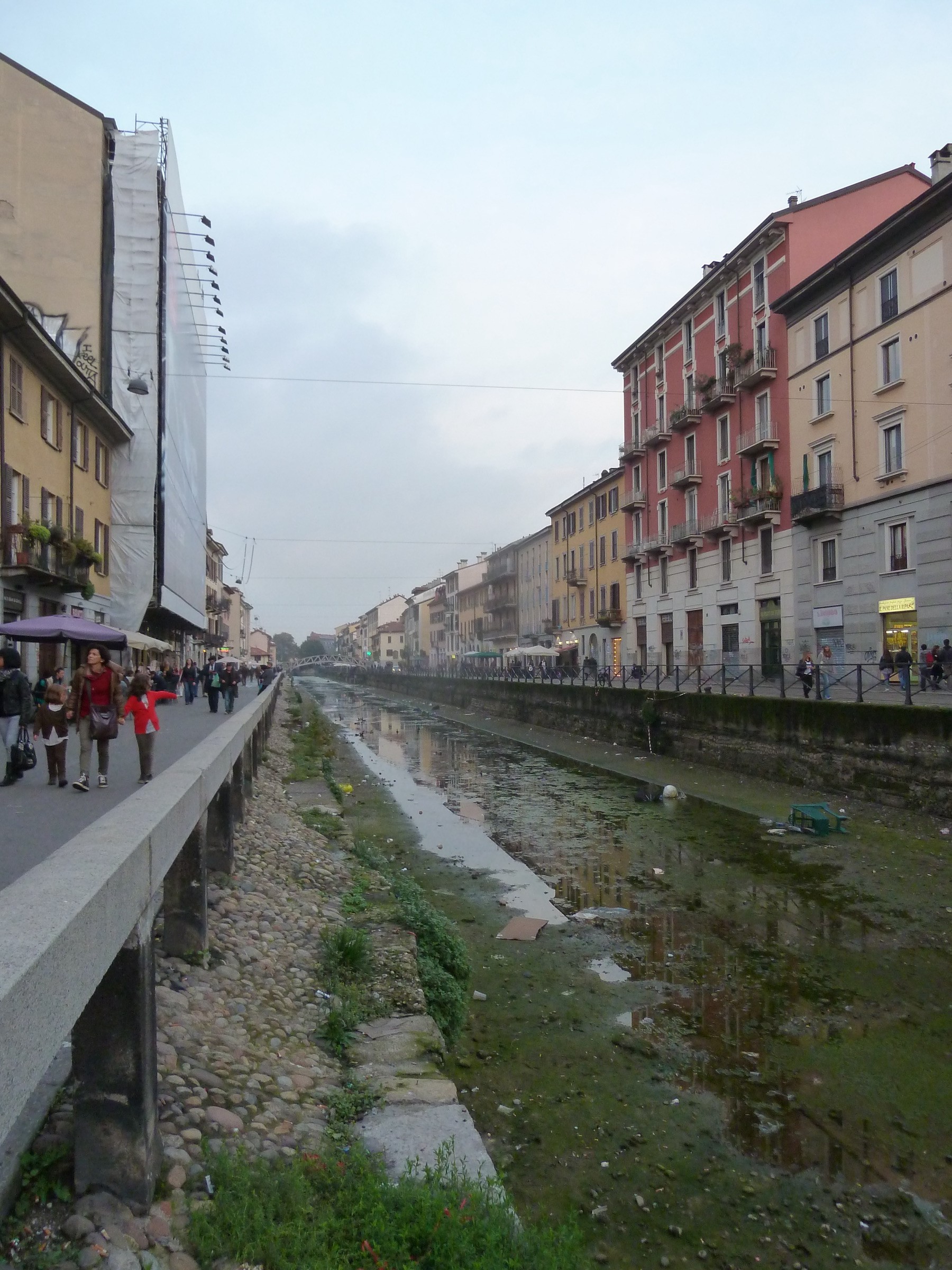
Rubina made a home-cooked lunch of spelt, greens, and tea, enough to keep me going all afternoon in Parco Sempione — trees, grass, and trails. She was still unwell by late afternoon, so I went down to the canals in the south of the center. The canal itself was more like a small creek, but the bridges and the layout had a feeling I had not yet seen in Milan. I sat at a café with a double cappuccino and watched. It seemed a very Italian way to spend an hour.
Milan had more pizzerias than anywhere I had been, including Pittsburgh, which has one on almost every block. Rubina and I ate thin-crust brick-oven pizza at Pizzeria Premiata, and the next day I had another round at Pizzeria Brickoven. The low-gluten crust, made with kamut, was my favorite. For dessert, Shockolat sold a dark chocolate gelato as rich as a brownie. I generally skipped milk and ice cream, but gelato in Italy is a separate case, and growth hormones and GMOs were illegal in Europe. Molto bene.
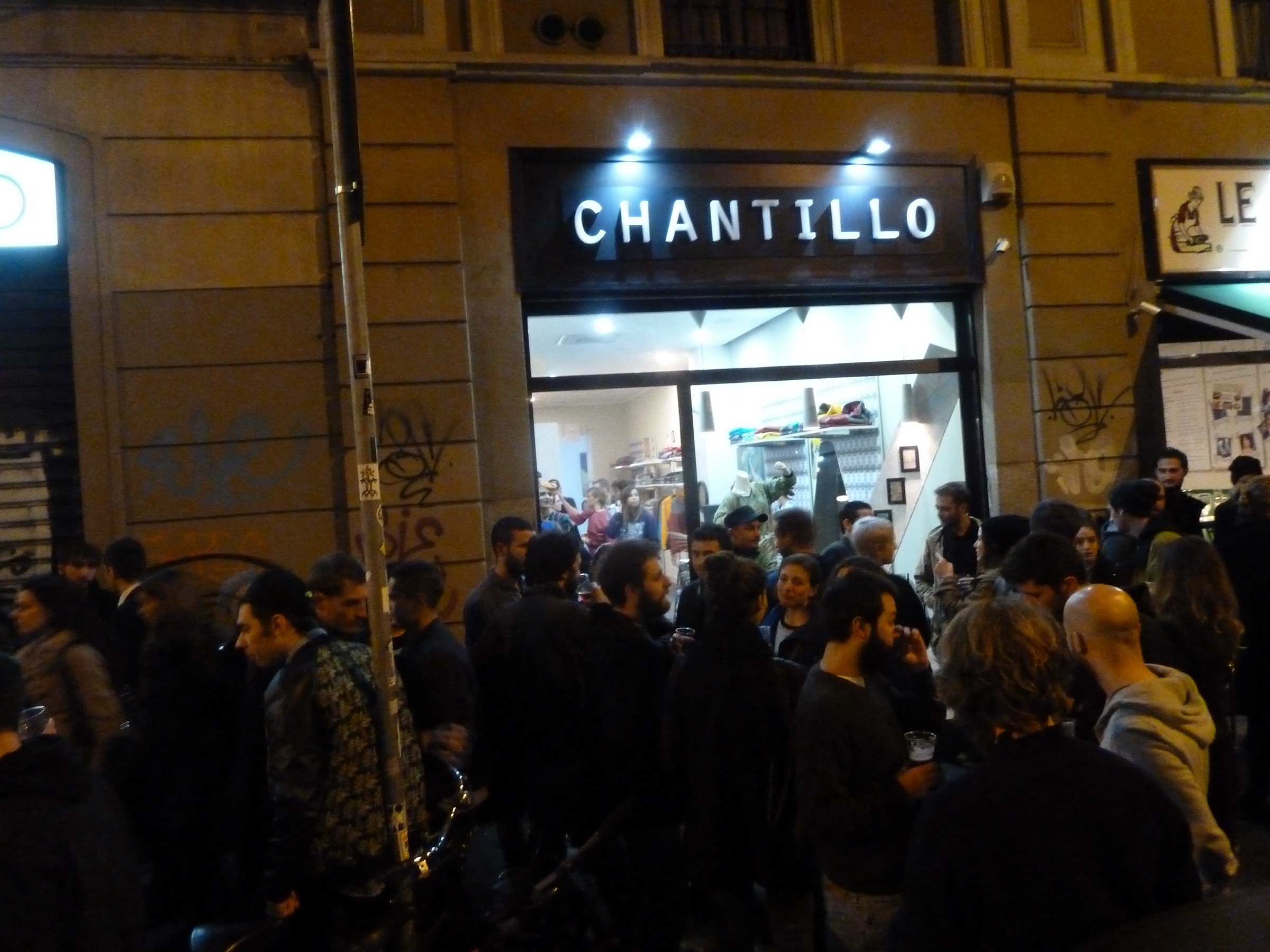
Before an evening flight to the next country, we walked the fashion streets and looked in the windows: three-thousand-euro jackets, 383-euro sweatpants, 200-euro Hogan sneakers. Versace, Armani, Prada, Tod’s, Dolce & Gabbana, Louis Vuitton, Burberry, Ralph Lauren. A trip to Milan is not complete without window-shopping in the fashion capital of the world. I was not buying. My forty-euro coat from Turkey was not a secret-agent tuxedo, but it fit me just fine.
Five Years Earlier: Rome, Tuscany, Florence, and Pisa
Five years before Milan, in September 2008, I spent the first leg of a European trip working north from Rome into Tuscany, Florence, and Pisa.
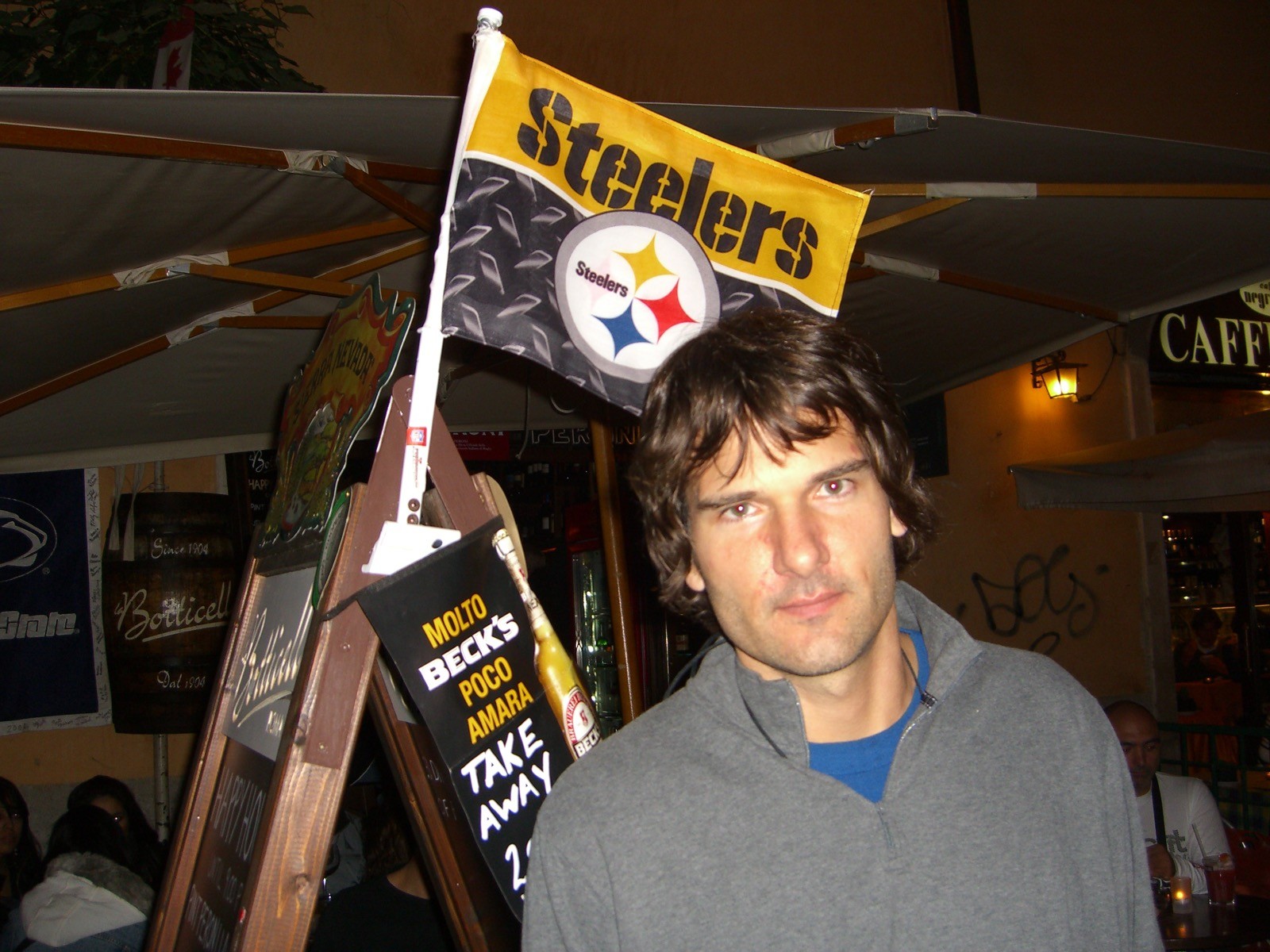
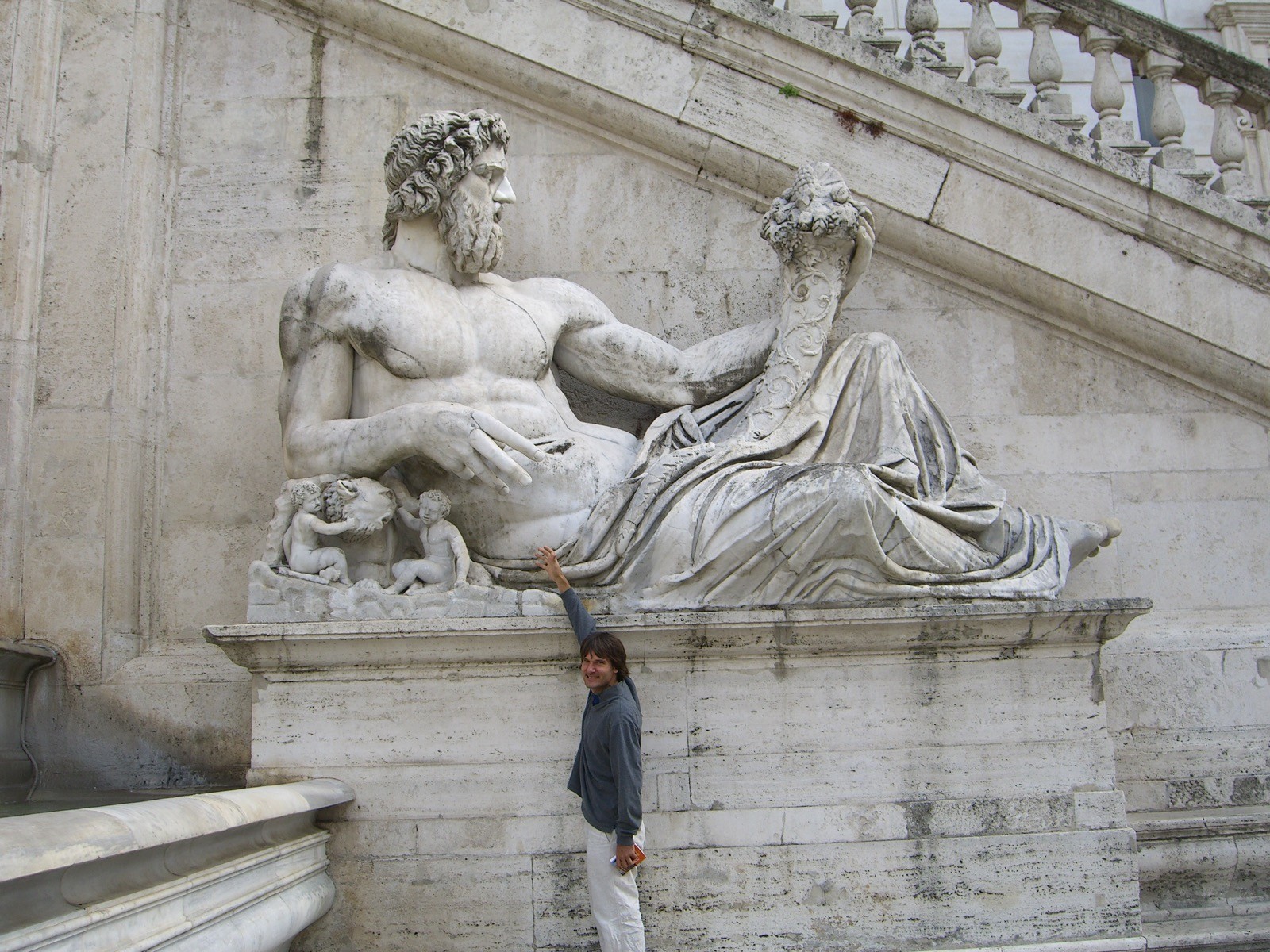
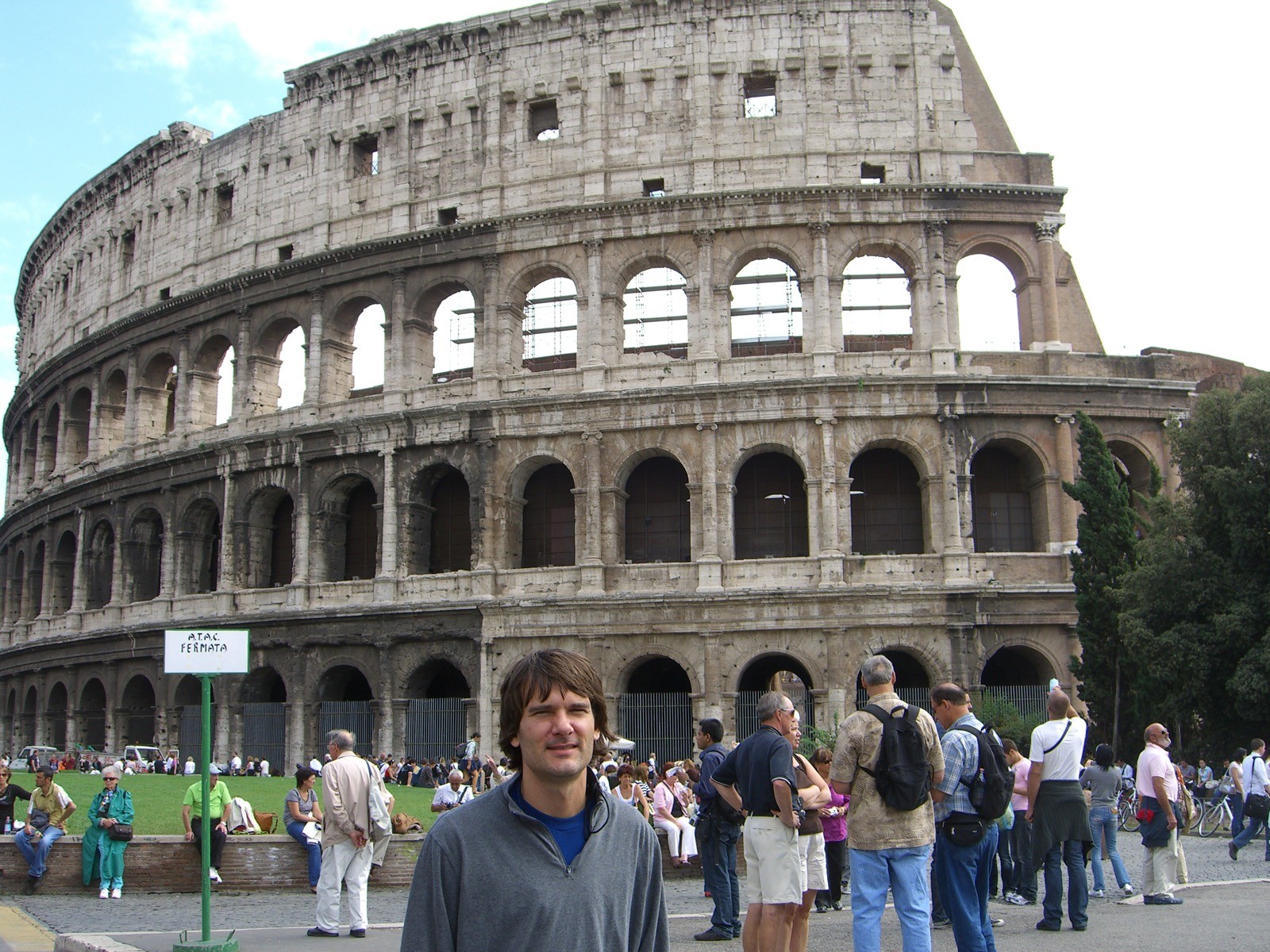
“Rome wasn’t built in a day” meant very little until I actually walked the streets there. You cannot go half a block without running into the sheer labor and artistry behind ancient Rome—half-excavated ruins, fountains, church facades, and muscular marble figures guarding thresholds and rooflines everywhere you look. Even before stepping inside a museum, the city feels like an open-air sculpture gallery. What surprised me almost as much as the ruins was walking past a sports bar in Rome and finding Steelers gear on the wall—proof that Pittsburgh travels even better than I did.
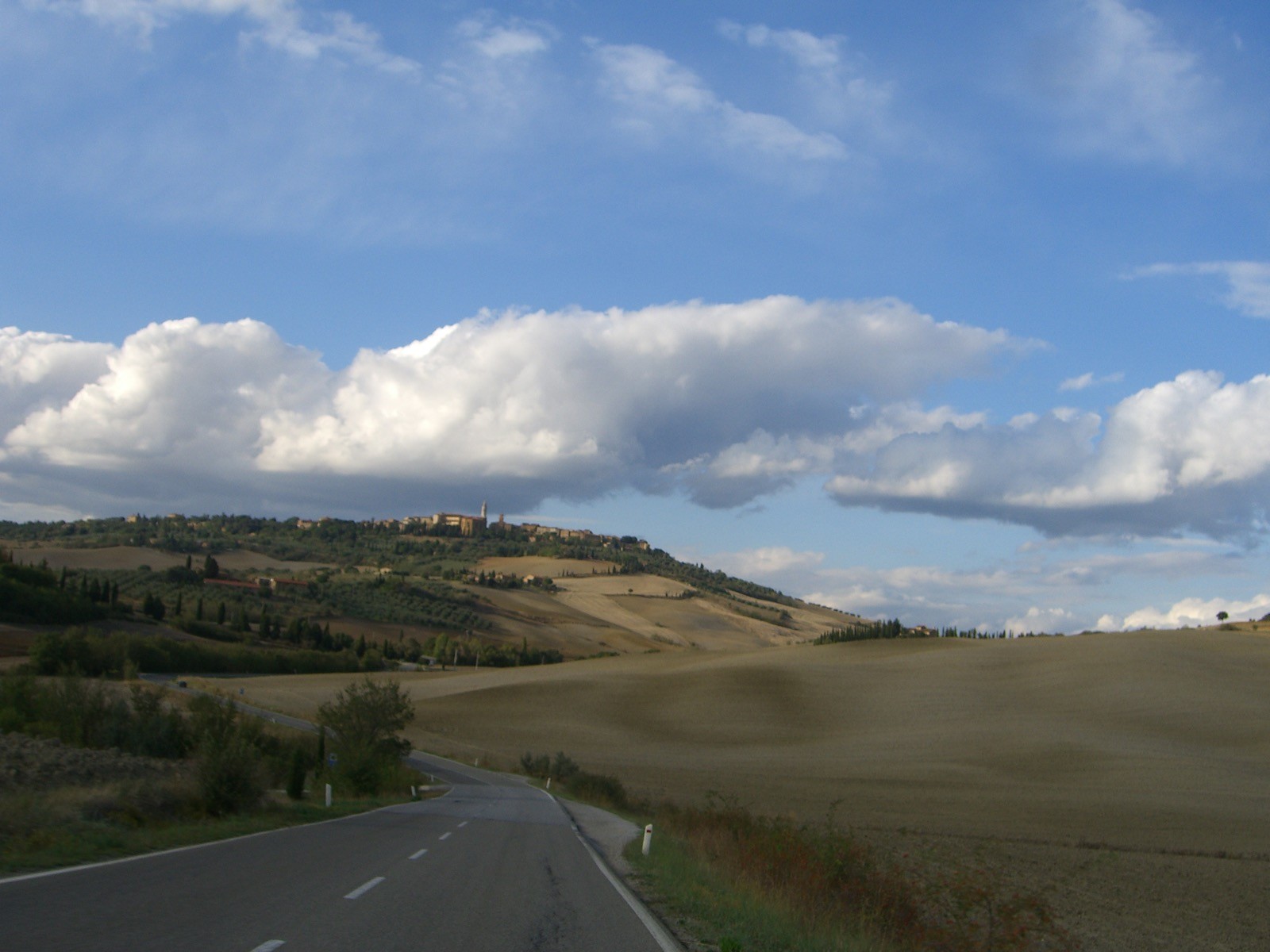
I left Rome riding the clutch of a manual-transmission Fiat Panda, Italy’s quintessential econocar. Driving inside Rome was a grind, but once we cleared the city limits, the roads opened up. Italian drivers are fast and focused, and most countryside highways rely on a single white center line—pass at your own risk—so driving up and down the hills of Tuscany kept me wide awake.
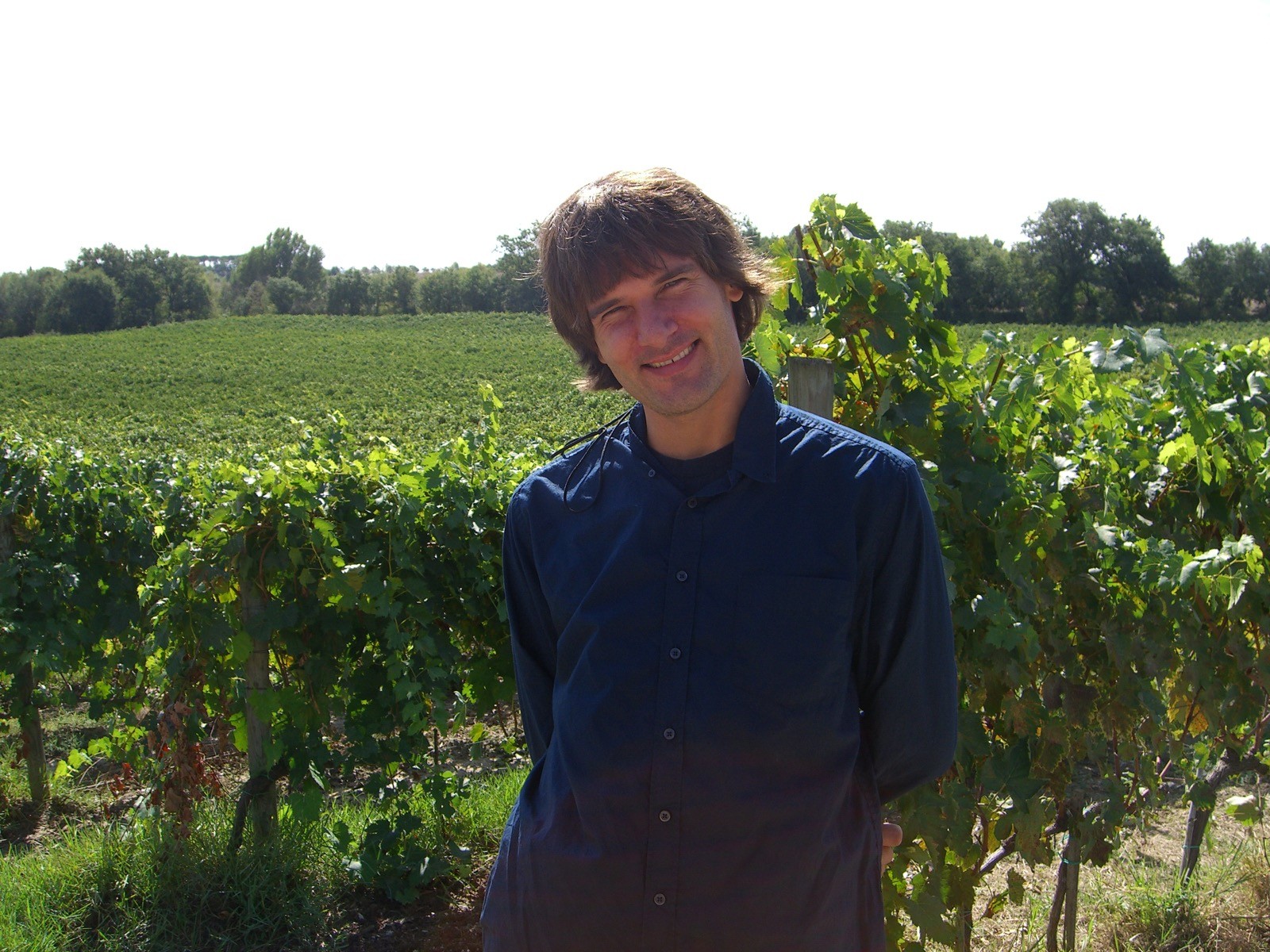
In Tuscany we slowed down. Around Montepulciano and Montalcino, lunch ran at noon, shops closed for two hours in the middle of the day, and dinner did not start until seven or eight. Wineries poured from huge French oak barrels—far larger than California casks—and even kept wine hoses with liters on tap like fuel pumps for local restaurants to refill house carafes. Between vineyard stops, a cooking class, and a short guided bike ride across seventeen kilometers of steep Tuscan hills (where I overshot the final crest and had to climb back up), the countryside forced the pace down the way meditation does. An olive oil mill we visited had moved mostly to stainless-steel presses for efficiency, though they still kept a stone press around for their own personal batch.
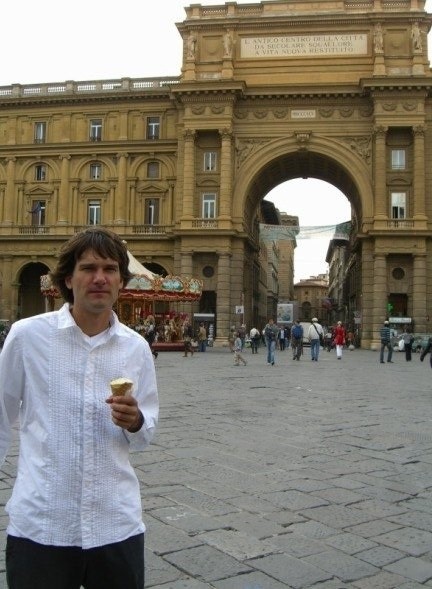
From the hills we returned the Panda at the edge of Florence’s restricted driving zone and wheeled our bags into the center, staying at Hotel Arenula where the owner, Marco, mapped out the Uffizi, markets, and neighborhood trattorias for us. Florence was packed with students, tourists, street chalk artists, and souvenir vendors, yet the views over the terracotta roofs and the Ponte Vecchio lit up at night held their own against the crowds.
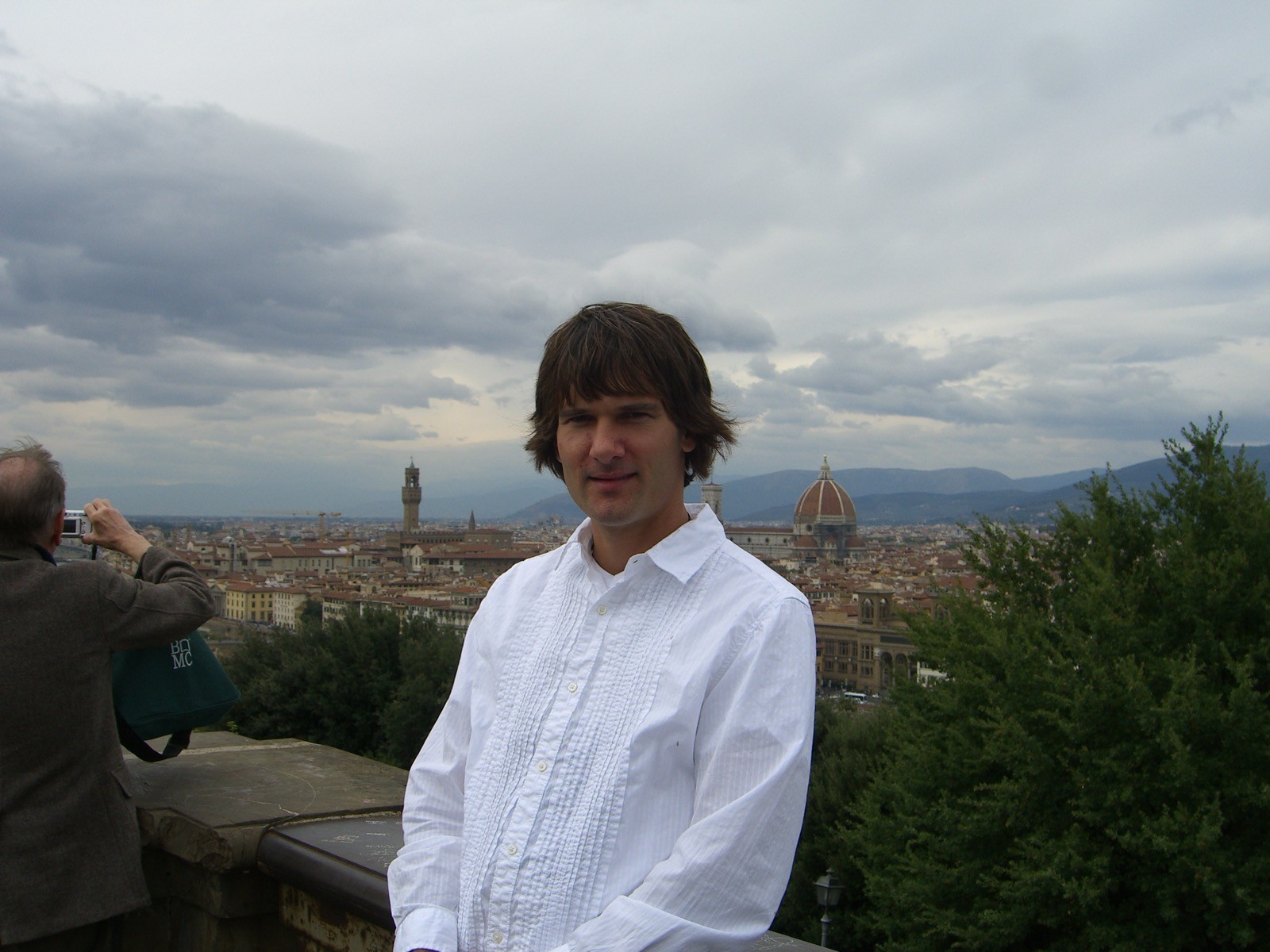
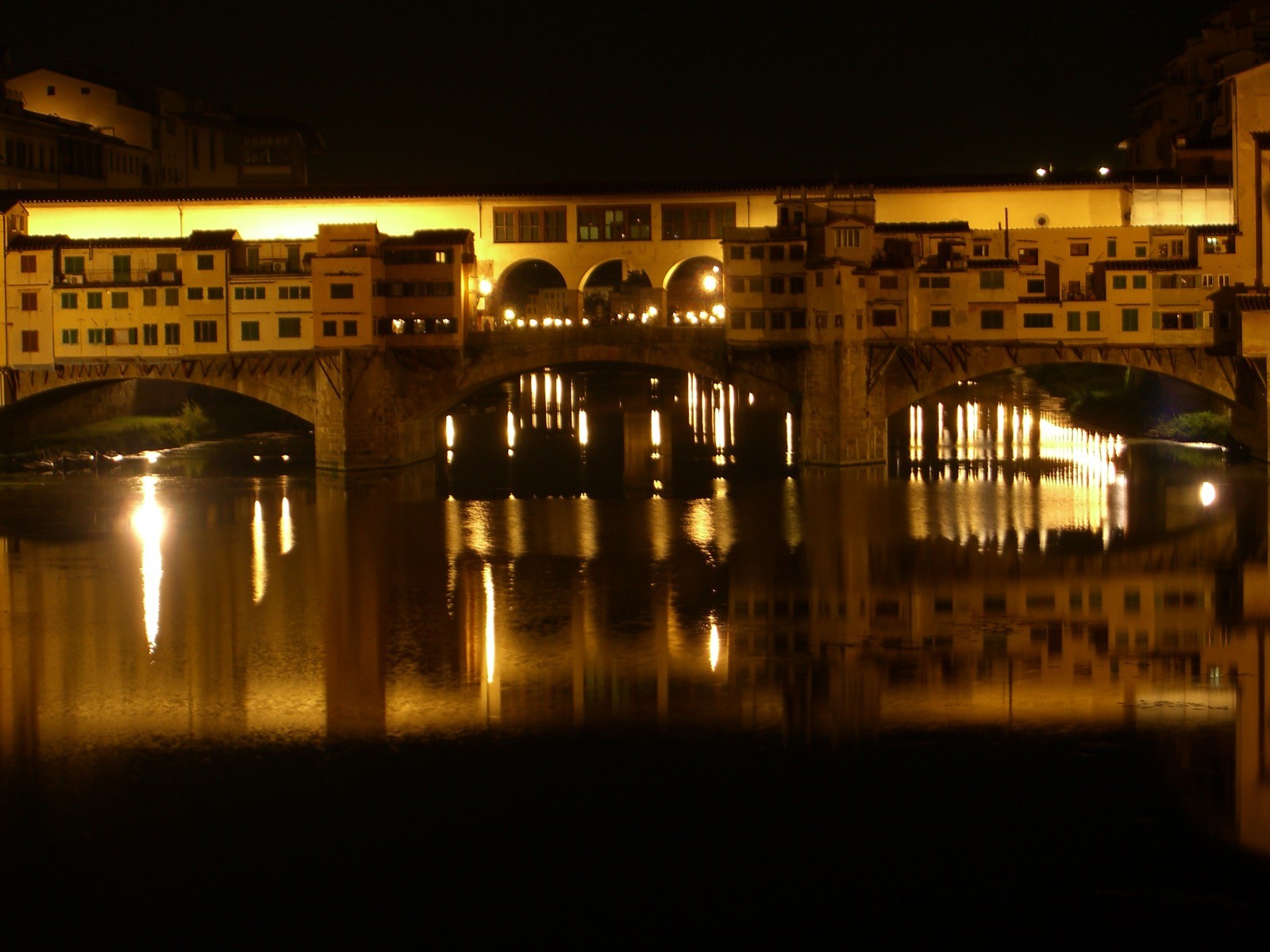
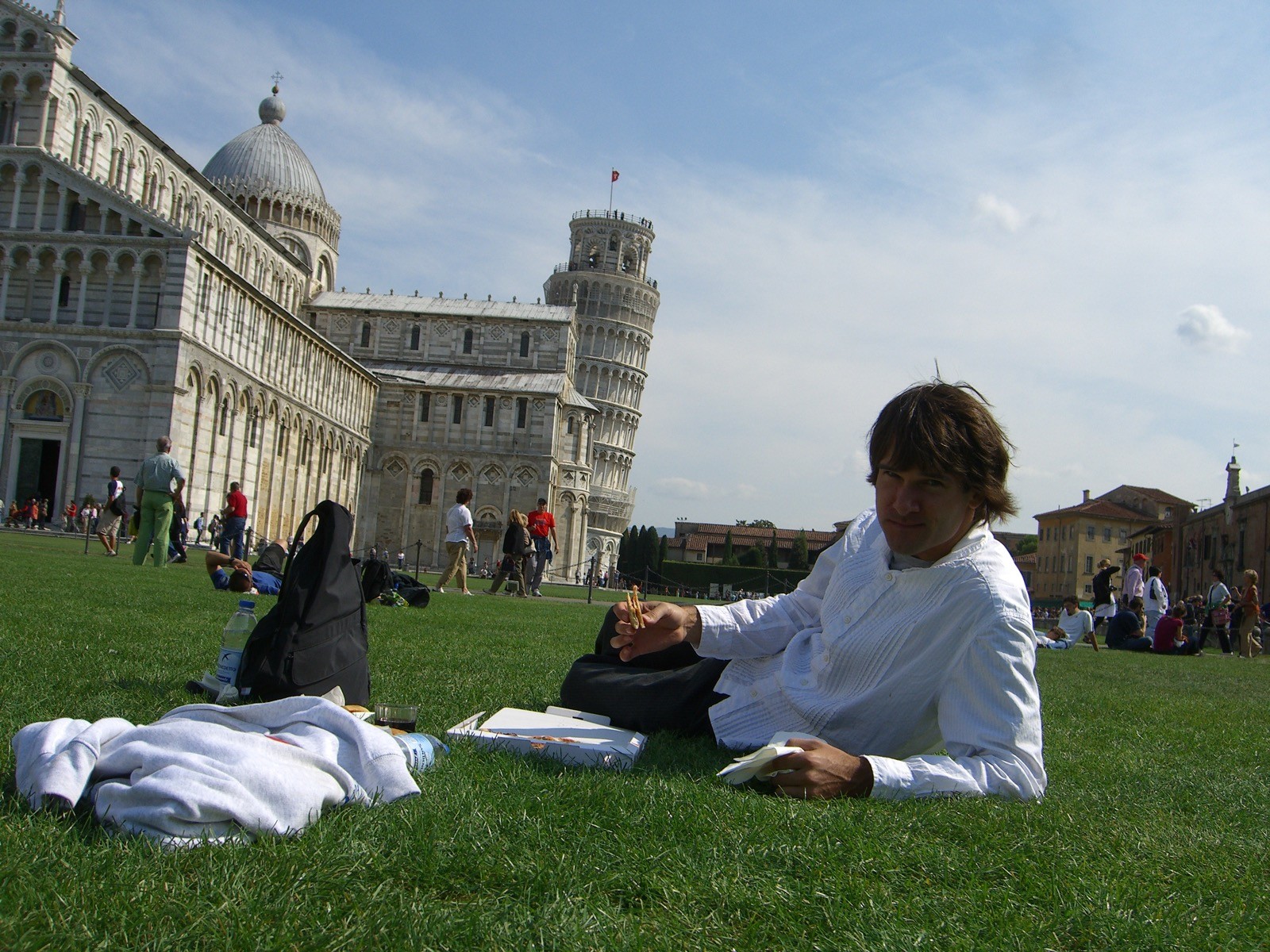
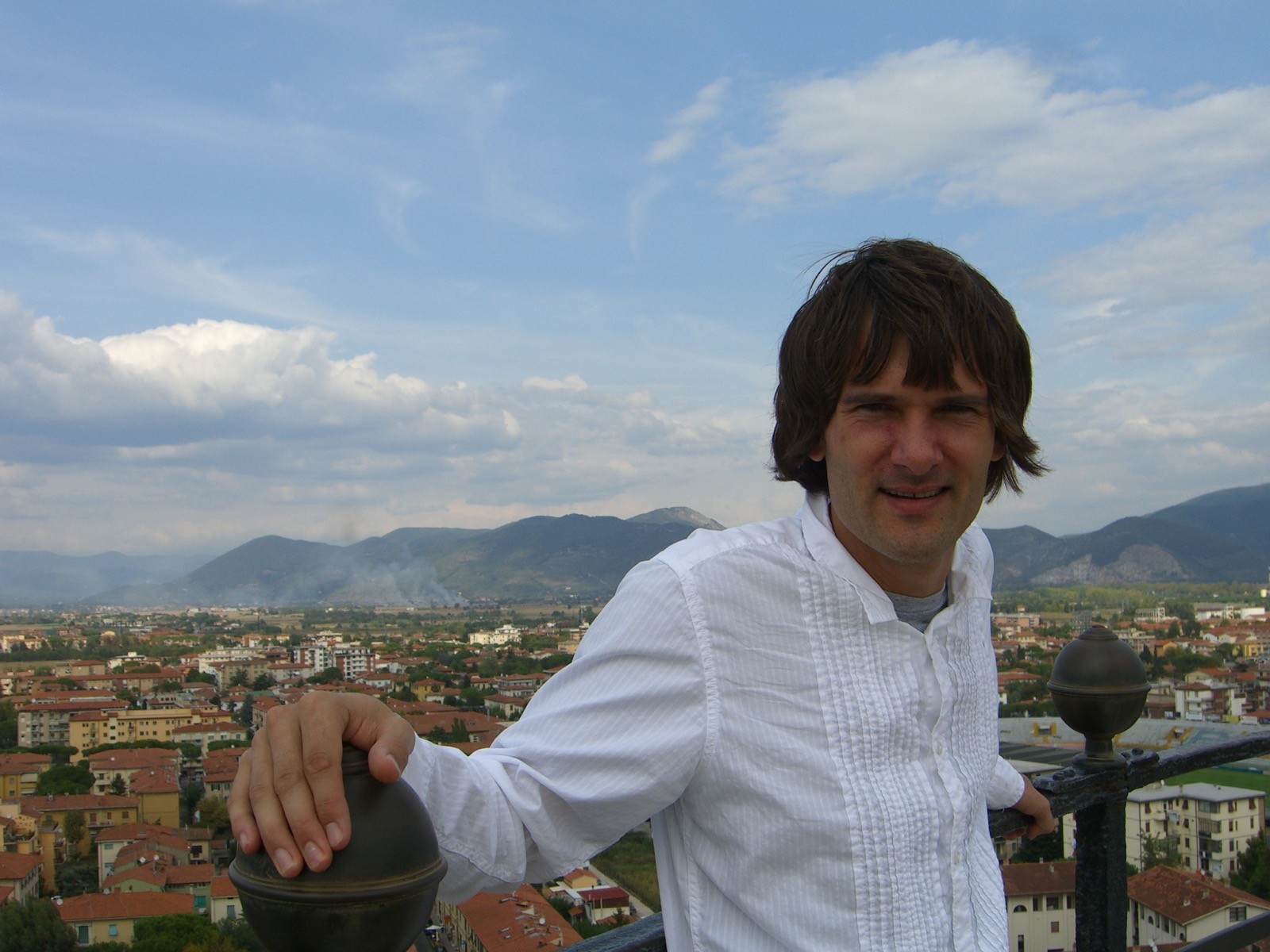
After three nights in Florence we took a day trip to Pisa, climbed the tilted stairs inside the Leaning Tower, and sat out on the grass eating pizza with a bottle of 1997 Montalcino before heading to Livorno to catch the overnight ferry to Corsica.