Cosette, a friend I had met in Lyon, joined me in Amsterdam. After staying almost exclusively with locals everywhere I went, I was about to travel to a city the way most people do: with a friend. Anyway, we were still staying with locals.
Our first host was a 29-year-old Hungarian businessman named Ján. Ján worked for “The Firm.” His coworkers said their line of work involved information-security consulting, but there was a haze around exactly what the company did. They kept saying it was best described “like the movie.” Ah, the white-collar desk-job life of making CEOs rich and building empires — those were the days.
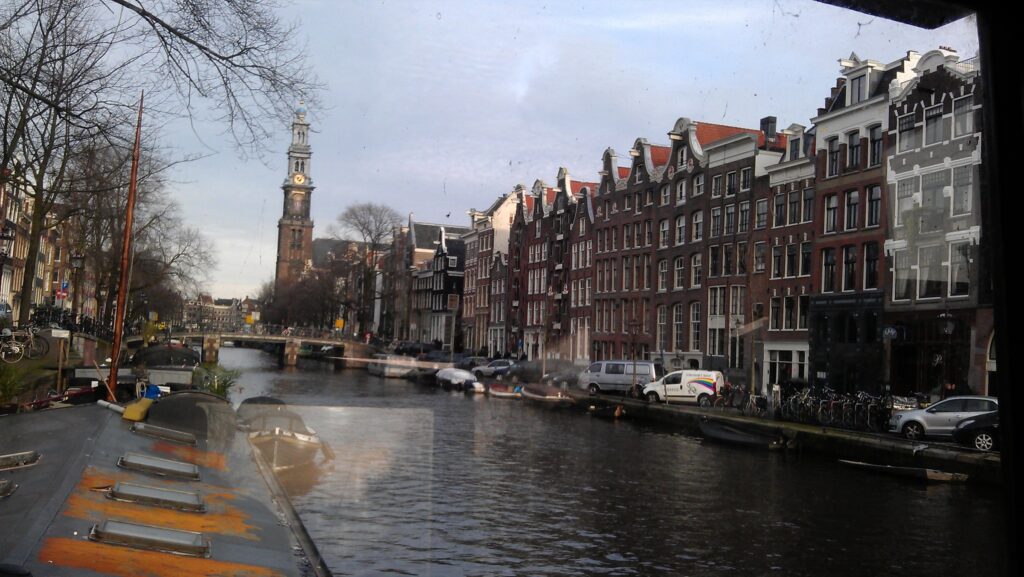
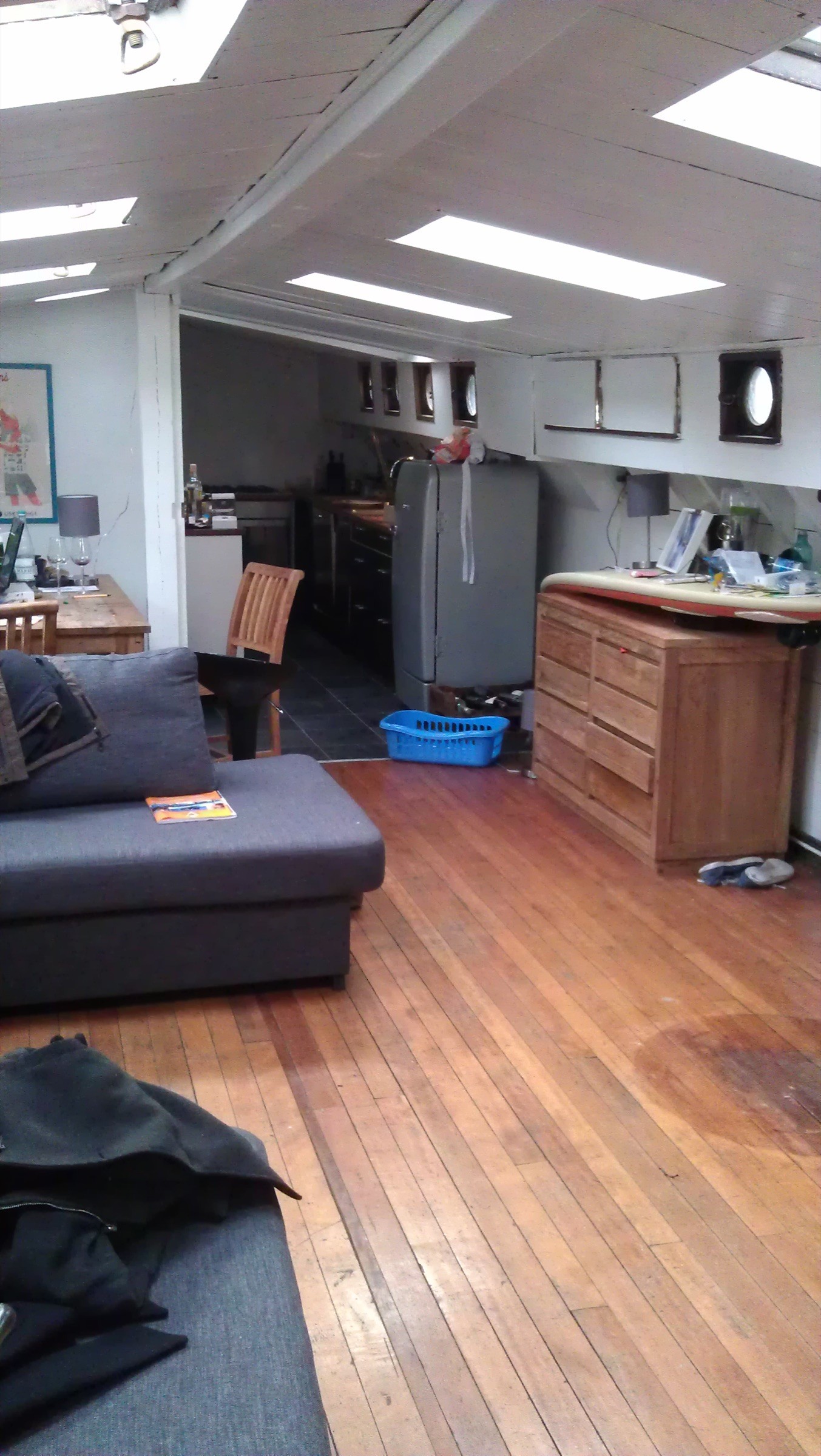
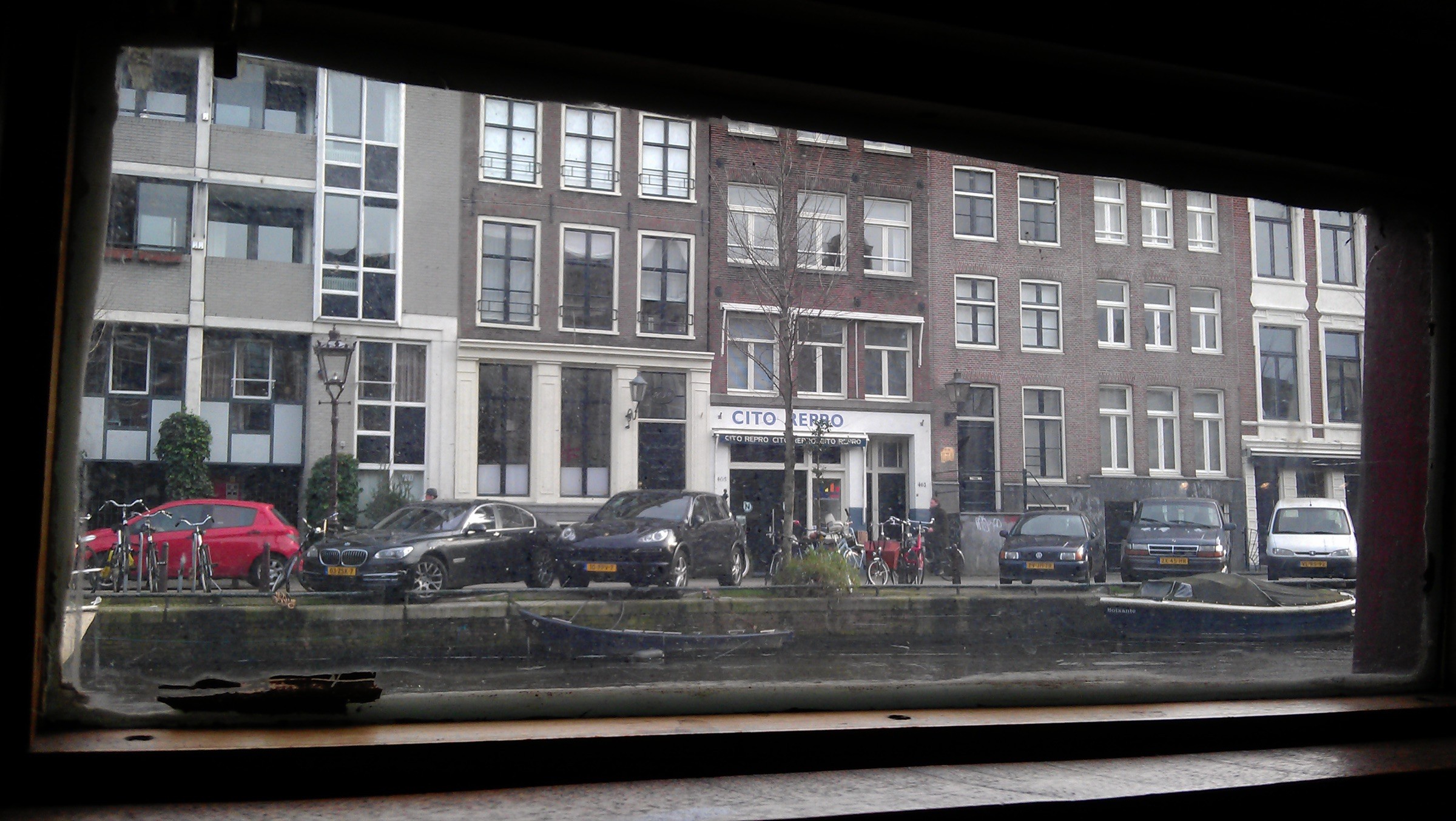
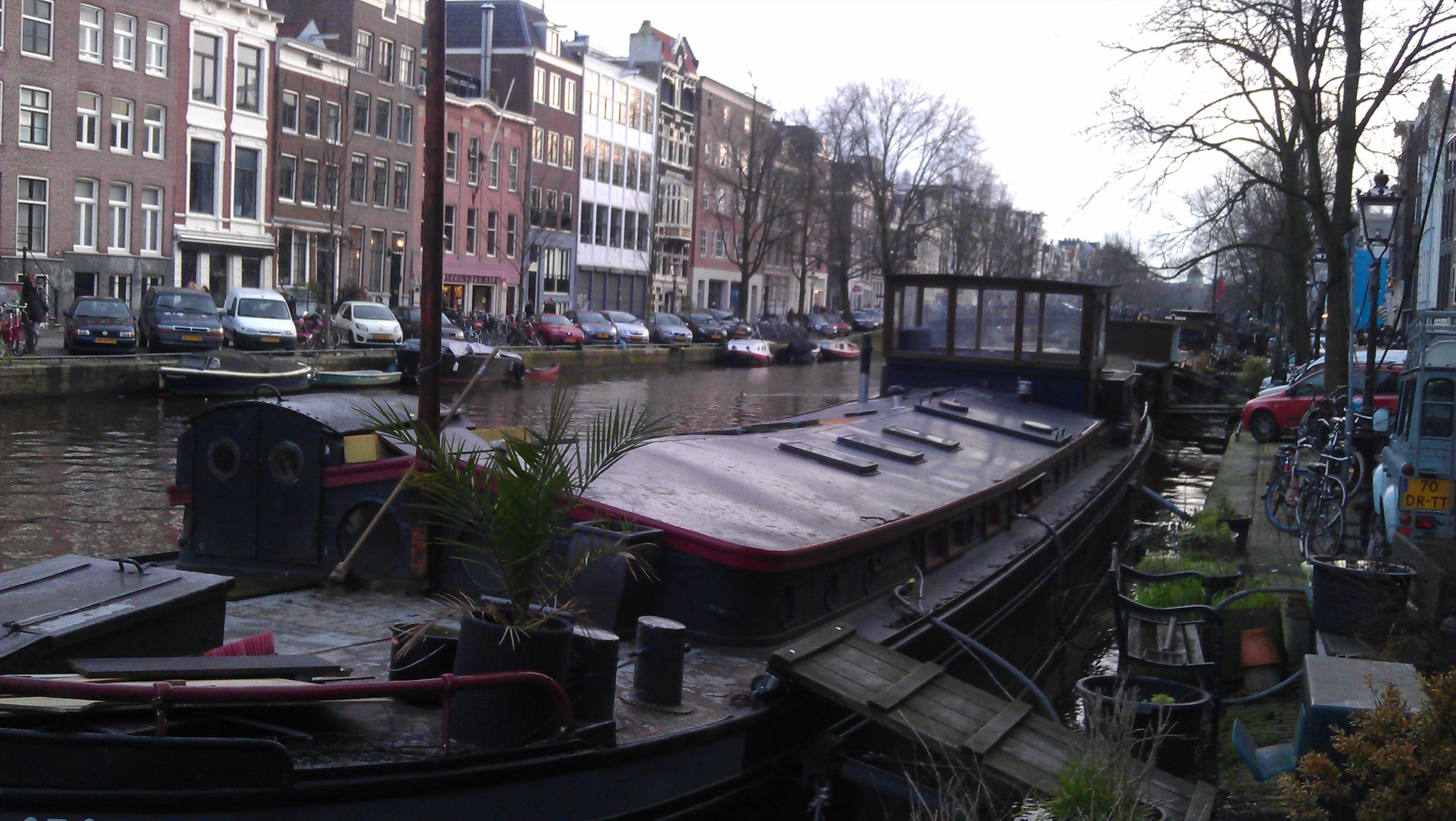
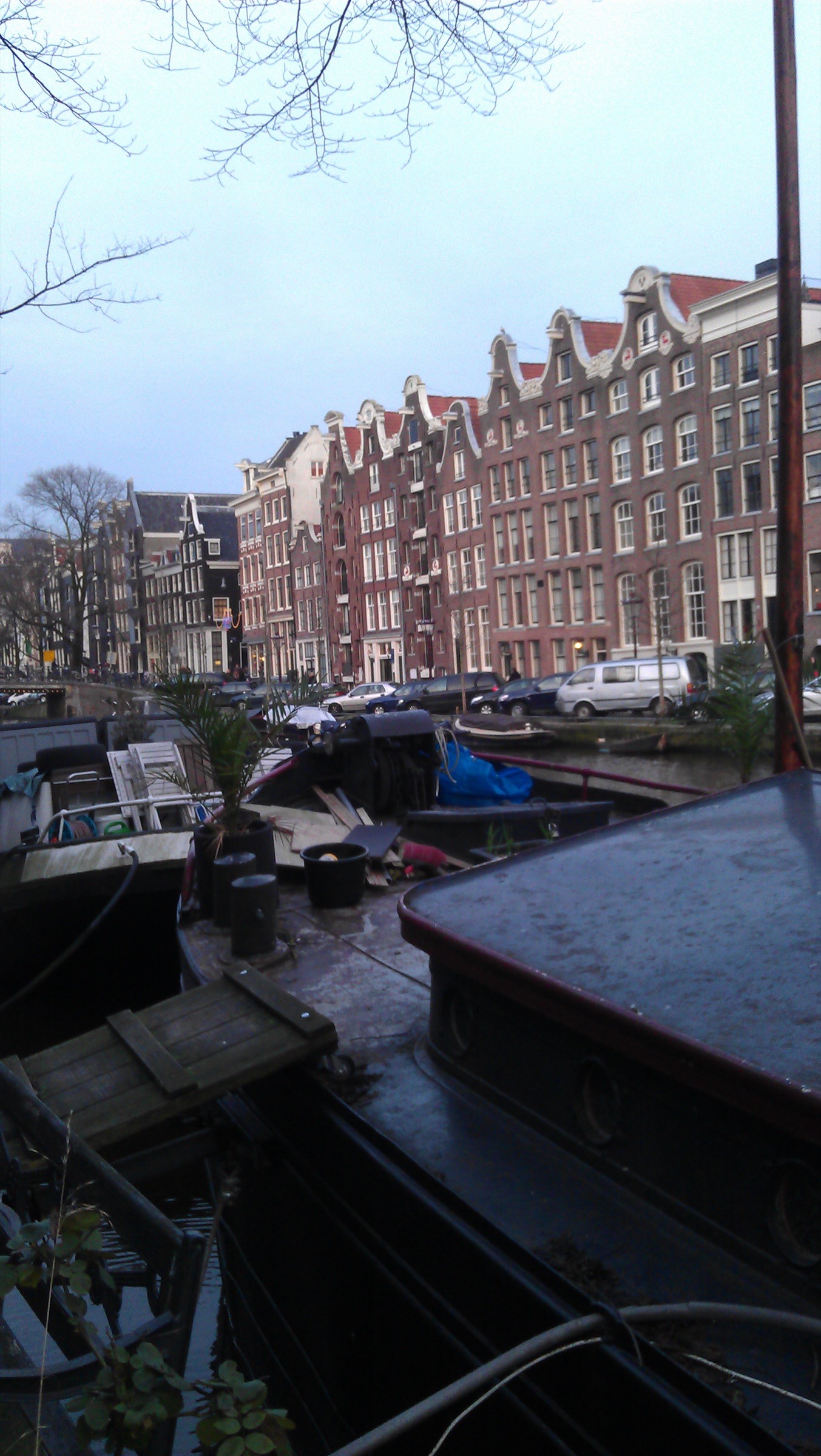
Ján lived in a canal houseboat and gave us the guest bedroom. He had swung a six-month lease from a woman who bought the boat but had to spend the winter in New York. At about €1,000 a month, it seemed reasonable for such a memorable pad, but no matter how novel, a boat had its shortcomings for a tall person. Getting in and out was a stretch, and the headroom got tight at the edges.
We had a dinner-boat party with the firm, but Ján was mostly busy with work and preparing for an Austrian ski trip. Cosette and I were left to eat, walk around, and visit the Rijksmuseum together.

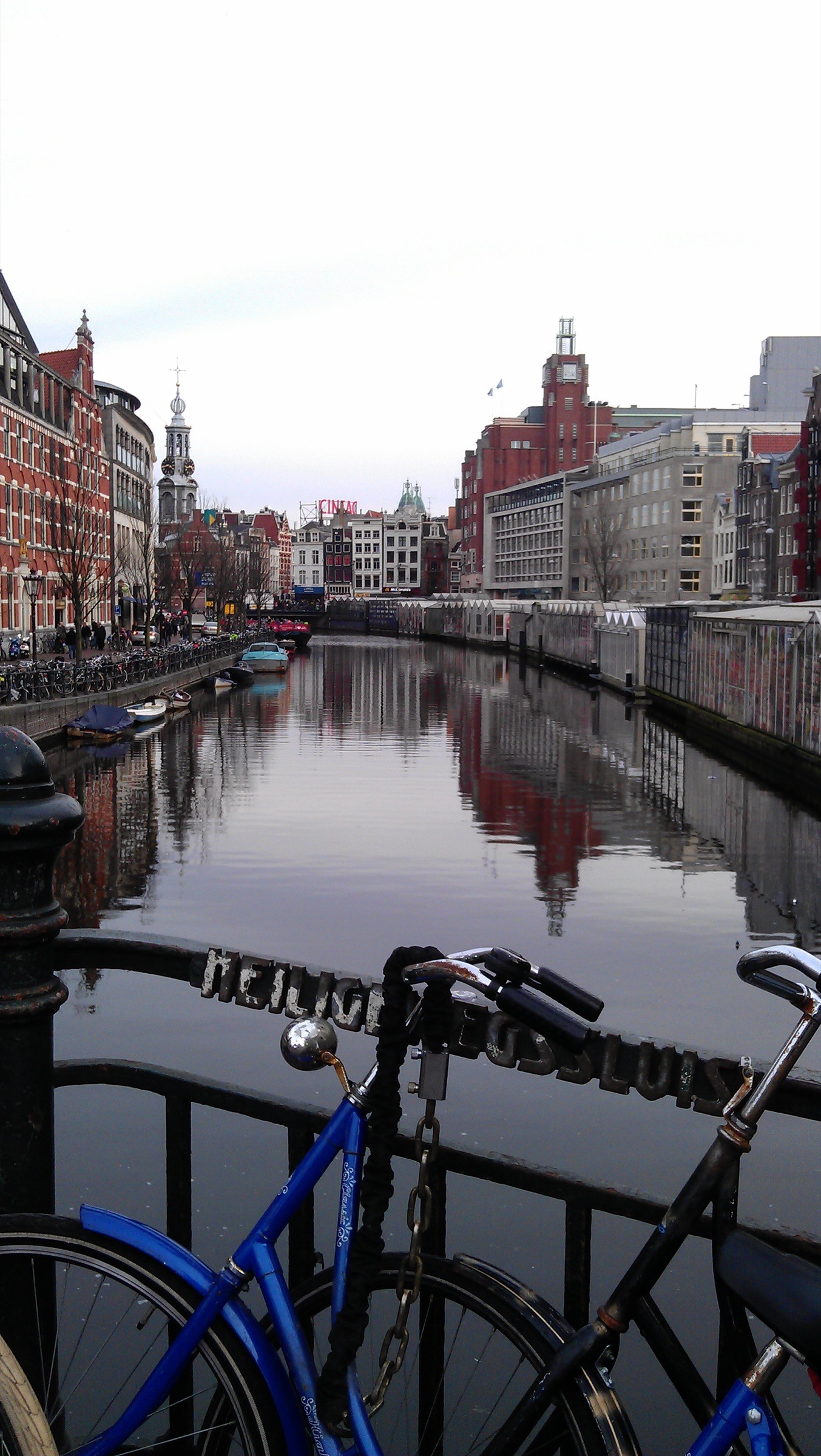
As a fan of realist paintings, the Rijksmuseum was easily my favorite. Realism went out of favor when the photograph was invented, but society later came back to it as art rather than as reproduction. The paintings blended reality with a cartoon-like fiction, especially in the unbelievably realistic spots — or, I guess, believably. Though the museum had several floors and sections, focusing on the 17th-century Dutch realist paintings was a great way to burn an afternoon. Attempting to cover more might also have burned out my eyes.
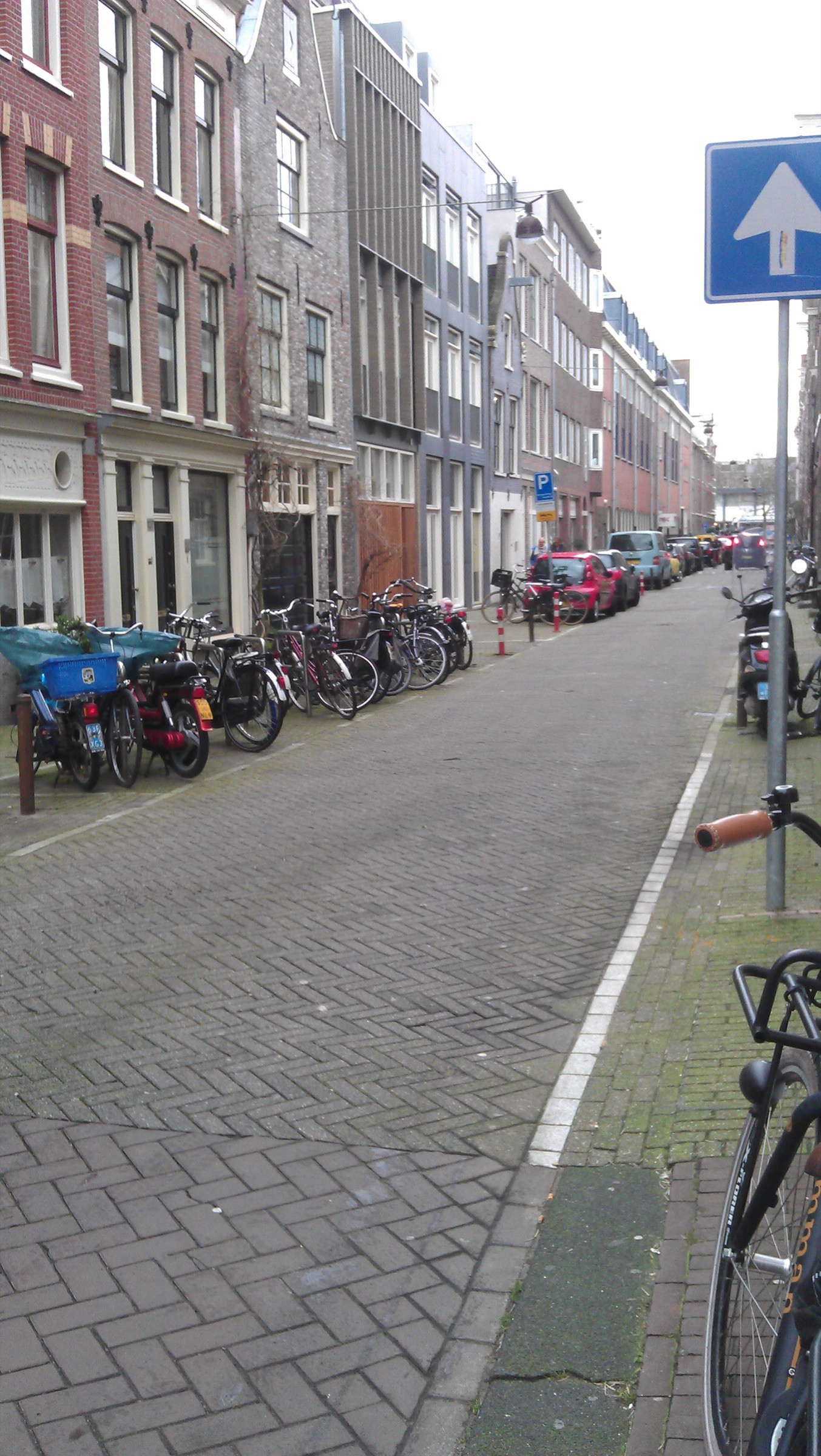
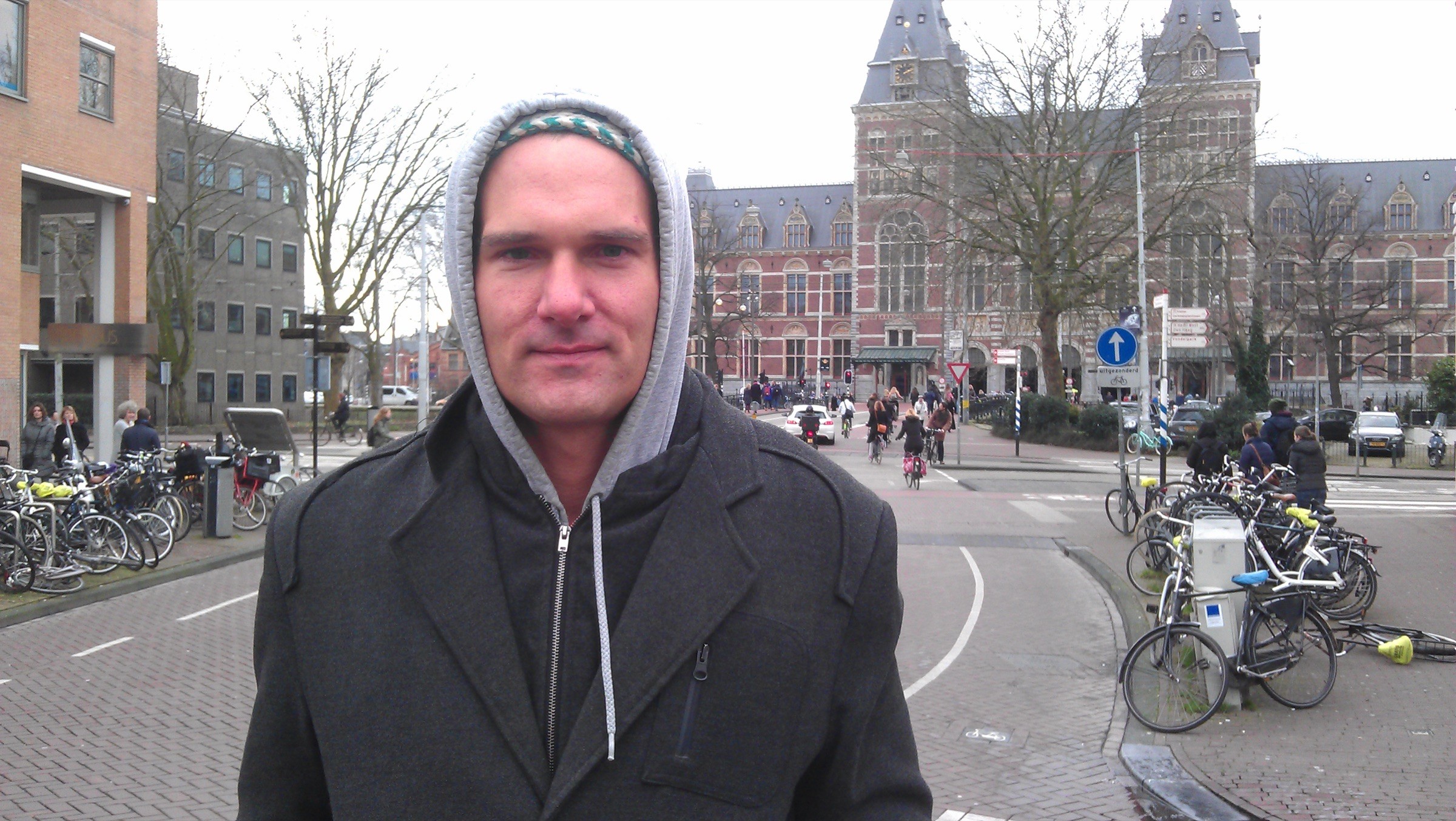
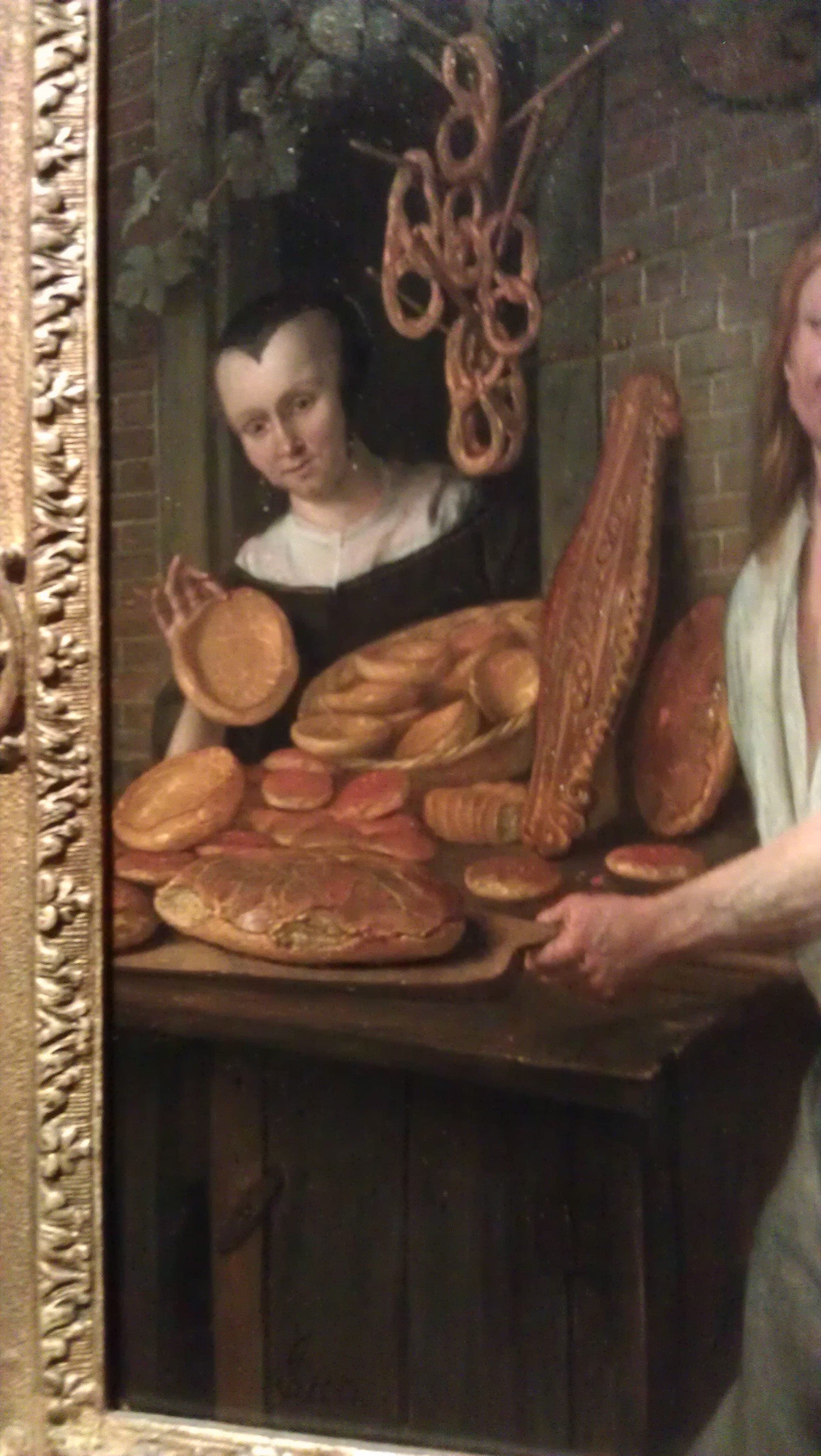
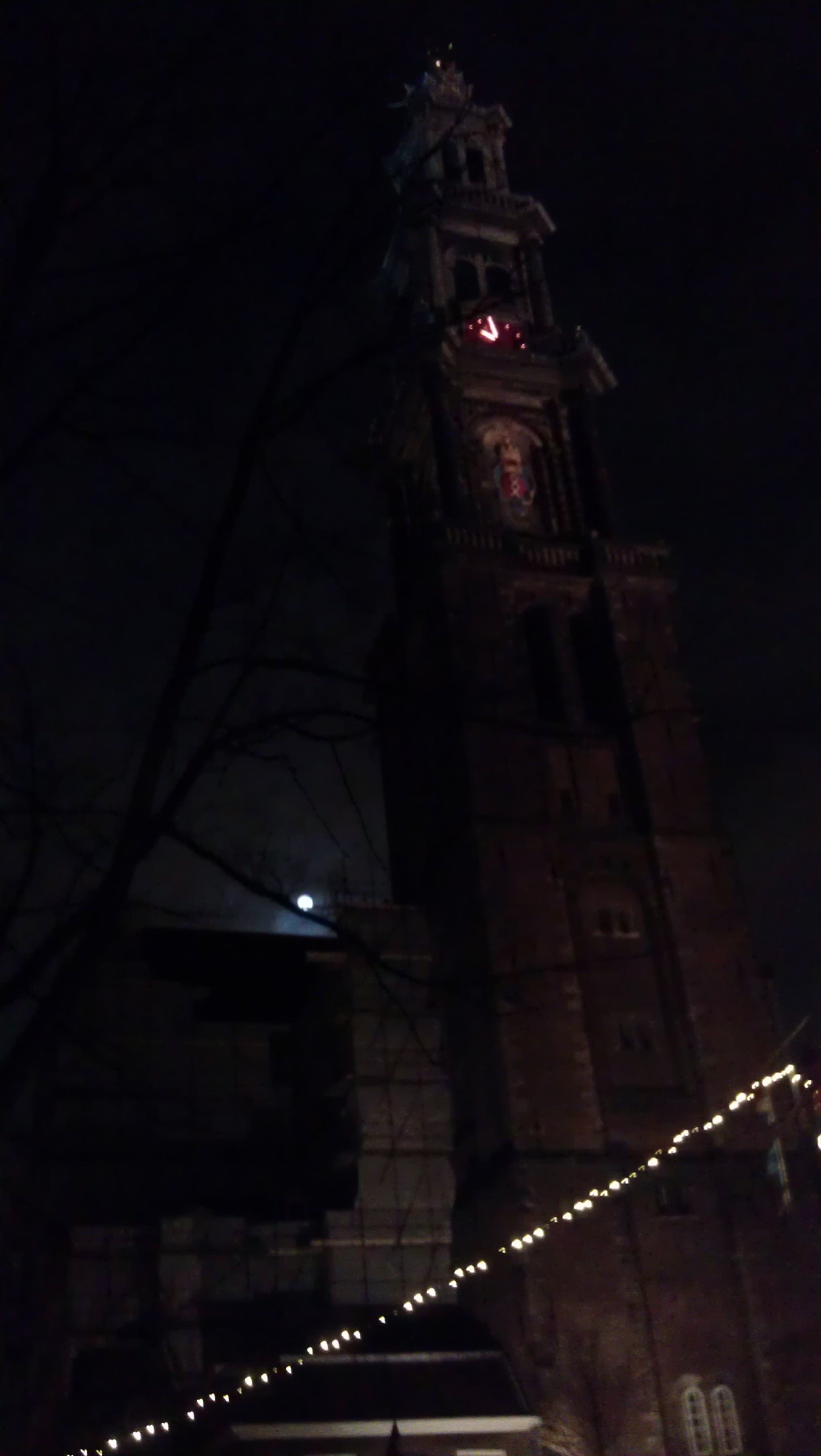
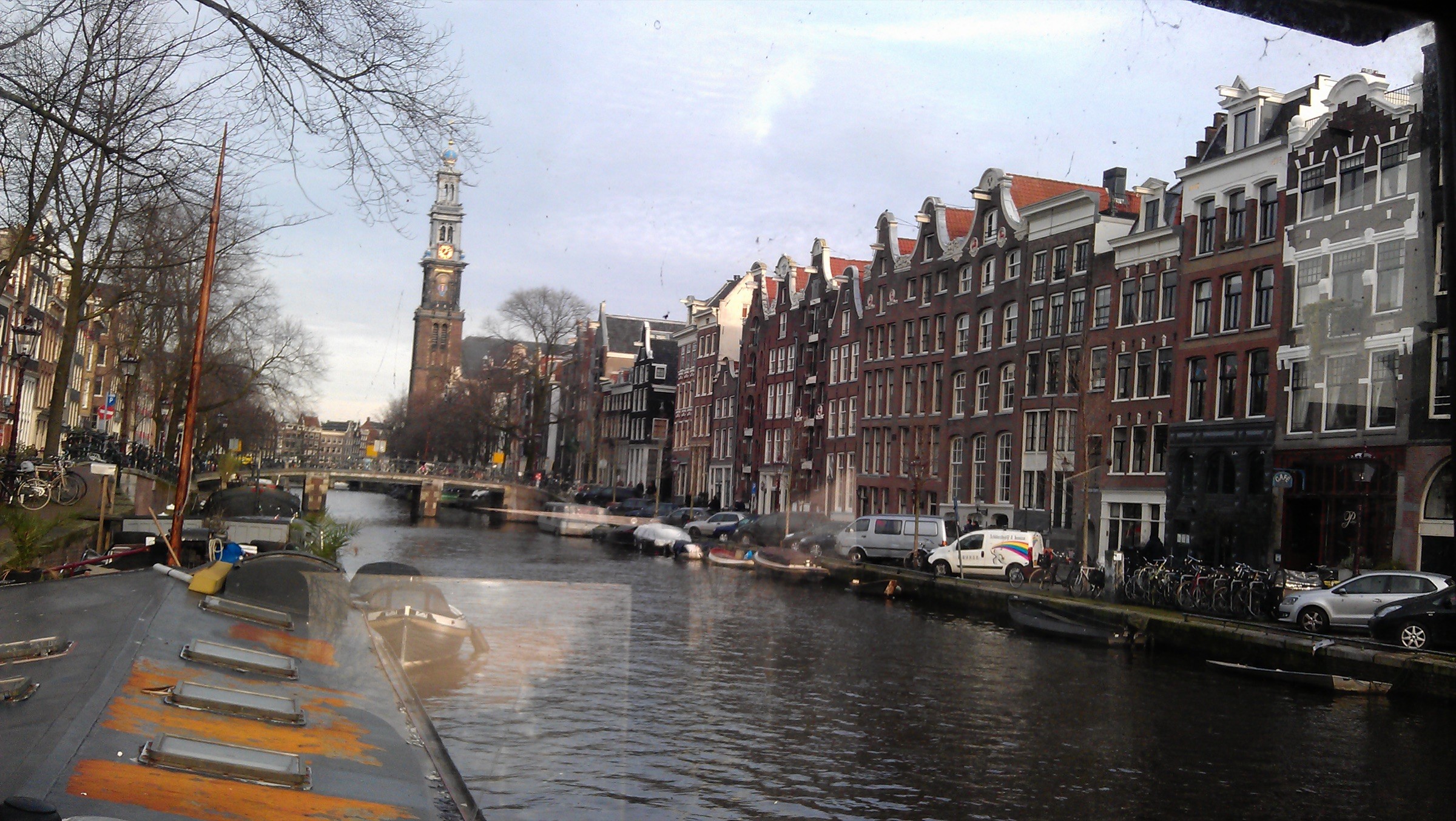
Our second host was a bright and vivacious thirty-something woman, born in Seoul and adopted by Dutch parents at an early age. She was as Dutch as anyone else who had lived in Amsterdam all her life, but when someone asked “Where are you from?” she found it easier to explain her face by saying she was from Korea.
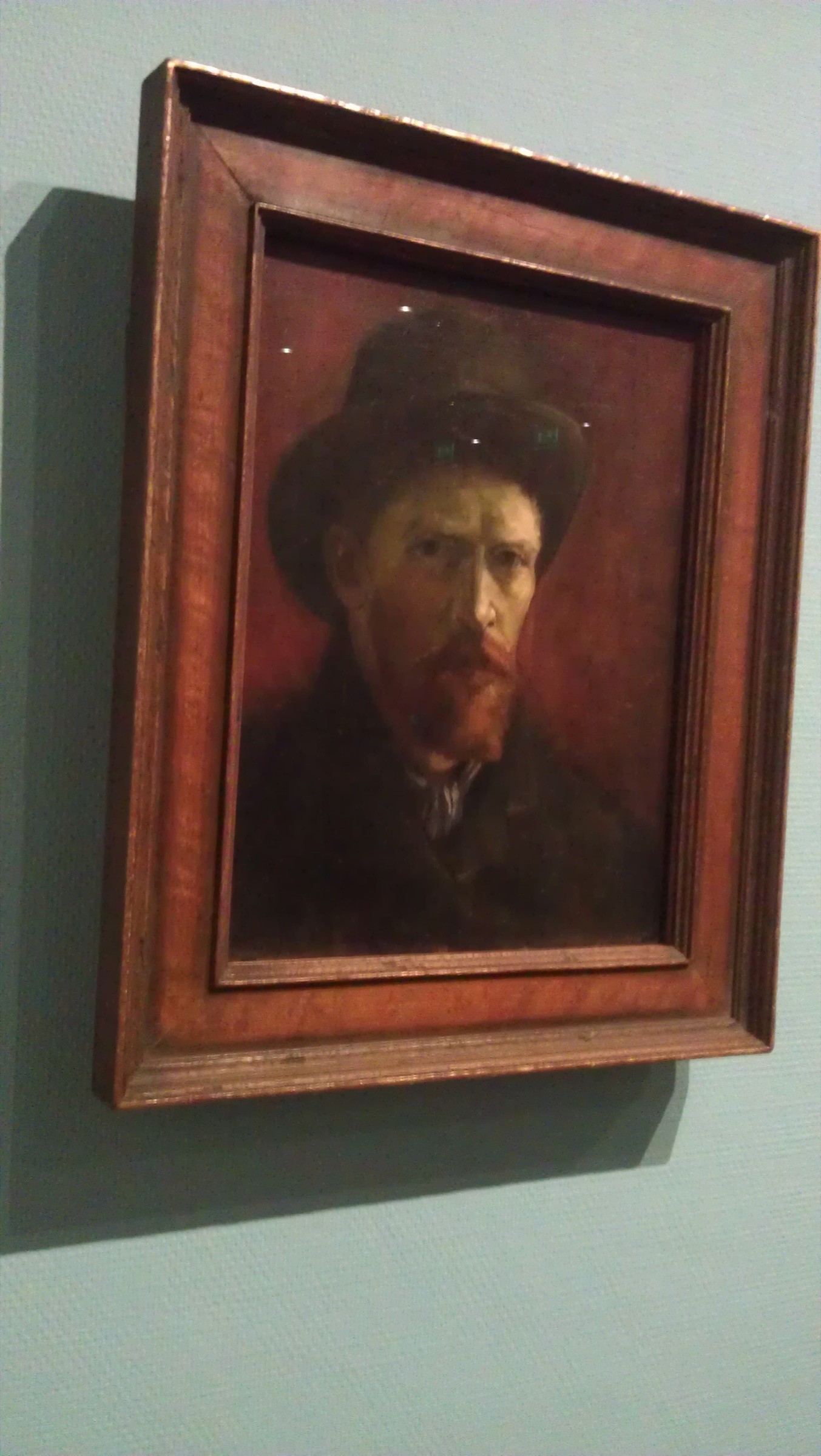
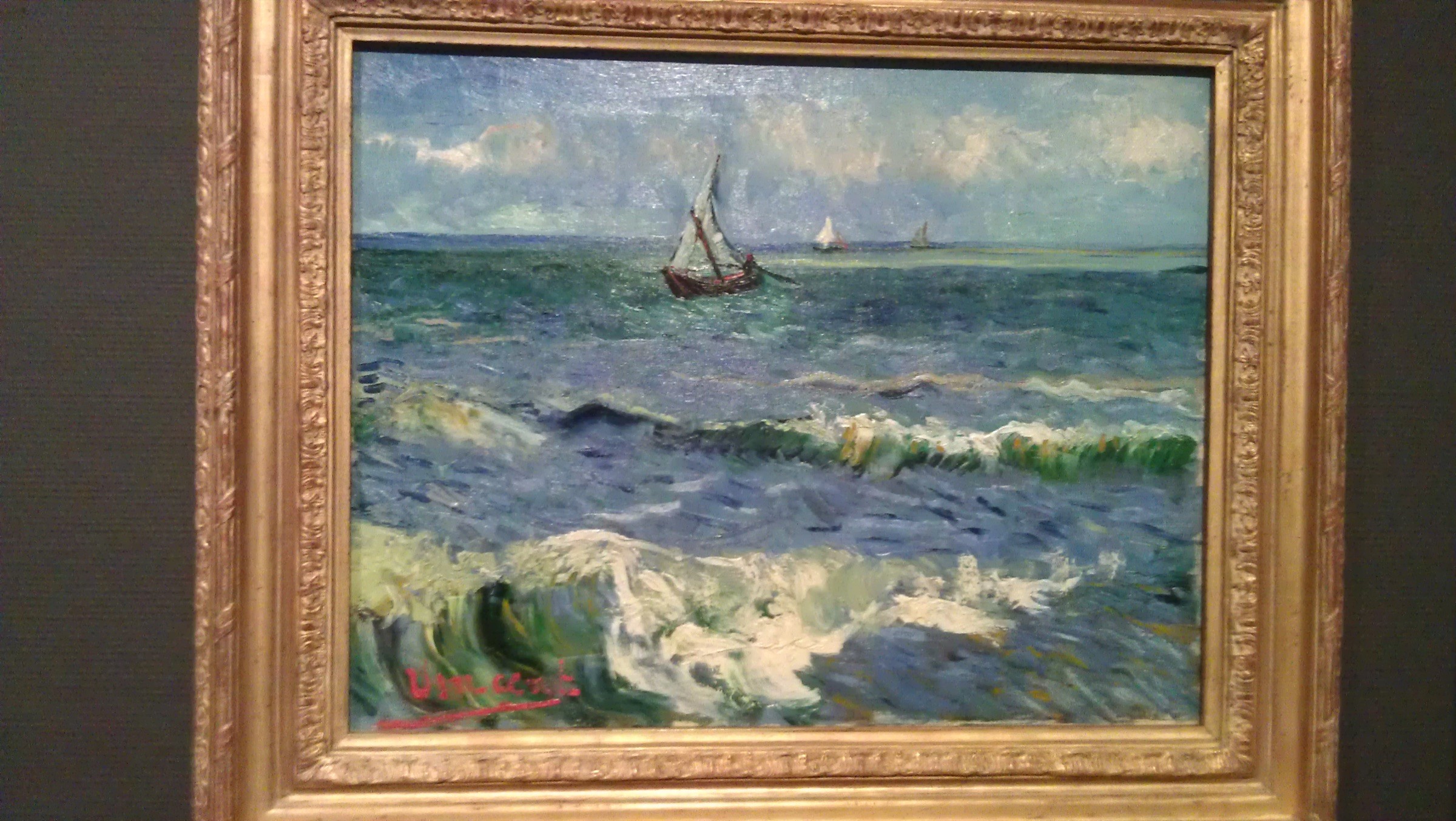
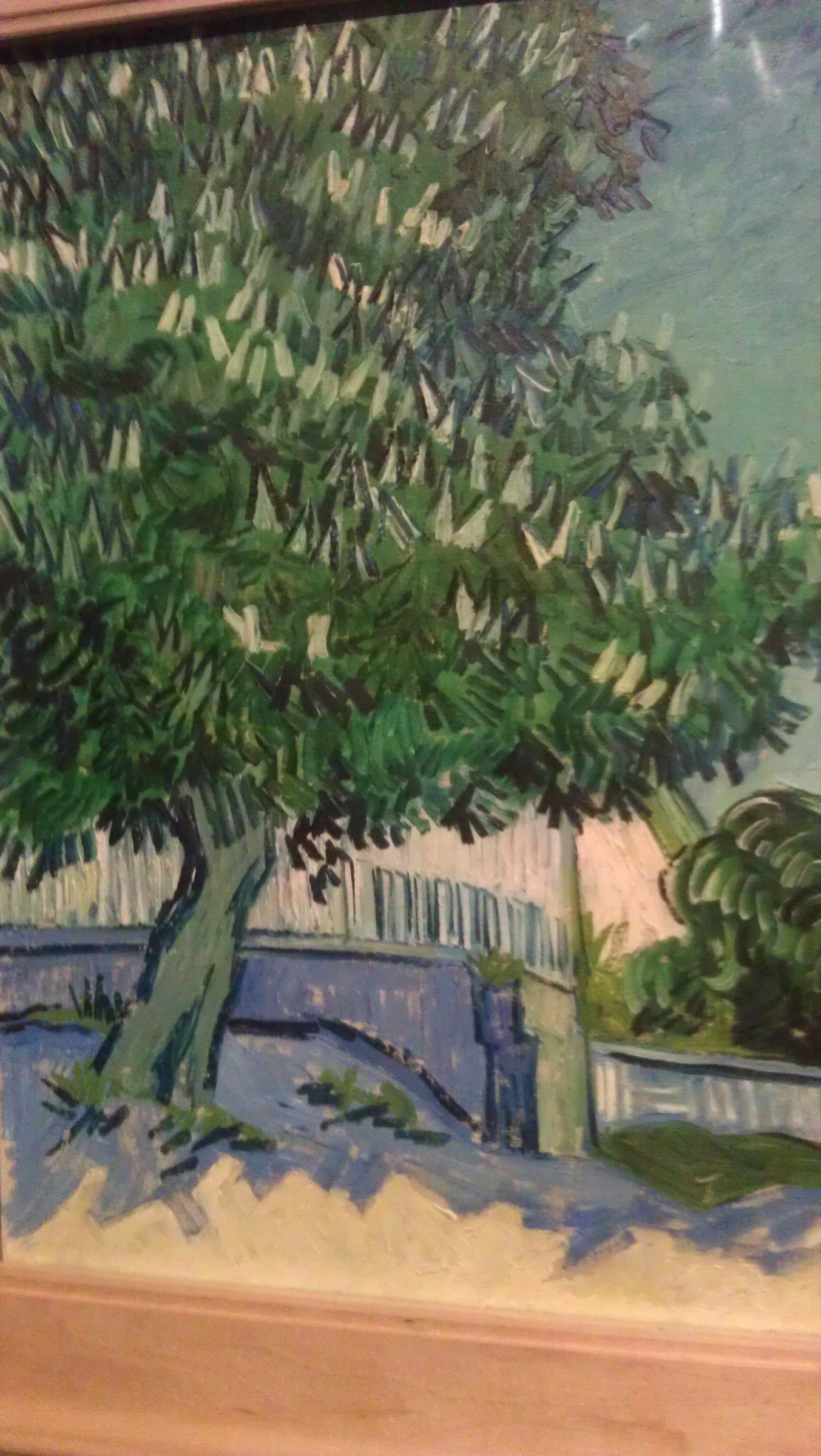
The next morning, Cosette and I went to my other favorite museum, the Van Gogh. It not only had a plethora of his paintings, with works from his influences and contemporaries, but it also painted a picture of his life, his aspirations, and his artistic growth over the years. It wasn’t until he was in his twenties that Van Gogh decided to dedicate his life to art, at which point he enrolled in art school. Over the next — and final — ten years of his life, I could clearly see his work evolve. More color; more detail; more motion. He began to perfect his technique, but the life of a struggling artist took its toll. He checked into the asylum at my age of 36, where he painted The Starry Night and others, before dying broke and relatively unknown, only to be appreciated posthumously.
Who knows what would have happened had he lived a few decades more? I suppose it could have gone either way; art is funny that way. By the end of the day I’d had enough eye candy, and we returned home to our third-floor Dutch flat. The only way up was either a narrow spiral staircase, or ropes and pulleys attached to a hook that hangs above every apartment building in the Netherlands. The hook was the only way to get pianos, furniture, merchandise, and the morbidly obese up there.

On our final day in Amsterdam, Cosette and I unconsciously decided to spend it apart. She went to the Noord, north of the city across the Noordzeekanaal. My mission was to make it to the library near Centraal Station and play their public piano. Never passing an opportunity to play music, I went over the recommended thirty minutes per person per day. Then it was a long walk back to the flat.
When I arrived, my host was cooking dinner with two Asian guys. They were Burmese defectors who had lived in Amsterdam for the last seven years, through the political upheaval in Myanmar, which had only recently calmed down enough to make it a desirable Asian tourist destination like its neighbor, Thailand. The three of them cooked a meal with a delectable Asian flavor, the likes of which I hadn’t tasted in about four months. The night was merry, and it was a great way to cap off the stay. The next morning I parted ways with everyone and took the 197 bus to the airport. I was off to Iceland.
Through the experience, I confirmed that I had been doing it right all along to go solo. Solo travel forced me out of my comfort zone and into meeting new friends. That opened the possibilities of what might happen onto a wider palette of experiences. Group travel created an island of isolation, and mystery was compromised for consensus. There can be doubts and fears of the unknown with solo travel, but those thoughts make loneliness possible only if one is not willing to make an effort to meet new strangers. The lonely moments in Valence and Hydra were a fine tradeoff for the months of wondrous experience with new friends.
Ten Years Earlier, and Twenty: October 1998 & October 2008
Before that winter houseboat stay in 2014, I had been to Amsterdam twice—first as a college student during my fall 1998 semester abroad, and again almost ten years to the day in October 2008.
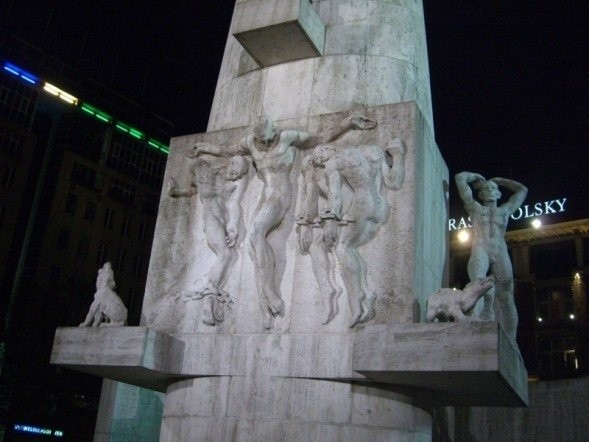
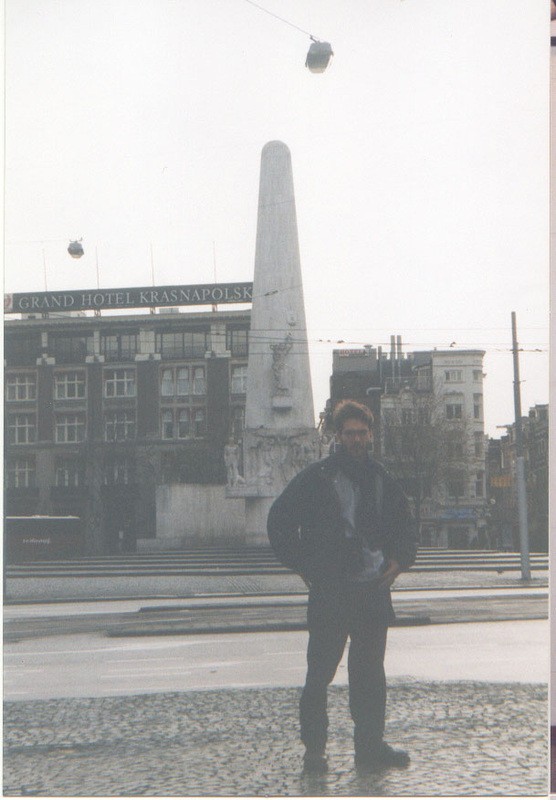
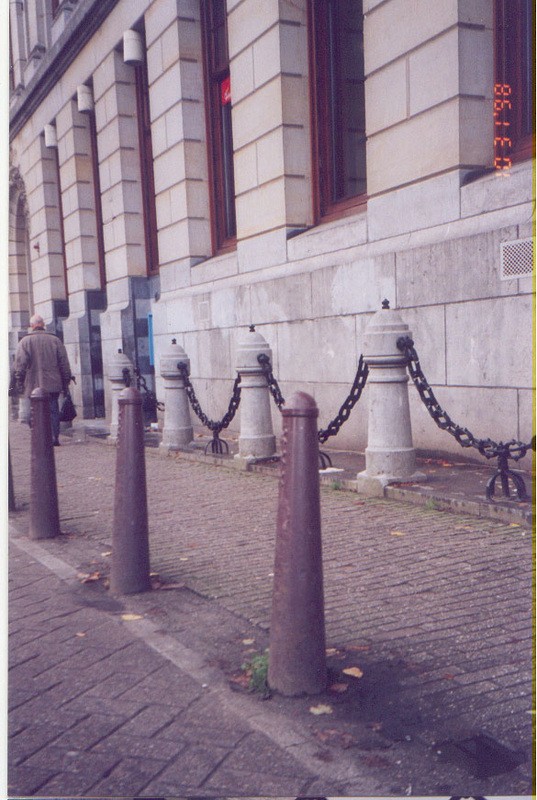
In October 1998, Amsterdam hit me first as a study in personal responsibility and city design. Every sidewalk edge was lined with short round-capped bollards to keep cars off the walkways and pedestrians out of traffic, and at the center of town stood the tall stone obelisk in Dam Square. Coming from the United States, the city felt built around a simple libertarian premise: do what you want, so long as you aren’t hurting anyone else—paired with the expectation that you pay attention and take responsibility for yourself. Nobody held your hand. Our first hour in town, a friendly stranger claiming to be a fellow New Yorker offered to walk us to a “great” place to stay that turned out to be a shady hotel he was clearly steering business to. In Amsterdam, you stay alert, decide where your own line is, and move on.
When I returned in October 2008 for twenty-four hours between Nice and a workweek in Paris, the canals and streets were just as layered—lanes shared by pedestrians and bicycles, others by pedestrians, bikes, and trolleys, and wider routes carrying cars and boats side by side. What stood out most in the museums—both the Rijksmuseum and the Van Gogh Museum—was the Dutch attention to detail: Golden Age still lifes of fruit painted with a realism that looks almost photographic centuries before cameras existed. Even the smallest things carried local quirks, down to cash registers rounding away one- and two-cent euro coins, a holdover from the old guilder days. And at the NH Barbizon Palace, after weeks in Italy and France without a single washcloth, the bathroom not only had washcloths waiting—it had a tiny book of bedtime stories by the pillow inviting guests to take it home.