I had just come back from a 13-day trip to Peru to see one of the seven wonders of the world. I didn’t fly into a tourist hotspot and take a bus to the gate. I walked to it, a seven-day, 65-mile trek over centuries-old trails made by the Incas.
The Salkantay Trek is one that some people do on their own, primitive camping, or with an inexpensive guide. I decided to combine the rigor of the days with some ease at night: gourmet meals, hot showers, and high thread-count sheets on soft beds, with Mountain Lodges of Peru. Budget travel is fun, but this was the front edge of the rainy season, and the trail would climb as high as 15,000 feet. I was happy to spend the extra money so I could keep my mind on walking, and let a tour company take care of the rest.
Four days of travel and acclimation
Getting there was no joke. A five-and-a-half-hour flight from Denver to Panama connected to a three-and-a-half-hour flight to Lima, which connected to an hour and a half into Cusco. At 11,200 feet, a driver from the lodge company met me at the airport and took me to a hotel I had booked for three nights, to acclimate before the trek. Even coming from Boulder, at 6,000 feet, I noticed the difference. For the first couple of days I was lightly gasping for air. I was glad I had those three nights to settle in.
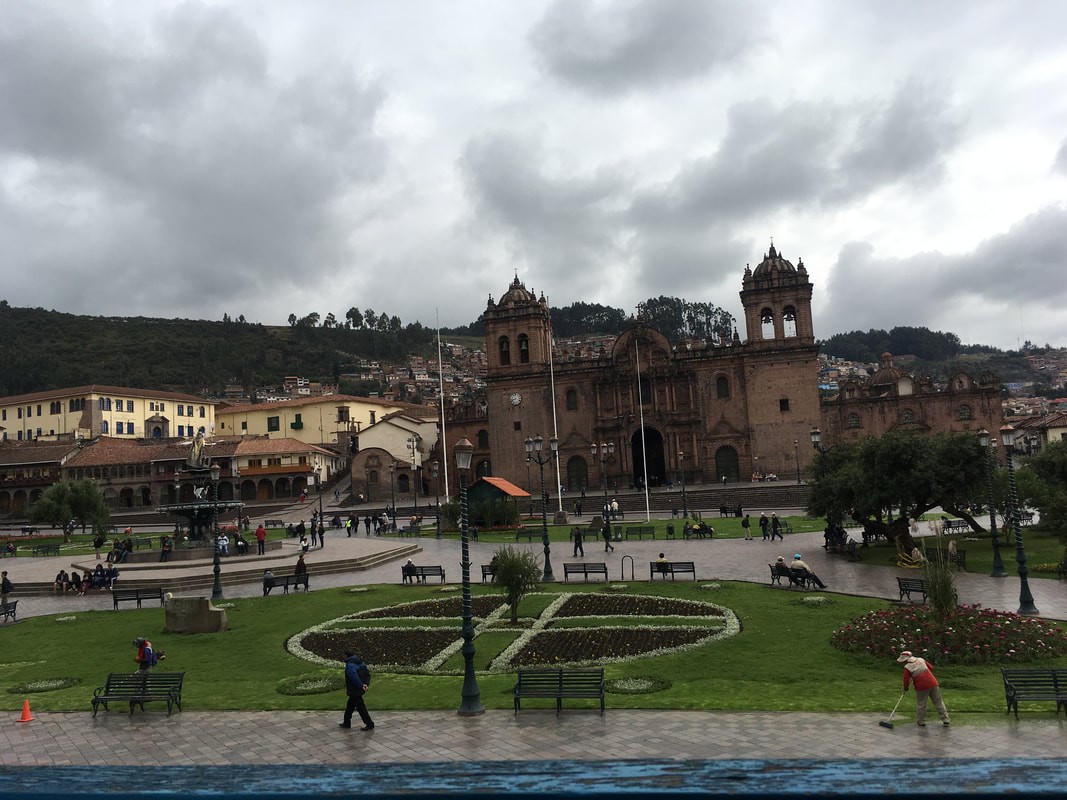
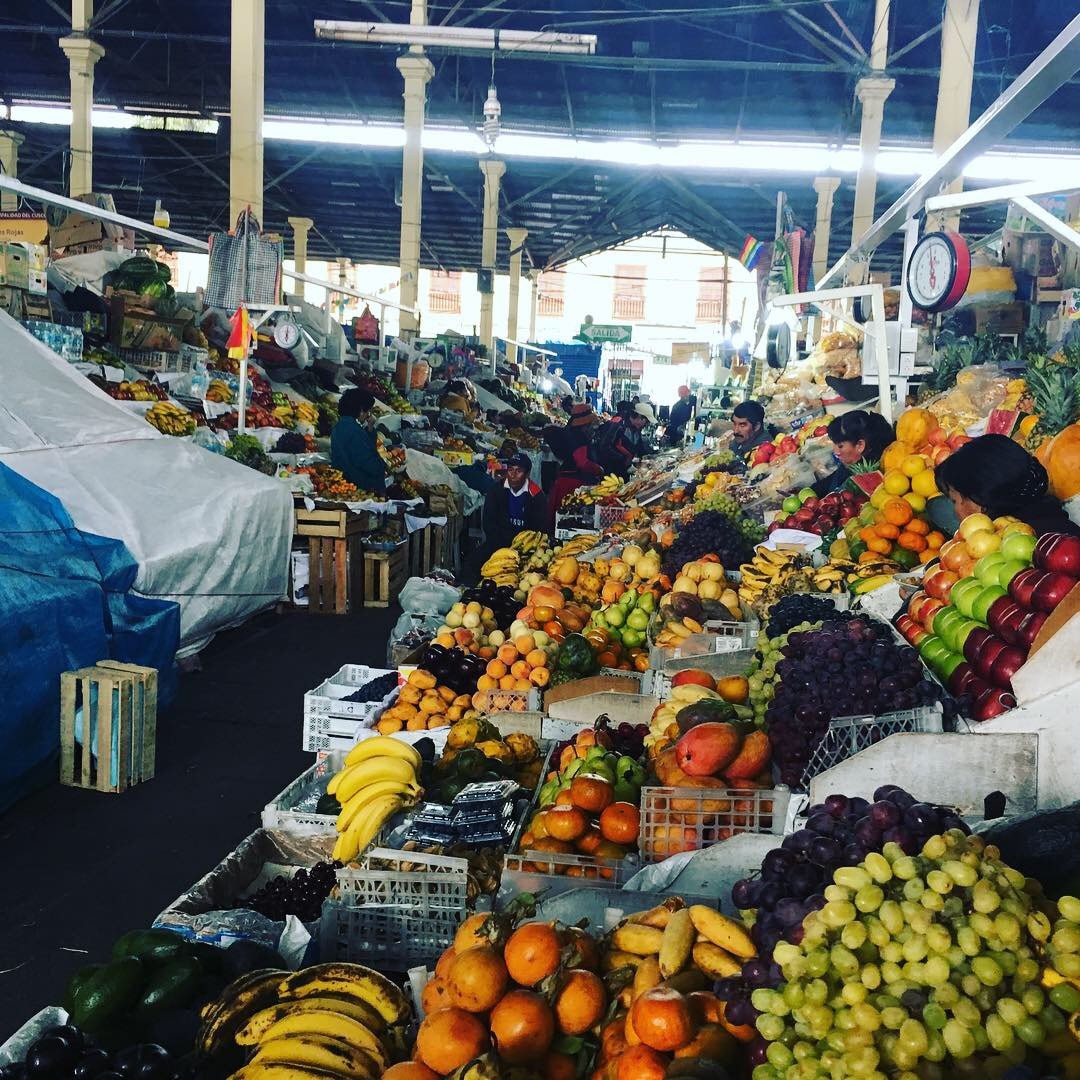
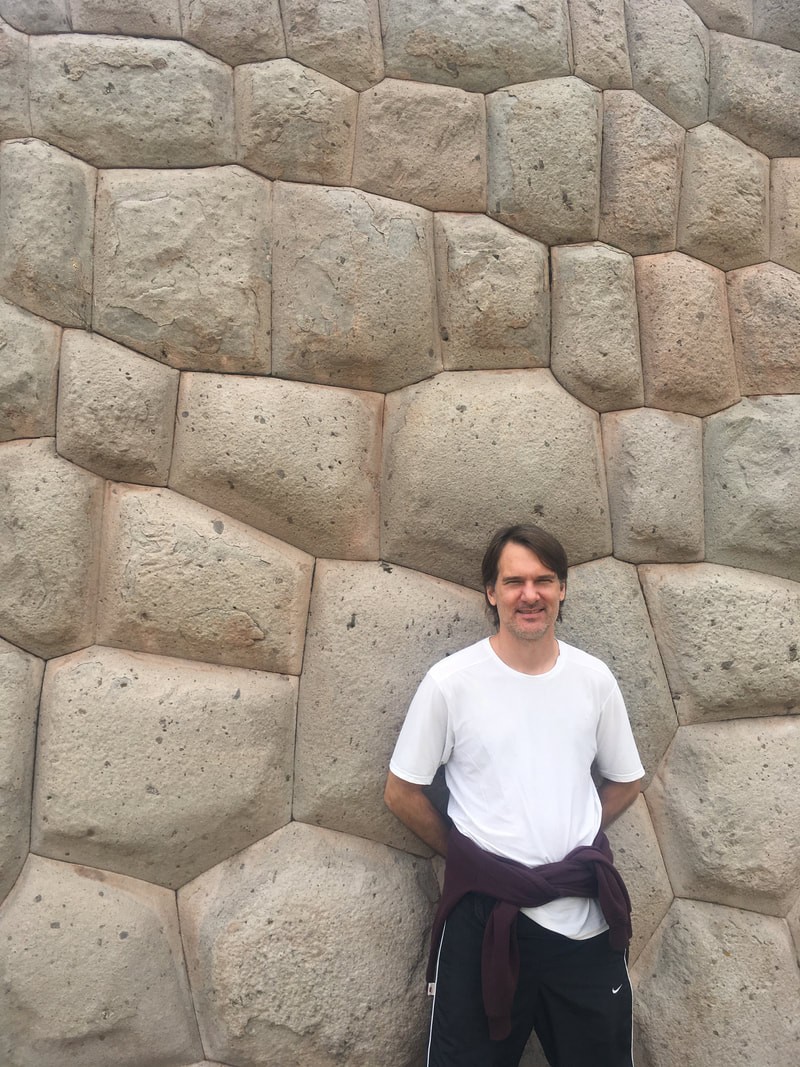
Cusco is a destination on its own. There are restaurants of every kind, and the Peruvian ones serve chicken and beef as well as the national specialties, alpaca and cuy, or guinea pig. The town is full of shops selling sweaters of baby alpaca wool. The real gem, though, is San Pedro Market, where you can find clothing, spices, food, and souvenirs under one roof.
Coca is part of the culture here, and no big deal: the leaves are in the convenience stores, the way chewing tobacco is in the United States. I had wanted to try them since a fifth-grade teacher told me that people in the mountains chewed coca for endurance on the trail. I bought a bag and used it on the trek. It numbed my mouth and helped for the last hour or so, then faded, not unlike a cup of coffee. In Cusco I also stopped at the Coca Museum, which had the history of the plant, including the fact that Coca-Cola Classic still uses a processed form of the leaf, and a useful tip: when you chew the leaves, a little baking soda helps activate them.
Trek day 1: just a hike
Before the trek began, the guide made a point of saying that a seven-day Salkantay trail is not hiking. It is trekking. I had glanced at the marketing materials and figured we would walk about four miles a day, which sounded reasonable for a luxury tour. The daily average turned out to be closer to ten, much of it at altitude, in weather that would not stay put.
Fortunately, day 1 was a brief jaunt. A van took us from Cusco to a small village where women made jams and llama clothing. We ate lunch at an organic garden, then rode up a switchback road and were dropped at the start of the trail. We would not see a van again for six days. After a steep ascent not unlike the trails at home, Mount Sanitas in particular, where I had done a little training, we walked several miles along an aqueduct to the first lodge, through green mountains, with a rainbow over the valley.
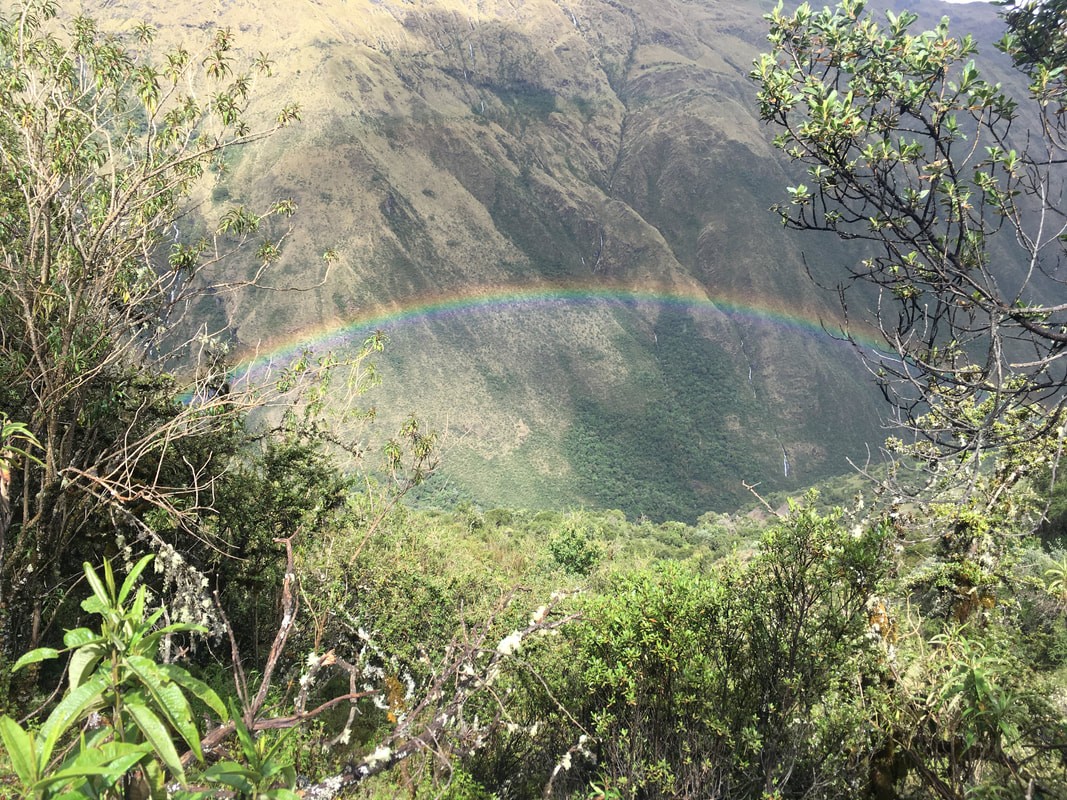
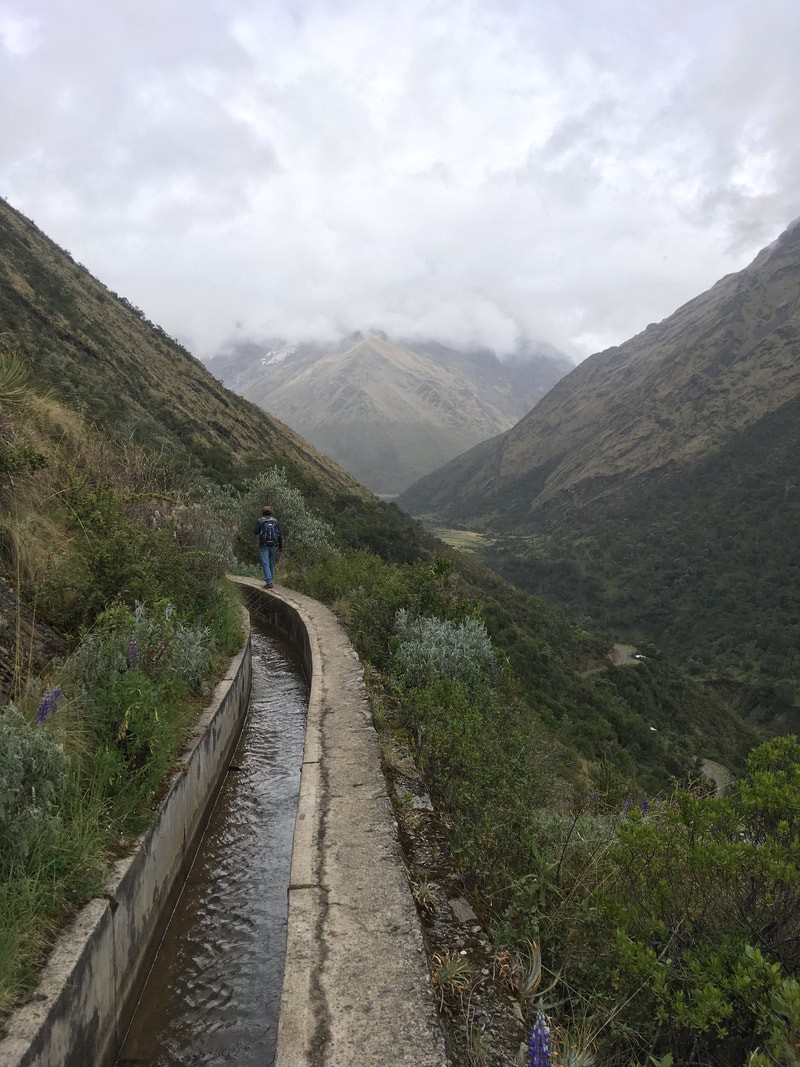
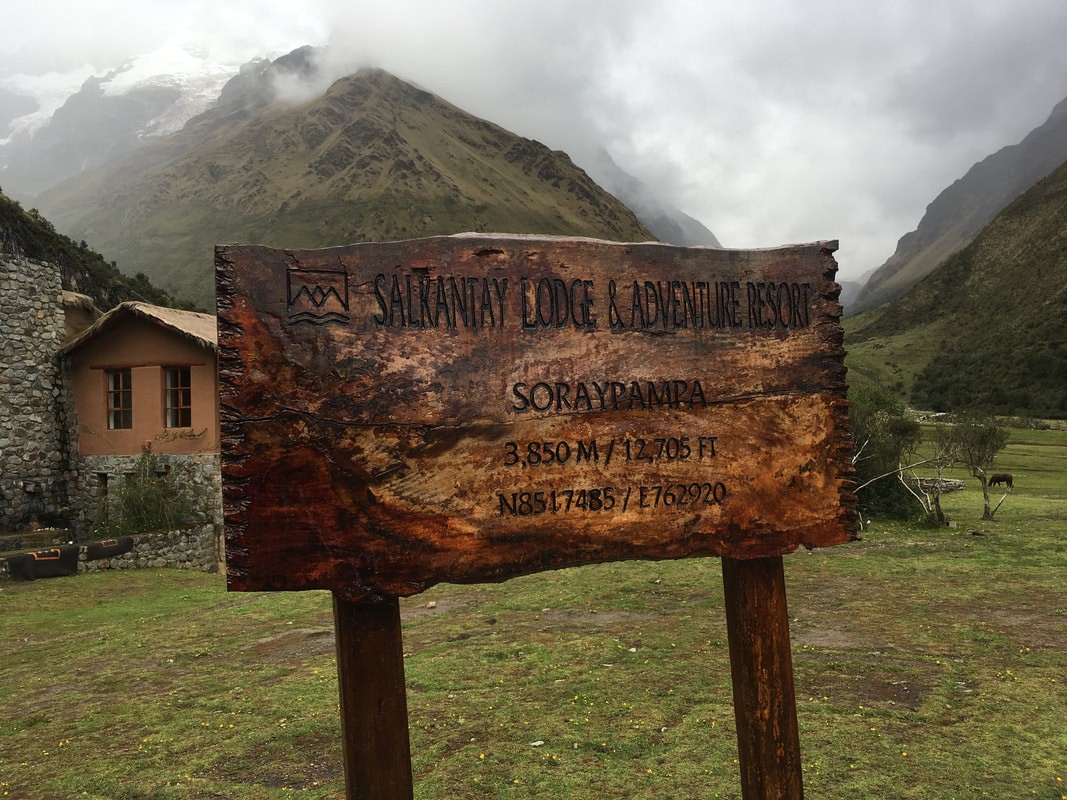
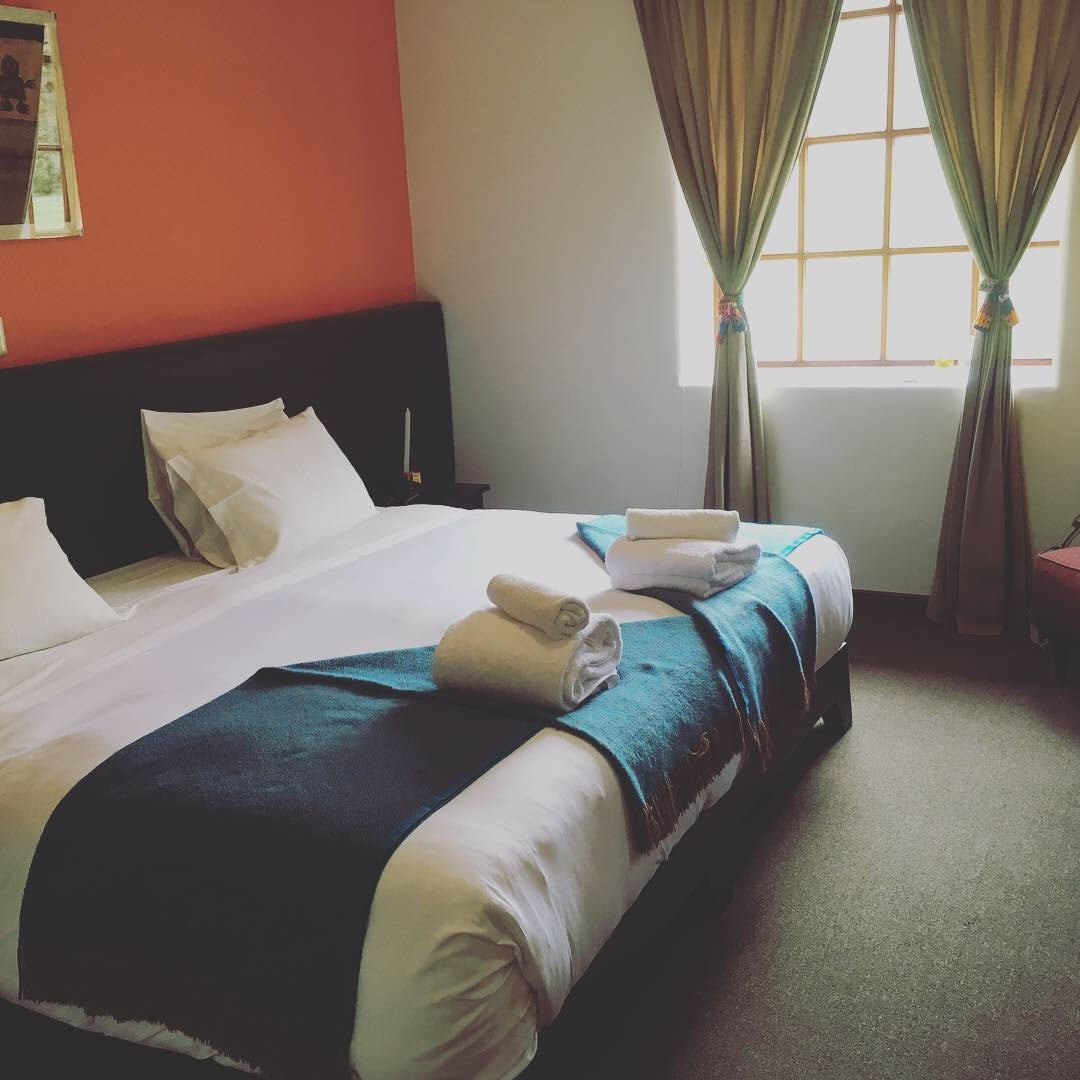
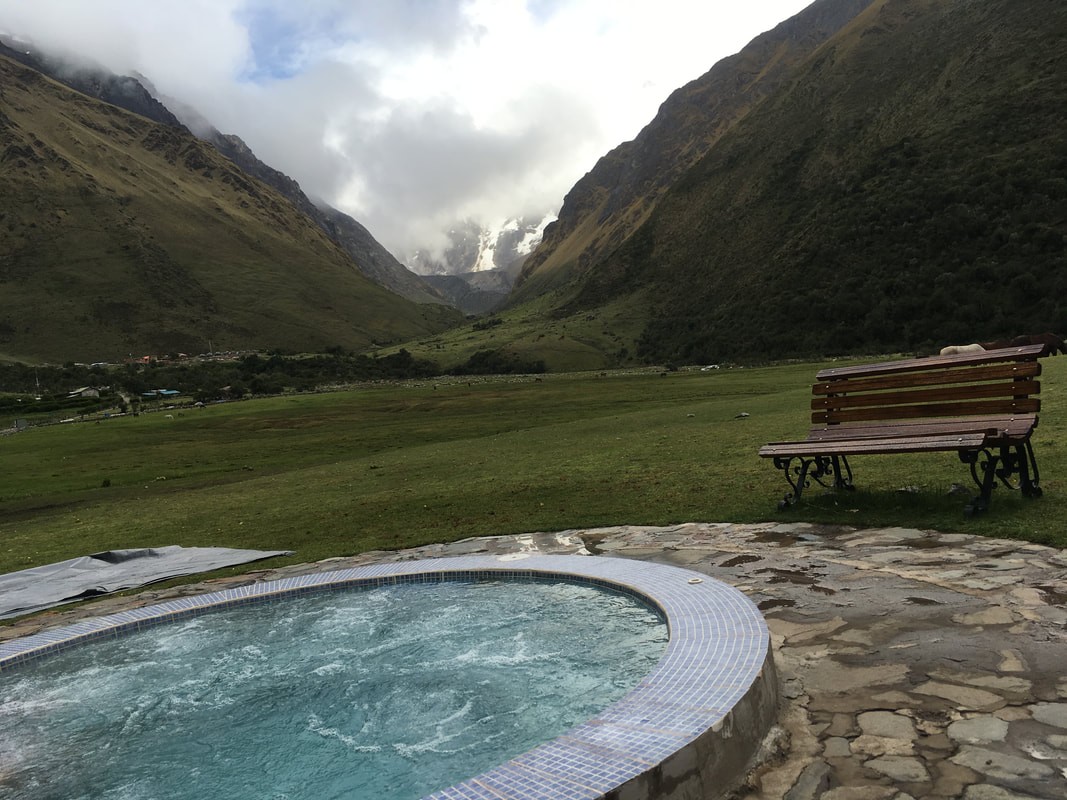
That first night set the pattern: a dip in the hot tub, a gourmet dinner, and a real bed.
Day 2: to the lake
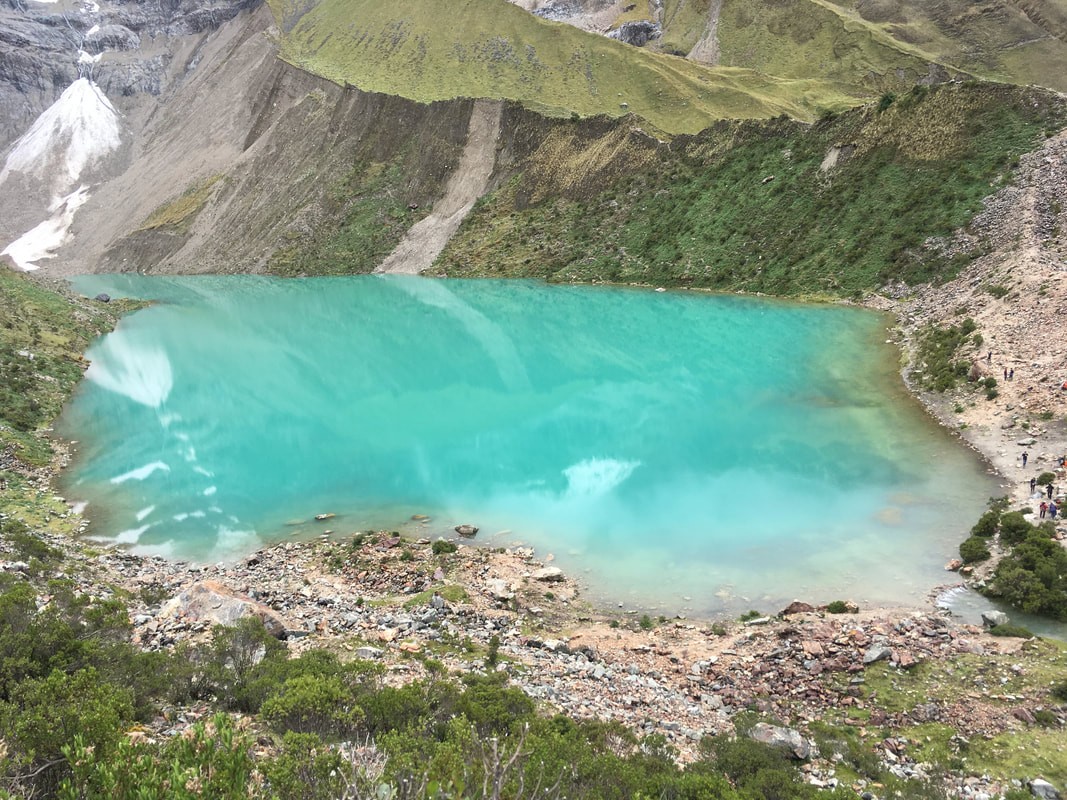
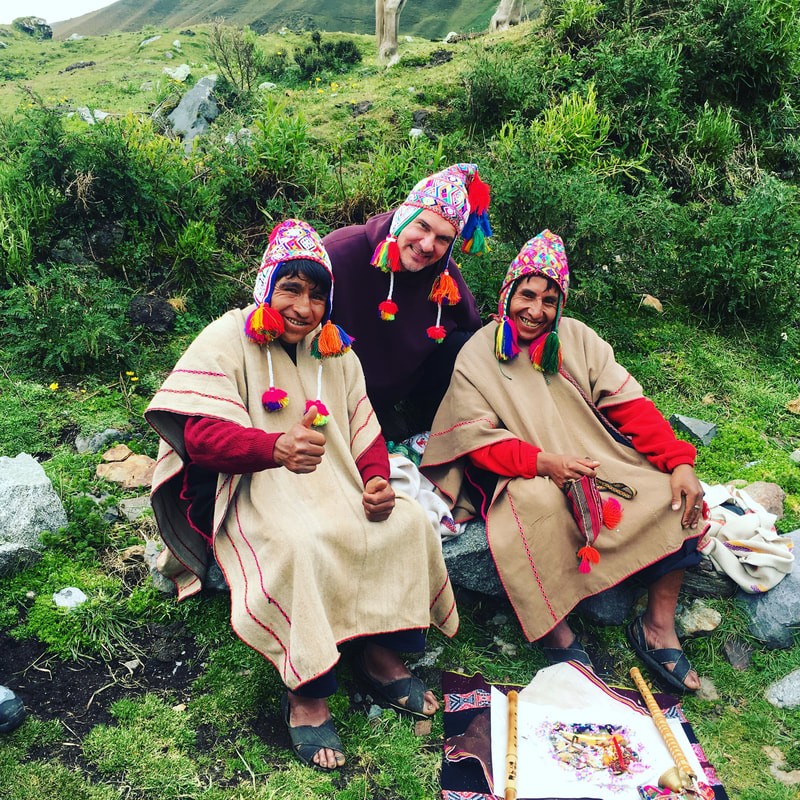
The second day was a round-trip hike to about 14,000 feet, to Laguna Humantay, an aquamarine lake near the top of the mountain. It is a tourist spot, but Mountain Lodges of Peru has its own private trail, with better views and a higher line than the public path. We arrived above the lake instead of beside it, which was a real perk of going with them. Two mountain priests, Santos and Lorenzo, walked with us and held a ceremony above the water to bless the trek. The day was still being kind. That night we were back at the same lodge, before the real work of day 3.
Day 3: the pass
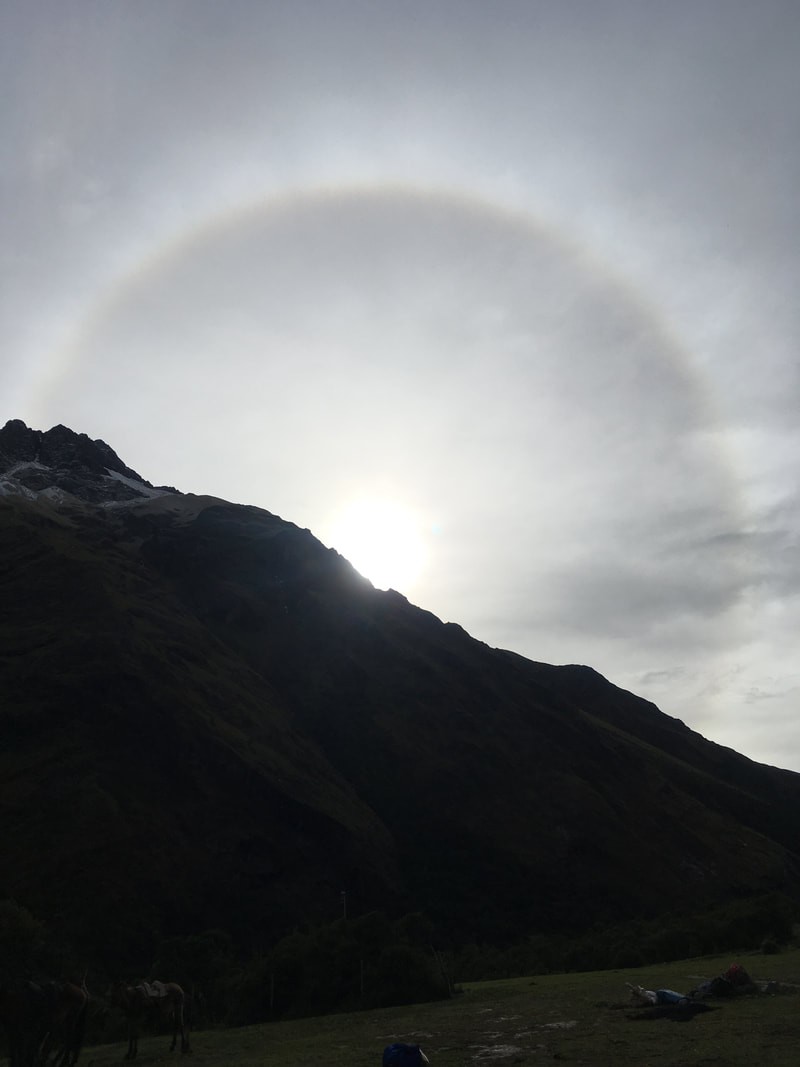
Day 3 was the test. It began in sunshine, with mountain views that could have been the Swiss Alps. After a gentle start, the hills got steeper. We crossed the “seven snakes,” a set of switchbacks that lifted us to the next level of the mountain. Then it began to drizzle and cool as we gained elevation. After several hours and 3,000 feet of climbing, the weather turned. More cloud, more rain, more chill, all the way to the top.
I had hoped for a view at the pass. There was none. The weather went over to winter. I could hear rock landslides in the distance and could not see them through the fog. I was among the first to reach the pass, the highest elevation of the trip, and of my life so far. As I got there, the rain turned to sleet. My fingers went numb in the wet cold, and I could feel my thinking slow down from the lack of oxygen.
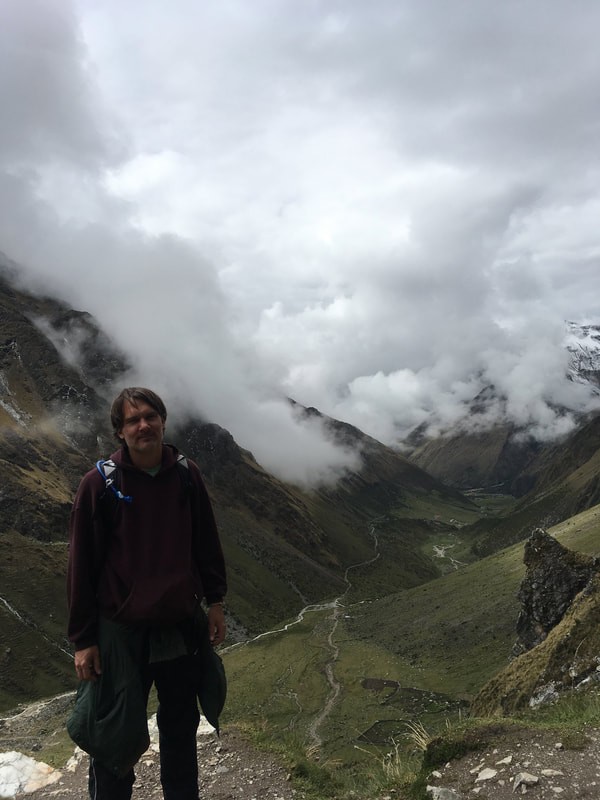
The guide told us to keep moving before the rest of the group came up, so the altitude would not catch us standing still. The path forked, and we had to go back to see which way was right. Then the rain came down harder. I pulled a disposable poncho out of my pack and tried to get it on, awkwardly. The cold and the thin air made me feel as if I had lost a few IQ points.
Eventually I got it together and we began to descend. The rain kept getting heavier, and the path was rocky and awkward. After another hour we reached lunch, under a tent, while the rain poured. It would have been miserable to keep walking through that. When it finally let up, we dropped the rest of the way to the next lodge, but it was not easy. That was a trek. I did not know the psychological part would continue that night. I lay in bed with one nostril stuffed, gasping at the altitude, a little panicked, especially after the guide had told a story at dinner about a previous client who had nearly died of altitude sickness and hypoxia in that same lodge. Trekking in the mountains is not only a physical ordeal. It is a psychological one too.
Day 4: my knees
We were told day 4 would be the easy day, because it was all downhill. I found it one of the harder days for that very reason. There is something invigorating about climbing, but a long descent over rocks and stones is a mindfulness exercise just to stay upright, and it is hard on the body when you drop 3,000 feet in a day. We made it to the third lodge, out of the high-altitude danger zone, and I was glad to be there.
Days 5 and 6: through the cloud forest
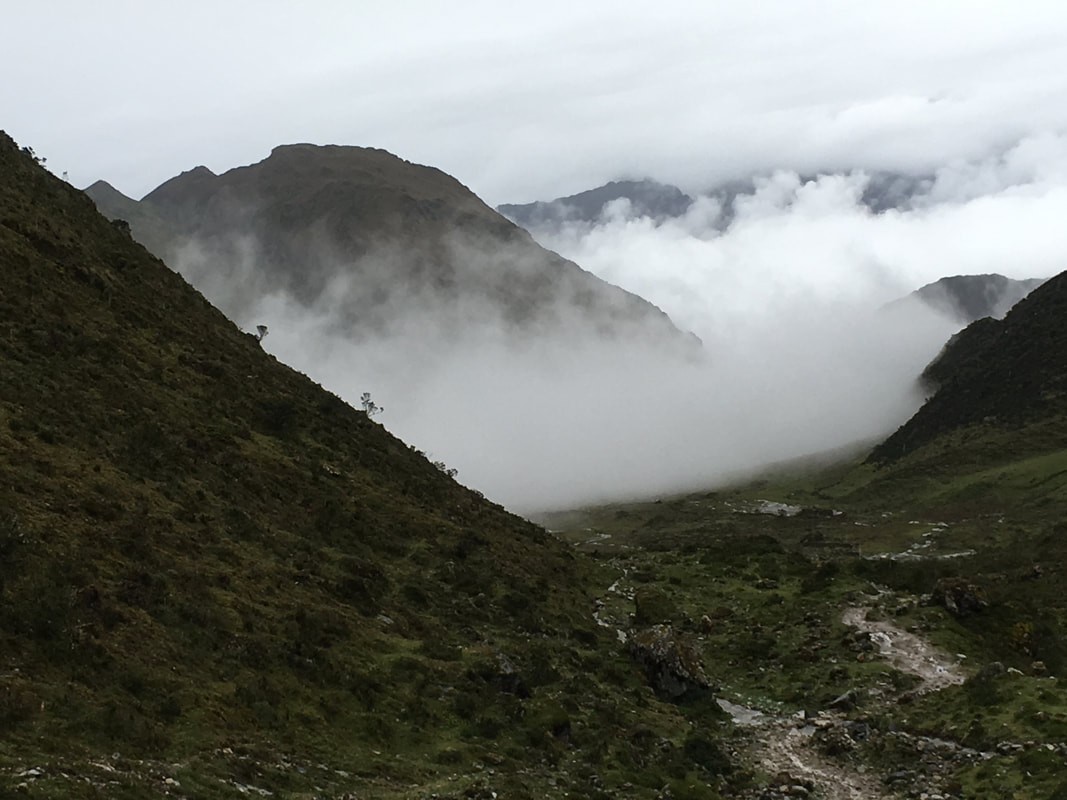
The last two days on the trail were more of the same: beautiful views, walking in the clouds, hard exercise, and a long stretch of time in nature. They were not uneventful. Any one of them would have been a life event on its own, if it had not been surrounded by so many other days of wonder.
The highlight, for me, came when the guide realized I was a faster walker than much of the group, and let me leave late instead of always going out in front and stopping so everyone could catch up. I sat with a coffee while the others headed out, then hunted them down. It was a pleasure to lose my breath going up after breakfast and catch the group, then, after a leisurely break, come down the hill at a real pace until I found them again. Staying together is a kind of team exercise, but it was easier on my body and mind to go at my own speed and drop into the walk, instead of constantly slowing down. I think the trek would be even better with a group of similar pace, though the variation is part of the psychological work too, for the people who feel they are too slow and for the ones who have to wait.
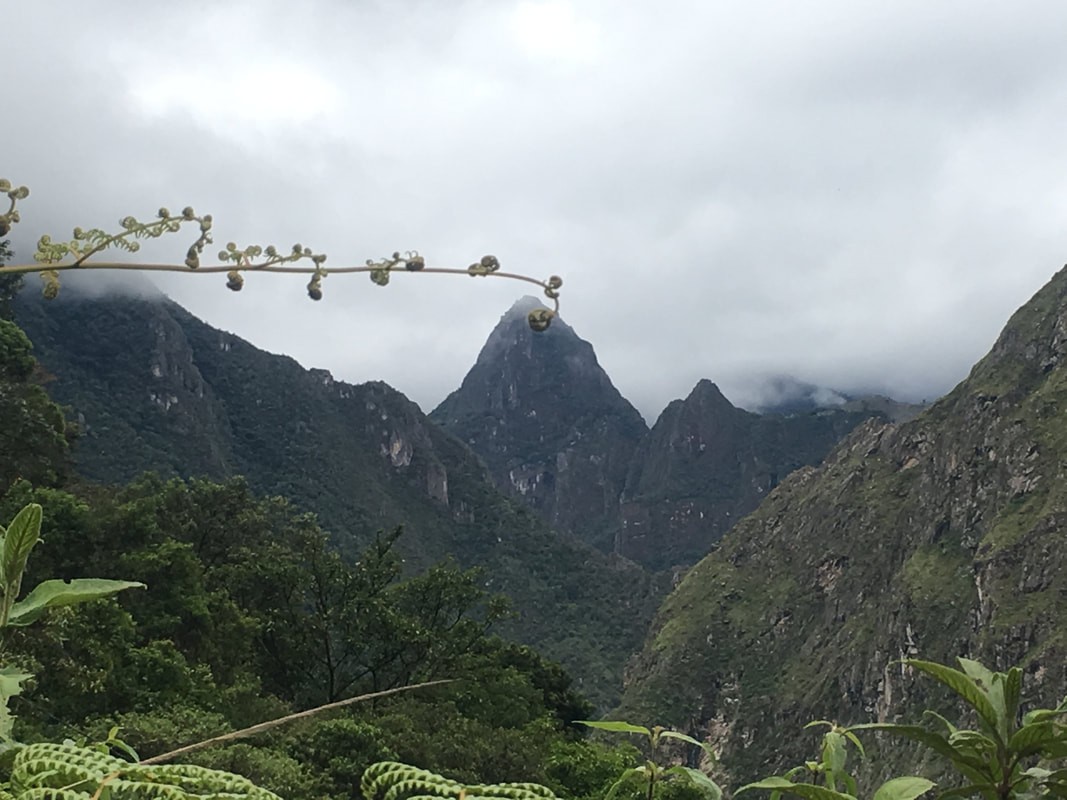
After 65 miles on foot, there was a train into the town below the ruins.
Day 7: Machu Picchu on Christmas Day
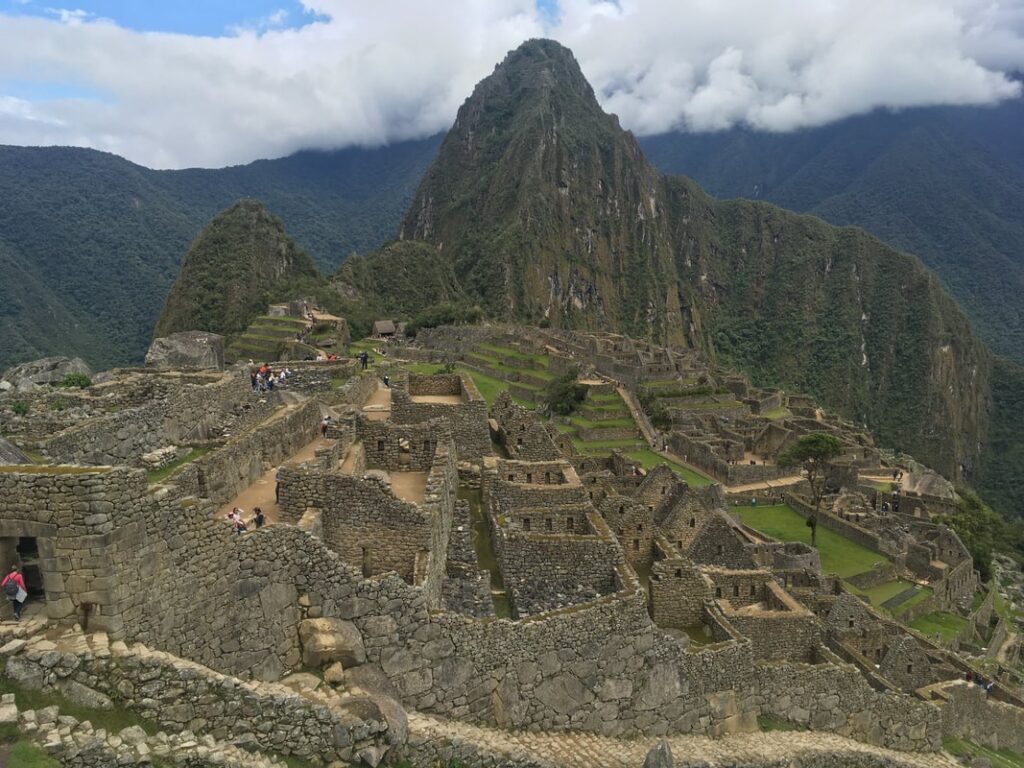
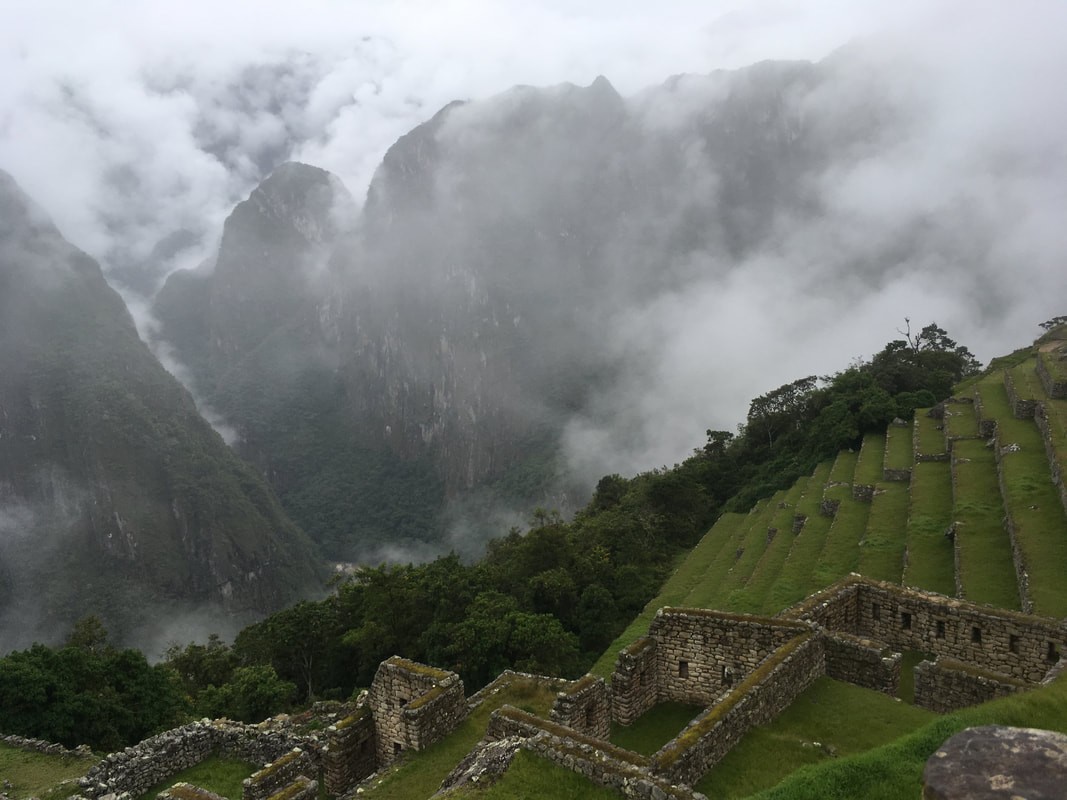
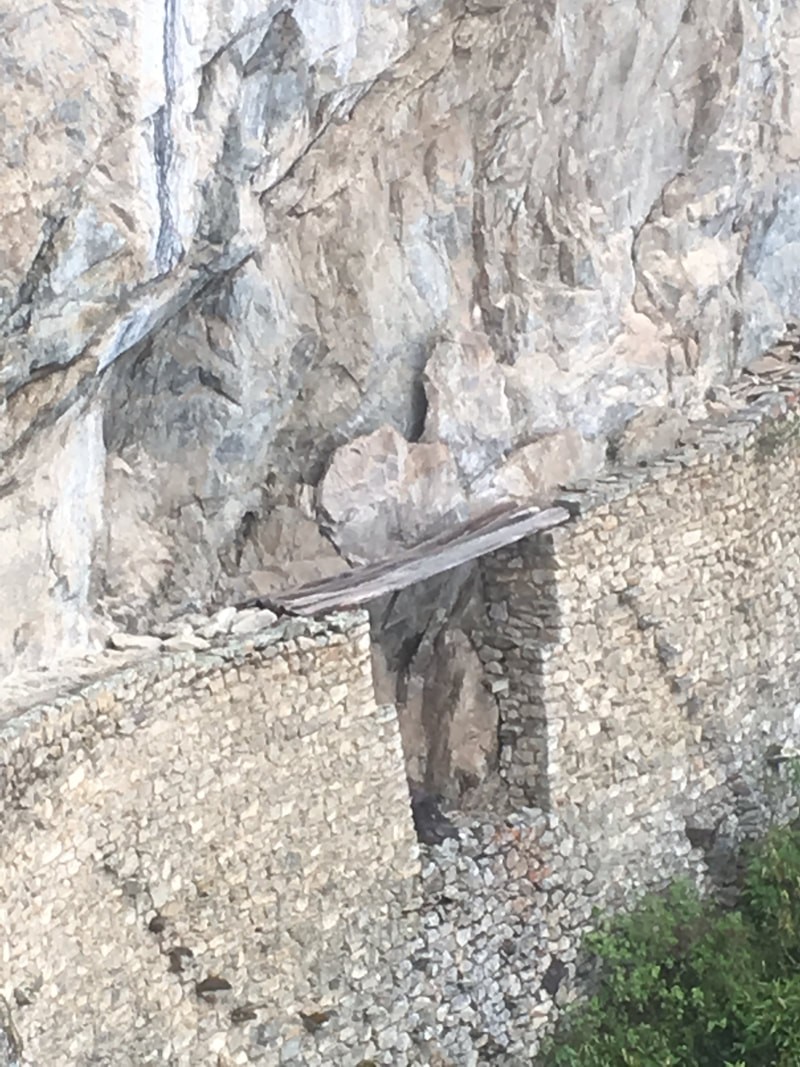
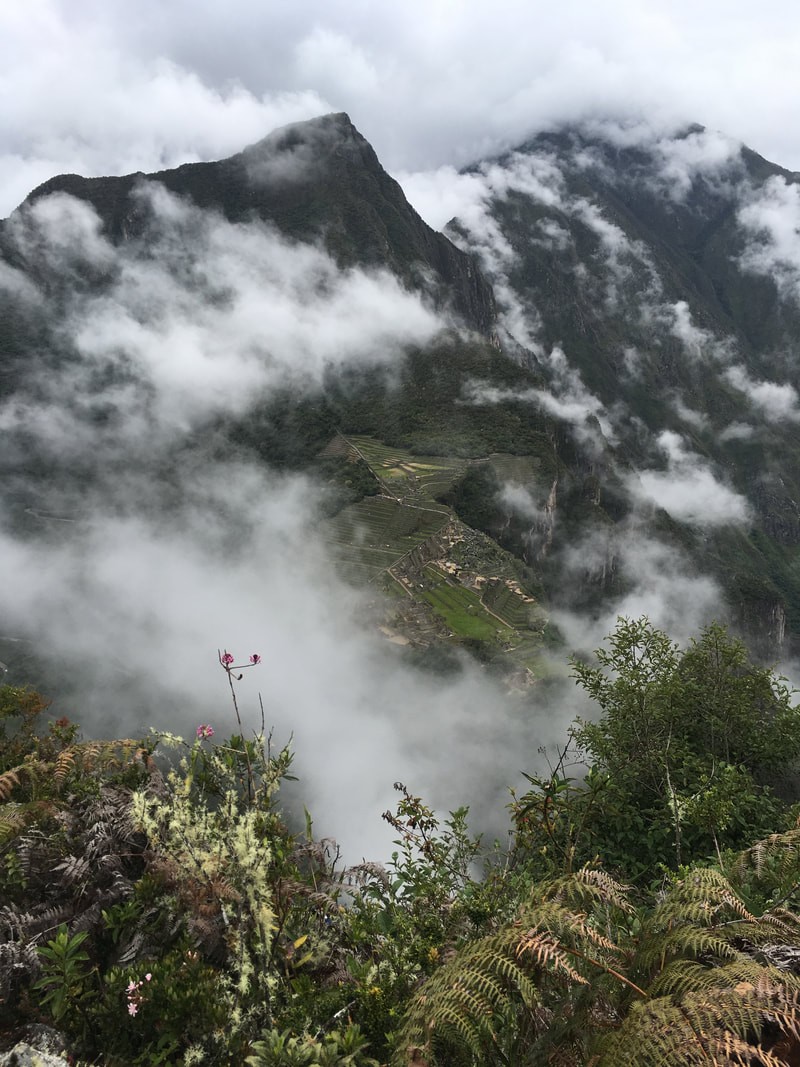
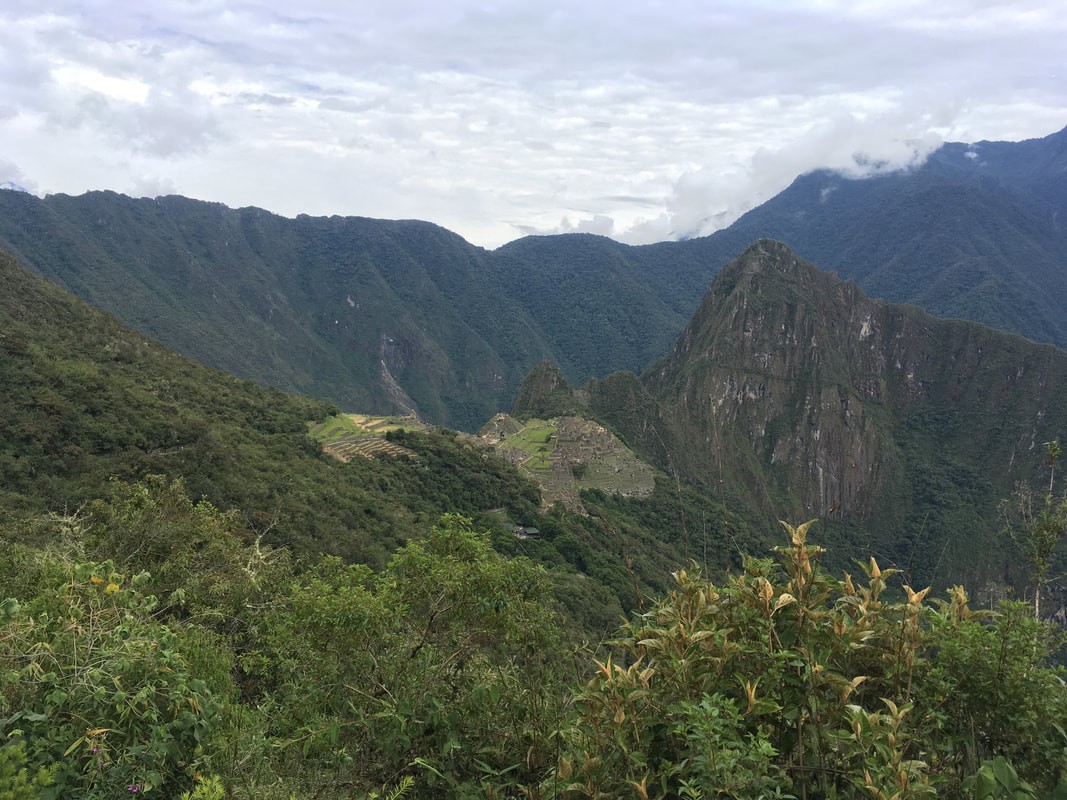
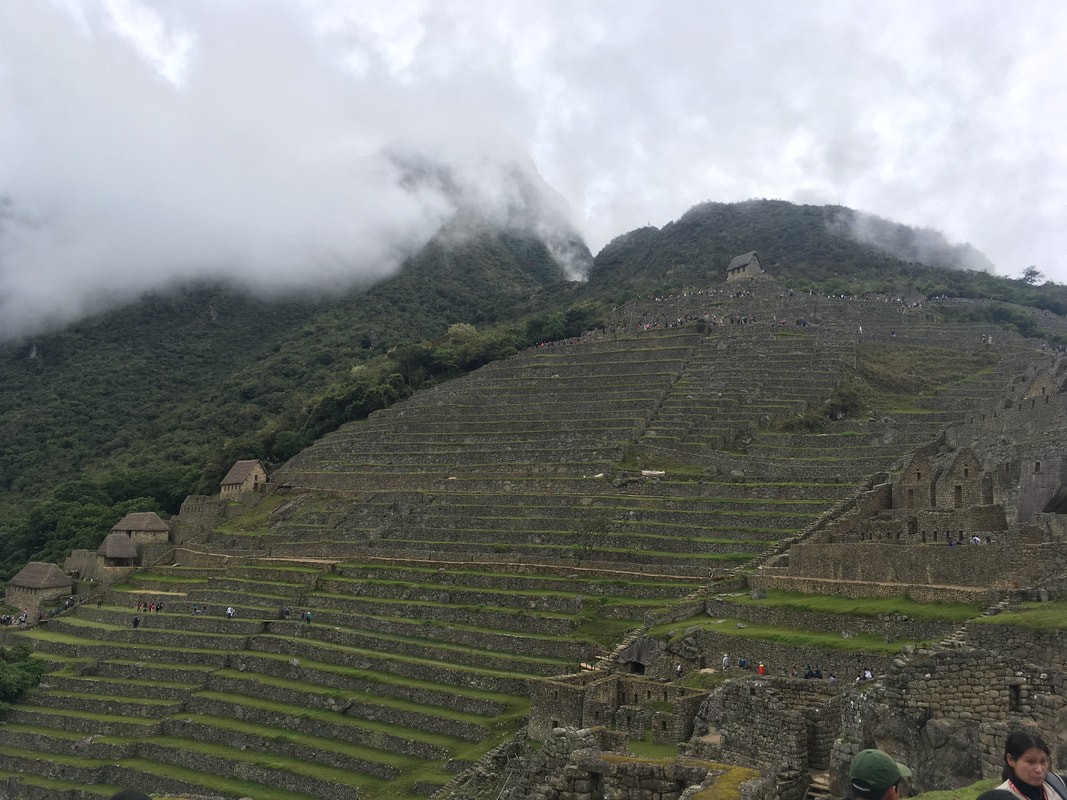
Finally, the culmination of 65 miles and seven days. It was Christmas, and a little foggy, but the views were still something. We walked out to the Inca Bridge and climbed Huayna Picchu, and from the top I could see Machu Picchu appear and disappear between the clouds.
Day 8: what a difference a day makes
The package included only one day at Machu Picchu. I had read that the weather there can be foggy and unpredictable, and the lodge company offered an add-on: another night at Inkaterra, which has natural hot springs on the grounds, and a second day at the ruins. I was glad I took it. Christmas had its own mood in the mist. The next day was completely clear.
The lodges
I would recommend Mountain Lodges of Peru for this kind of trip. You could go alone on the Salkantay trail, and I would at least hire a local guide, to travel with someone who knows the route and to support the local economy. Even then, you will be camping, or, at best, roughing it in a geodome or a makeshift resort. This is the company that actually has four-star lodges along the trek, with real dining and private trails for parts of the walk. It was not cheap, but I did not have to think about logistics for the entire trip. Except for tips, it was a single price: the trek, Machu Picchu, Huayna Picchu, all the transfers, mule support, nights in the lodges, the train, the buses, every meal, and the hotel in the town below the ruins. Otherwise those pieces are all à la carte, and they add up anyway.