Vietnam was never on my list. I was headed to Thailand to meet my former bandmate, bassist, farmer, and friend, JC. Then JC delayed for a month. I looked at the map and saw a big stretch of nature and culture sitting right in between. Airline tickets were cheap through Singapore, so I gave myself seventeen nights between Da Nang and Saigon.
I was traveling solo, but I kept arriving to contacts and plans that felt more beautiful than anything I could have scheduled. The trip had begun with an intention to let the universe guide. In Vietnam, I watched it work.
A motorbike, on loan
I had a host lined up in Da Nang for the whole stay except the first two nights. Somewhat desperate, I posted on a local forum asking for a cheap hotel near the airport. A diminutive Vietnamese woman named Q, with a small child and a smiling husband, offered me their spare bedroom for the night. As synchronicity would have it, they were only a short walk from the terminal.
In the morning, I asked Q where to rent a motorbike.
“How long do you need it?” she asked.
“One week,” I said.
“I leave town for one week, so just borrow mine. I won’t need it.”
Someone I had just met had already given me a bed. Now she was handing me her ride for the rest of the stay. After breakfast with Q and her husband, I put a local SIM in my phone and started texting my way into the week, a newcomer with a borrowed key and a borrowed bike.
Coffee like motor oil
My host for the rest of the week was a single guy named Dương. It just so happened that his closest friends were several women. Over my first coffee I was introduced to at least four of them. Phương soon became a friend of mine. Coincidentally, she and another girl named Sương quit their jobs on my second day in town, so I had company free all week to show me around. The universe provided again.
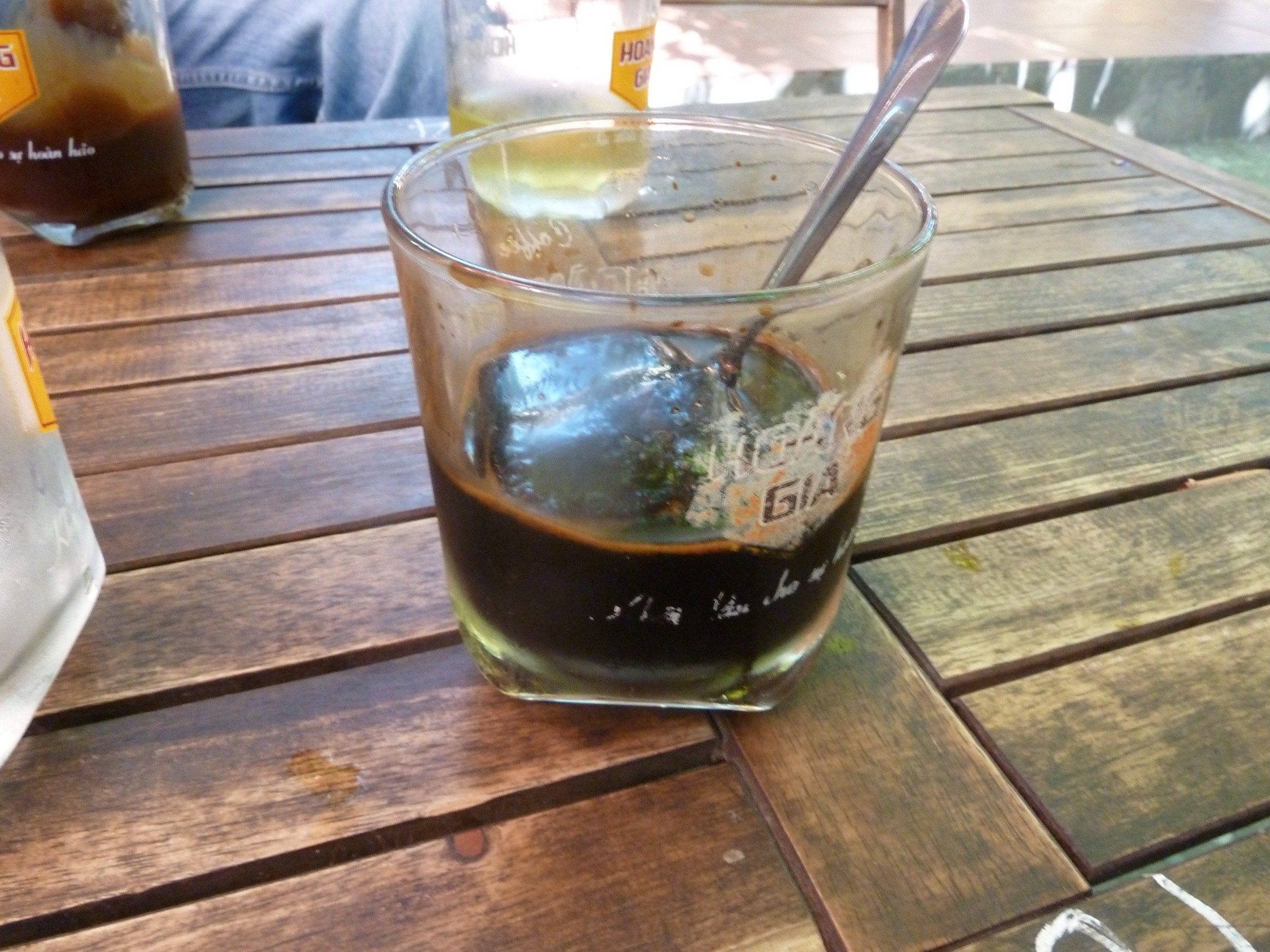
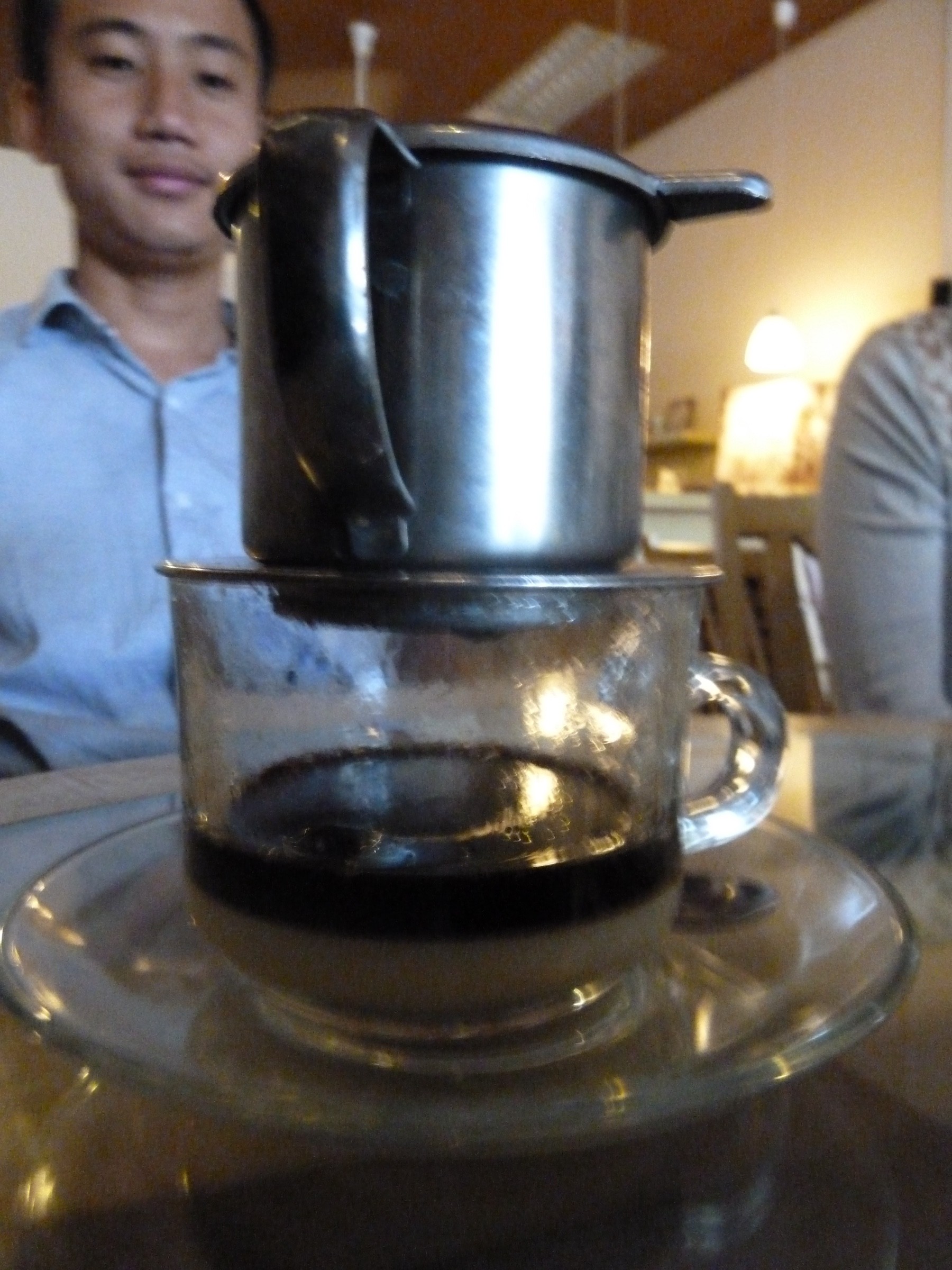
At the shop, I ordered my first coffee black. It looked like used motor oil. It tasted like Kahlua. It was the best coffee I had ever had in my life. Vietnamese coffee is normally served drip, slow enough that you have time to sit and do nothing, which is the point.
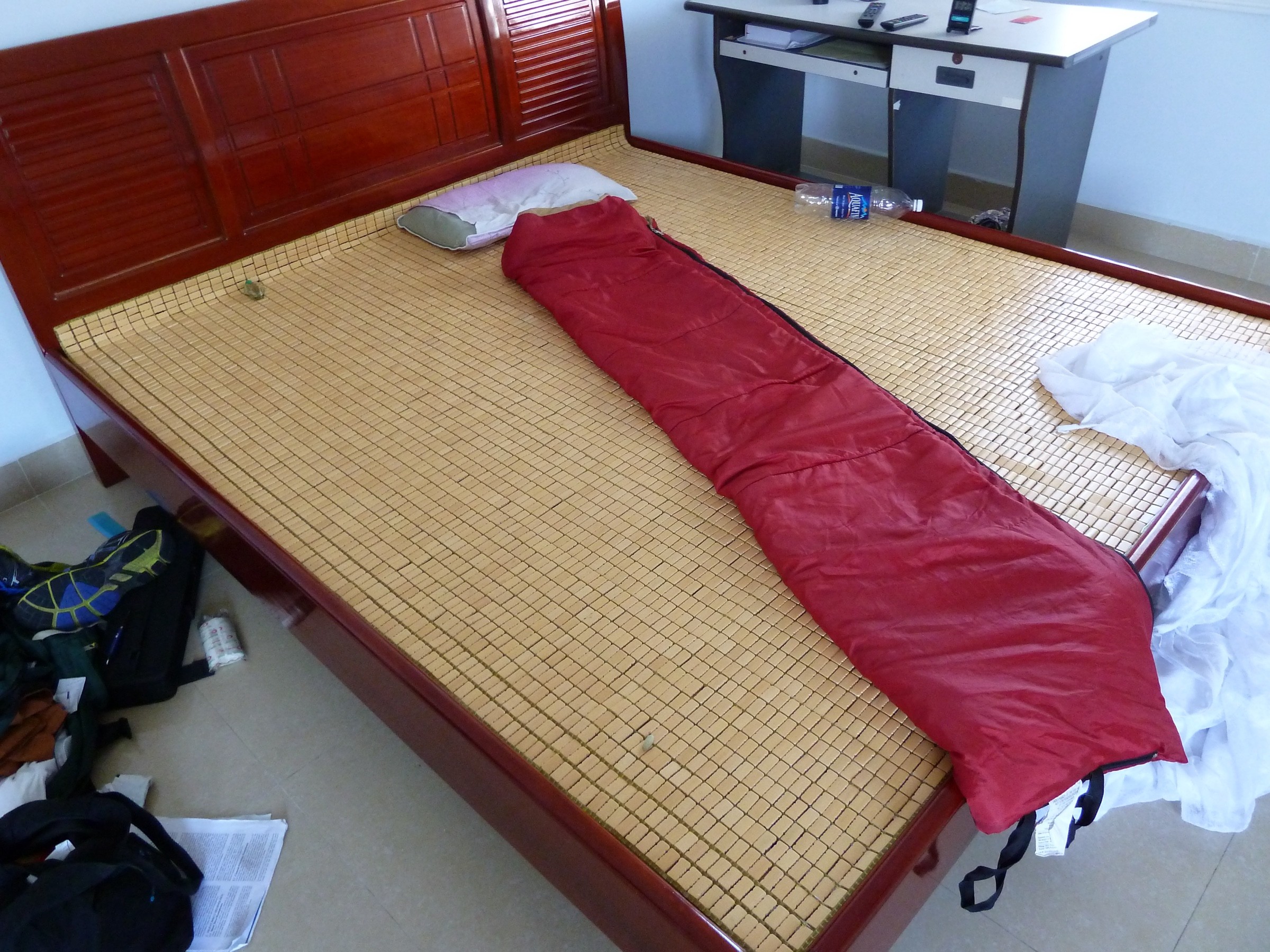
Back at Dương’s, I learned that most people here could get a good night’s sleep on just about any hard surface. My bed was almost rock-like, made of bamboo slats. After a few uncomfortable nights, Dương upgraded me to a real mattress. I was grateful.
Organized chaos
I spent a lot of that week in coffee shops and on the back of that bike, trying to hear the language well enough to say people’s names right. Sometimes the country felt as if it had gone off on a tangent from the rest of the world: a low cost of living, a unique language, and a fair amount of national pride. I had a conversation about Pink Floyd that went nowhere, because nobody I asked had heard of them.
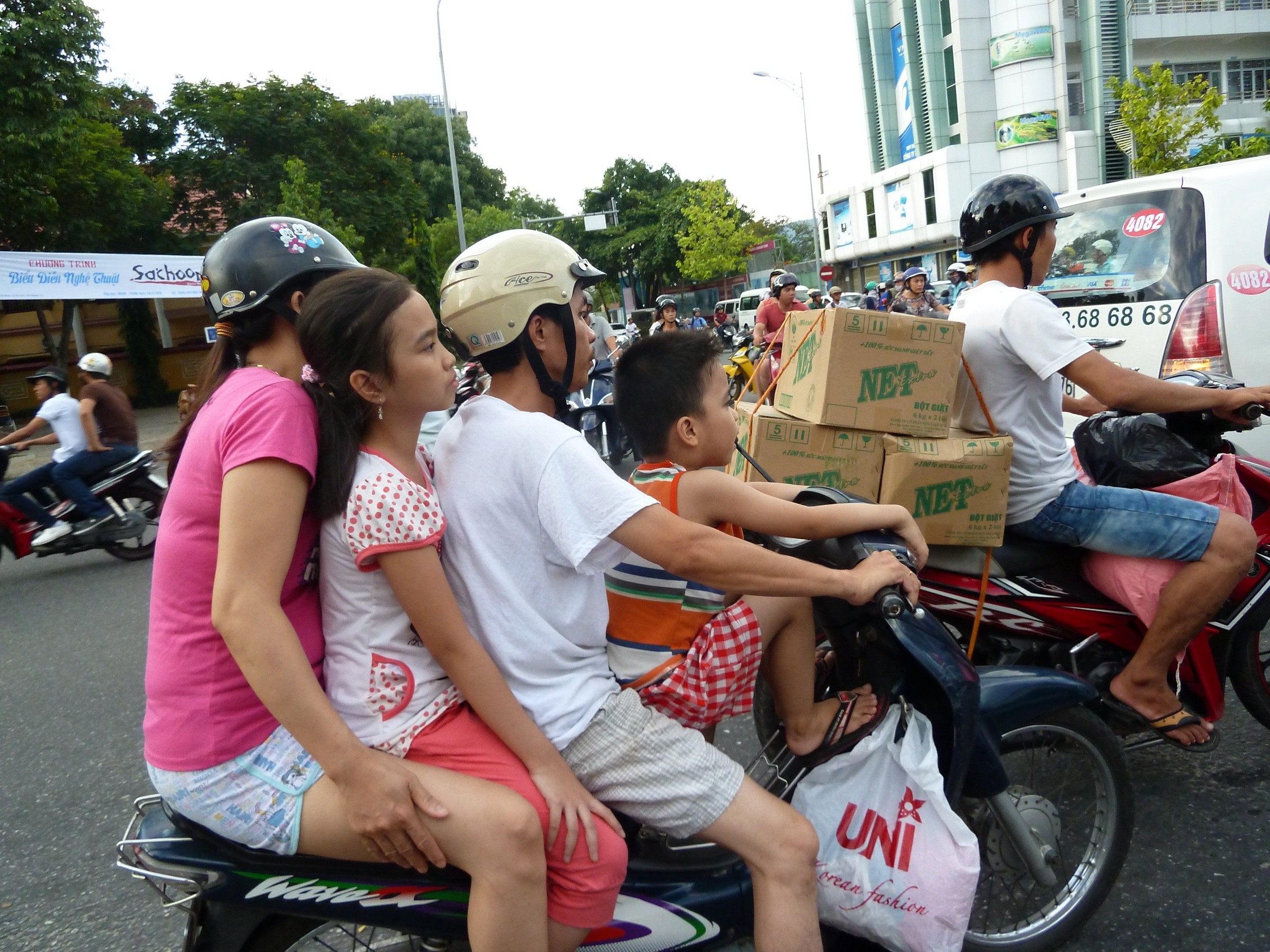
In the streets of Vietnam, motorbikes ruled the road. From above, the traffic looked like an ant colony, or a stream of red blood cells: organized chaos. A driver was only a part of the whole. To ride in it, you stopped thinking of yourself as a separate vehicle and became one more cell in the flow. License plates were often riddled with crossed-out chalk marks from the last inspection number.
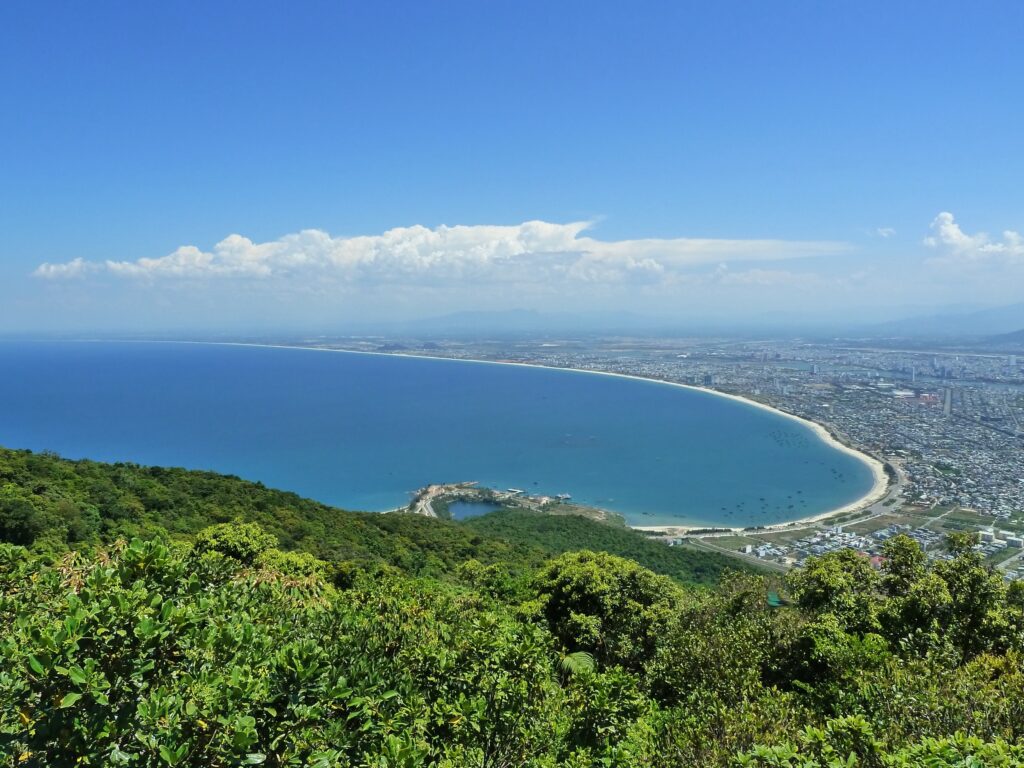
I spent three days ascending different mountains with motorbike groups. On the first day we climbed Monkey Mountain to the summit, and I took pictures of the horseshoe-shaped Mỹ Khê beaches, the ones that show up on every Da Nang postcard. The shoreline ran all the way toward Hoi An.
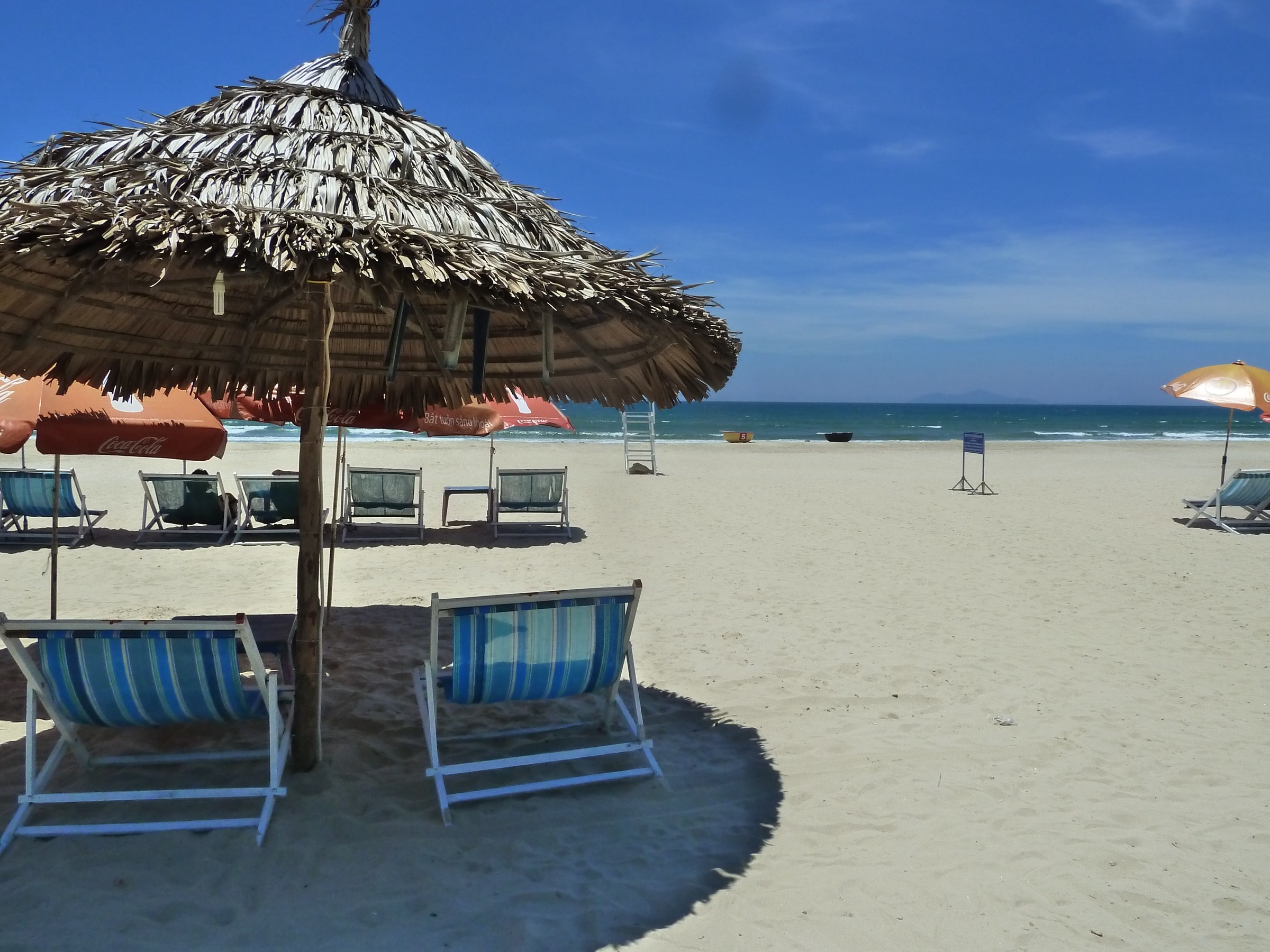
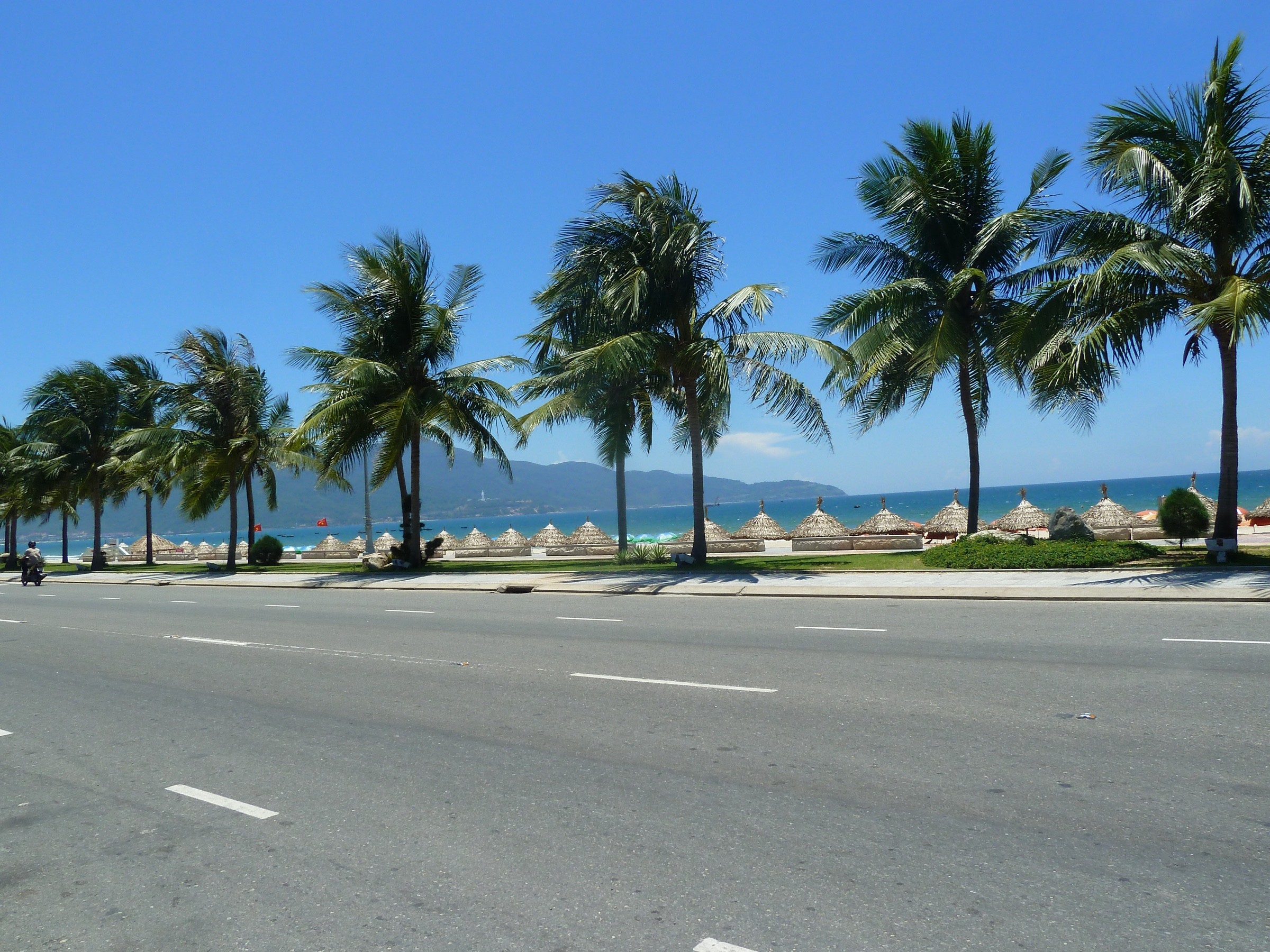
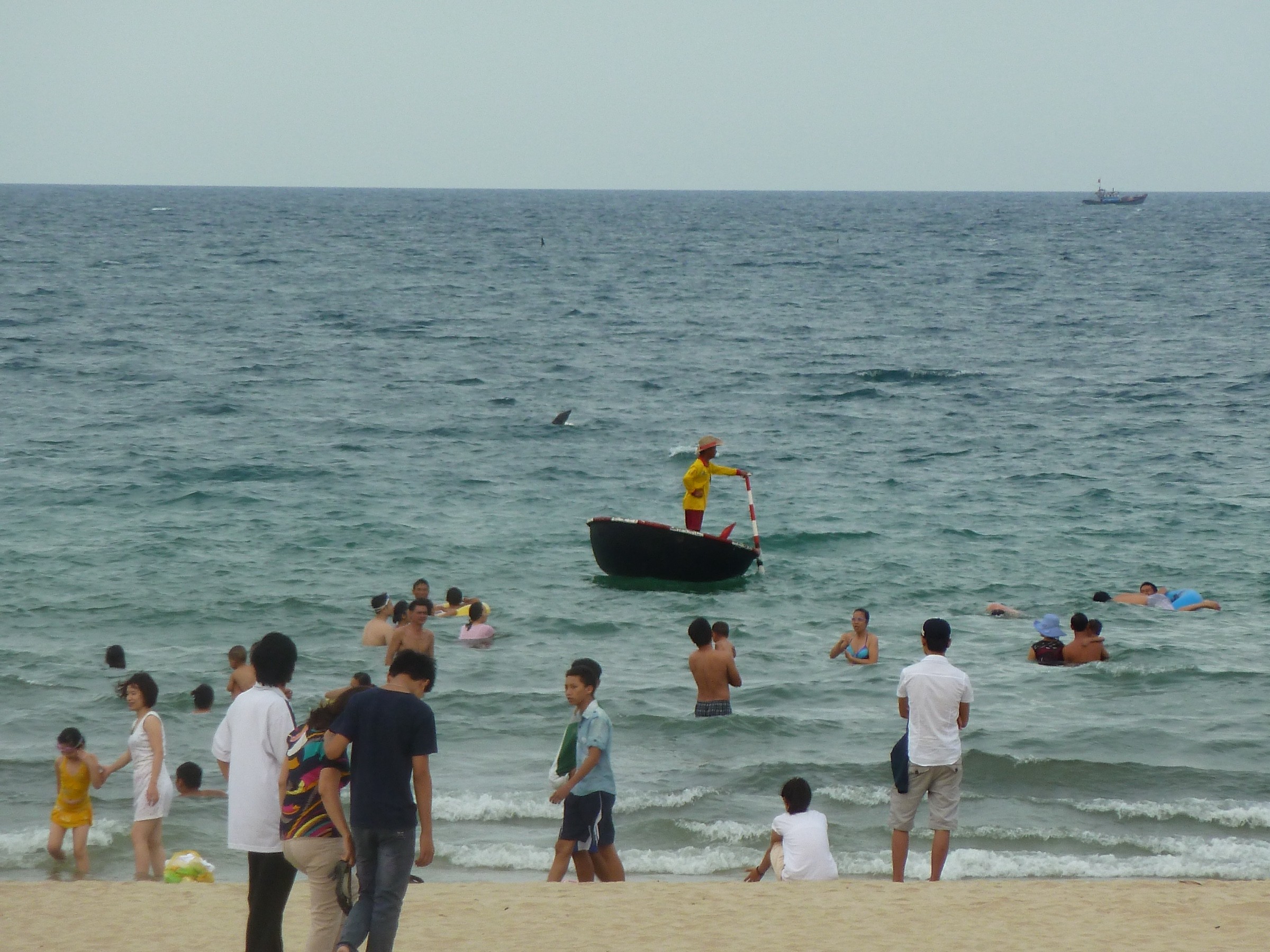
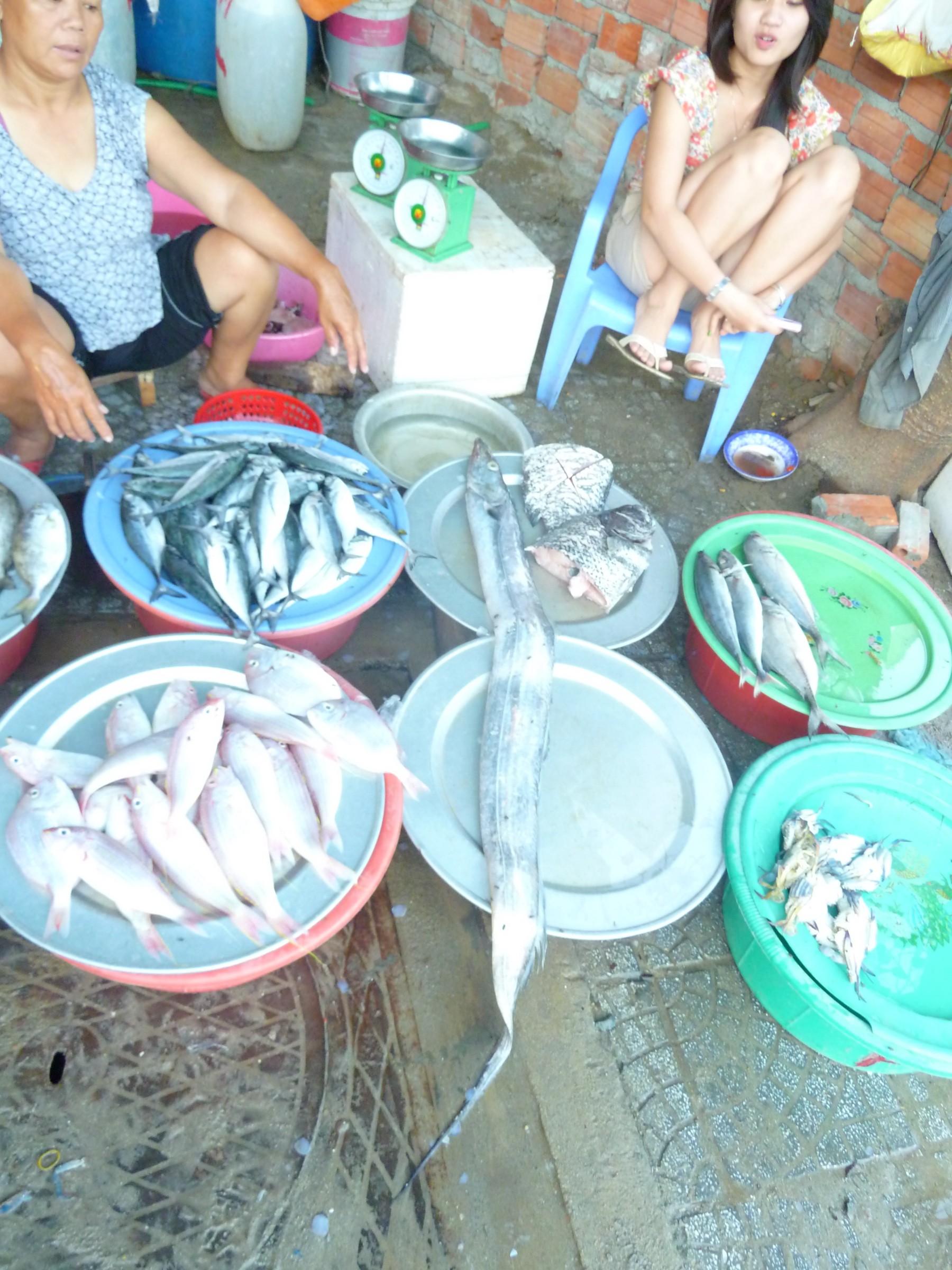
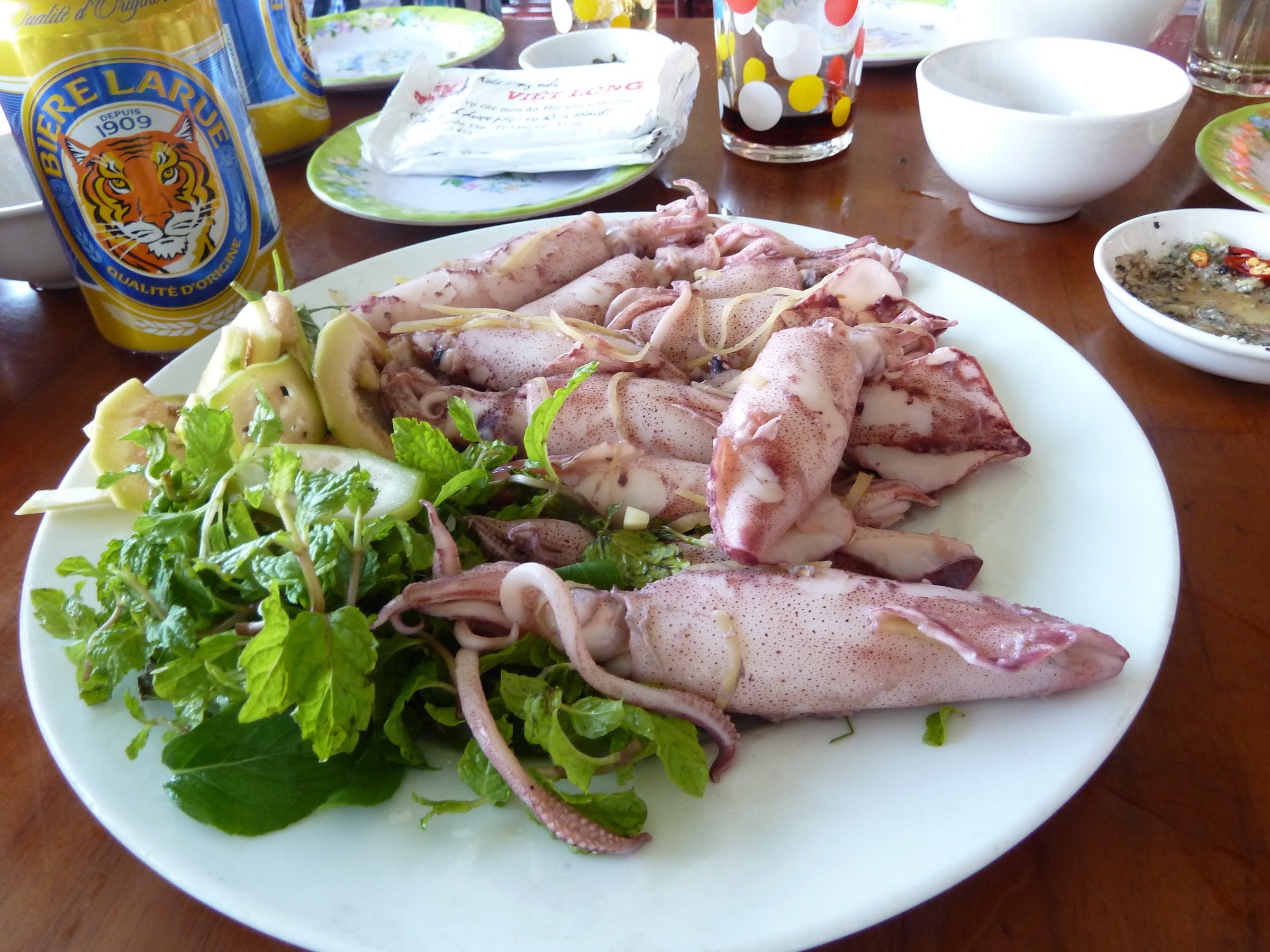
Down on the sand, a lifeguard paddled around in what looked like a giant teacup. The fish market was a daily education. The squid was so fresh it was still supple on the plate.
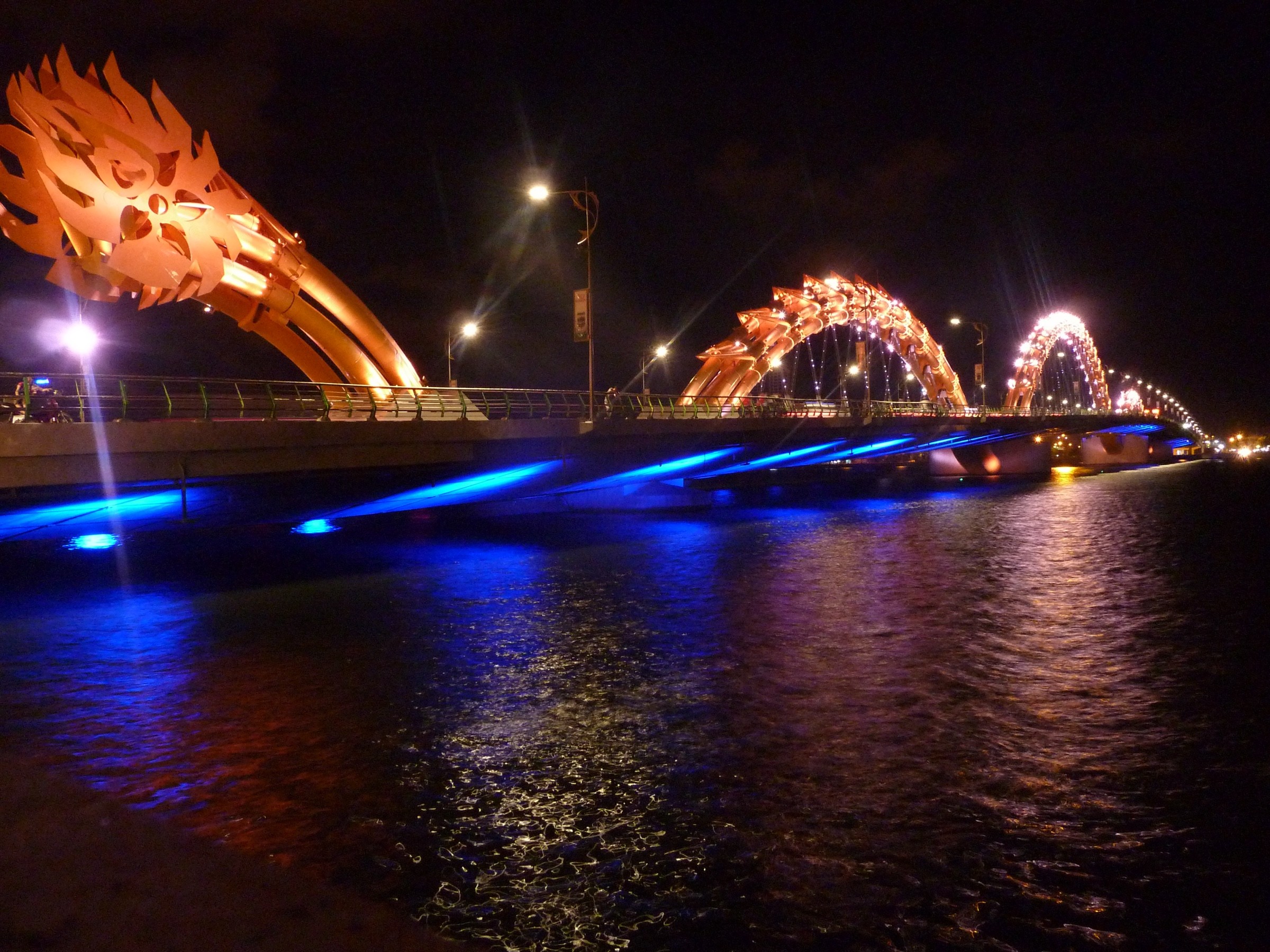
At night, Cầu Rồng, the Dragon Bridge, lit up gold and blue and spit fire on schedule, a steel dragon stretching across the river.
The umbrella goddesses and the lanterns
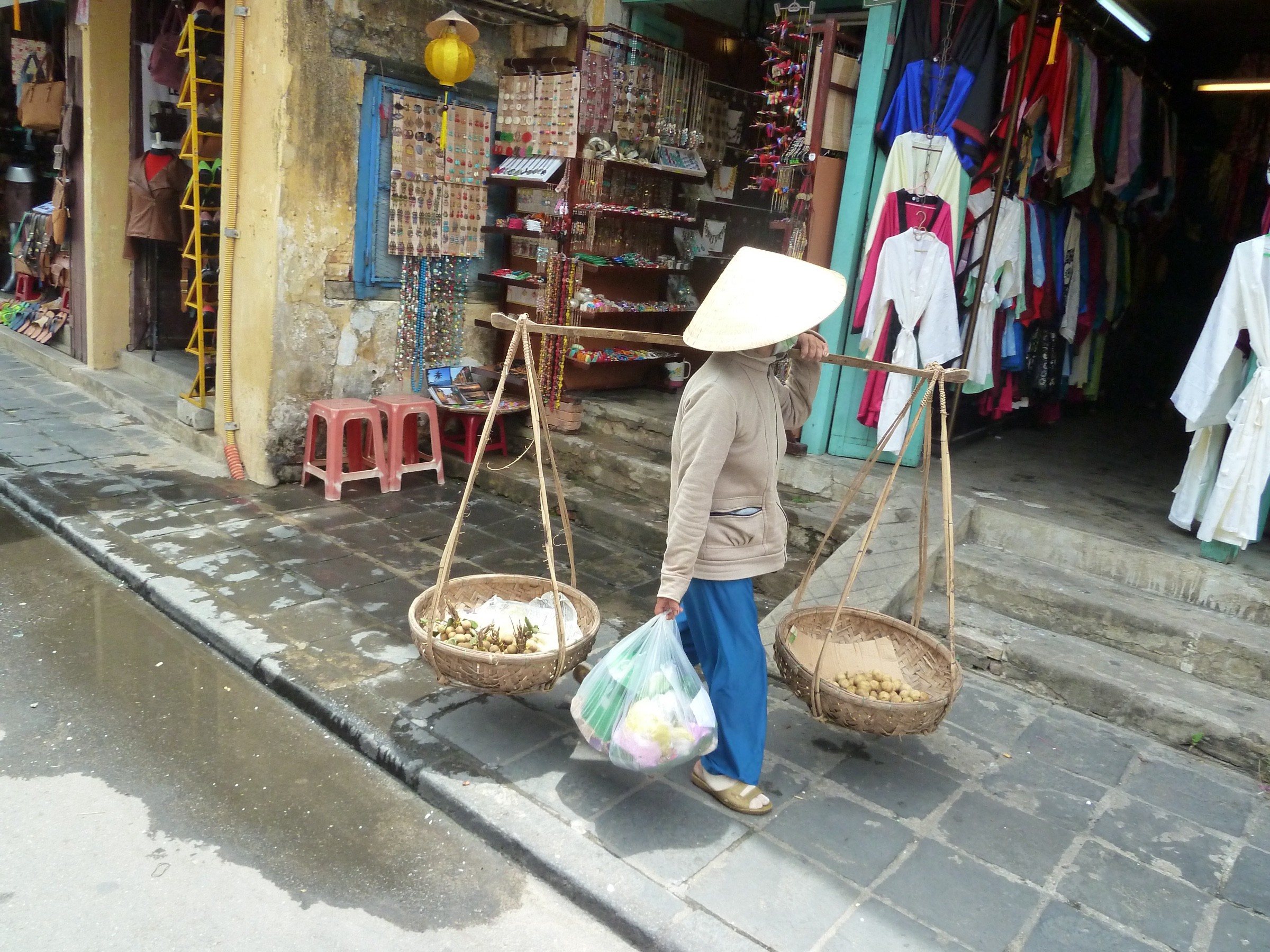
The next day I followed my two “best girlfriends,” Phương and Sương, to Hoi An. People gawked a little because I was walking around with two small Vietnamese women toting colorful umbrellas. Shopkeepers looked at me like I was a wallet. “Hello! Buy something!” they’d say. Thankfully I was with the umbrella goddesses of Da Nang. Even so, fruit ladies with carrying poles, baskets balanced across their shoulders, stepped between us in the street and tried to make a sale.
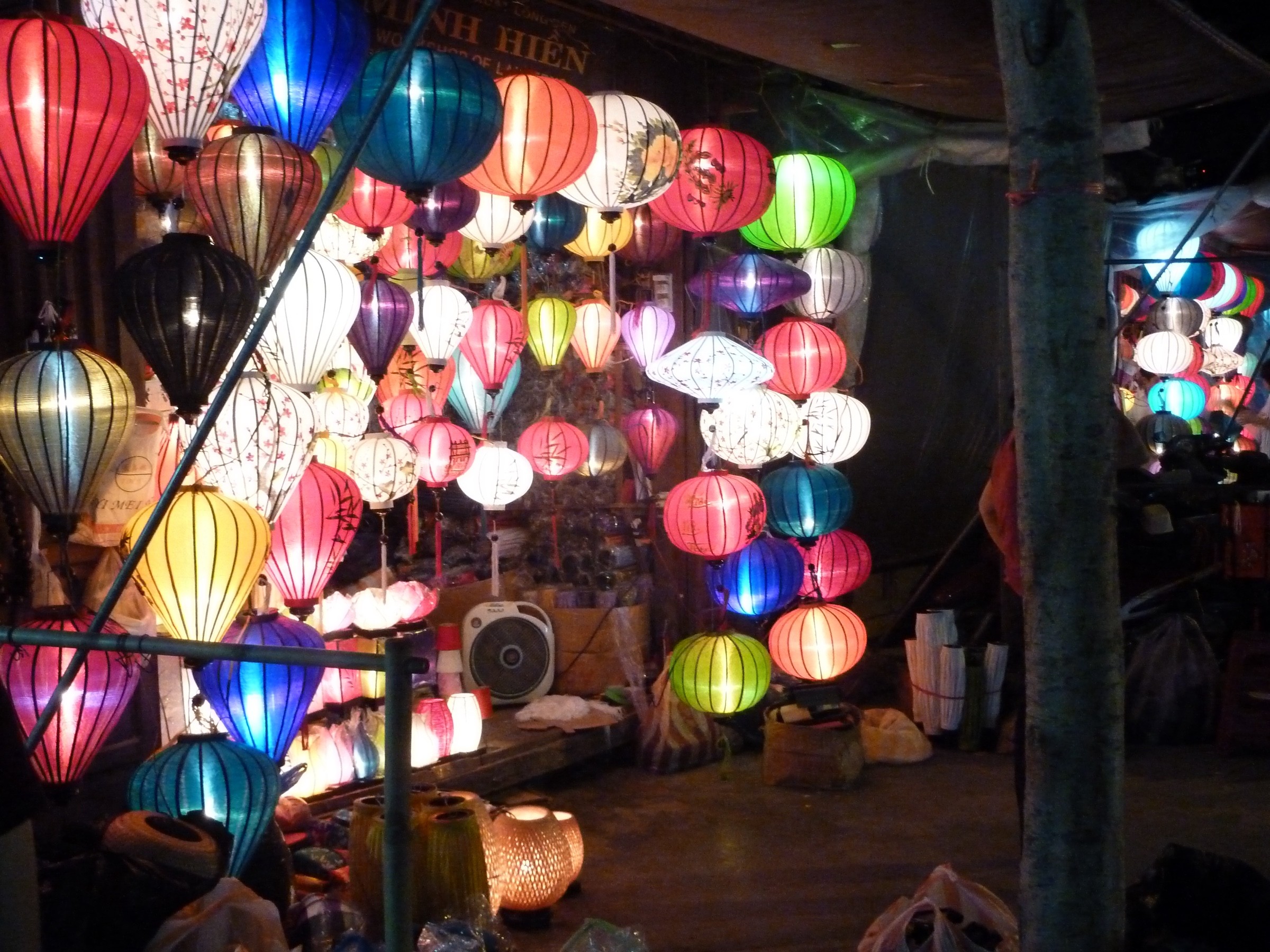
Hoi An is a city of lanterns. On a full moon, the town holds back the artificial light so the silk lamps and the river can do the work. We walked the old streets under them, and for a little while the century dropped away.
Vietnamese names gave my mouth a workout. A girl, and a city, named Huế looks like “hue” and is pronounced “Hway.” To get the second word in Hoi An closer to right, it helped to hit myself in the chest. We often had to spell words letter by letter. In Da Nang, the group would sometimes give up and go back to Vietnamese while I observed. In Saigon, it was easier. People there were passionate about learning English.
Saigon and the tunnels
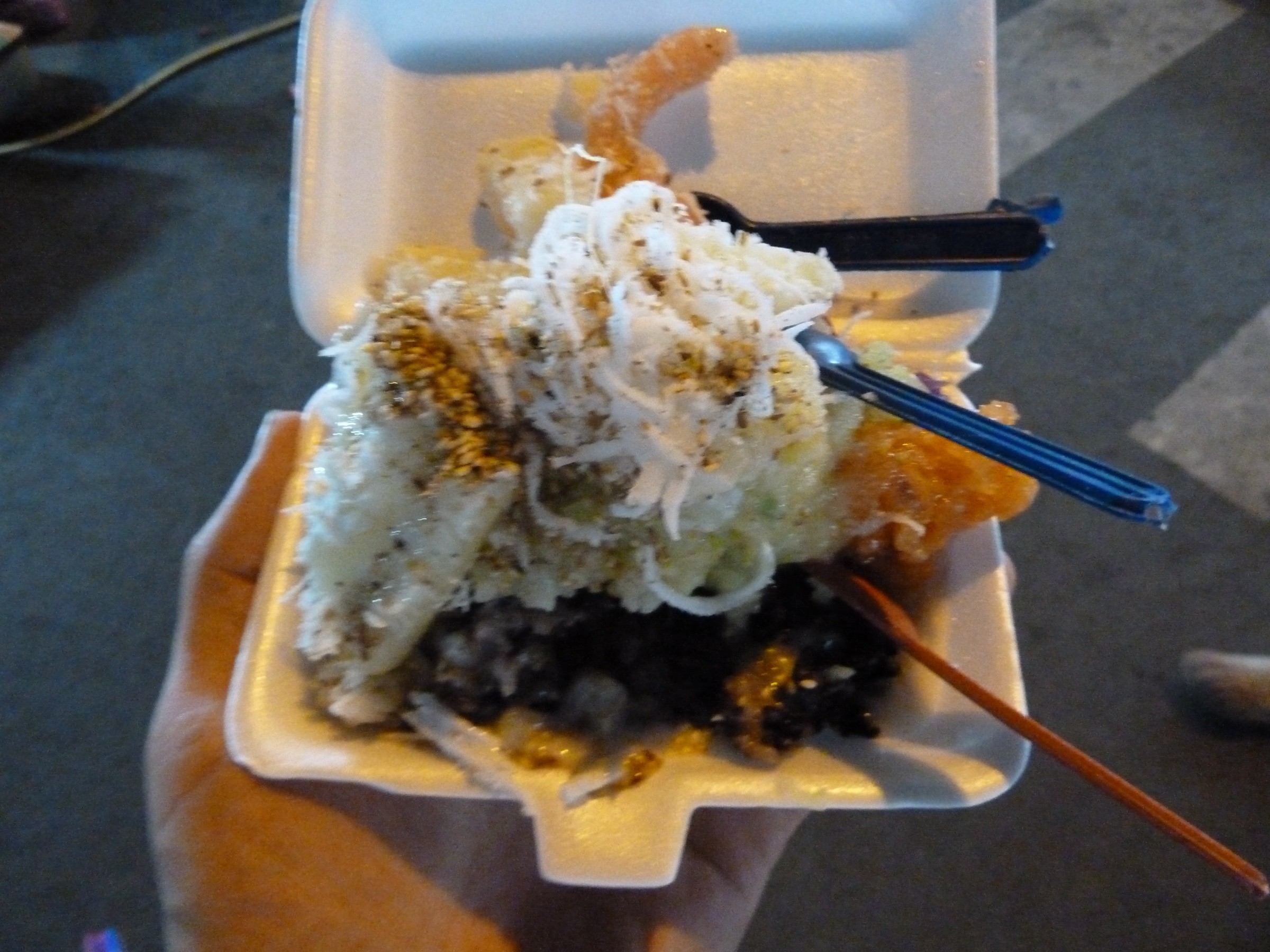
There was a fierce language barrier when I first arrived in Saigon, also called Ho Chi Minh City, but the street food needed no translation. I still think about a mound of sticky rice from a market in the center of town, ridiculous in the best way, peanuts and coconut packed into a plastic bag.
A young woman in Saigon asked me to explain words with slightly different meanings, “inspiration” versus “motivation.” She sat with it for a moment and then said, poetically, that motivation was the push and inspiration was the pull. Motivational speakers push us to succeed, she said, and the people who inspire us pull us toward something. I have used her definition ever since.
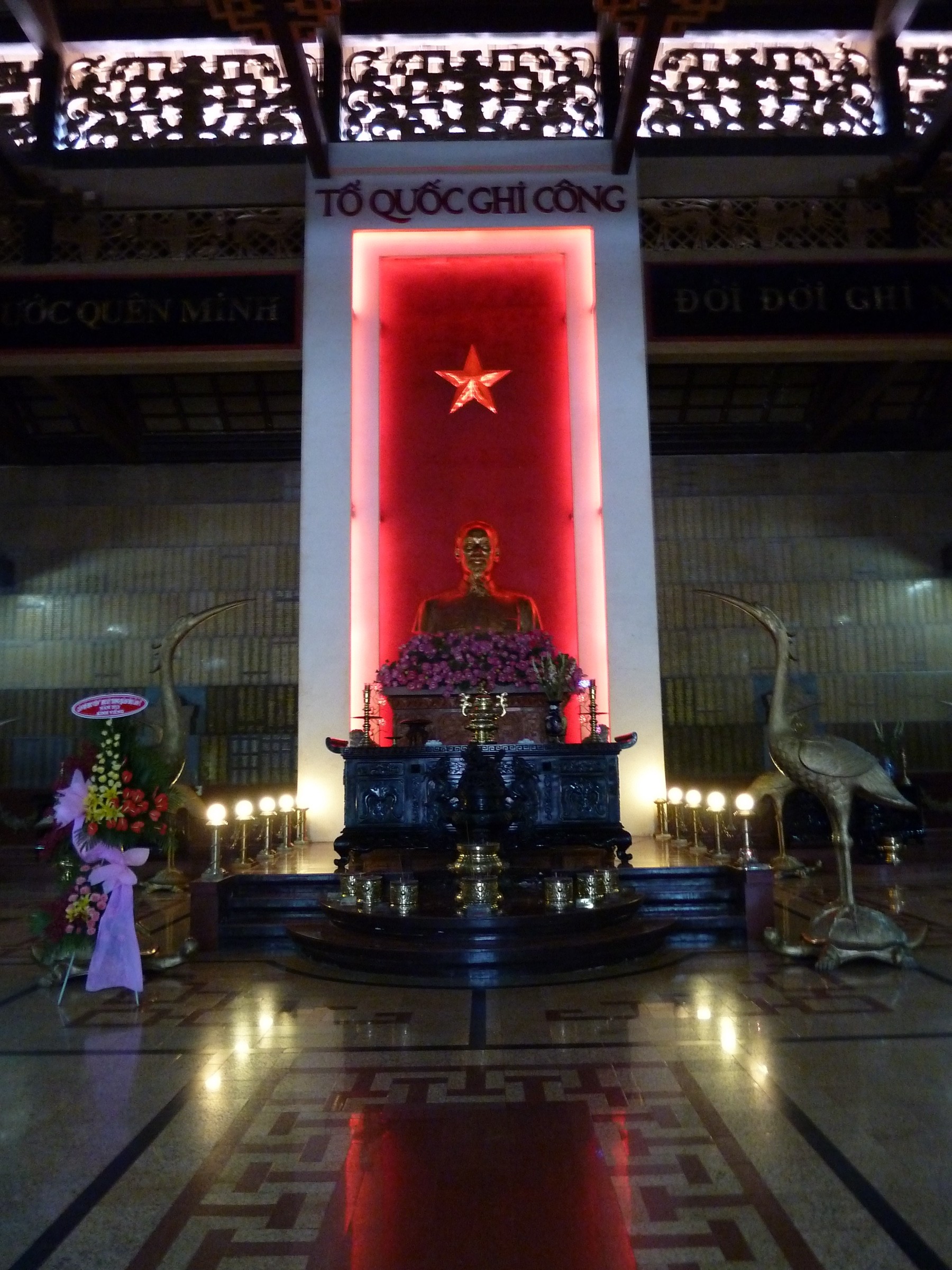
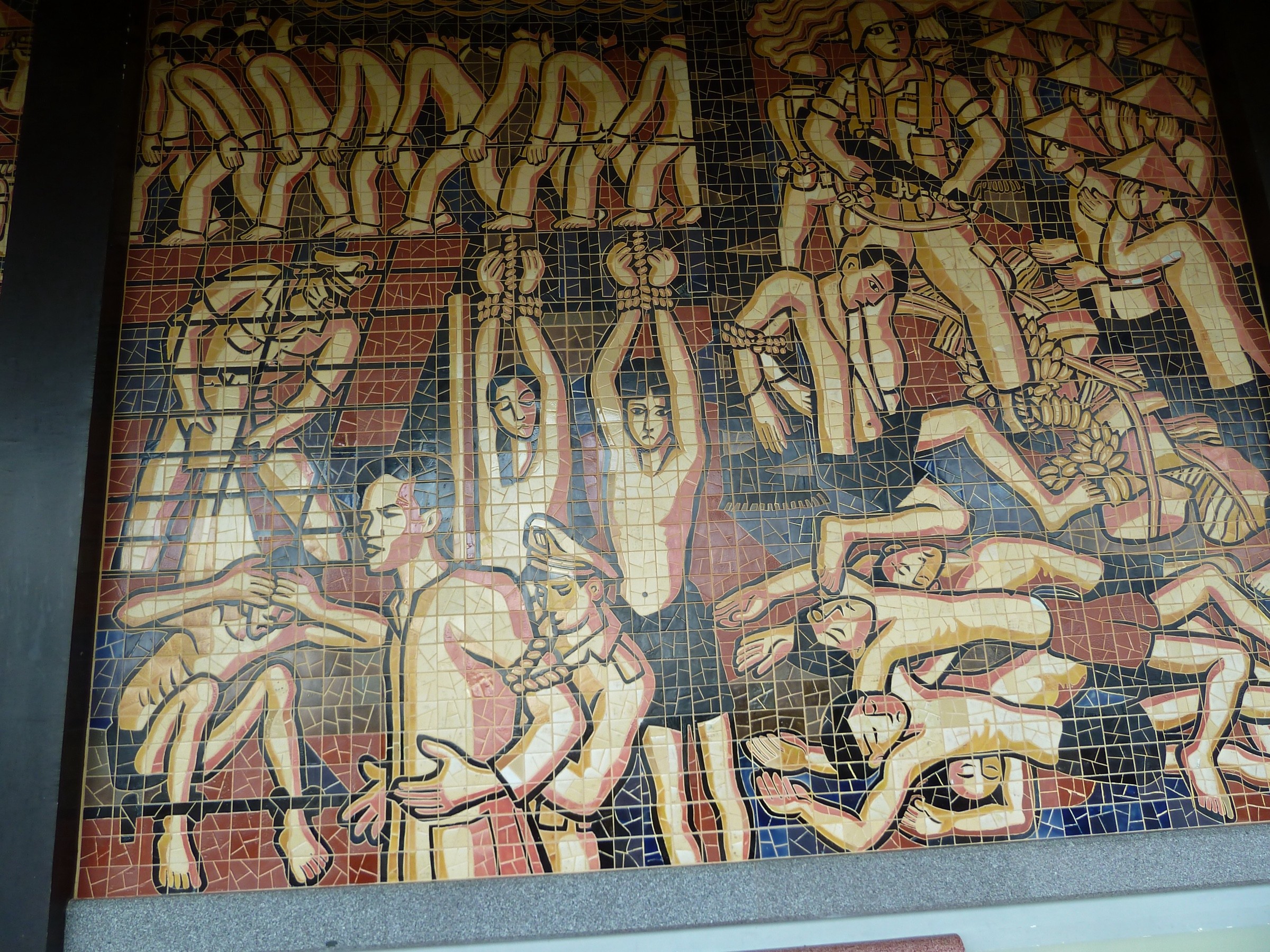
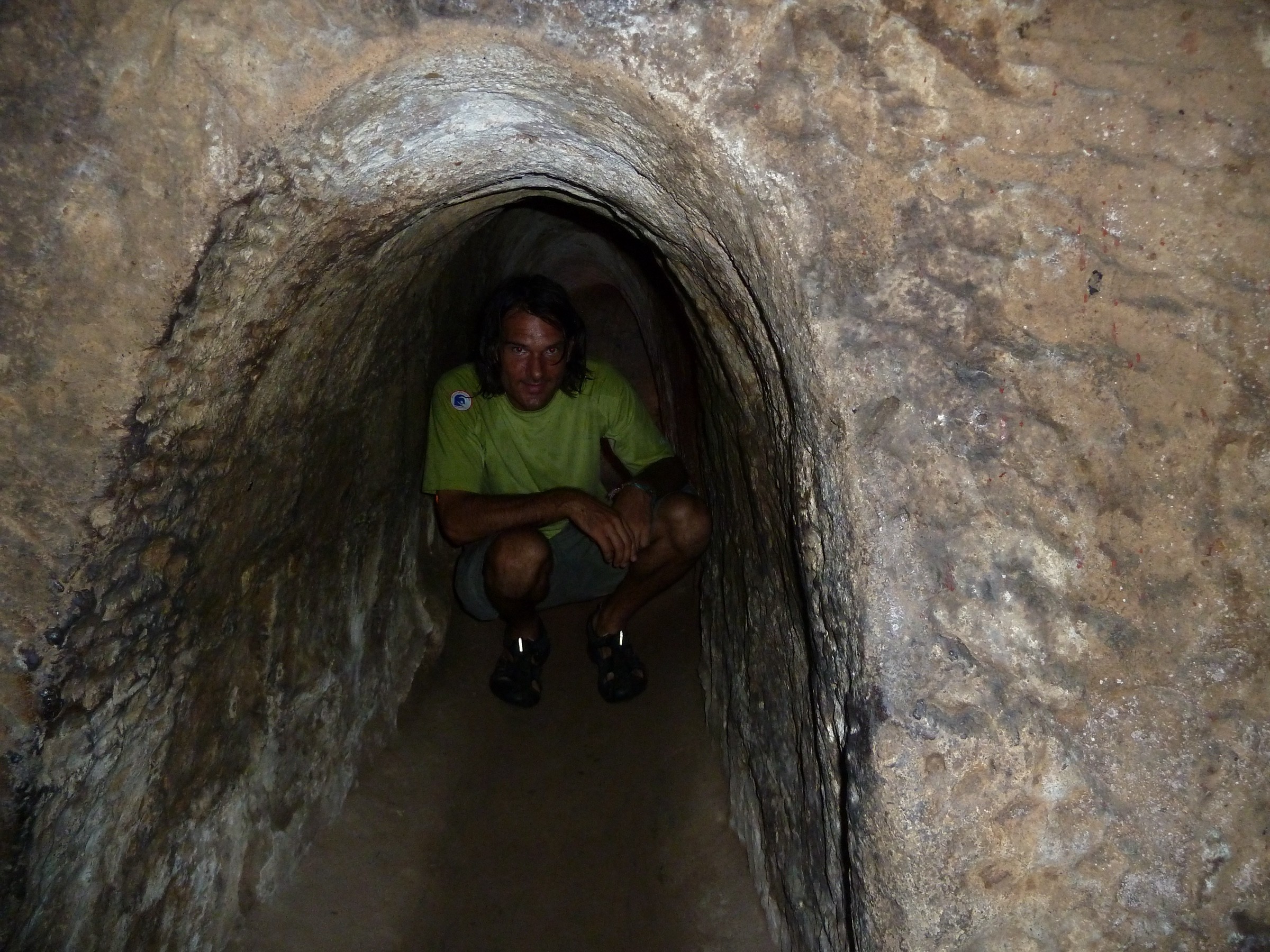
I went out to the Cu Chi tunnels. It felt like being in the war, but without the war. You squat and you crawl, and you try to imagine people living in those shafts while the ground shook above them. There is a shrine to Ho Chi Minh among the trees, and a mosaic that does not look away from what happened.
The cooler air of Da Lat
Saigon was full of culture, but I had to get out of town. I had two days in Da Lat, riding with Huế on a rented motorbike to the natural wonders around the city. Da Lat sits higher, with a cooler climate and architecture that is reminiscent of Europe. Mountains, waterfalls, artichoke tea, coffee beans, and strawberries are the specialties. We made the most of the time.
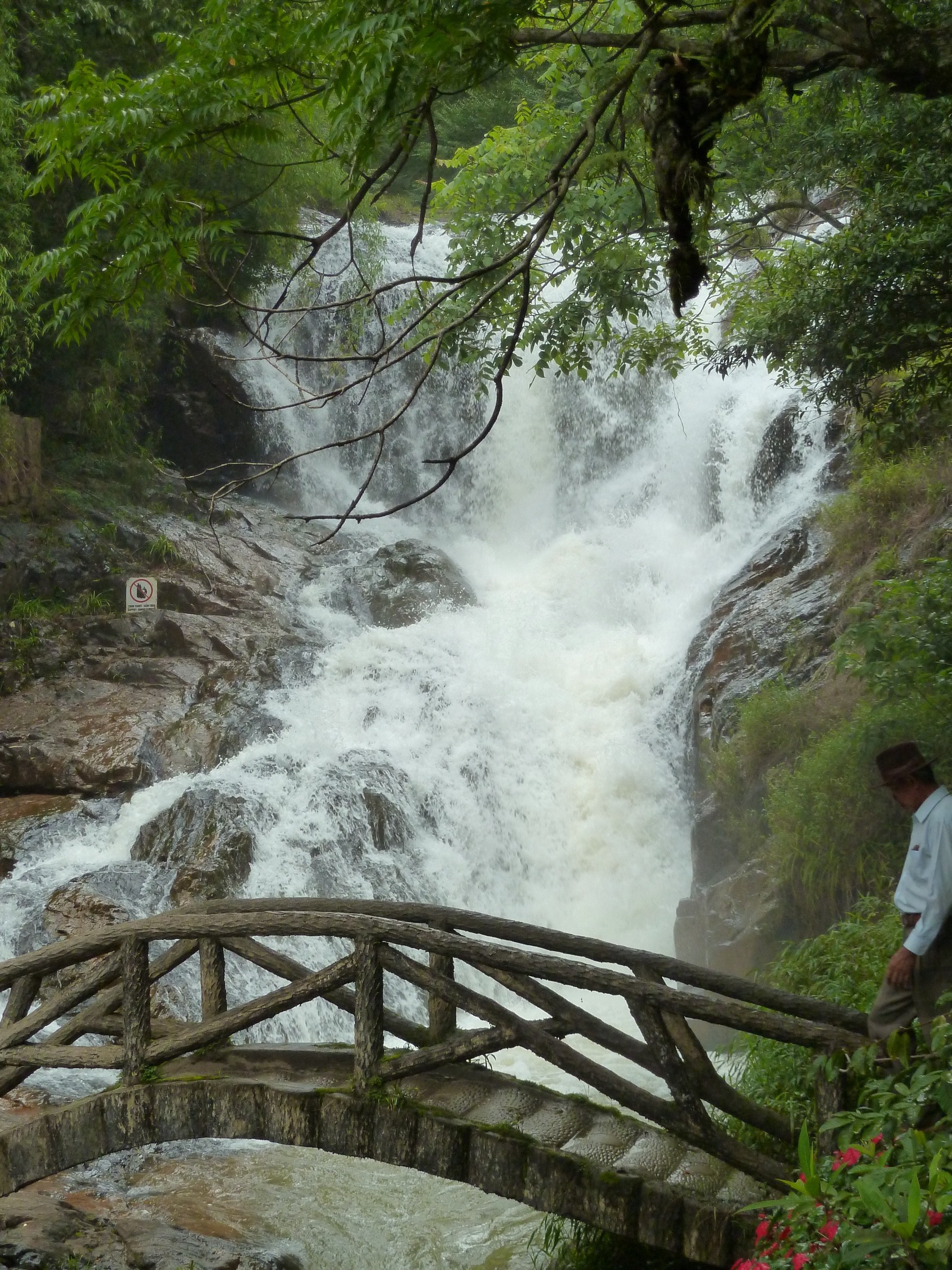
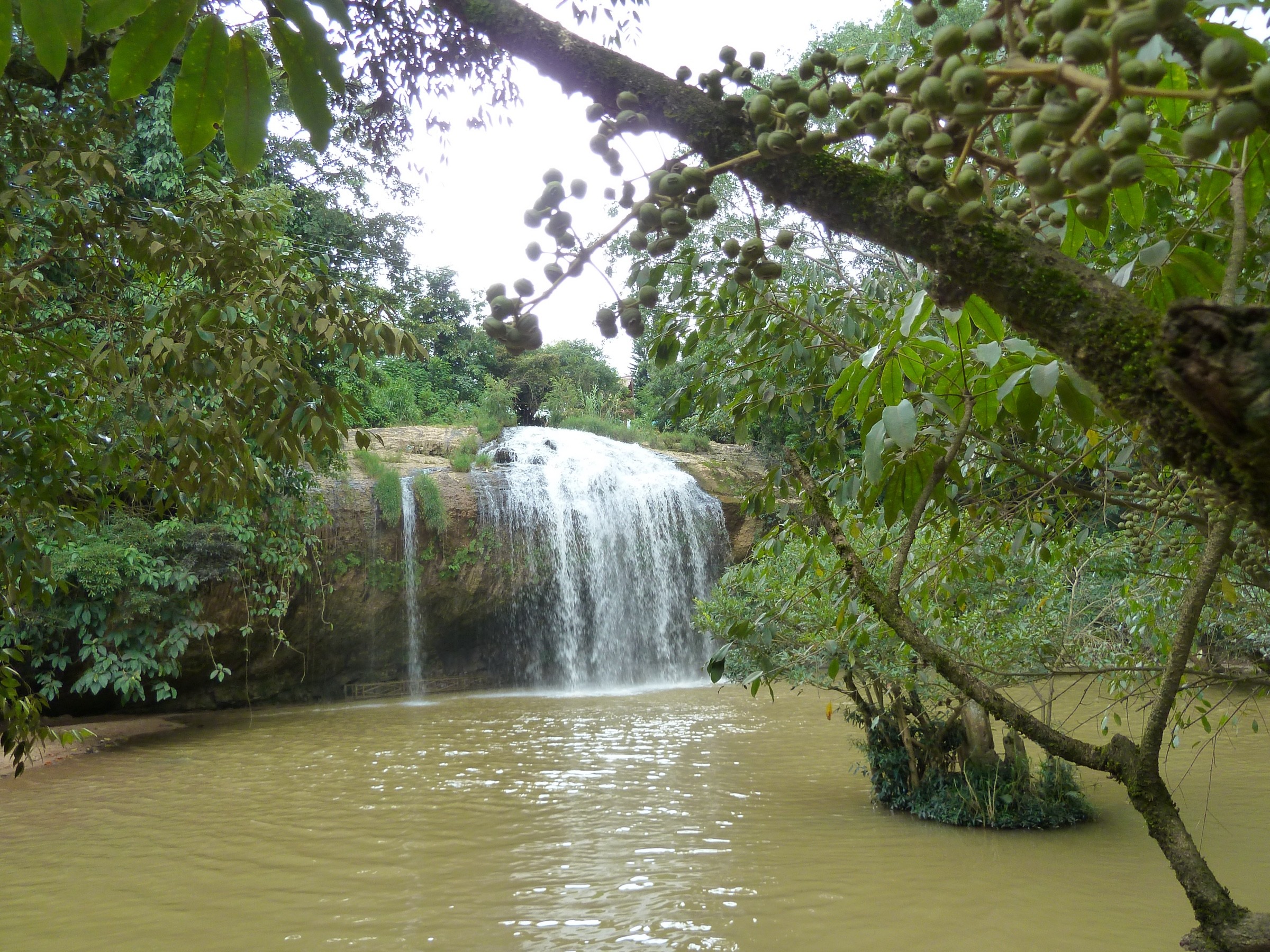
Huế had a command of English I had not found anywhere else in the country. Her father had been brought up in the North, a child of the sixties, taught to hate Americans. They had invaded his country and tried, unsuccessfully, to colonize it. Huế and I talked about how the propaganda in both countries had worked on us.
“I went to the Cu Chi tunnels last week,” I told her. “It was really awesome. It felt like being in the war, but without the war. One thing I don’t understand. If the war was about North versus South, why did the Viet Cong want to side with the North?”
She looked puzzled. “What do the words Viet Cong mean to you?”
I gave her the version I had grown up with: people in the South who sided with the North to bring communism to the country.
Huế told me that the northerners, and those at Cu Chi, were trying to keep Vietnam a sovereign nation. Viet Cong, she said, was a derogatory term, an insult. America had convinced people in the South to overthrow the government for a Western regime. At that moment it became much clearer why the war had been so unpopular at home. We had been the invaders.
“Tell your dad, most Americans were totally against the war,” I said. “The draft dodgers and the protestors were a huge part of our culture. It was the first war where the American people really disagreed with the government about a war.”
“Oh, really? The first? What were the others?” she asked.
“Actually, every one since,” I said.
Later I met her father. I made a good impression, but he had to hear it again, from me, that Americans had been against the war. As Vietnam became one of my favorite places on earth, I thought about how well the official stories had done their work, on both sides of the ocean.
Seventeen nights, a borrowed motorbike, and a cup of coffee that looked like motor oil. I flew on to Kuala Lumpur with the taste of it still in my mouth.