I had added Jordan to the itinerary after hosting a Jordanian in Austin. He told me it was a safe, peaceful, central place in the Middle East, with nature, so I flew from Dubai for a hundred dollars. Istanbul was the obvious next stop, but tickets from Amman were more than three hundred. Overland to Israel, then a flight from Tel Aviv, was about a hundred. Itinerary negotiation was part of the journey.
“Hey! Who’s coming to pick you up at the airport?”
I came out of security and turned around. An adorable brunette was smiling at me. It was Dalal, a Couchsurfing host I had been messaging for weeks. I had thought she had her father’s birthday party and could not come. She had realized the party was the next day, and my flight had been thirty minutes early. She was worried she would miss me. She drove us to dinner, then dropped me at the home of Abbas, the host I was actually staying with.
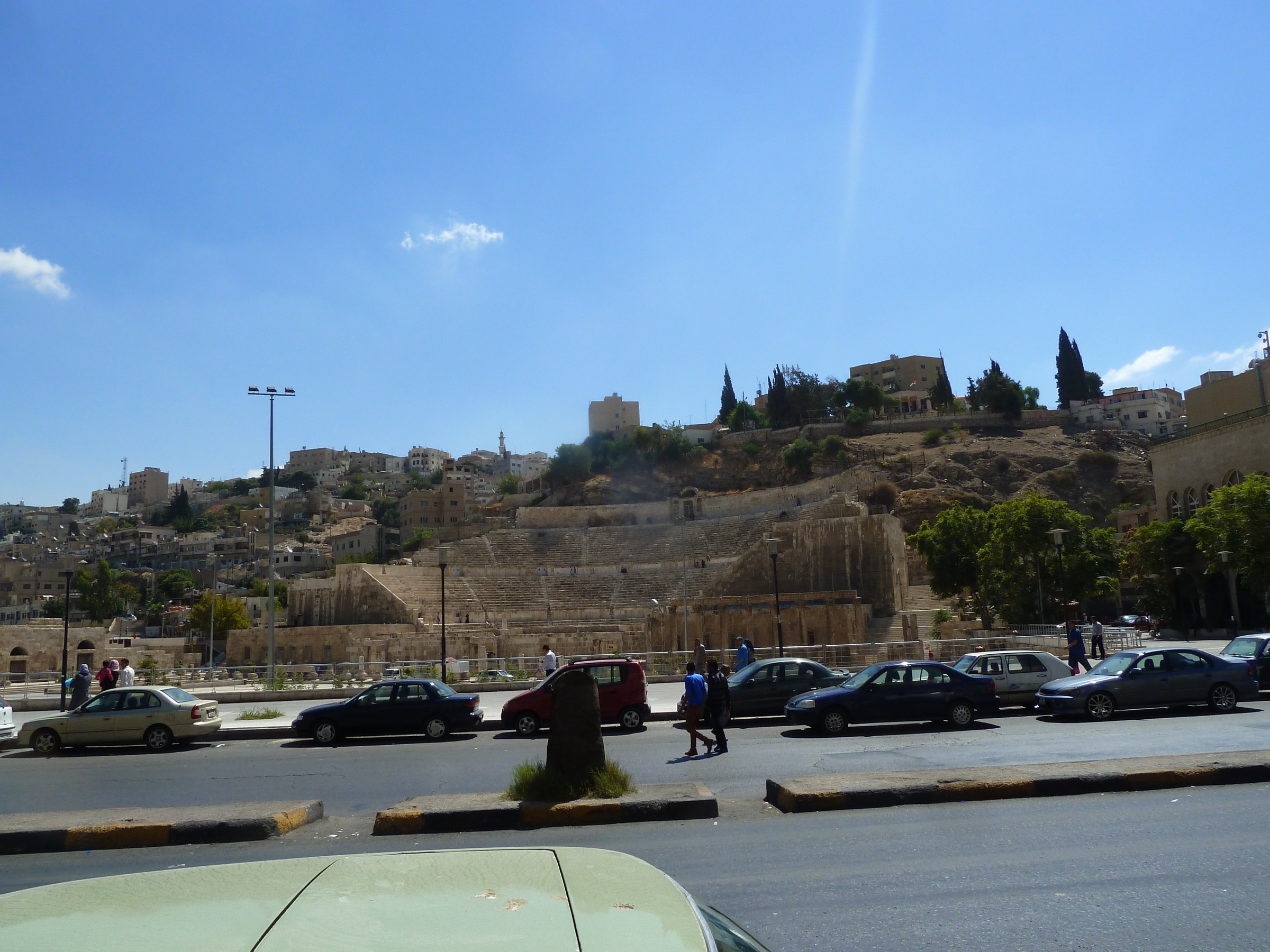
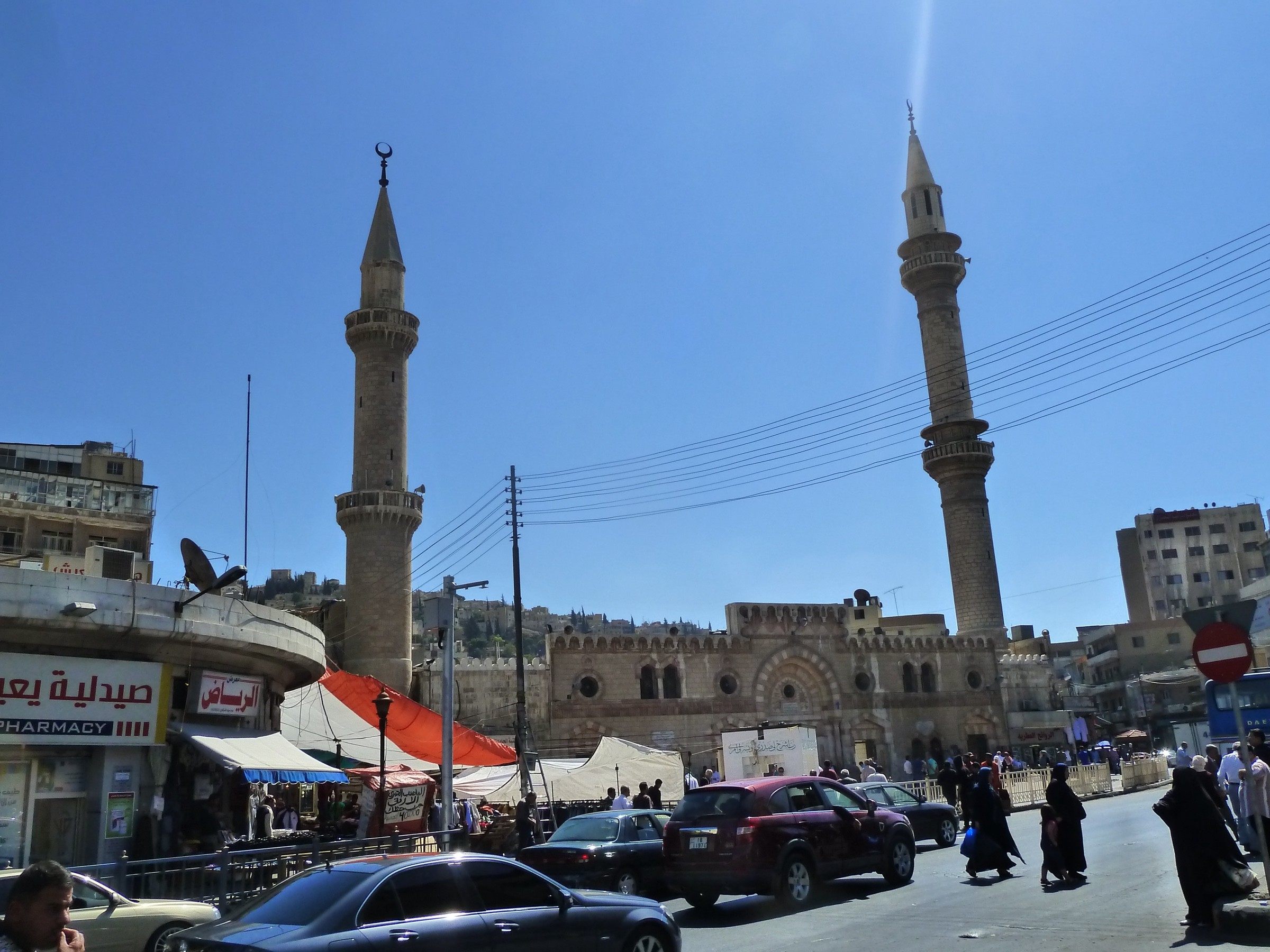
The next morning Abbas had to work, so I went into the center of Amman on my own. I bought a SIM card from a shopkeeper who told me he wanted to open a phone store in America. I gave him the bad news about locked phones and two-year plans, then spent the day walking the city, minarets over ordinary streets, hills of pale stone buildings, and decided to rent a car.
Mount Nebo, then down to the sea
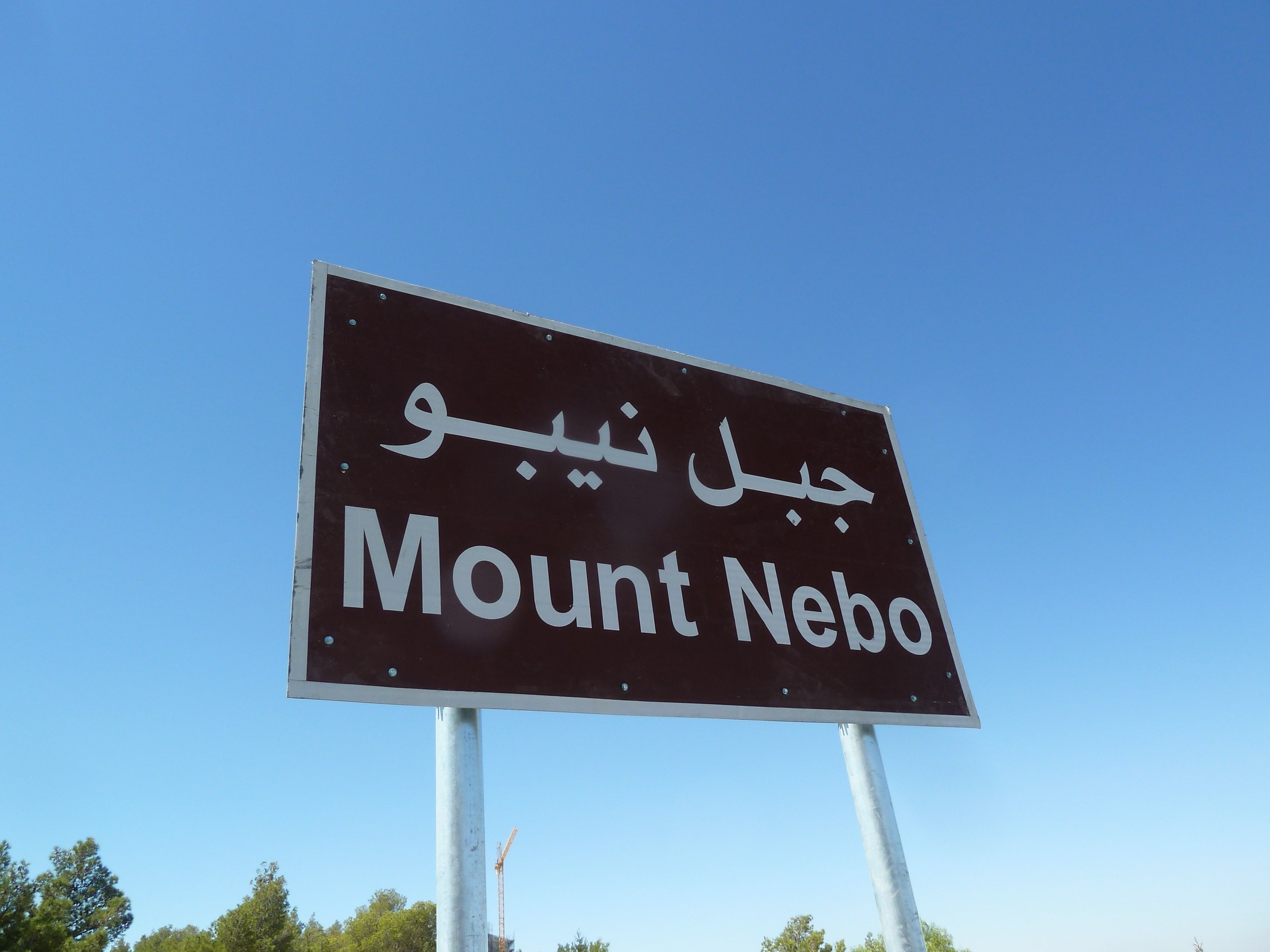
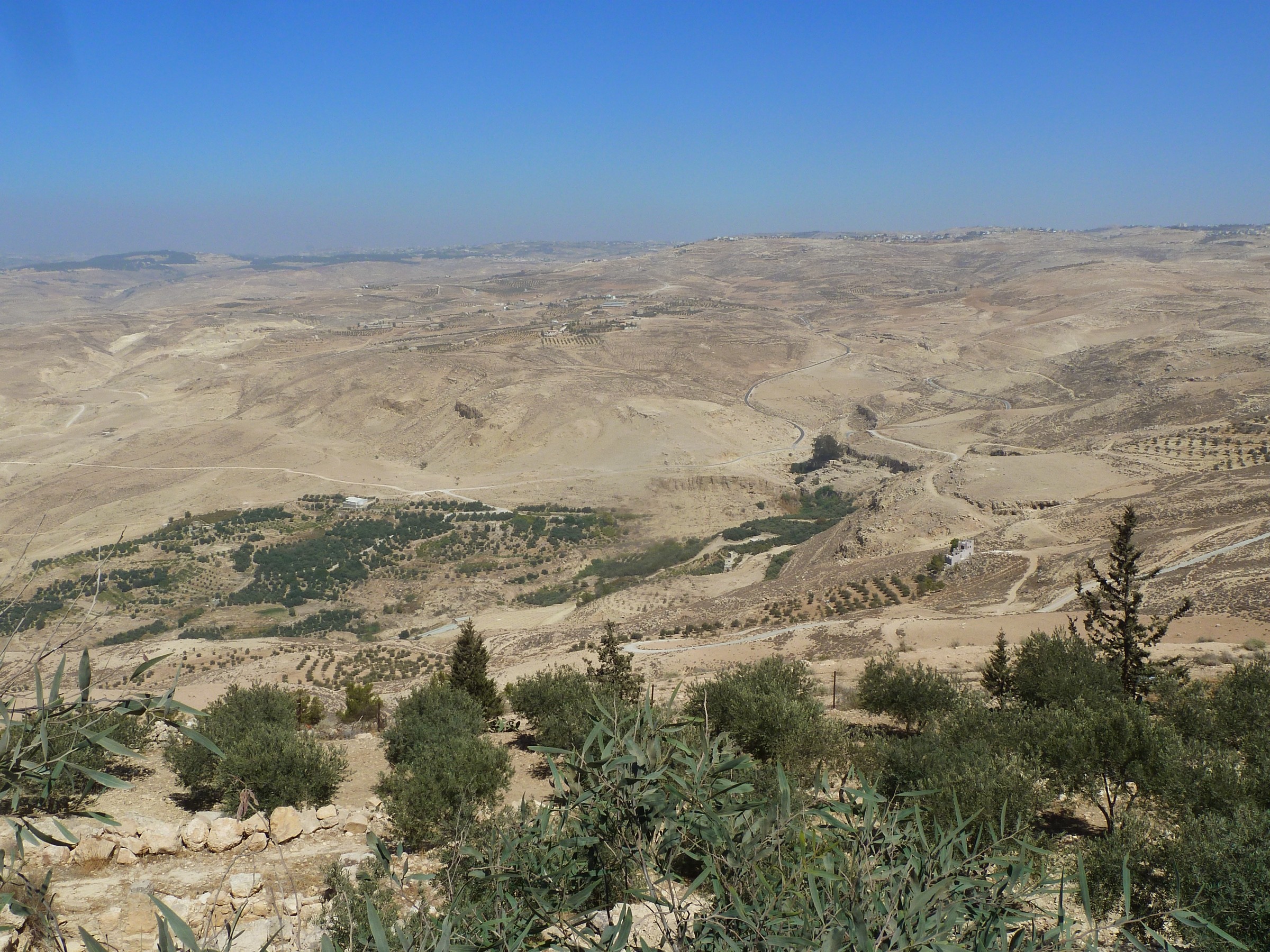
My first drive was south to Mount Nebo, where the story goes that Moses looked out on the Promised Land before he died nearby. The view was a sprawl of desert hills and open sky. I took photographs among a tour group and sat in the heat for a while, then put the car in low gear and limped it down the mountain toward the Dead Sea.
At the bottom, a checkpoint guard told me to make a U-turn and drive five kilometers south to the hotels. I ended up at the Dead Sea Spa. Forty-five dinars bought a lunch buffet and the beach, the pools, towels, and a changing room. It was worth it.
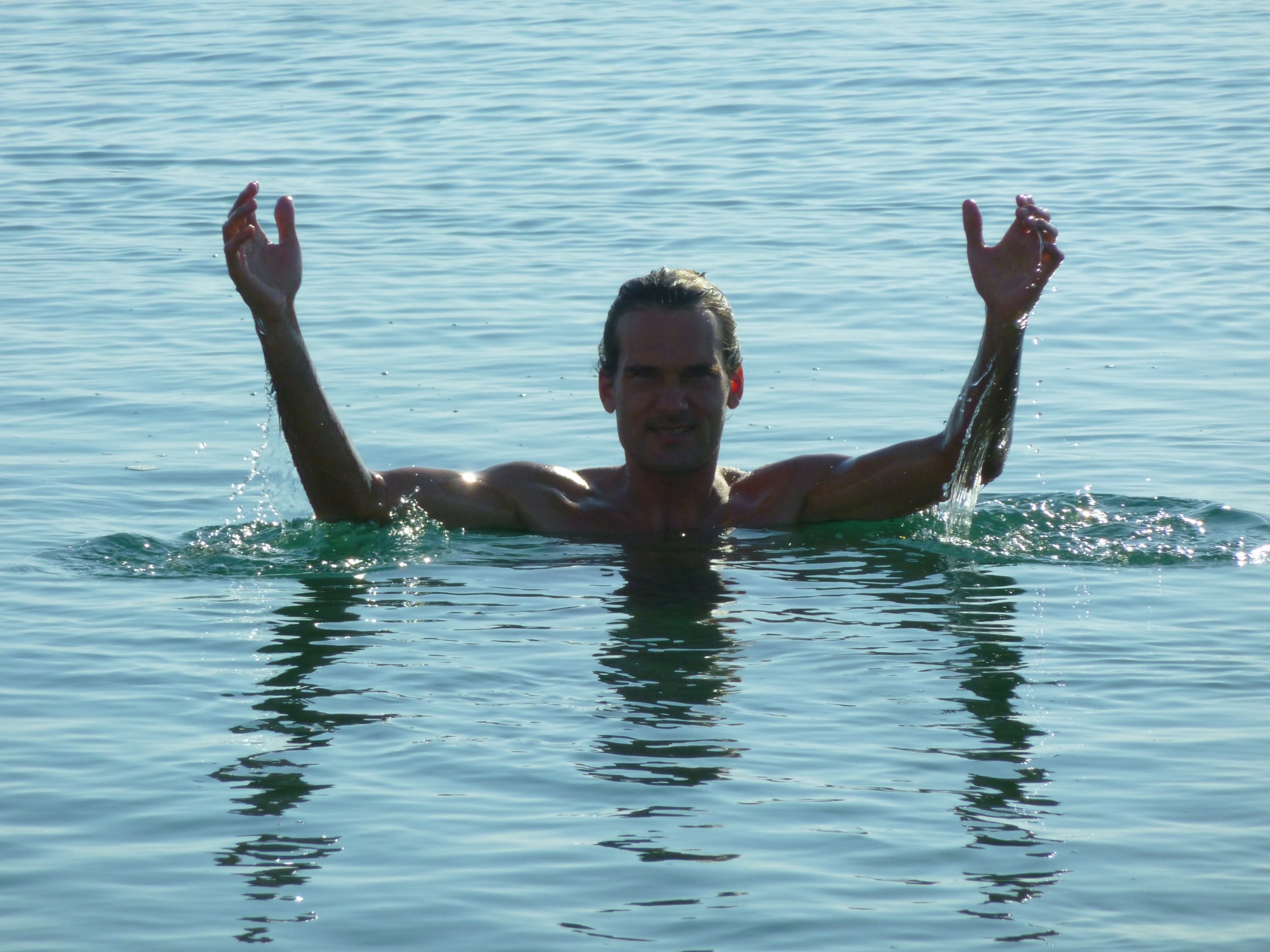
The Dead Sea sits 414 meters below sea level, the lowest point on earth. Rivers run into it and nothing runs out. The only way for the water to leave is evaporation, which has made it one of the saltiest bodies of water in the world. Fish cannot live in it. Boats cannot really sail on it. I walked in until my feet left the bottom, and my head, shoulders, and armpits were still in the air. I could stand upright and float, or sit as if I were in a chair and keep a paperback dry. Drowning seemed almost impossible, though people still manage it, and swallowing the water would be a serious mistake.
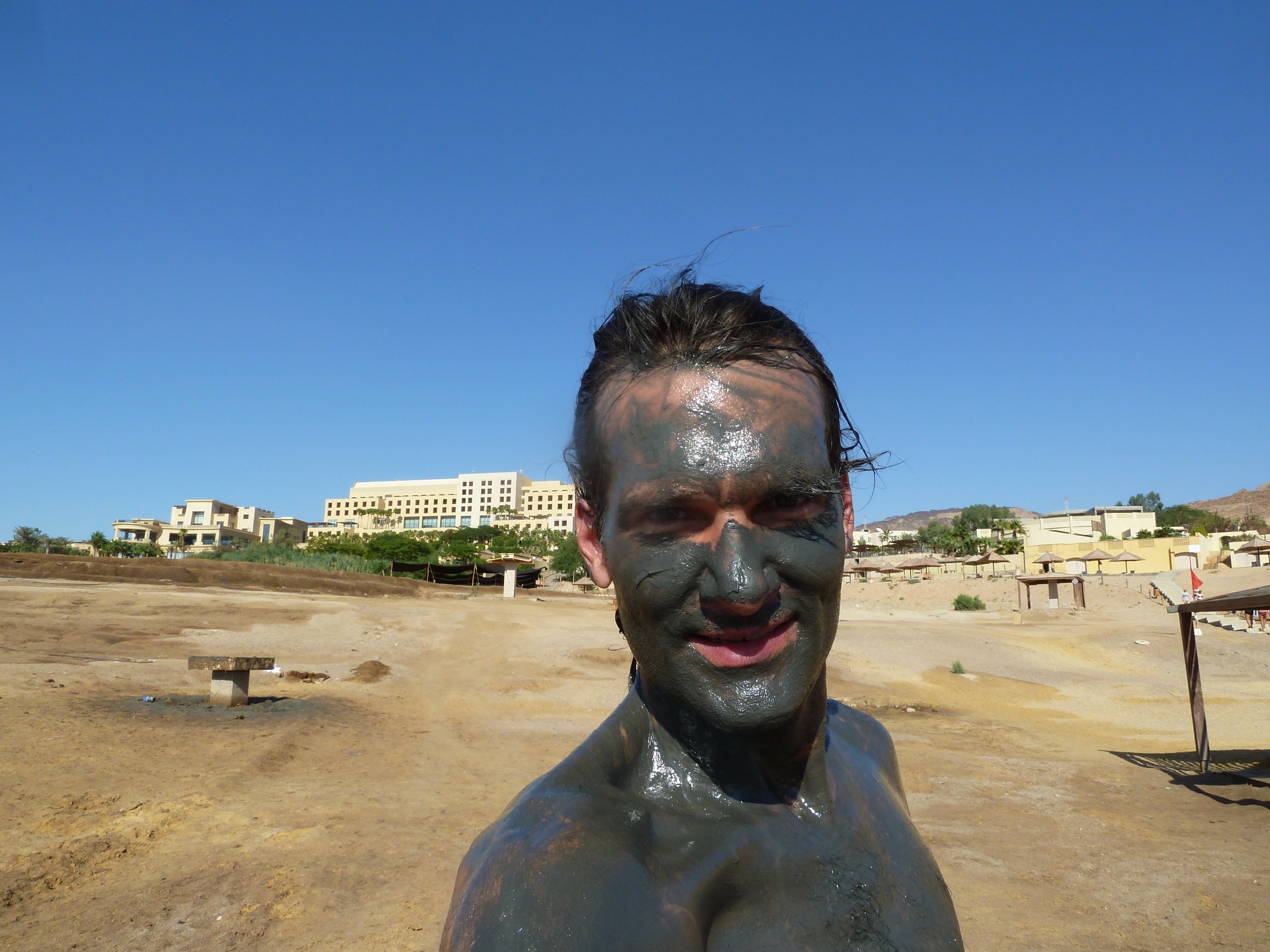
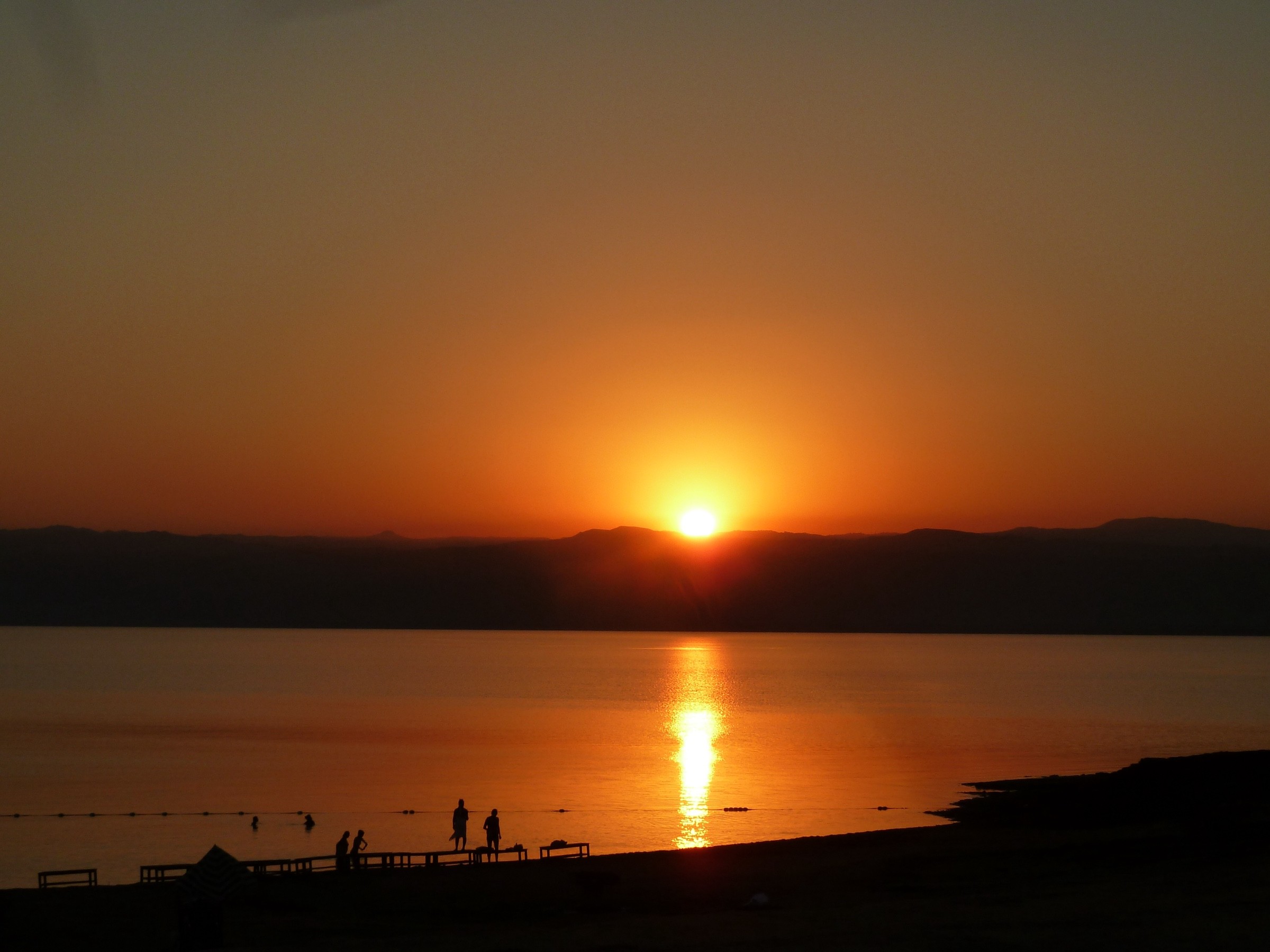
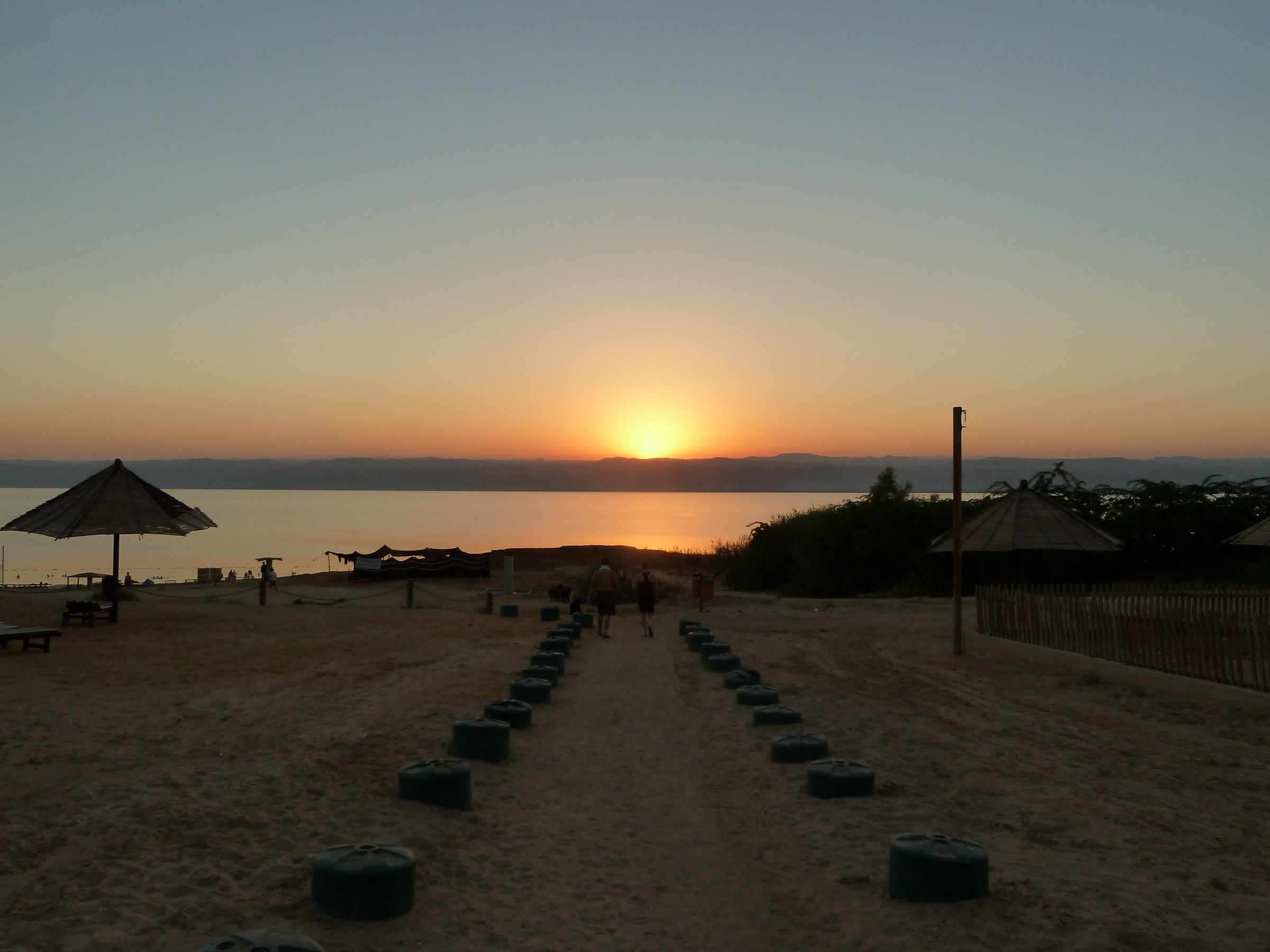
Along the shore, the same evaporation leaves a thick mineral mud. I plastered it on, let it bake in the sun, and washed it off in the sea. By evening my skin felt soft, and the sun was going down over the water toward Israel.
Jerash, a castle, and a place I almost missed
Back in Amman I parked at Third Circle, asked around, and ate a cheap dinner at a place called Alia. Abbas was at a wedding, so I napped in the back seat of the rental until he came home late. For a couple of hours I was a back-seat surfer. The next morning he navigated and I drove north, which was a relief. Driving in Amman was its own education. In India, horns were constant but the mood was usually good-natured. Here, many drivers seemed angry and anxious. Sit a half-second too long at a light and you would hear about it. People used the turning lane to go straight, just to gain a car or two, and entering a roundabout was a game of chicken. The rental was still worth it. Piecing these places together by bus and taxi would have taken days I did not have.
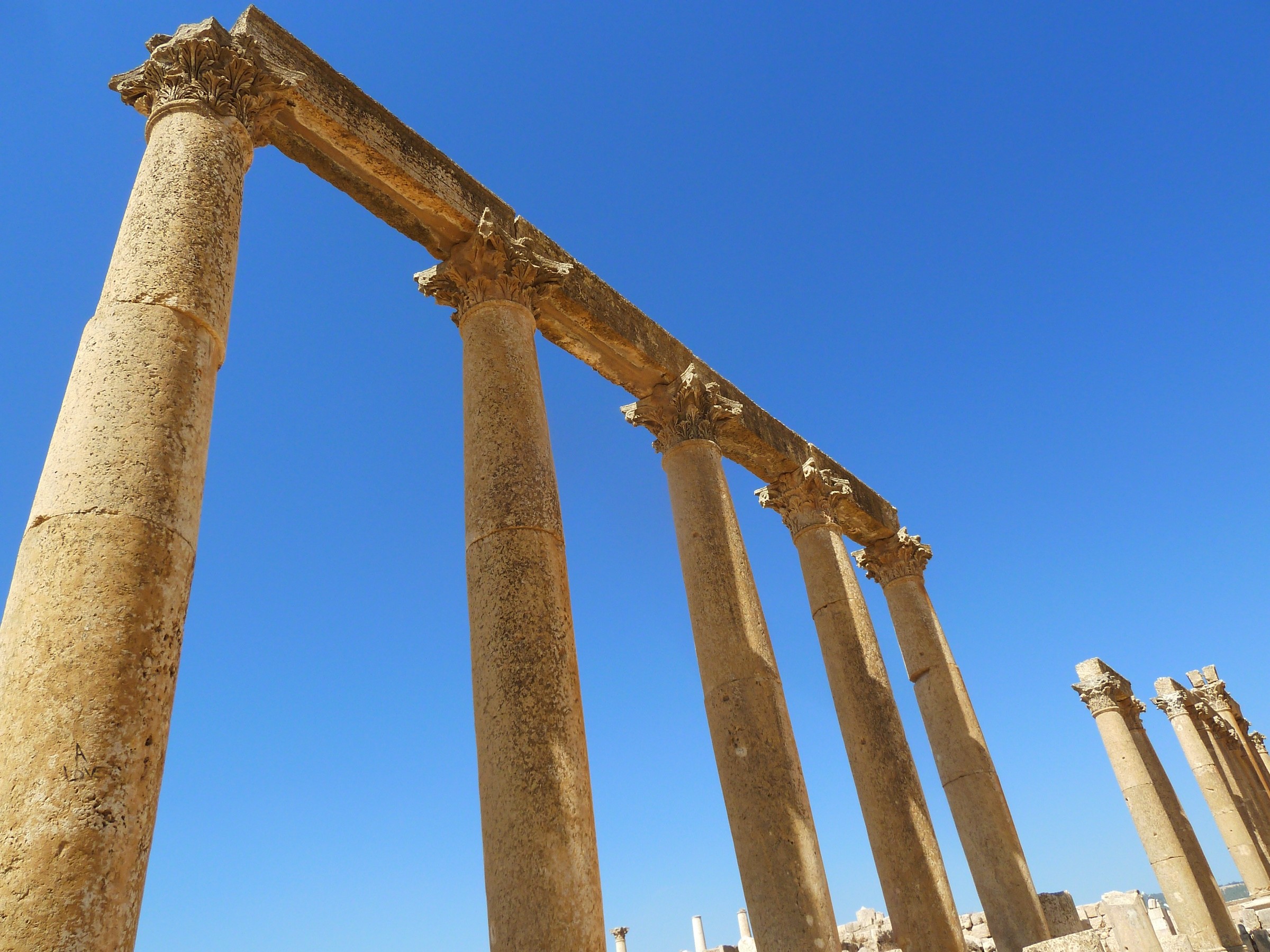
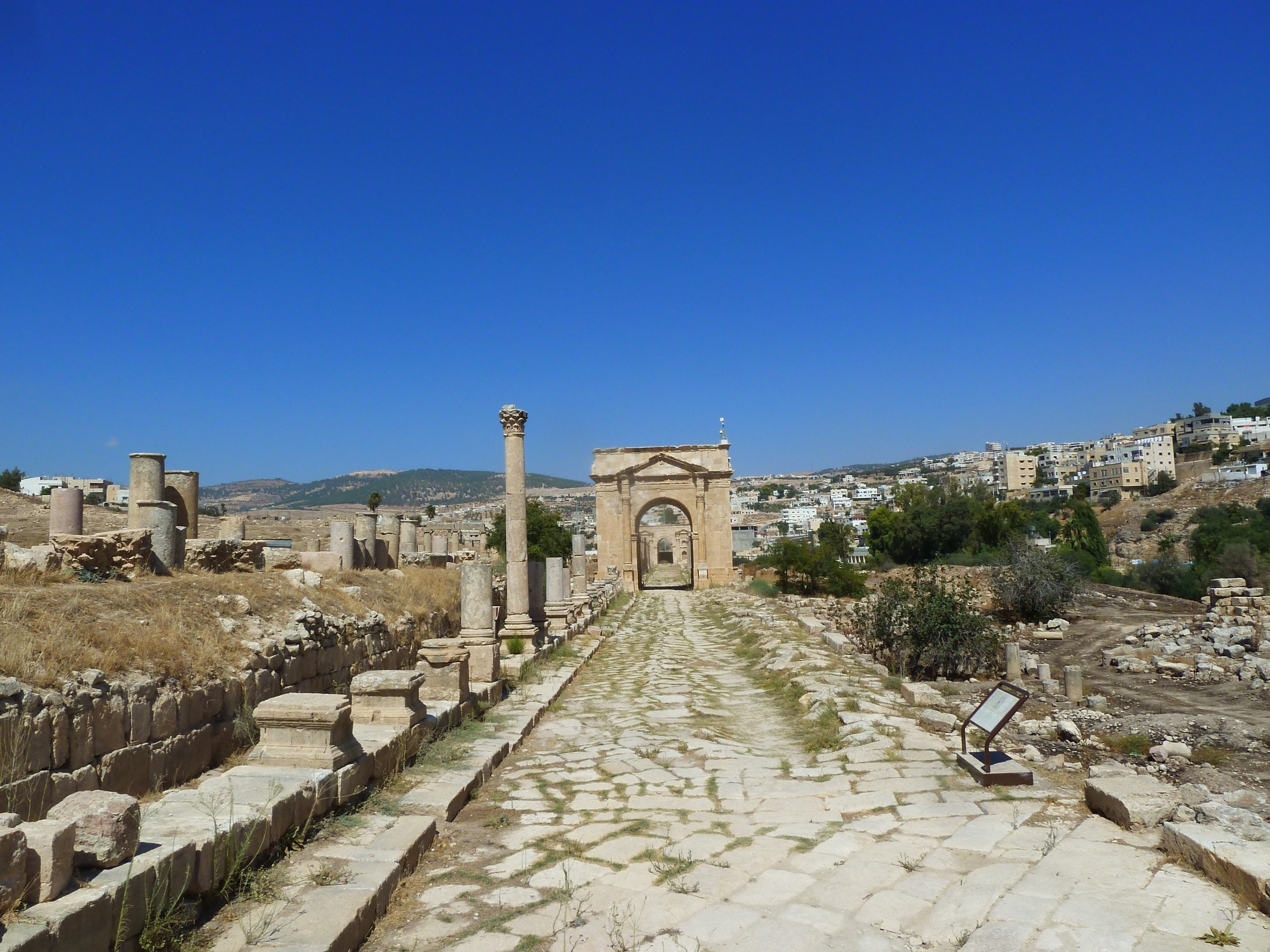
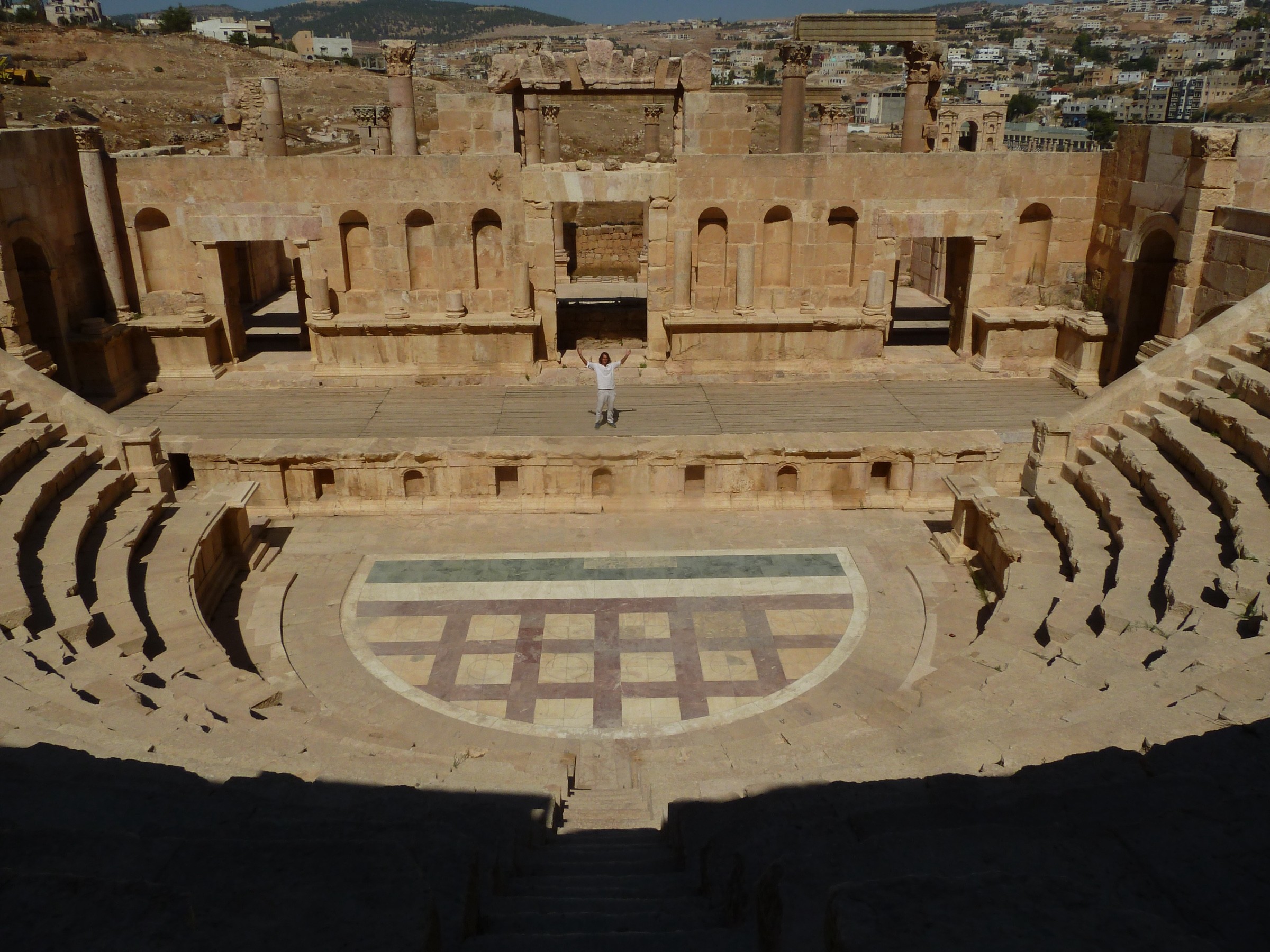
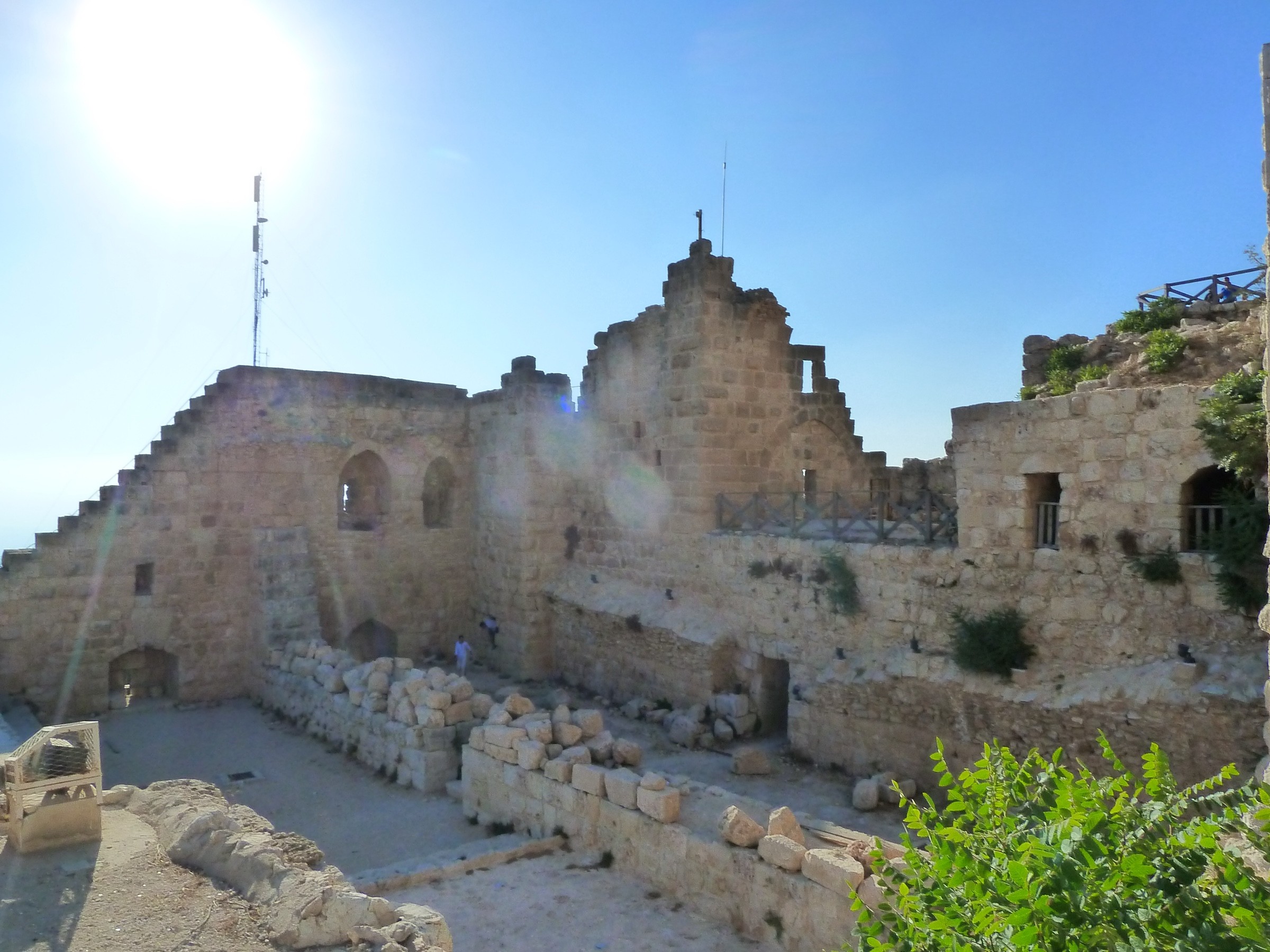
Jerash is a Roman city that is still, somehow, itself: cobbled streets, columns in long files, and amphitheaters so well preserved you could put on a concert, except that Jerash sits in a quiet town outside Amman. The Romans had built the seating so the stone itself amplified the sound. They had also built crosswalks and underground sewers with manhole covers. I was impressed. We climbed Ajloun Castle afterward and sat on a ledge above the hills and villages.
Having already skipped the Taj Mahal in favor of rest, I almost skipped Petra. The entrance fee seemed high, the drive was more than three hours, and all I knew of the place was that it had some rock carvings. Jerash, and a cheap JETT bus, convinced me otherwise. I am glad they did.
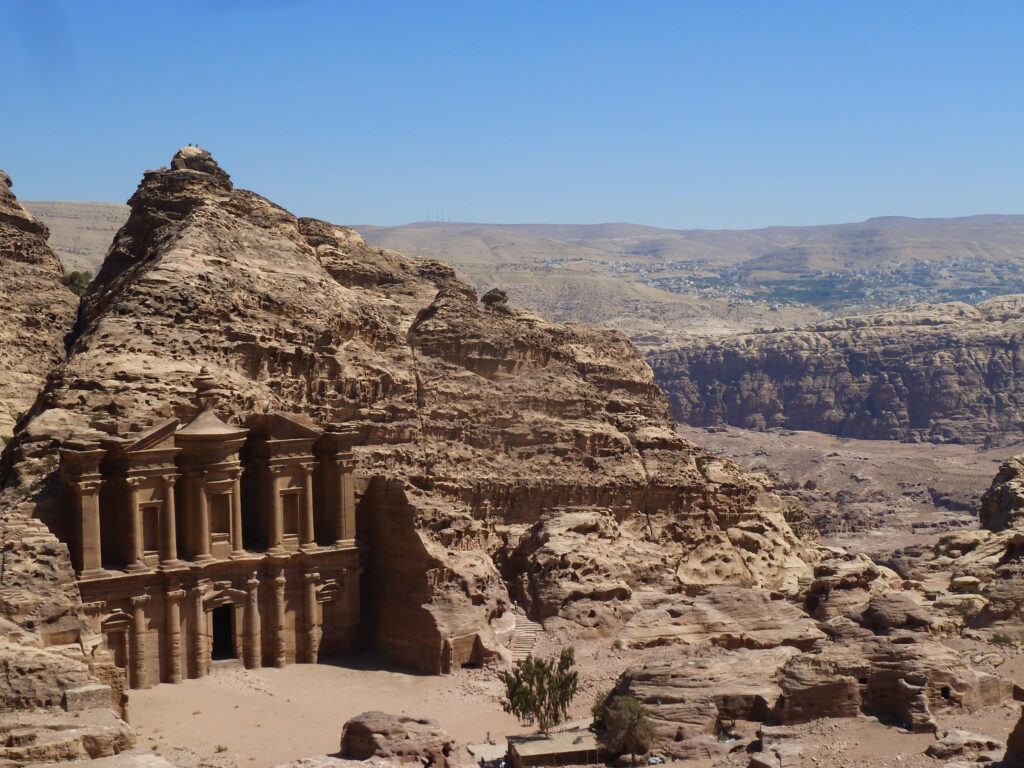
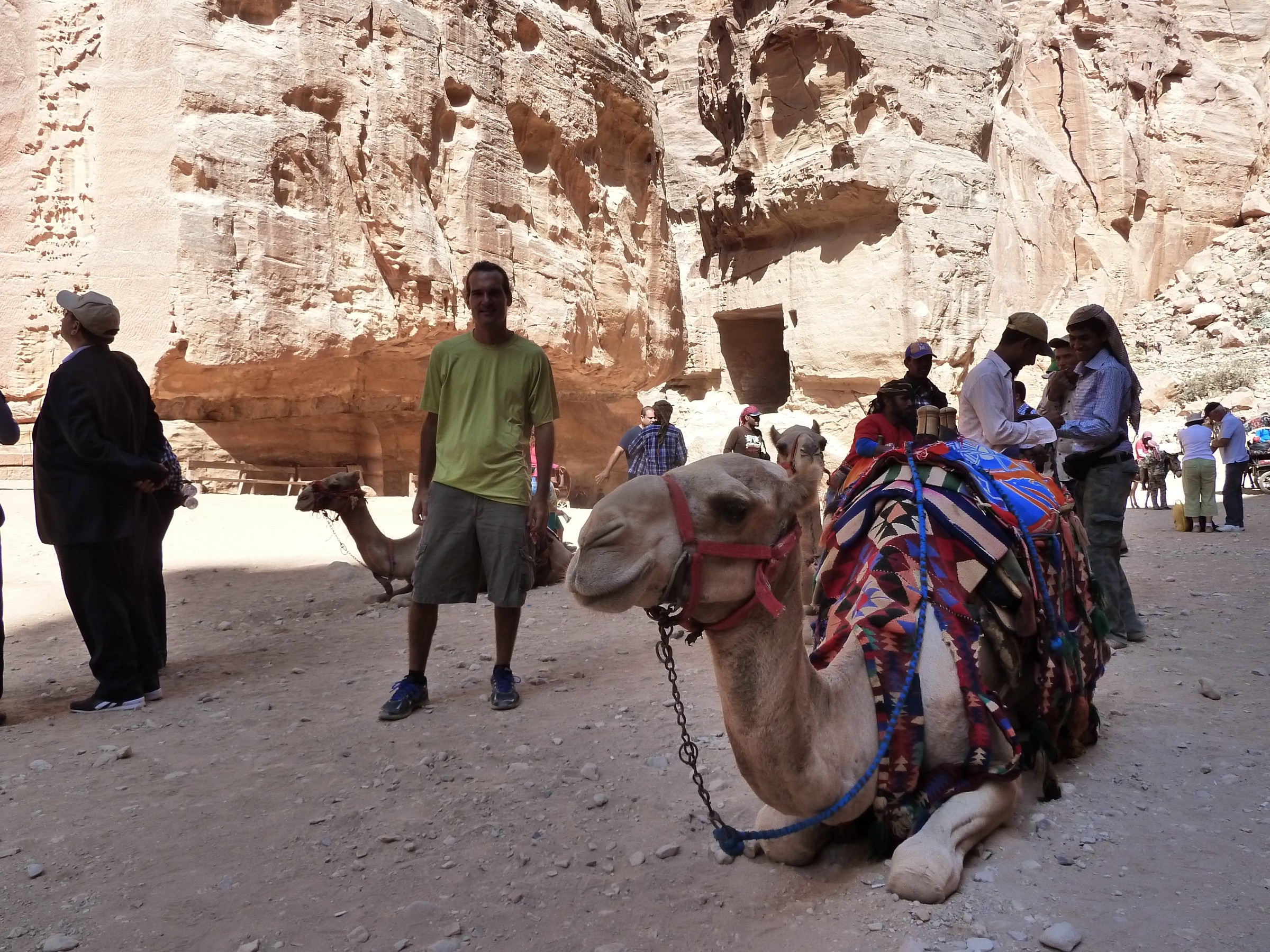
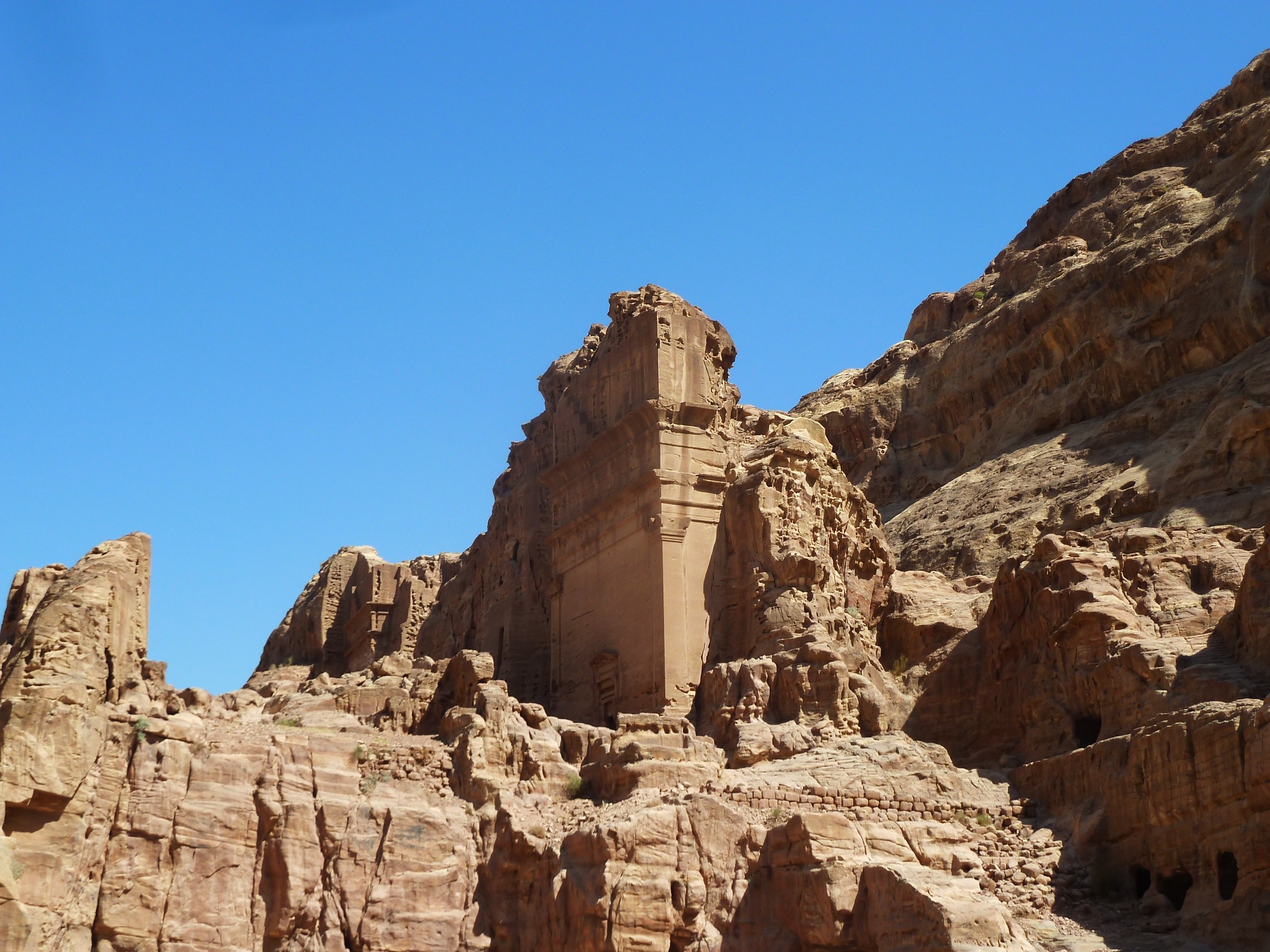
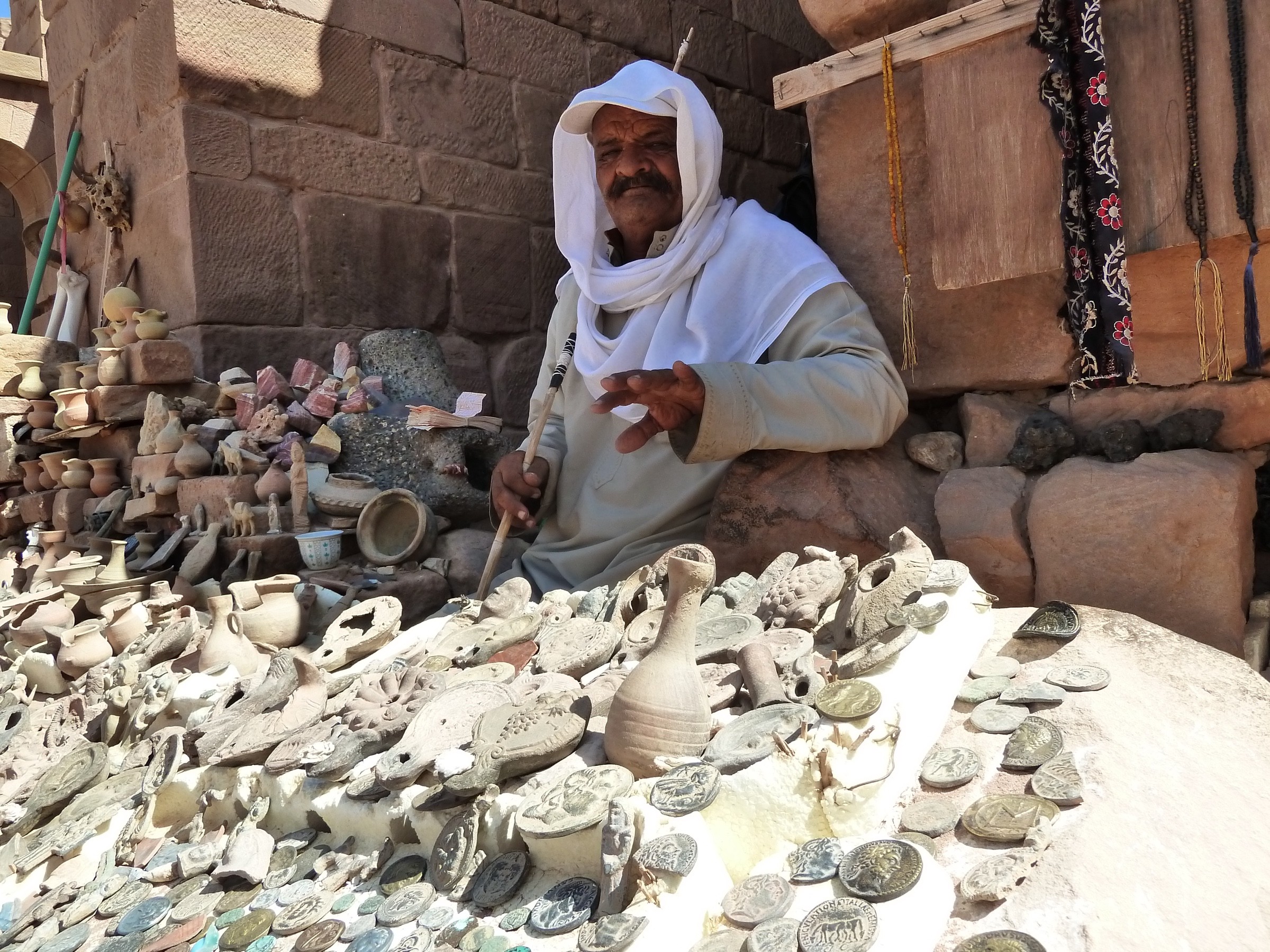
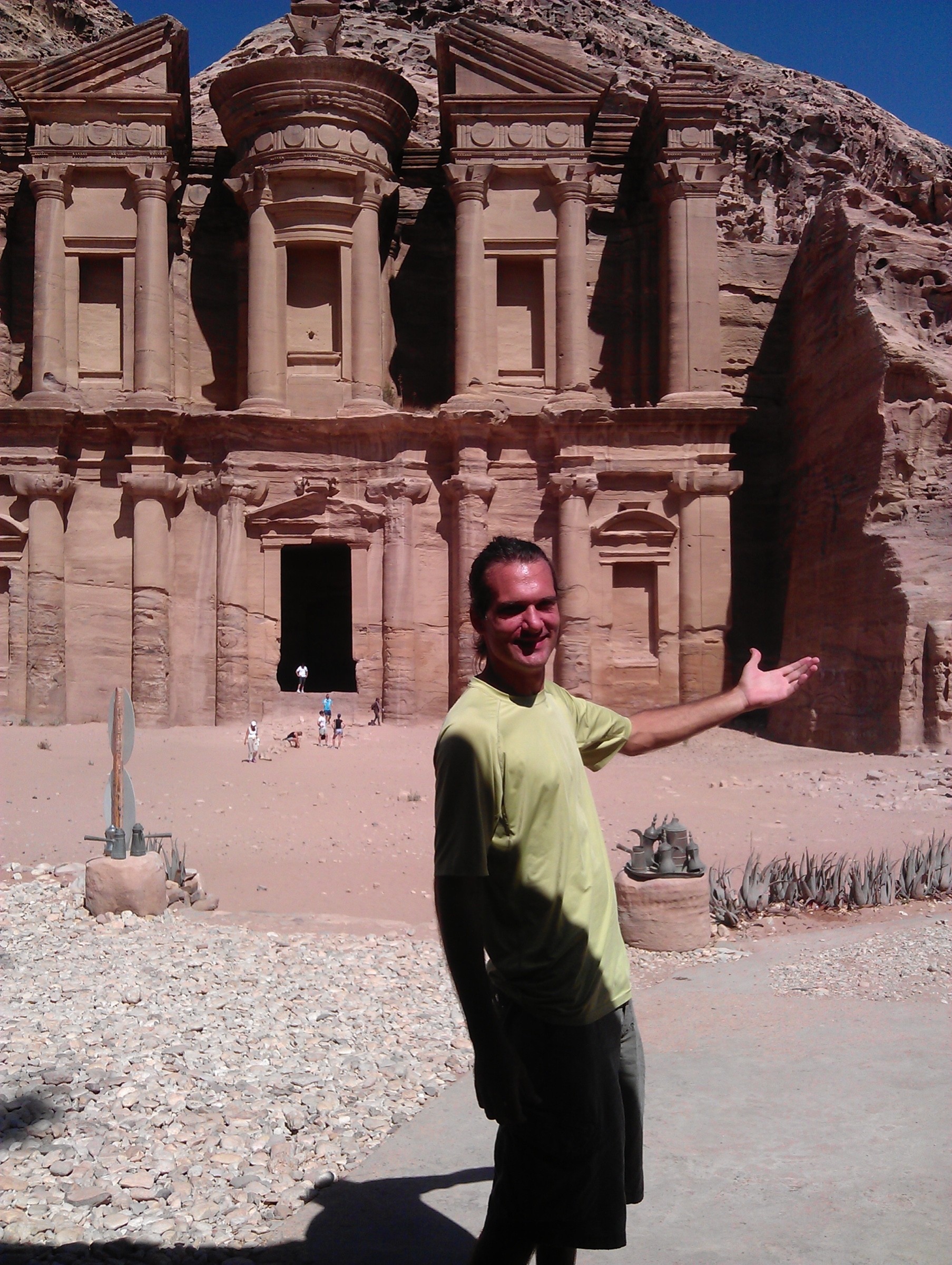
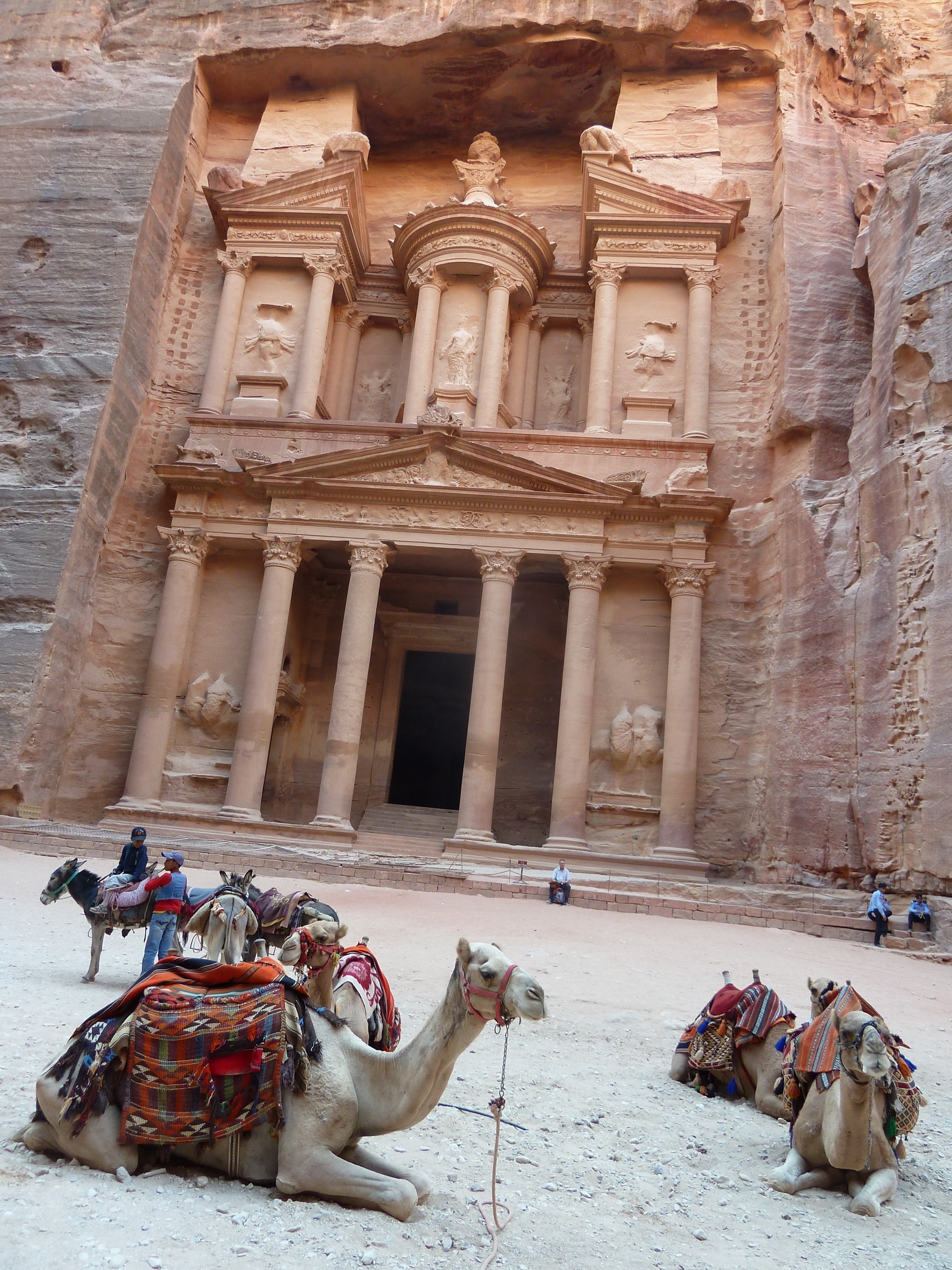
Petra is not only facades cut into sandstone. It is a long walk through a desert park of cliffs, caverns, and carved tombs, each with its own story, and the light on the rock in the middle of the day is the color people mean when they say rose-red. Camels and donkeys work the paths. We could have ridden to the Monastery. I wanted the steps. There are about eight hundred of them. At the top, Abbas was tired, and we were still not at the highest point, so we kept going, past small tea and souvenir stalls run by Bedouin families, until a man at a spot billed as “the best view” offered tea and a small souvenir. That climb capped the fifth and final day.
In the morning I woke before dawn, took a taxi to the JETT station, and boarded a bus for the King Hussein Bridge. The border with Israel was near a politically heated stretch of land, and from there, it got intense.