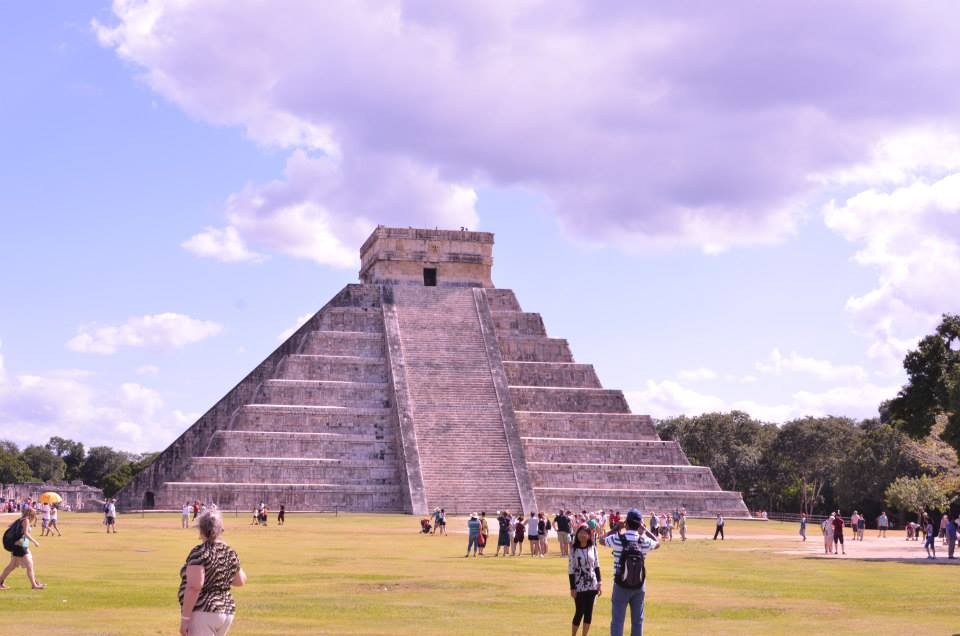
It had been years since I had a tropical week on the Yucatán Peninsula. I had enough frequent flyer miles to cover my ticket, plus a voucher from taking United up on a later flight out of an overbooked plane to Pittsburgh. Being flexible has its benefits. We flew into Cancún for very little money, found rooms for around a hundred dollars a night, and reserved a week-long car from EasyWay for $169.
After a pair of uneventful flights, the rental desk handed us the ride: a radio-free, air-conditioned manual Hyundai i10 hatchback with the service engine light on and a collection of small dents. The Corvette of Mexico.
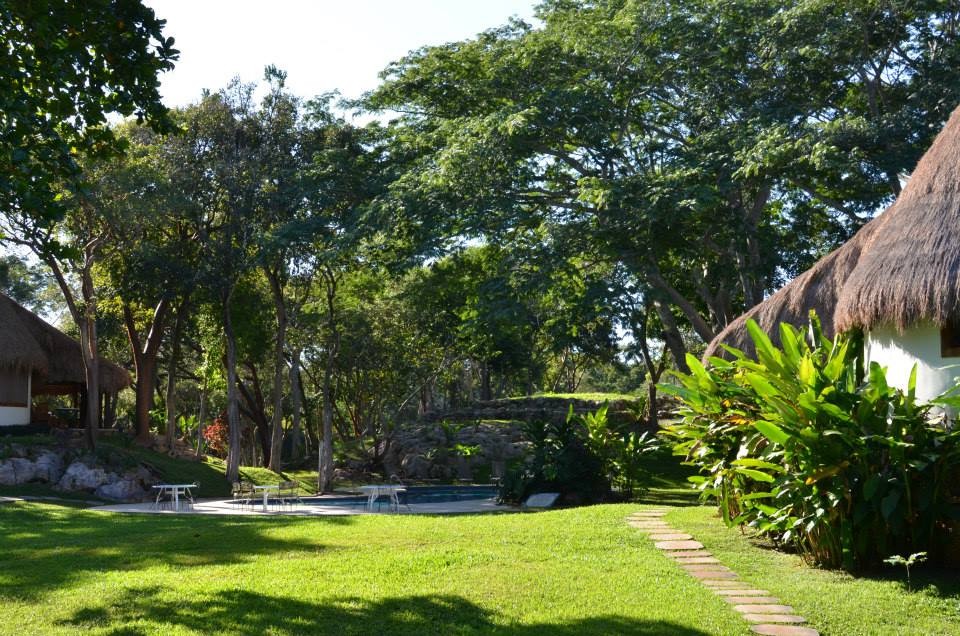
We drove from Cancún to Chichén Itzá, about two hours, with a fresh fruit stand on the way. A detour through the backstreets of Pisté kept us clear of a Christmas festival, bicycle riders heading toward Mexico City for La Virgen de Guadalupe. Hotel Mayaland sits right next to the ruins. We had reserved a balcony and were given a room without one, which turned out to be an upgrade: a king bed, a couch, and a jacuzzi whose hot water took more than fifteen minutes to appear and ran out before the tub was full.
The room had two English channels, one of them silent, and the wifi was down. When I asked at the desk, the clerk said the hotel was for relaxing, not for watching television. I asked whether their website advertised free wifi. The next morning they reset the router, and all was good.
Mayan ingenuity
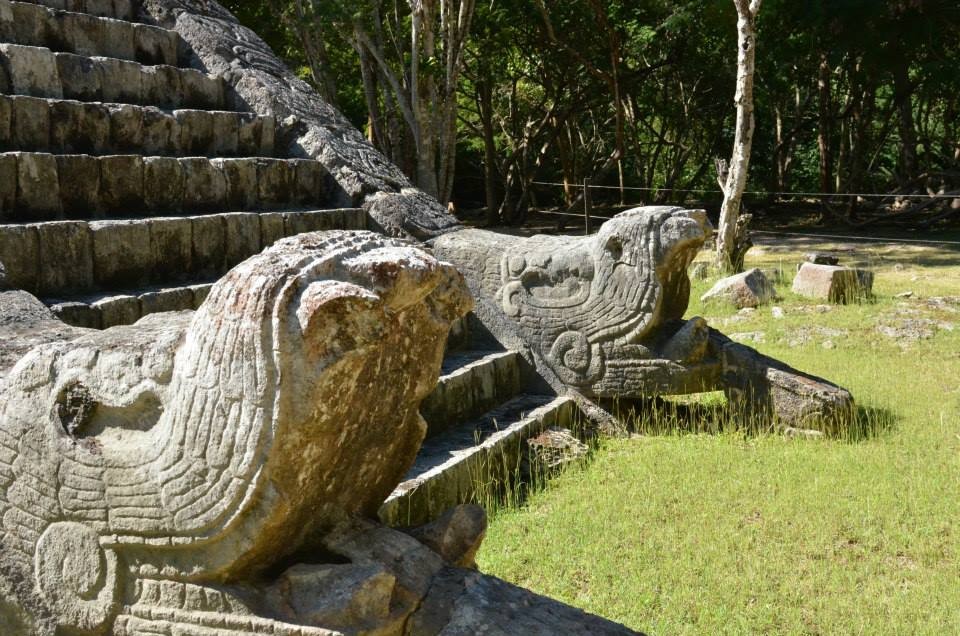
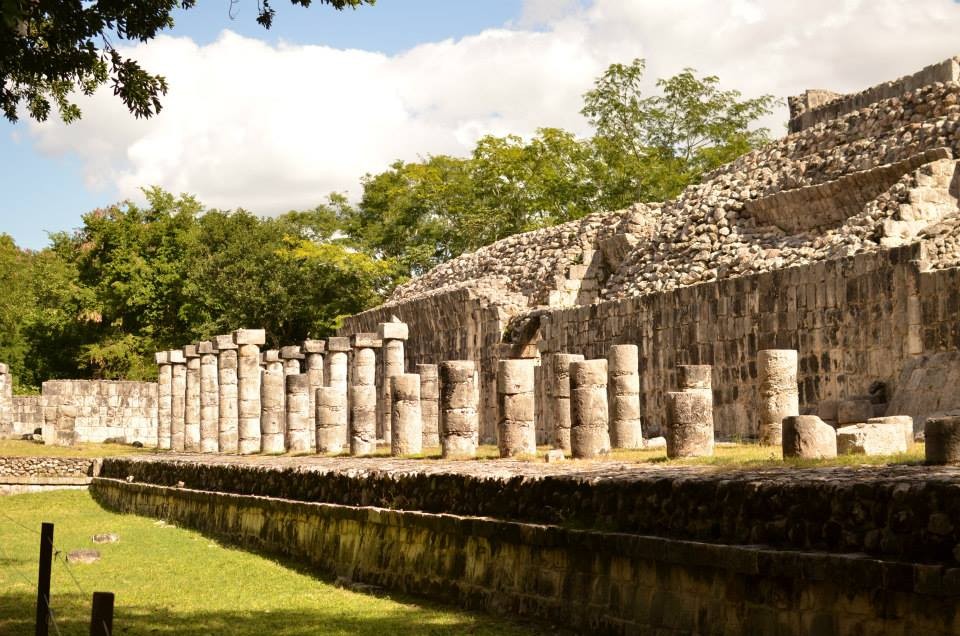
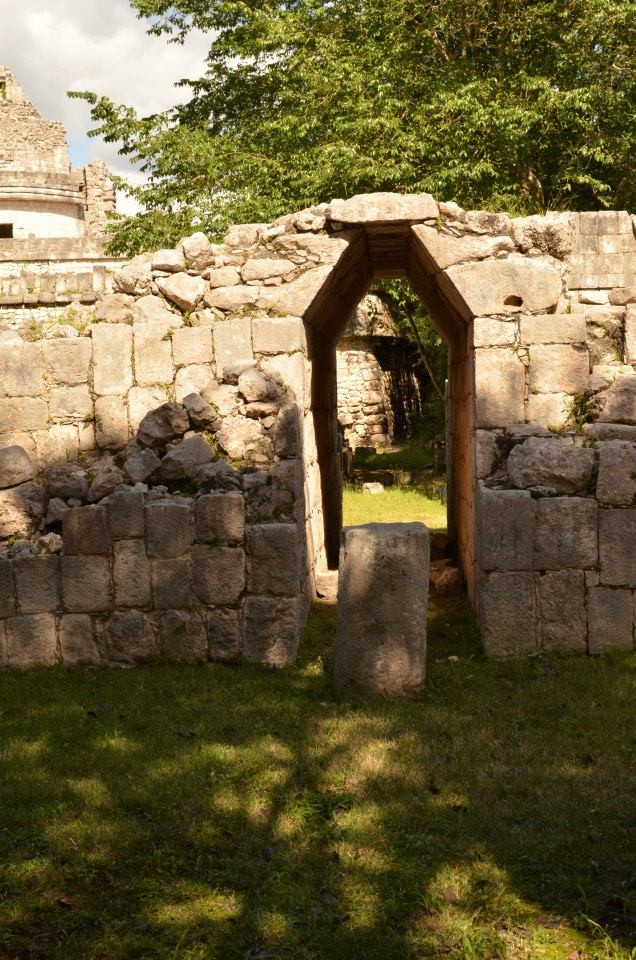
That evening we watched a presentation in the planetarium about the Maya, who built the structures of Chichén Itzá in alignment with the sky so they could predict the seasons. The site itself felt supercharged, as if the intensity of the place were still sitting in the stones.
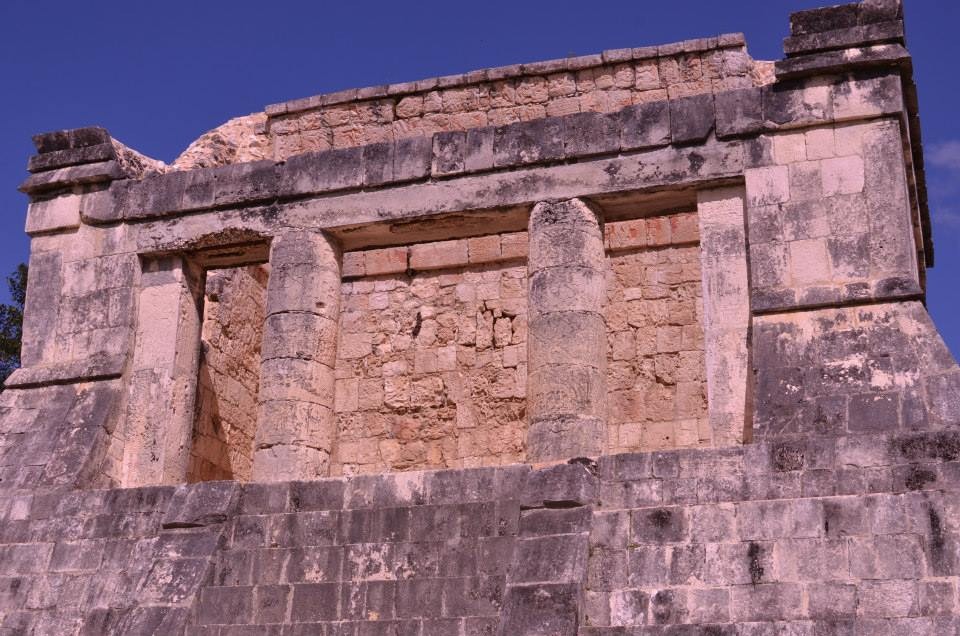
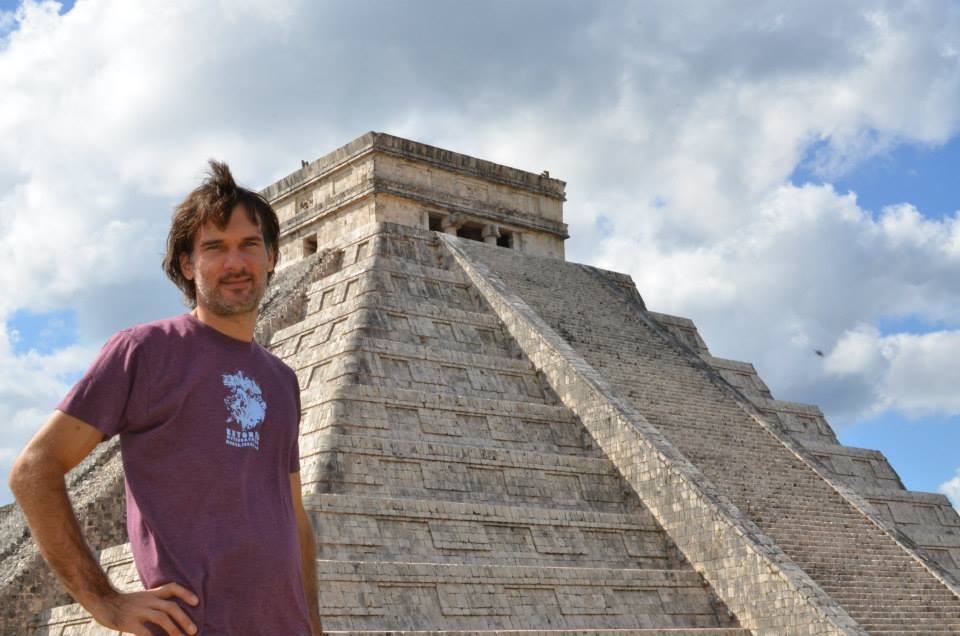
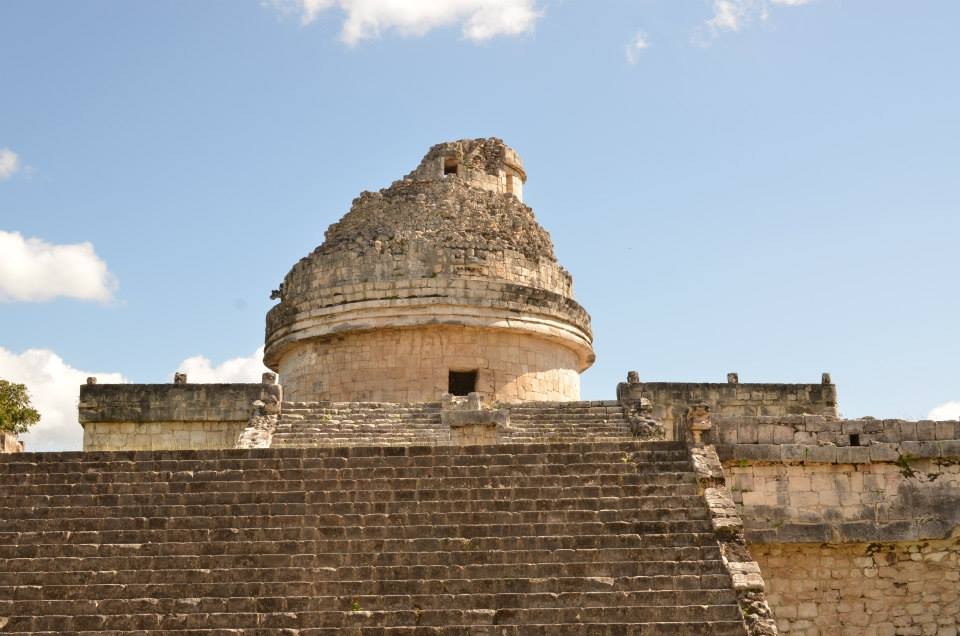
You can stand several meters from the pyramid, clap your hands, and hear the sound come back as a sharp, birdlike echo. There are sweet spots all over the site. The Caracol, the circular observatory, still looks as if it is listening to the sky.
The door trim in Pisté
We took the car into nearby Pisté for lunch and left it at the side of the road between a restaurant whose manager tried to wave us in and a woman running a convenience store. Both of us had a strange feeling about the spot, and we let it go.
We ended up at a local kitchen that offered a “whole chicken” and a stack of sides for forty pesos each. It turned out to be a half-chicken between the two of us, and after we finished, the woman informed us that lunch was actually fifty pesos each. It was only a couple of dollars. We paid and walked back to the car.
“That’s not our car, is it?”
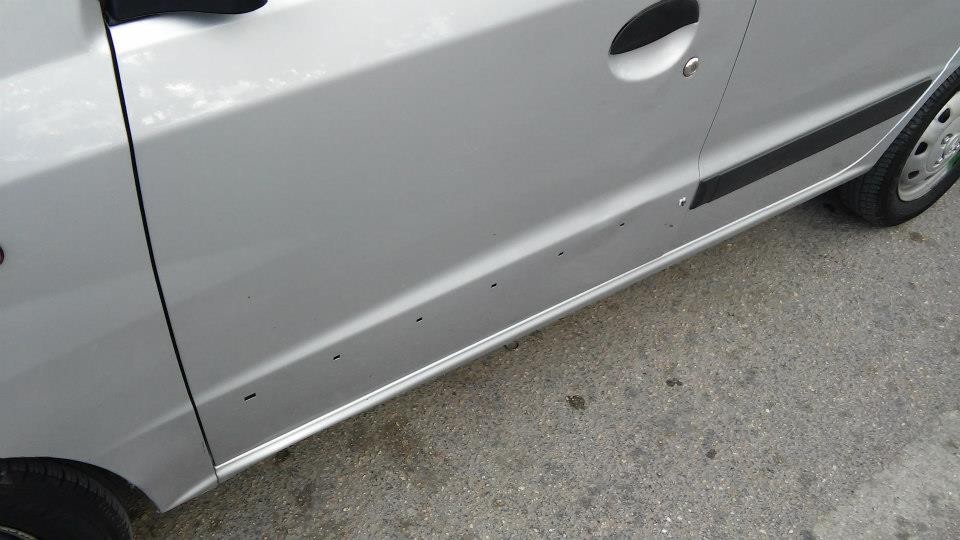
It was, but something was different. The trim on the driver’s side door looked as if it had been ripped off. We looked around for remains, as if there had been an accident. There were none. Who steals a piece of trim from a car door? No wonder the car had no radio. When we checked the rental agreement, the agent had already made a large mark for damage on that part of the door. We did not remember the trim missing, but it might have been that way when we picked the car up.
I called my credit card company about the comprehensive rental coverage that came with the card. A week earlier they had said a claim would be easy. It was not. We would need the make, model, and year, both rental agreements, a damage report, an itemized bill, and a full estimate of the repairs. When we returned the car, the agent did not speak English. There was no way I would have gathered that paperwork and still made the plane. Because the agreement already showed a pile of damage on that door, we were not charged. We never did figure out whether the trim was already gone. Sometimes I am a bit unobservant.
We also noticed a couple of other cars nearby with the same driver’s-side trim ripped off. We were not sure if it was a makeshift “parking ticket,” or one person replacing a missing piece with someone else’s, and then the cycle continuing. The lesson I took is that relying on a credit card for comprehensive insurance on a Mexican rental car is sketchy at best.
Cenote swimming
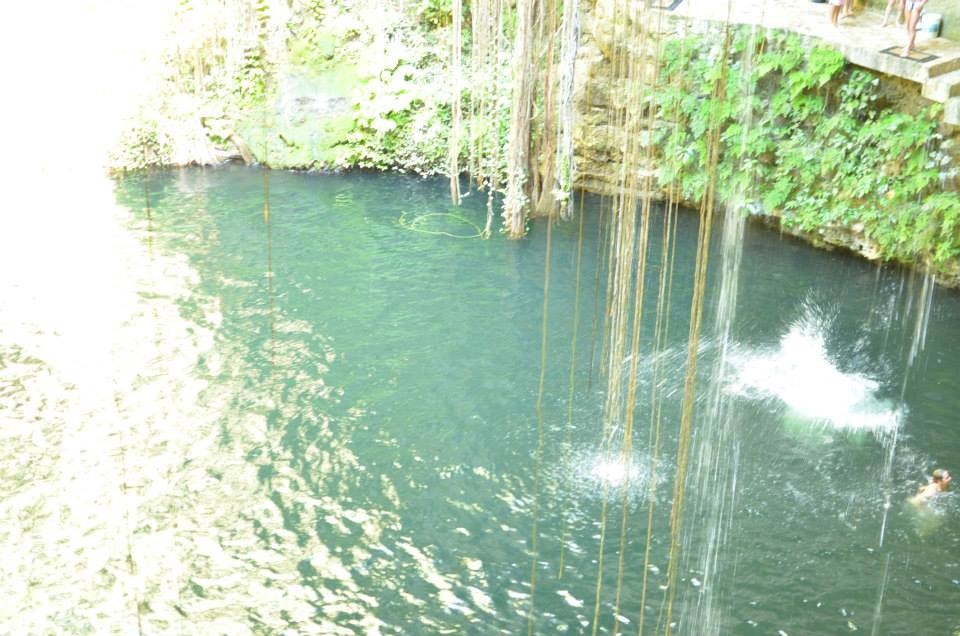
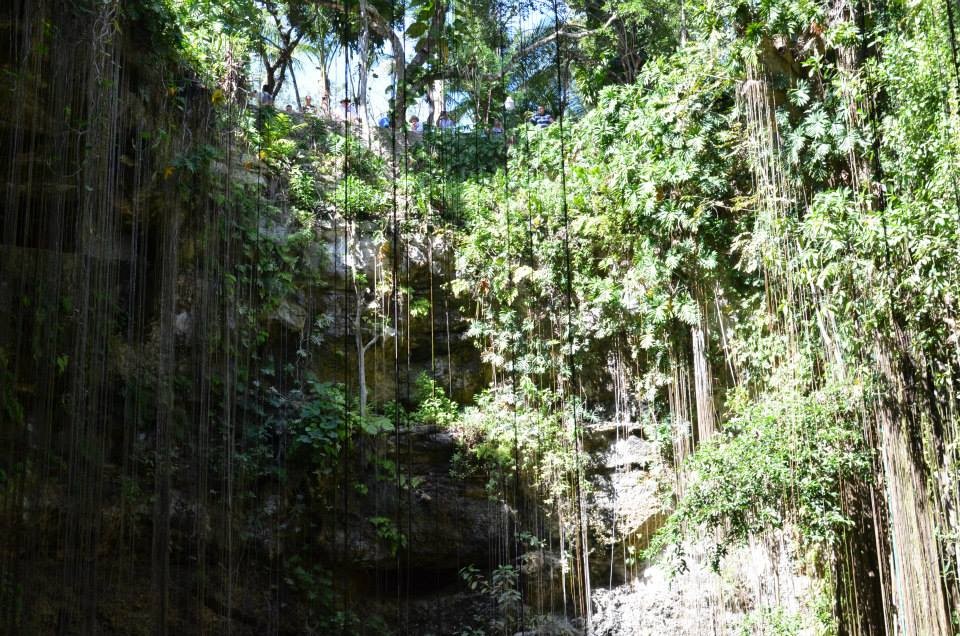
We visited two cenotes near the ruins, Xtoloc and Ik Kil. Ik Kil was swimmable, and it was a lot of fun. As we left the hotel, a man stopped us with a card for a five-peso discount, then met us at the park and walked us through.
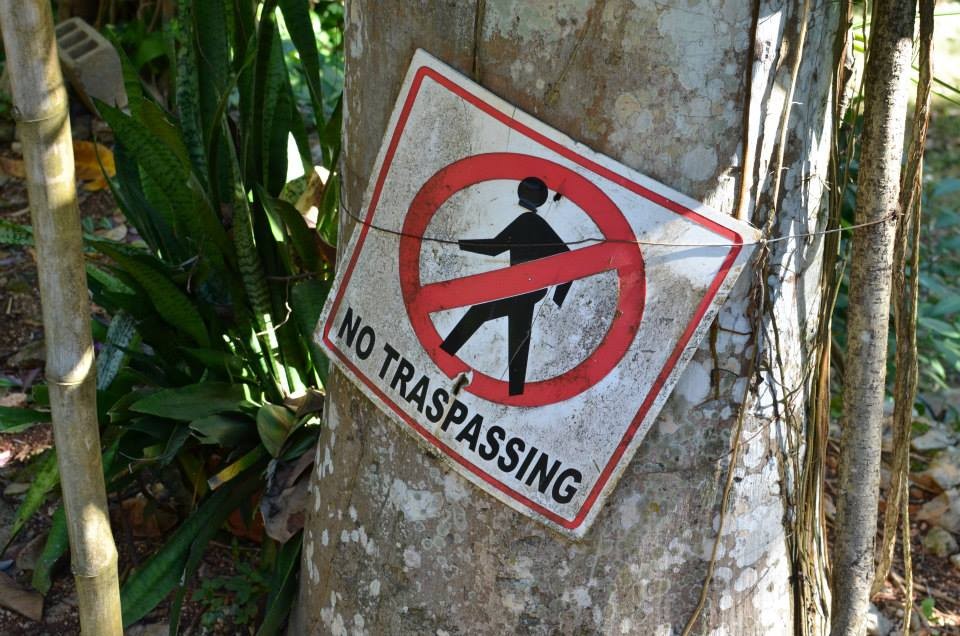
At first he seemed helpful. Then the feeling changed. At the lockers, the women at the counter were about to hand me a key; he gave one of them a look, and she switched me to a different one. Walking down to the water, we overheard a comment about my Nikon D7000. I gave him a twenty-peso tip and we had a good swim, but we cut the stay short and took our things out of the locker. I am not usually paranoid when I travel. I had finished a trip around the world the year before without that tightness in the chest. Something about the area around Chichén Itzá asked for a little extra caution.
Playa del Carmen
After two nights at Mayaland, we drove to the beach: three nights in Playa del Carmen at Hotel Aventura Mexicana. It was not beachfront, but the staff had arrangements with two hotels on the sand where we could use chairs.
Playa has two beaches split by a large pier. South of the pier the sand is irregular and boats make swimming awkward. North of the pier is a longer stretch with more ordinary waves. Aventura’s deal was free chairs at Indigo on the south beach, or chairs at a place called Kool on the north beach for fifty pesos each.
We tried Kool first, because it looked like the better beach, and sat down in two chairs, assuming we could pay a hundred pesos and be done. The discounted chairs, they told us, were at the back, not in front. The front was more like 2,500 pesos, and at the back the cheap chairs were already full. The name fit the place. It felt pretentious, and the beach had a faint sewage smell, as if the town had been overrun past what the sanitation system could handle. The same smell came up through the shower in our room a few times.
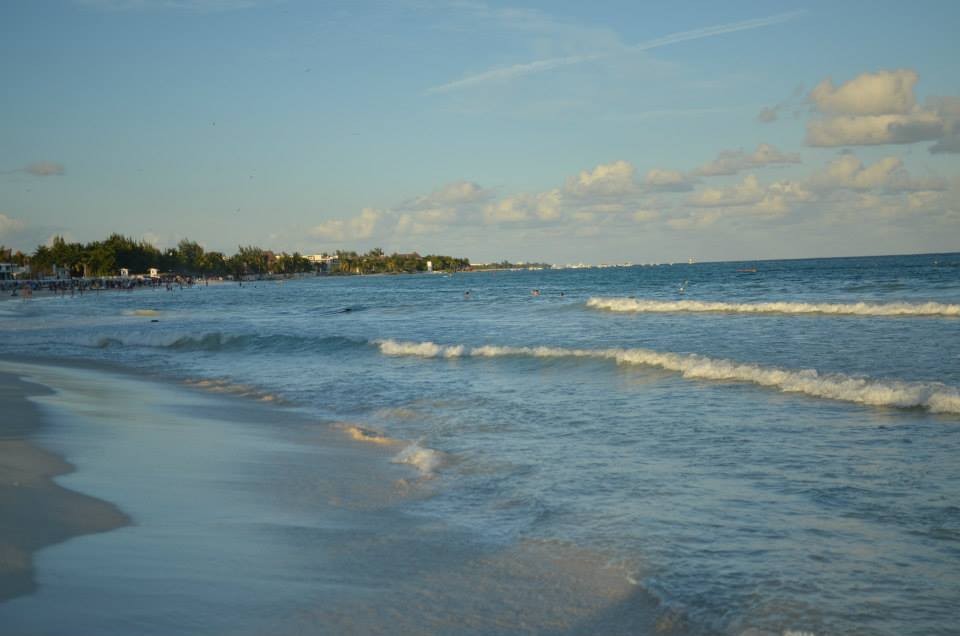
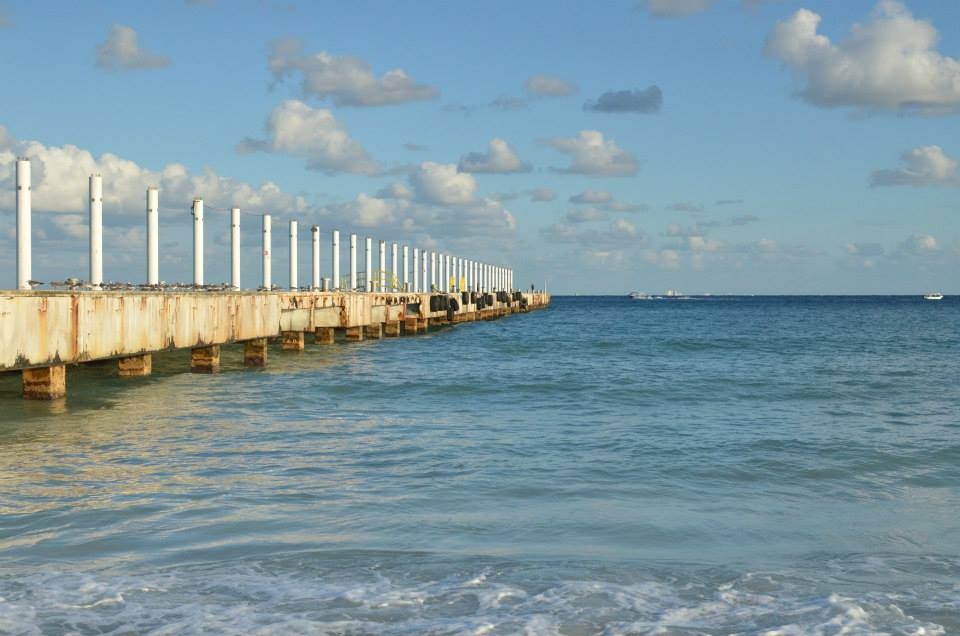
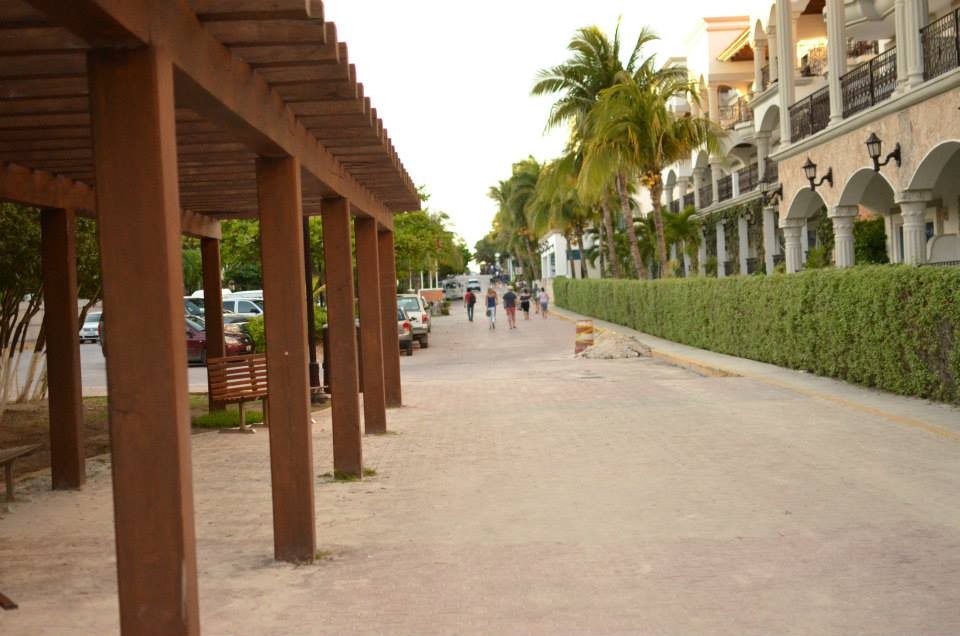
The next day we went south and sat at Indigo. It was much better: free chairs, reasonably priced food, no pretentious air, and a beach that did not smell like a treatment plant. The water stayed shallow a long way out, and there were boats in front of the hotel, but it was the right way to spend a last afternoon in Playa.
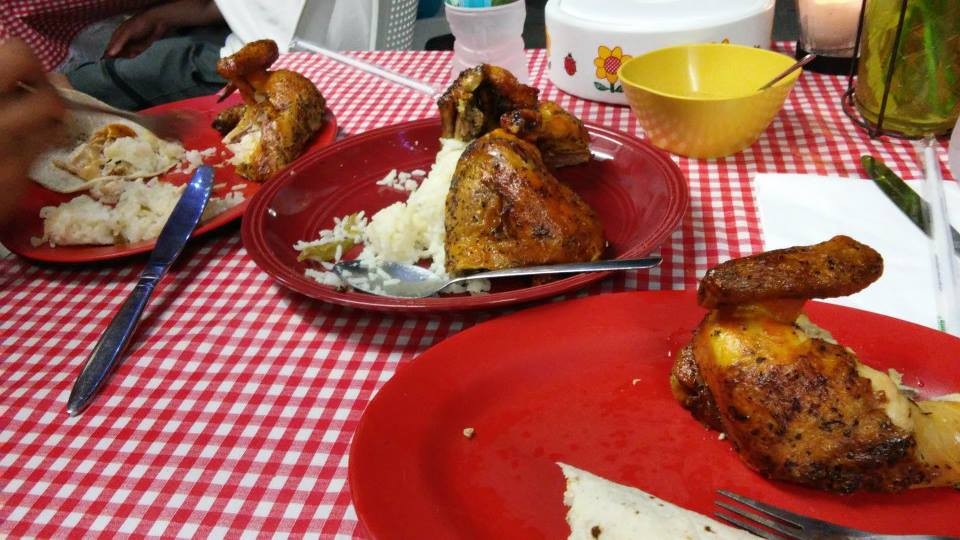
The town is full of restaurants. Our favorite was a Venezuelan place called Kaxapa Factory, where the owner brought samples of fresh juice as soon as we sat down. For local cooking we ate at El Sobrocito del Fogón, the most authentic Mexican food of the week. Upstairs at Madre Tierra on 5th Avenue we had a simple dinner and a view of the street, and at La Brocherie, a French chicken place, the owner tucked the herbs under the skin. It was far cheaper than Paris, and just as good.
On to Cancún
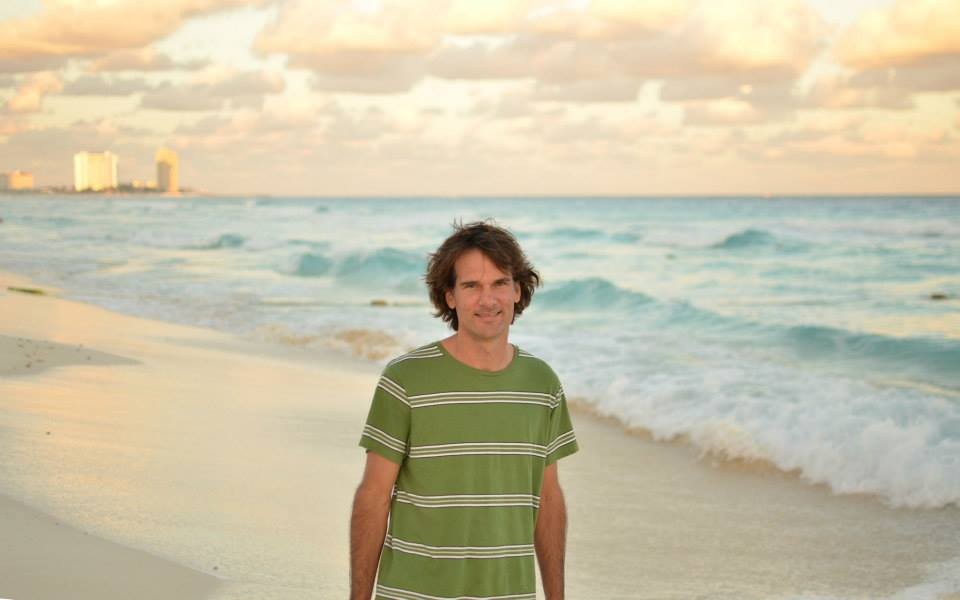
Our last stop was the beach in Cancún. After a stack of grim TripAdvisor reviews I booked the Flamingo Cancún Resort, room only, about a hundred dollars, and they upgraded us to an oceanfront balcony when we arrived. The beach was wider and quieter than Playa, and it smelled the way a beach should smell. The water was some of the clearest I have ever seen. The waves were heavy, with a bit of rip current, so swimming was serious business, but wading out to my chest and ducking under the big ones was a pleasure.
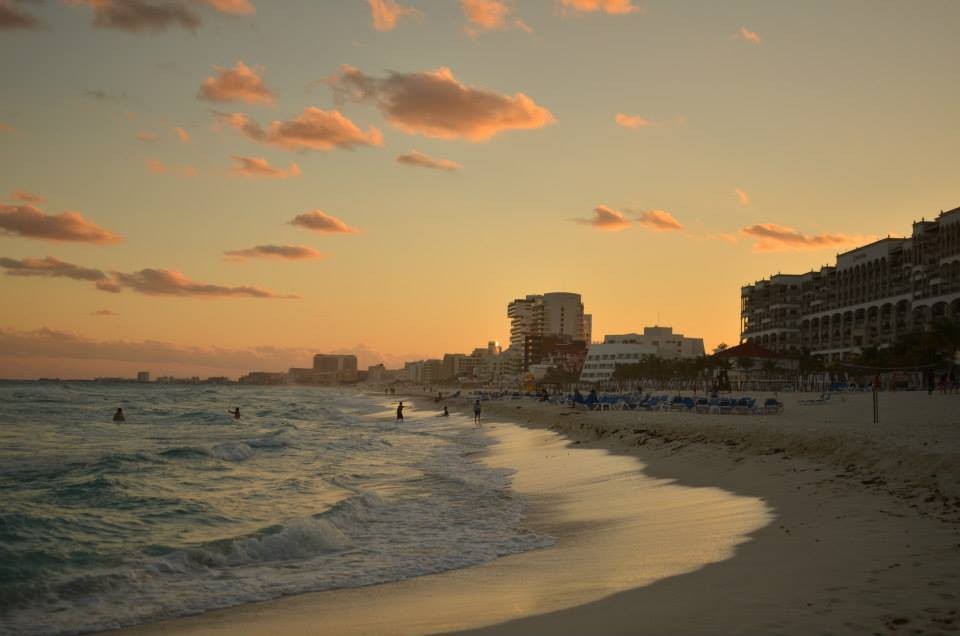
Many people recommend Playa del Carmen over Cancún. Playa had more of a local feeling in town; Cancún was full of tourist restaurants. At Señor Frog’s, a two-for-one dinner coupon turned into a bait-and-switch, with staff blowing whistles at a room full of tourists. We got up and left, and found a better meal at Hostel Natura: fair prices, fresh juice, and no whistles. We still preferred the beaches of Cancún. Next time I have no particular desire to go back to Playa, but I would happily take another night or two on that clear water.
A later trip took me to Tulum, on the same coast.